
Southern Politeness Meets Deeper Barriers

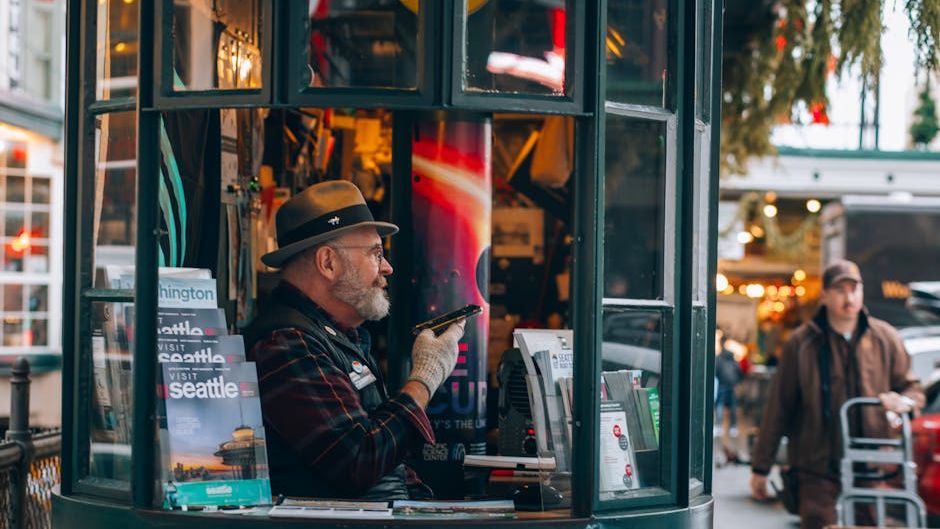
Southern states often top lists for public friendliness, with strangers offering smiles and small talk at every turn. People hold doors, say yes ma’am, and chat about the weather like old pals. Yet this surface warmth rarely evolves into invitations for coffee or weekend barbecues. Newcomers quickly notice the gap between polite exchanges and genuine invitations into daily life. Surveys confirm that while the South excels in casual interactions, it lags in forming lasting bonds for those just arriving. The friendliness feels real in the moment, but it stops short of pulling outsiders into the fold. Many transplants describe walking away from conversations feeling seen but not truly welcomed. This pattern repeats across cities from Atlanta to Nashville, leaving folks wondering if the hospitality hype holds up.
Established residents have networks built over decades, making it tough for newcomers to break through. Family gatherings and school pickups dominate weekends, with little room for fresh faces. Politeness keeps things civil, but it doesn’t open doors to private lives. A relocation report from 2023 highlighted how over 40 percent of movers to the South struggled to build close circles in their first year. The charm works for tourists, yet for those unpacking boxes, it often feels like a polite wall. People wave from porches, but group texts and potlucks stay among lifelong friends. This dynamic frustrates many who expected quicker connections. Over time, some adapt by hosting their own events, but the initial letdown stings.
Newcomer Loneliness in Booming Southern Cities

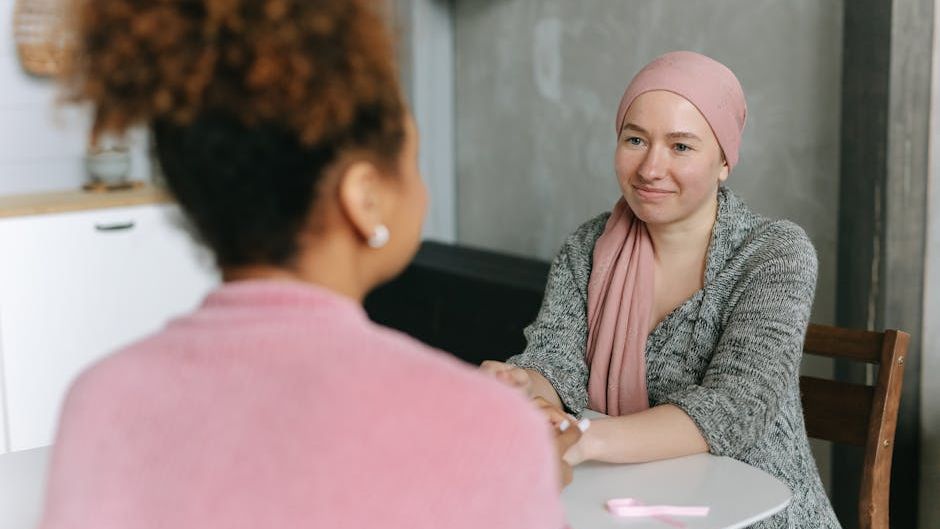
Texas and Florida have added hundreds of thousands of residents yearly, fueling growth but also isolation. New arrivals chase jobs and affordable homes, only to find social scenes already crowded. A 2024 study on social well-being showed transplants facing higher loneliness rates than locals. Over 40 percent report trouble forming friendships early on, despite the welcome mats out front. Everyone’s busy with work and commutes, leaving little time for casual hangs. Sidewalks buzz with hellos, but phone numbers rarely get exchanged. Young professionals in Austin or Charlotte echo this, sharing stories of empty weekends after the move. The population surge means more competition for spots in existing groups.
Families fare no better, with kids in new schools and parents missing playdate invites. Community events draw crowds for show, but follow-up connections fizzle. Long-term residents stick to known quantities, viewing newcomers as temporary. This leaves movers scrolling apps for friends, a far cry from the neighborly ideal. Statistics paint a clear picture of first-year hurdles in these hot spots. Even in friendly suburbs, the sheer influx dilutes personal outreach. Many stick it out by joining clubs, but the early months drag. Persistence pays off for some, yet others pack up after feeling adrift.
Family Ties That Bind Social Circles Tight
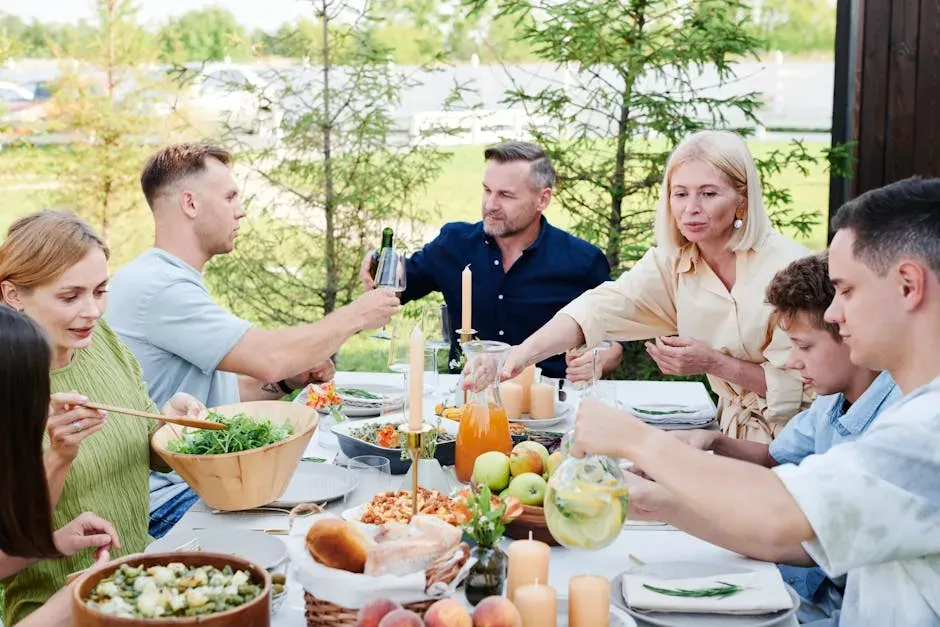
Southern culture prizes deep-rooted family connections, shaping who gets invited where. Cousins, aunts, and high school buddies fill holiday tables and tailgates year-round. Newcomers without these links find themselves on the outside looking in. Social life revolves around legacies, not newcomers starting fresh. This norm feels exclusive, even if no one means harm. Folks chat amiably at stores, but home life stays family-only. Transplants often hear about great local spots, yet rarely get the personal tour. The closeness strengthens communities but slows outsider integration.
Generations overlap in neighborhoods, with kids playing at grandma’s like always. Outsiders sense the vibe but struggle to join game nights or fishing trips. Cultural emphasis on loyalty means groups form early and endure. A 2023 report noted how these ties challenge relocators building their own. Smiles abound, but trust builds slowly with strangers. Some newcomers host dinners to counter this, drawing folks in gradually. Still, the family-first mindset persists across the region. It fosters stability yet frustrates those seeking quick bonds.
Suburban Sprawl Stifles Chance Encounters

Many Southern cities stretch wide, with homes far from shops and parks. Commuting eats hours, cutting spontaneous chats with neighbors. Studies link proximity to friendships, yet sprawl keeps people apart. Drive-thrus replace corner stores where banter flows. Newcomers drive everywhere, waving from cars instead of lingering on stoops. This setup limits repeated meetings that spark real ties. Folks in Houston or Raleigh describe isolated cul-de-sacs despite the hello culture. The layout prioritizes space over serendipity.
Walkable downtowns exist, but most live in car-dependent burbs. Sidewalks empty after dark, ending porch talks early. Research shows weak ties need nurturing through proximity, which sprawl disrupts. Transplants join gyms or leagues to mimic this, fighting the geography. Busy roads separate potential friends by lanes. Even block parties feel scripted, not organic. The South’s growth fueled these designs, trading density for yards. Adaptation means seeking denser pockets or online groups to bridge gaps.
Church and Faith as Social Gatekeepers
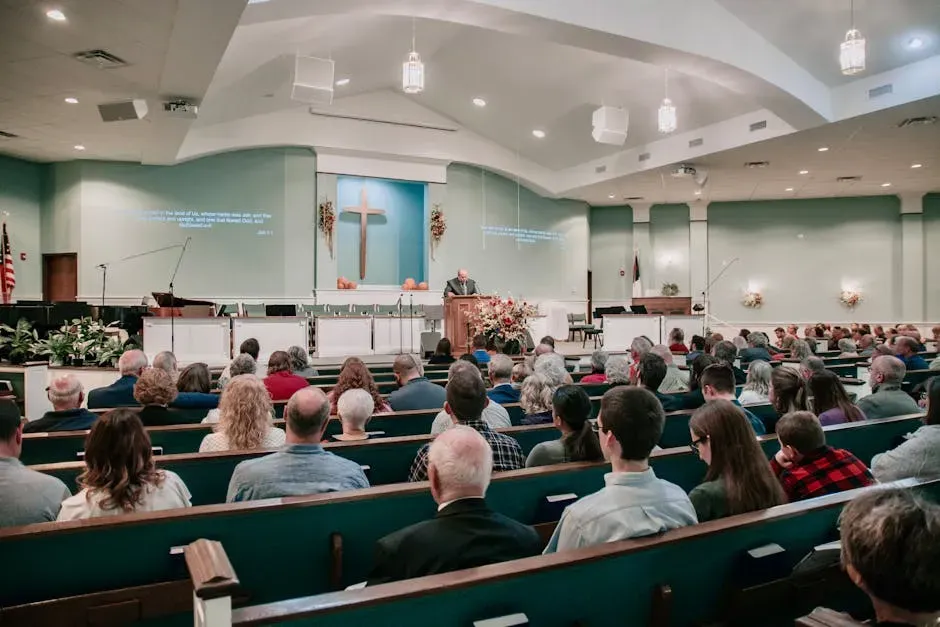
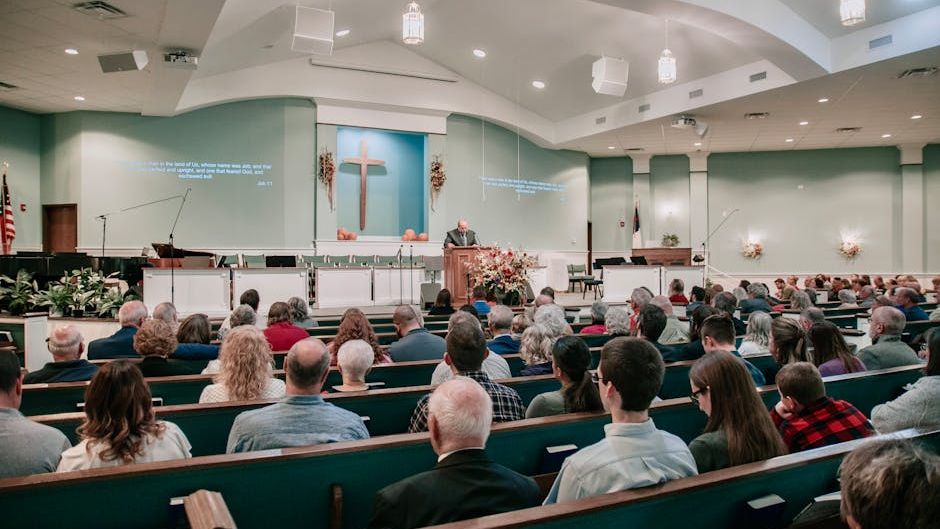
Over 60 percent of Southerners engage in faith activities, centering life around congregations. Sunday services double as networking hubs for locals. Newcomers attending find warm handshakes but slow invites to small groups. Shared beliefs unlock deeper access, while others stay peripheral. Bible studies and potlucks bond the faithful tight. Outsiders smile through sermons, yet miss the after-church coffees. This reliance shapes friendships profoundly in Bible Belt towns. Participation opens doors, non-involvement closes them politely.
Megachurches welcome crowds, but cliques form among regulars. Youth groups and missions keep families linked across years. Transplants without roots here navigate awkwardly. Cultural overlap with faith eases entry for some matches. Others feel the divide despite kindness shown. Stats underscore religion’s outsized role in regional bonds. Joining a congregation helps many, but it demands alignment. Secular arrivals turn to alternatives like hobby meetups instead.
Cultural Clashes for Non-Southern Transplants

Accents and traditions charm at first, but differences emerge in private settings. New Yorkers or Californians note humor styles that don’t land the same. Shared history references fly over heads of latecomers. Surface friendliness masks these subtle exclusions. Folks laugh at local jokes, but bond over them lifelong. Outsiders adapt slowly, feeling like perpetual guests. Experiences from forums echo this polite distance. Background mismatches slow the friendship pipeline.
Values around community and pace vary widely too. Fast-talkers clash with drawled conversations. Religious expectations add layers for the unchurched. Studies show cultural fit aids integration everywhere, amplified here. Newcomers host blended events to merge worlds. Patience helps as idioms sink in. Many thrive eventually, but early years test resilience. The charm persists, yet depth requires mutual effort.
National Friendship Decline Hits South Hard
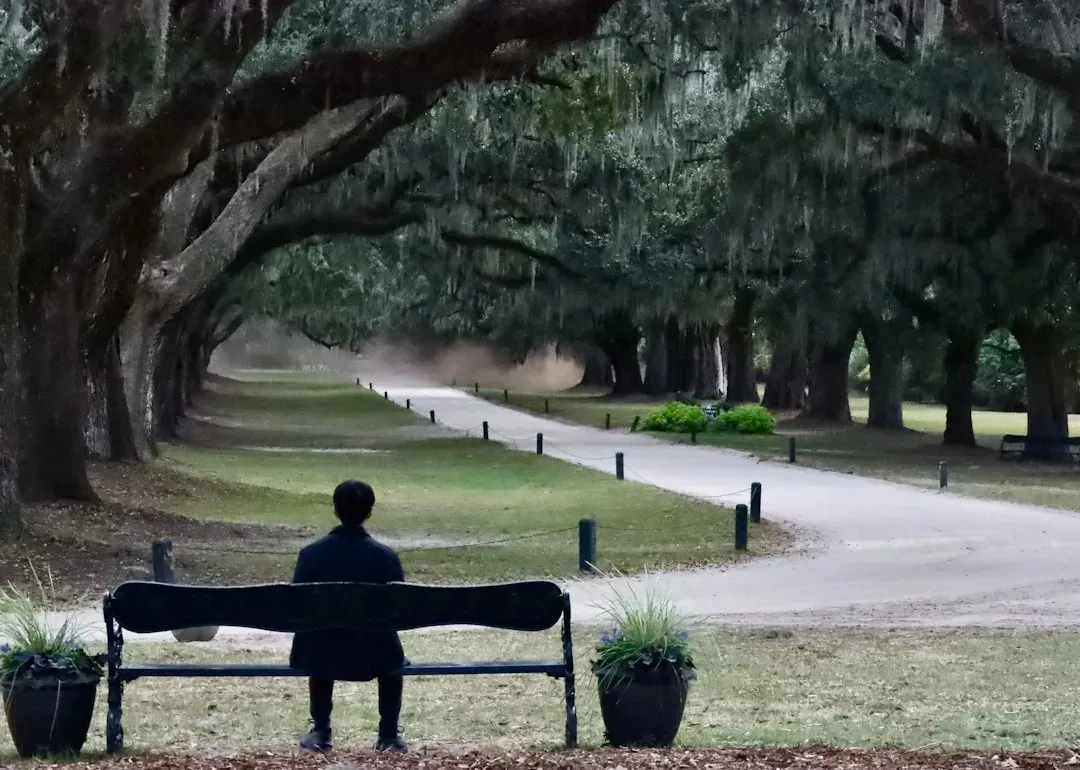
Americans overall report fewer close friends than decades ago, with regions feeling it differently. The South’s growth magnifies this for arrivals. Casual ties abound, but strong ones demand work amid busier lives. Social media fills voids without real hangs. Transplants face steeper curves in high-influx areas. A 2024 well-being study flagged higher isolation for movers. Work-from-home trends cut office bonds too. Everyone’s affected, yet newcomers doubly so.
Pandemic shifts lingered, shrinking gatherings everywhere. Southern emphasis on in-person courtesy contrasts thinning inner circles. Locals maintain threads from youth, easing their load. New folks rebuild from scratch amid this. Behavioral research notes weak-to-strong tie challenges universally. Apps promise fixes, but face-to-face wins. Persistence and outreach turn tides for many. Trends evolve, demanding proactive steps region-wide.
Practical Paths to Real Southern Friendships
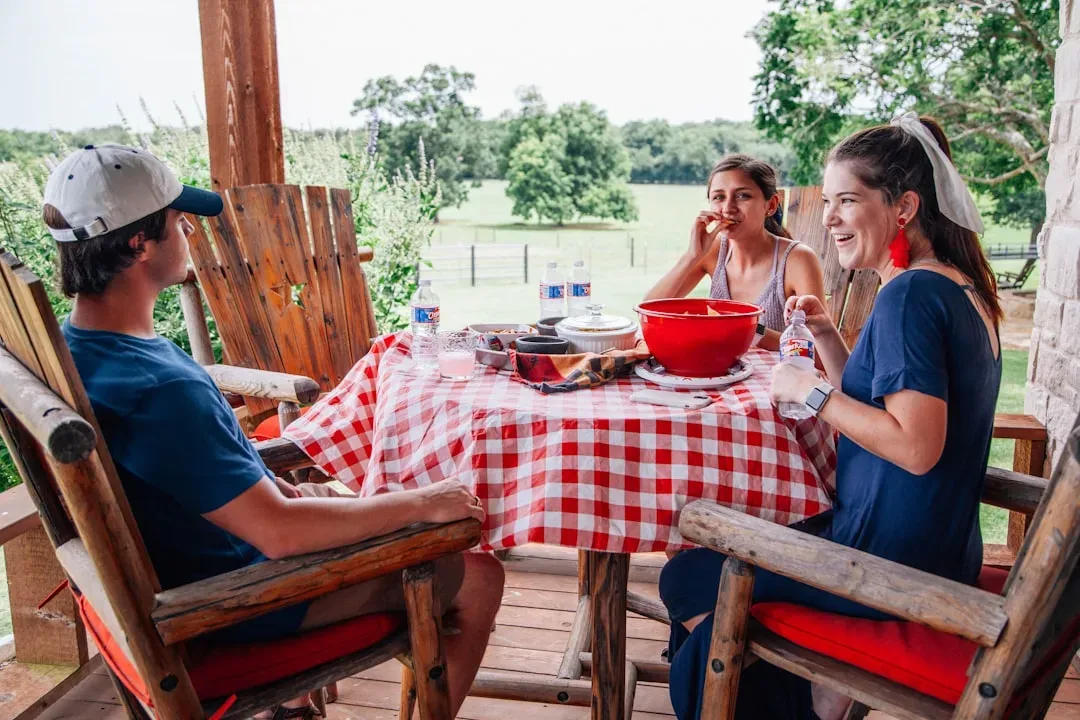
Join recurring activities like leagues or classes for repeated faces. Host low-key barbecues to flip the script on invites. Volunteer locally to tap community pulses. Apps for hobbies connect beyond faith circles. Consistency builds trust over months. Many succeed by mirroring hospitality outward. Suburban dwellers seek town cores weekly. Effort translates smiles to shared stories.
Embrace patience, knowing bonds brew slowly here. Share your background to spark curiosity. Family events welcome plus-ones eventually. Church trials work for aligners, clubs for others. Stats show intentionality overcomes odds. Relocators who persist often cherish deeper ties than elsewhere. Sprawl yields to driven wheels. The myth fades with action, revealing hospitality’s true depth.