
Potatoes: Calorie-Dense Survivors
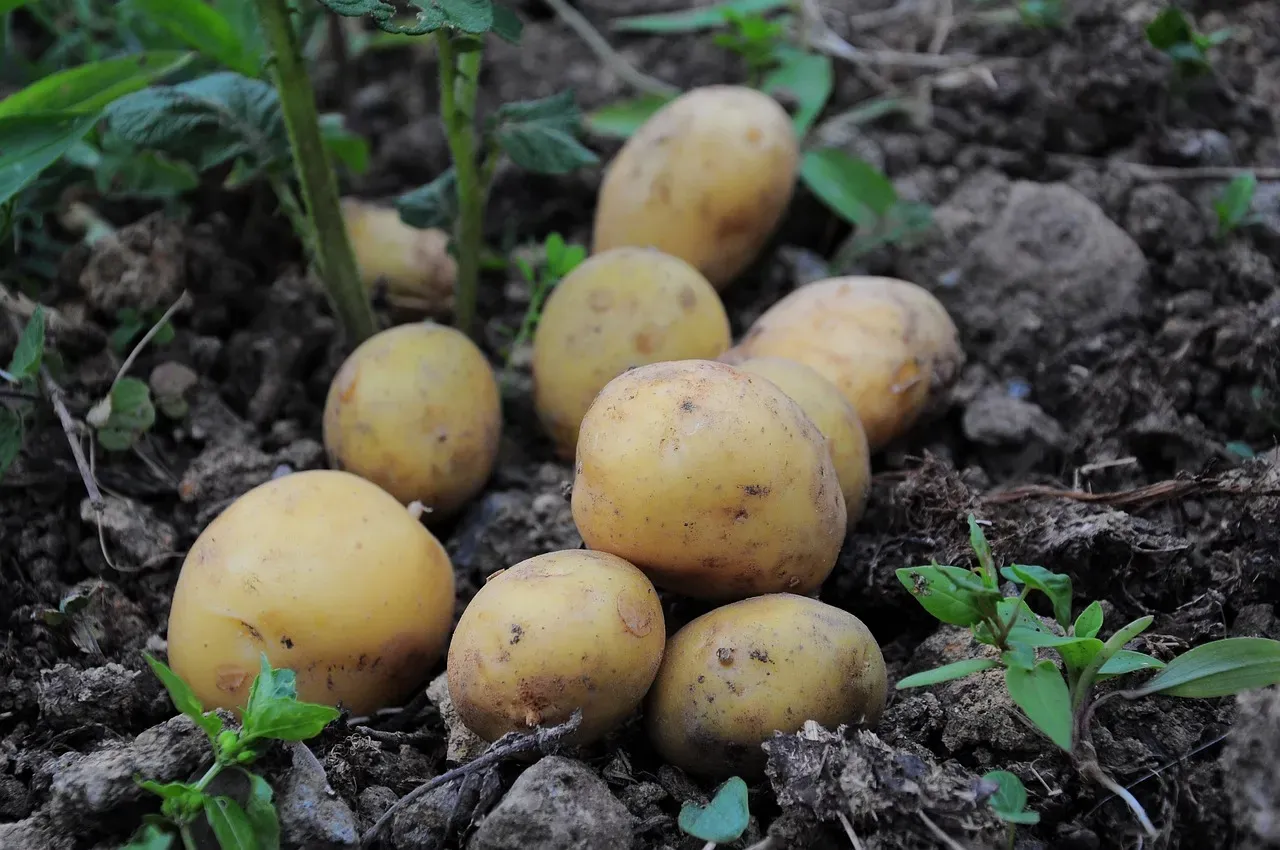
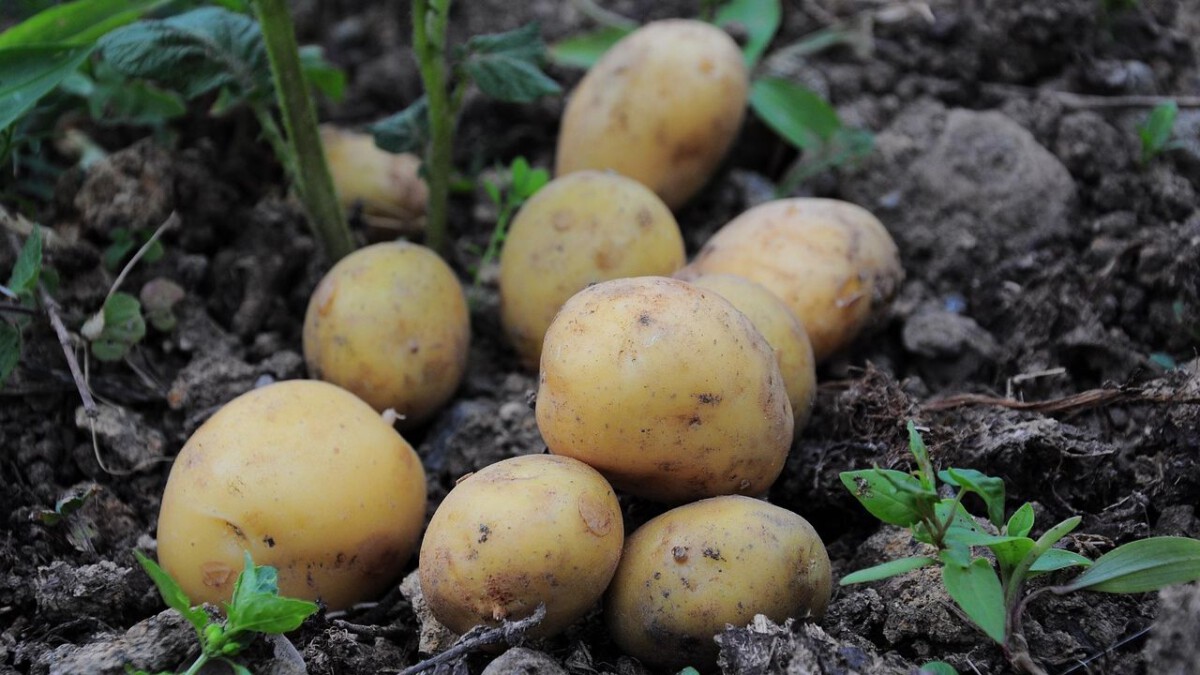
Potatoes stand out in harsh conditions because they pack a massive caloric punch, yielding up to 17 million calories per hectare under normal circumstances. In a nuclear winter, where sunlight drops by as much as 70 percent, these tubers keep producing underground, shielded from the worst of the dim skies. Farmers could plant them in makeshift bunkers or covered fields to dodge the cold snaps that drop global temperatures by 1 to 10 degrees Celsius. Their versatility shines too, since you can boil, mash, or store them for months without refrigeration. Varieties like the Russian Banana potato have already proven tough in Siberian chills, hinting at their potential in shortened growing seasons. Practical survivalists stockpile seed potatoes now, knowing one plant yields several pounds of food. Growing them requires minimal machinery, just soil and some mulch for insulation against frost.
During an asteroid impact scenario, dust clouds mimic nuclear soot, blocking light and crashing agriculture worldwide. Potatoes thrive in this gloom because they don’t rely solely on intense sun, converting what little filters through into starch-rich harvests. Studies from recent years highlight how they outpace grains like wheat in low-light trials, offering a buffer against the over 50 percent drop in global food production expected post-catastrophe. You could intercrop them with legumes to boost soil health without fertilizers, which might be scarce. Harvesting stays simple, with hand tools sufficing for small-scale operations in disrupted zones. Their high water content keeps hydration levels up alongside calories, crucial when clean water sources falter. Long-term, potatoes support population recovery by feeding billions on limited land.
Sweet Potatoes: Quick-Growing Soil Champs
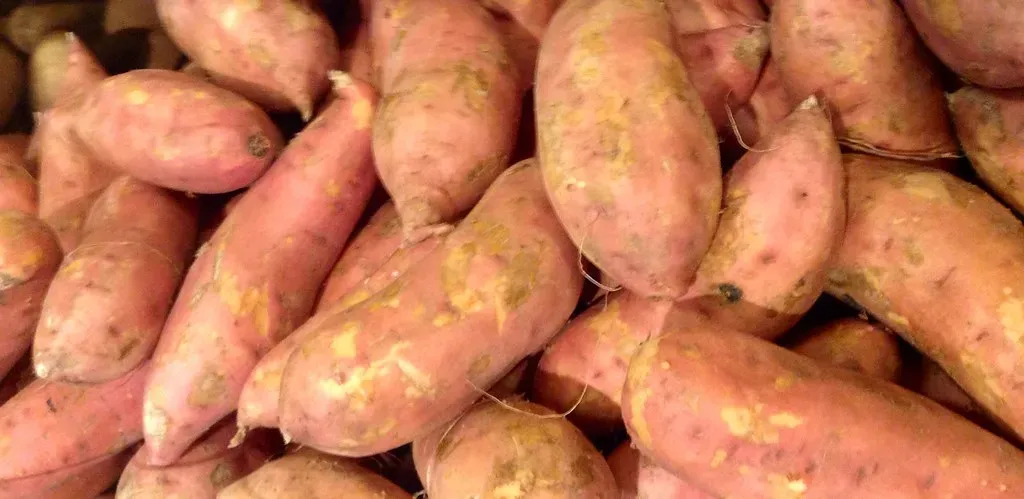
Sweet potatoes adapt to poor, degraded soils that nuclear fallout or asteroid debris might leave behind, needing far less fertility than corn or rice. Their growing cycle spans just 90 to 120 days, fitting perfectly into the truncated seasons from cooling climates. These vines spread efficiently, covering ground to suppress weeds in unmanaged fields. Packed with vitamins A and C, they combat malnutrition when fresh produce vanishes. In low-light environments, they photosynthesize effectively with diffuse radiation, unlike sun-hungry crops. Farmers in tropical regions already grow them through droughts, proving resilience in water-stressed worlds. Storage lasts six months or more in cool, dark spots, ideal for rationing.
A nuclear winter’s 70 percent sunlight reduction barely slows sweet potatoes, as their leaves capture faint light better than most. Global temperatures plunging 1 to 10 degrees Celsius favor their moderate warmth needs over tropical staples. Post-2023 research underscores their role in food security for crisis zones, sustaining communities on marginal plots. You could cultivate them vertically in greenhouses powered by minimal electricity from solar scraps. Their tubers store energy densely, yielding thousands of calories per plant for survival diets. Interplanting with beans fixes nitrogen naturally, rebuilding exhausted earth. In asteroid dust storms, their underground growth protects yields from surface chaos.
Cassava: Drought-Proof Calorie Staple
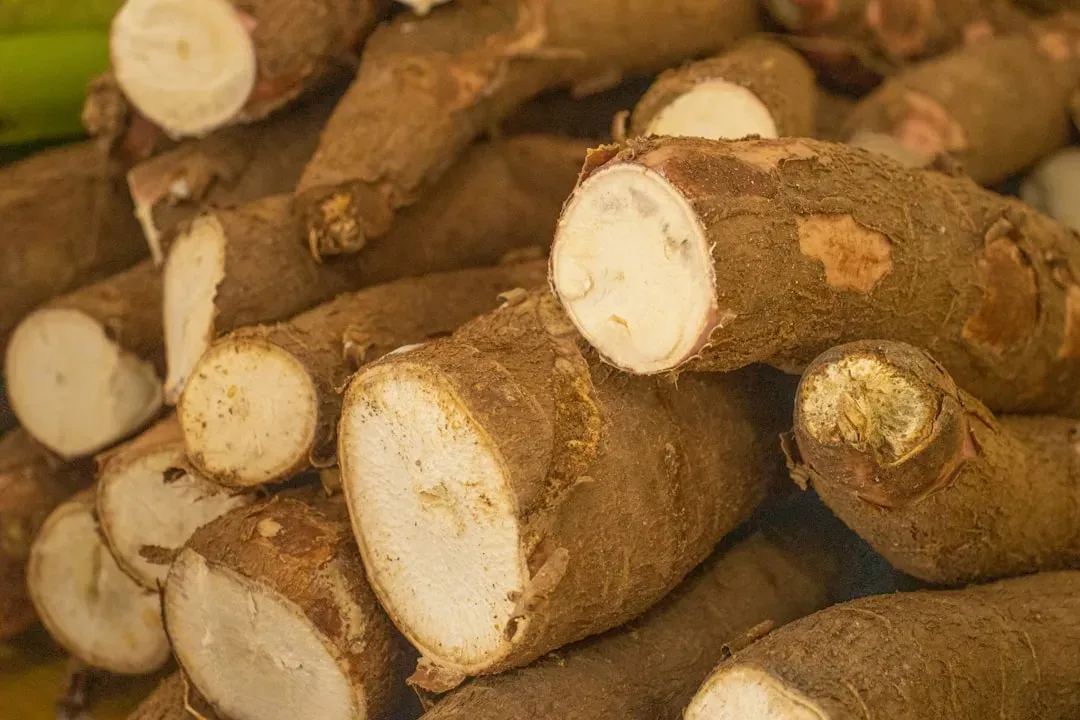
Cassava endures drought like few others, surviving months without rain in soils wrecked by catastrophe. It feeds over 800 million people today, mostly in tough African and Asian conditions, showing real-world grit. Roots grow deep for water access, even when surface layers dry out from nuclear-induced winters. Processing into flour or chips extends shelf life indefinitely, perfect for long-haul storage. Low input needs mean no pesticides or irrigation systems required in collapsed infrastructures. Harvest windows flex from six to 24 months, matching erratic seasons. Its cyanide content drops with proper cooking, a simple step for safe eating.
With sunlight slashed 70 percent and temperatures down 1 to 10 degrees, cassava’s shade tolerance keeps it viable where maize fails. Food production could halve globally, but this root crop buffers that hit through sheer reliability. Recent data from 2024 trials confirm yields hold in cooled greenhouses simulating winter blasts. Grow it on slopes to avoid waterlogging from erratic rains. One hectare supports dozens for a year, prioritizing calories over nutrition frills. In asteroid aftermaths, its propagation from stem cuttings restarts farms fast. Communities rebuild sovereignty with this unassuming powerhouse.
Barley: Cold-Hardy Grain Warrior
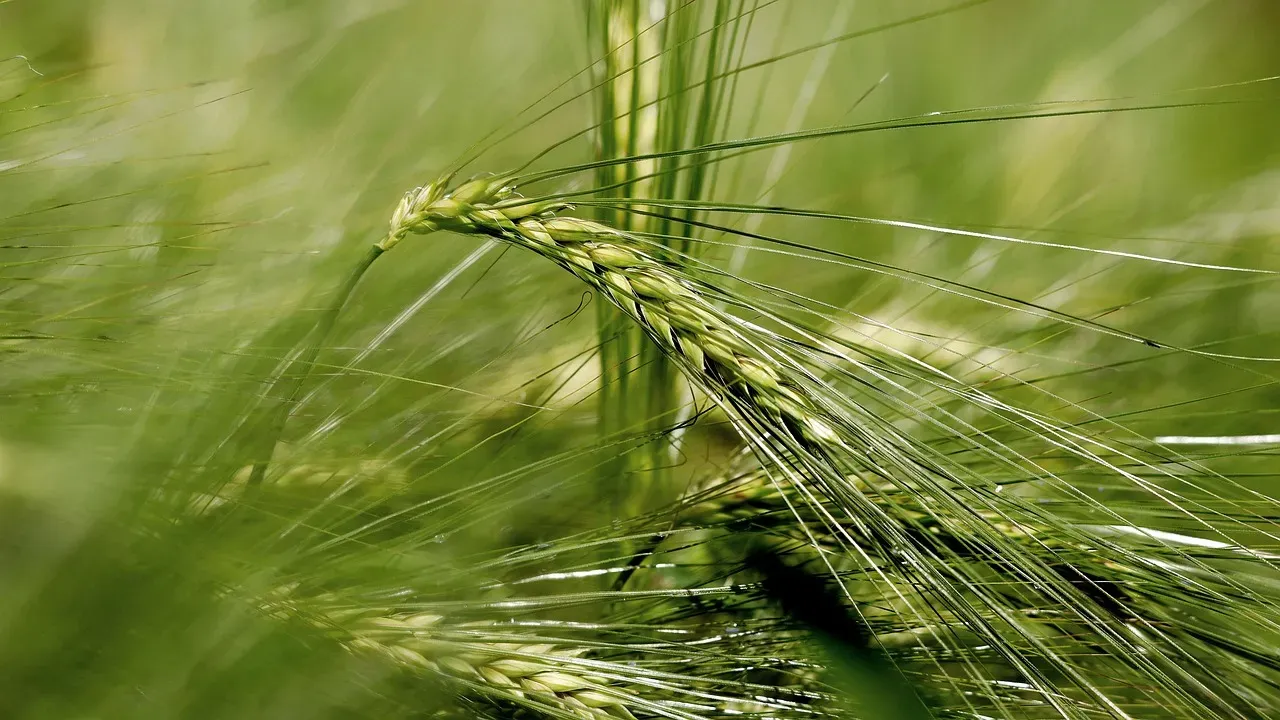
Barley shrugs off cold better than wheat or oats, germinating in soils near freezing during nuclear chill. Short-season varieties mature in 60 to 90 days, squeezing harvests into brief thaws. Its deep roots pull nutrients from compacted, fallout-tainted dirt. Brewers and bakers value its proteins, but survivors prize the whole grain for porridge or flatbreads. Low-light performance stems from efficient chlorophyll use, thriving under 30 percent normal sun. Nordic farmers grow it through long winters, a blueprint for post-impact resilience. Minimal tilling preserves energy in labor-short worlds.
Temperatures dropping 1 to 10 degrees Celsius play to barley’s strengths, unlike heat-loving rice. Over 50 percent food loss looms, yet barley’s storability mitigates famine for years. 2025 studies spotlight it for polar agriculture analogs. Mix with peas for balanced meals from one field. In asteroid dust veils, wind-pollinated seeds spread easily. Yields hit 4 tons per hectare in trials, fueling recovery. Its hull protects kernels through rough handling and pests.
Lentils: Soil-Fixing Protein Boost
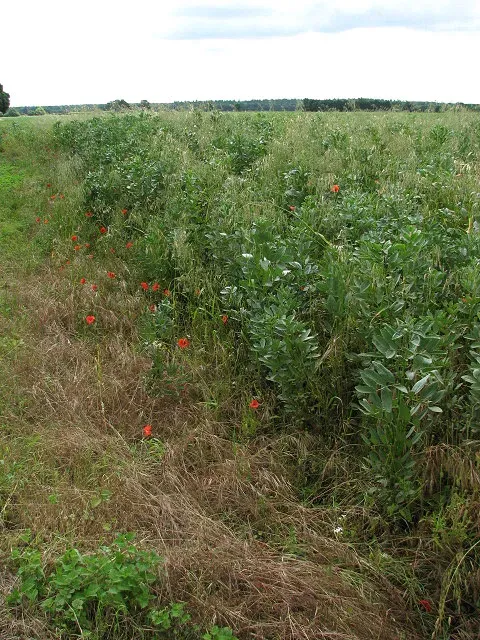
Lentils fix nitrogen naturally, enriching depleted soils after nuclear or asteroid shocks strip fertility. They mature fast, often in under 100 days, dodging short growing windows. Drought tolerance lets them sip water sparingly in arid aftermaths. High protein content fills gaps left by carb-heavy roots, preventing muscle waste. Dry storage lasts years without spoilage, stacking neatly in bunkers. Intercropped with grains, they double yields while healing earth. Small seeds sow easily by hand across vast areas.
Sunlight at 30 percent capacity suits their modest needs, outlasting leafy greens. Global cooling of 1 to 10 degrees favors these cool-weather legumes. 2023-2025 data shows them stabilizing food systems in marginal lands. One cup cooked delivers a full day’s protein for adults. In low-light tunnels, they sprout reliably on waste substrates. Post-50 percent production crash, lentils anchor diets. Their vines smother weeds, cutting labor in chaos.
Mushrooms: Sunless Indoor Lifesaver
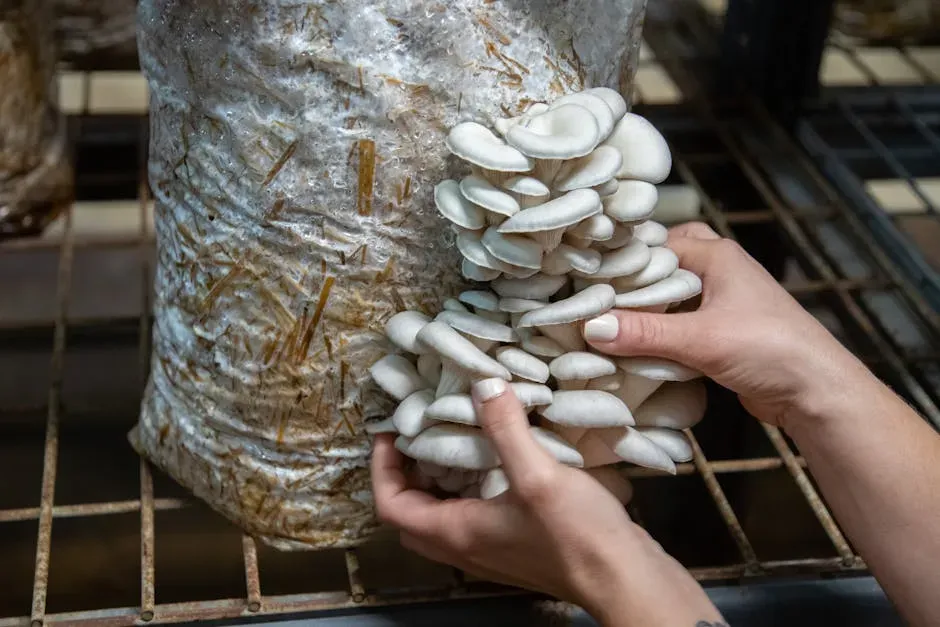
Mushrooms ignore sunlight entirely, growing indoors on organic waste like straw or wood chips abundant post-disaster. Oyster varieties fruit in weeks, cycling food production nonstop. High protein and B vitamins mimic meat in survival rations. Sterile jars or bags start farms in any shelter, no fields needed. Yields explode vertically, stacking shelves for urban refugees. They break down toxins in contaminated substrates, cleaning as they feed. Fresh or dried, they store compactly for trade.
Nuclear winter’s 70 percent light block means nothing to these fungi, thriving in dark dampness. Temperatures from 1 to 10 degrees cooler suit many strains perfectly. Recent research pegs them for 50 percent food deficit scenarios. Scale up with manure from livestock holdouts. In asteroid winters, basements become mushroom mills. Harvests every two weeks sustain groups indefinitely. Their mycelium networks even remediate radiation-laced soil over time.