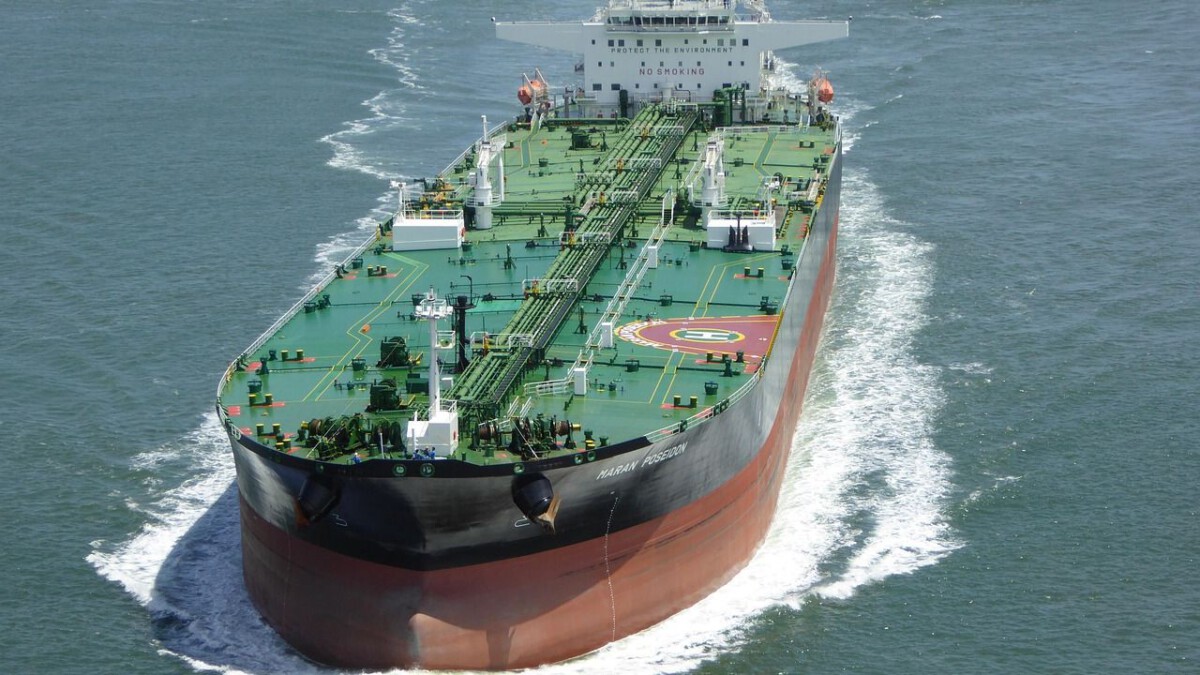
Ship Seizures Heighten Supply Risks (Image Credits: Pixabay)
Strait of Hormuz — Oil markets remained tense on Thursday as stalled peace negotiations between the United States and Iran prolonged disruptions in this vital shipping chokepoint. Brent crude futures climbed above $102 per barrel early in the session, reflecting persistent supply worries after Iran seized two vessels in the strait the previous day.[1][2] The waterway, which handled nearly 20 percent of global oil flows before the conflict erupted in late February, continues to face restrictions from both sides, keeping traders on edge.
Ship Seizures Heighten Supply Risks
Iran tightened its grip on the Strait of Hormuz by capturing two transiting ships on Wednesday, a move that underscored the fragility of the current truce. United States naval forces responded by intercepting at least three Iranian-flagged tankers farther afield in Asian waters near India, Malaysia, and Sri Lanka, redirecting them to avert potential sanctions violations.[3] These actions came despite President Donald Trump extending a ceasefire at the urging of Pakistani mediators, with no fixed expiration announced.
The strait had served as a conduit for about 20 percent of the world’s daily oil and liquefied natural gas supplies until U.S. and Israeli strikes on Iran ignited the war at the end of February. Shipping firms now hesitate to navigate the area, leading to rerouted voyages and elevated insurance costs. Analysts noted that such incidents signal little willingness to de-escalate, even as both nations pulled back from more aggressive threats like airstrikes on infrastructure.[4]
Diplomatic Efforts Show No Traction
Negotiations faltered as Iranian parliament speaker Mohammad Baqer Qalibaf insisted that a complete ceasefire required the U.S. to lift its naval blockade on Iranian sea trade. Tehran views the restrictions as a non-starter for broader talks, while Washington demands full reopening of the strait before advancing discussions.[1] White House press secretary Karoline Leavitt confirmed the ceasefire’s open-ended nature but offered no timeline for resolution.
Pakistani intermediaries had brokered the initial pause earlier in the week, yet mutual distrust persists. Trump retreated from earlier warnings of bombing Iranian power plants and bridges, but the blockade remains firmly in place. Observers described the standoff as a delicate balance, where partial measures sustain calm without addressing core grievances.
Mixed US Data Influences Trading
Benchmarks surged more than $3 apiece on Wednesday, propelled by unexpected draws in U.S. gasoline and distillate inventories that eased some demand concerns. Yet crude stocks unexpectedly built by 1.9 million barrels last week, against forecasts for a 1.2 million-barrel decline, tempering the rally.[3] Gasoline inventories plunged 4.6 million barrels, far exceeding the anticipated 1.5 million drop, while distillates fell 3.4 million barrels versus an expected 2.5 million.
| Product | Actual Change (million barrels) | Expected Change (million barrels) |
|---|---|---|
| Crude | +1.9 | -1.2 |
| Gasoline | -4.6 | -1.5 |
| Distillates | -3.4 | -2.5 |
Meanwhile, U.S. exports of crude and petroleum products reached a record 12.88 million barrels per day, up 137,000 barrels from prior levels, as Asian and European buyers sought alternatives amid the Persian Gulf turmoil.[4]
Broader Market Ripples Emerge
Brent crude settled above $100 for the first time in over two weeks on Wednesday before edging toward $102–$103 in early Thursday trading, with West Texas Intermediate following suit around $93–$94.[2] ING analysts observed that markets now recalibrate for prolonged uncertainty, with fading optimism over a swift Persian Gulf resolution.
- Shipping delays accumulate as over 34,000 vessels reroute since disruptions began.
- Global LNG flows face similar bottlenecks, affecting power generation in import-dependent nations.
- Insurance premiums for Gulf transits have doubled, deterring non-essential cargo.
- U.S. producers ramp output to fill gaps, boosting export records.
- Asian refiners pivot to alternative suppliers like Russia and the Americas.
Key Takeaways:
- Hormuz disruptions threaten 20% of global oil supply, with recent seizures signaling escalation risks.
- US-Iran ceasefire lacks permanence, as blockade and restrictions endure.
- Robust U.S. exports mitigate shortages, but volatility persists without diplomatic progress.
The ongoing saga in the Strait of Hormuz underscores how geopolitical flashpoints can swiftly reshape energy markets, with prices poised for further swings absent a durable accord. Traders eye potential Friday talks, though skepticism abounds. What implications do these tensions hold for your fuel costs or investments? Share your thoughts in the comments.