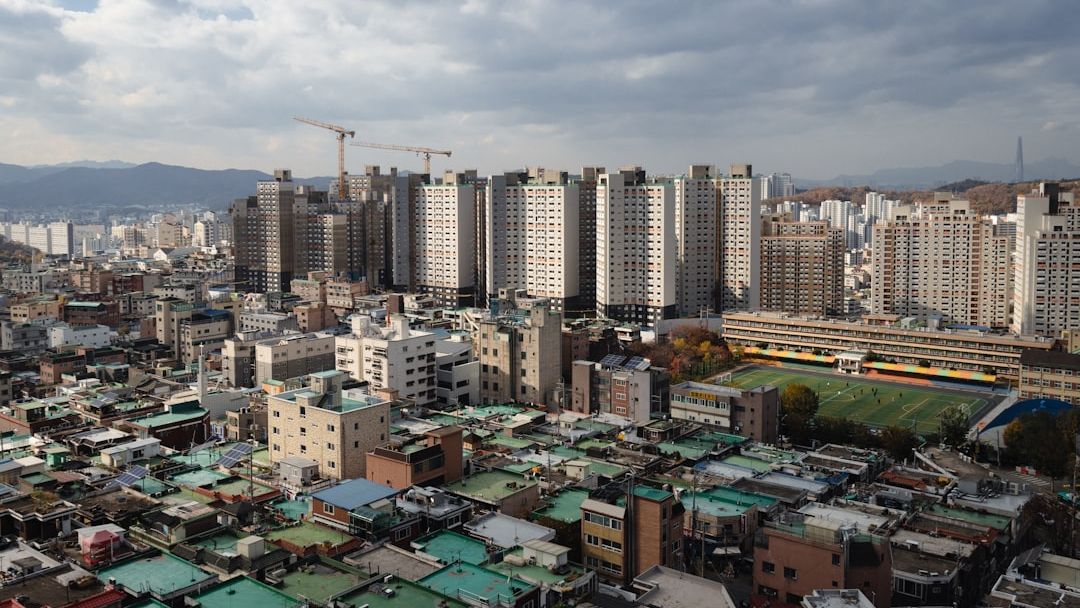
Semiconductor Exports Fuel Unexpected Strength (Image Credits: Unsplash)
Seoul – South Korea’s economy posted a strong rebound in the first quarter of 2026, with gross domestic product expanding 1.7 percent quarter-on-quarter on a seasonally adjusted basis.[1][2] This marked a sharp turnaround from the 0.2 percent contraction in the previous quarter and surpassed market forecasts of around 1.0 percent growth.[3] The performance stemmed largely from robust semiconductor exports amid global AI demand, though uneven sector gains underscored persistent challenges for policymakers.
Semiconductor Exports Fuel Unexpected Strength
The headline figure reflected a powerful lift from net exports, which contributed 1.1 percentage points to overall growth.[1] Semiconductor shipments soared, with early April data showing chip exports up nearly 182 percent year-on-year.[1] Two leading chipmakers reported combined first-quarter revenues approaching $100 billion, highlighting the sector’s dominance in pulling the economy forward.
Domestic demand added 0.6 percentage points, supported by gains in facility investment at 4.8 percent and construction activity up 2.8 percent. Private consumption edged higher by 0.5 percent. However, inventories subtracted 0.4 percentage points, signaling adjustments amid supply strains.
| Component | Q1 2026 Growth | Contribution (ppt) |
|---|---|---|
| Net Exports | – | +1.1 |
| Private Consumption | +0.5% | – |
| Construction | +2.8% | – |
| Facility Investment | +4.8% | – |
| Inventories | – | -0.4 |
K-Shaped Patterns Emerge in Sector Divide
While technology sectors thrived, broader weaknesses pointed to a K-shaped recovery, where high performers diverge sharply from laggards. Bank of Korea Governor Rhee Chang-yong had earlier cautioned that such polarization risked disconnecting headline growth from public sentiment.[4] Consumer confidence plunged to 99.2 in April, below the neutral 100 mark, from 107 previously.[1]
Non-tech industries faced headwinds, including energy disruptions from Middle East tensions that hit petrochemicals and manufacturing. Naphtha cracking centers operated at historic lows, prompting production cuts and inventory drawdowns. The government responded with a temporary export ban on naphtha to preserve supplies.
- Tech exports boomed on AI and chip demand.
- Construction showed resilience despite prior slumps.
- Household spending remained subdued amid high sentiment risks.
- SMEs and lower-income groups bore the brunt of energy shocks.
- Global trade uncertainties lingered from U.S. tariffs.
Central Bank Navigates Inflation and Growth Tensions
The Bank of Korea confronted a tricky landscape as the surge raised growth prospects but stoked inflation pressures. Inflation expectations climbed to 2.9 percent from 2.7 percent, driven by energy pipeline costs and “chipflation” in electronics pricing.[1] Consumer prices likely rose at least 0.7 percent month-on-month in April.
Officials projected 1.8 percent GDP growth for the full year earlier, but analysts now see upside potential amid export momentum. Still, K-shaped dynamics limited policy flexibility, with monetary tightening eyed to anchor prices if overheating emerged. Rate hikes appeared likely in the second half should growth exceed potential.
Fiscal Measures Bolster Outlook Amid Risks
Government actions complemented monetary efforts, including a supplementary budget equivalent to 1 percent of GDP. Cash vouchers worth up to $400 targeted 70 percent of the population starting late April, alongside subsidies for small businesses and alternative energy imports.[1] These steps aimed to cushion vulnerable sectors from oil disruptions.
Forecasts for 2026 improved, with one major bank lifting its estimate to 2.8 percent from 2.0 percent, citing fiscal support and resilient chips. A second-quarter slowdown remained probable, however, if energy issues persisted and dented manufacturing.
Key Takeaways
- Q1 GDP beat expectations at 1.7 percent QoQ, led by semiconductors.
- K-shaped recovery widens gaps between tech winners and others.
- Bank of Korea eyes rate hikes amid rising inflation risks.
South Korea’s first-quarter momentum offers hope, yet the K-shaped divide demands targeted policies to ensure broad-based gains. How can leaders balance export strength with domestic equity? Tell us in the comments.