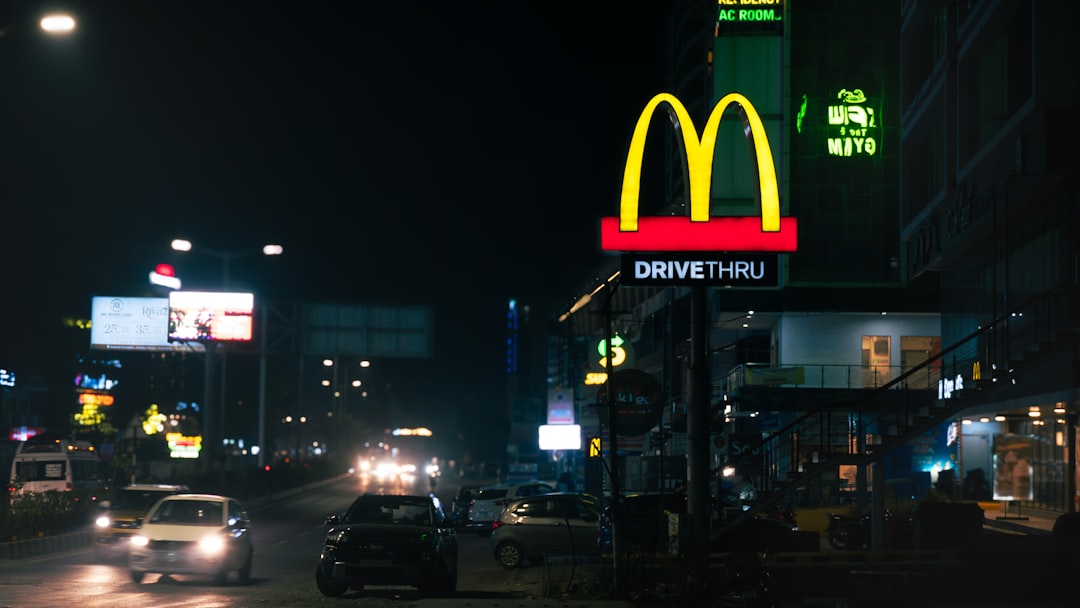

Drive-thrus have long defined the fast food experience, handling the bulk of orders during peak pandemic years. Yet recent shifts show chains leaning harder into apps, kiosks, and AI to streamline service and cut costs. While traffic has softened, digital tools promise to reshape how customers grab their meals on the go.
Sales data reveals drive-thrus still dominate, accounting for about two thirds of fast food revenue even as overall visits dip.[1] Chains face value-conscious diners pulling back amid inflation, prompting a pivot toward tech-driven efficiency. This evolution blends old habits with new conveniences rather than outright replacement.
Drive-Thru Traffic Faces Headwinds
Fast food visits declined sharply in 2024 and 2025, with lower-income consumers cutting back by double digits according to McDonald’s CEO comments.[2] Chains like Wendy’s reported U.S. same-store sales down nearly 5 percent in late 2025.[3] Economic pressures have diners rethinking impulse buys at the window.
Still, drive-thrus remain vital, representing 65 percent of sales despite the slowdown from pandemic highs of 83 percent.[1] Operators note softer traffic but no mass abandonment, focusing instead on speed improvements.
Kiosks Gain Traction in Stores
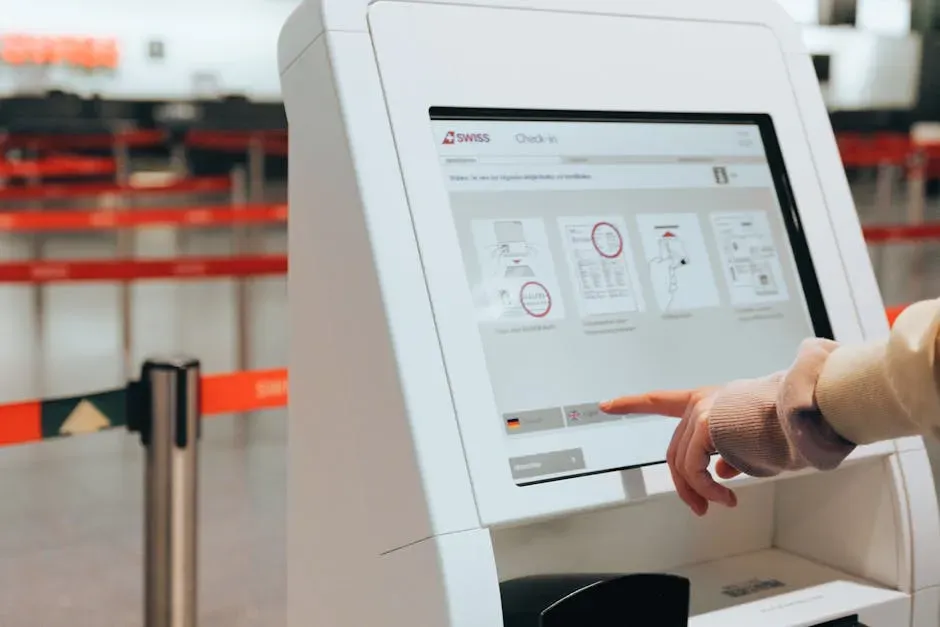
Self-service kiosks are exploding, with the market projected to hit 28 billion dollars by 2031 growing at nearly 12 percent annually.[4] About 61 percent of users now prefer them over counter staff, up from prior years.[5] They boost order values through upsell prompts.
Fast food leaders install them to handle labor shortages and speed up lines. Kiosks cut wait times and errors, appealing to tech-savvy crowds. Expect wider rollout as costs drop.
Apps Fuel Loyalty and Deals
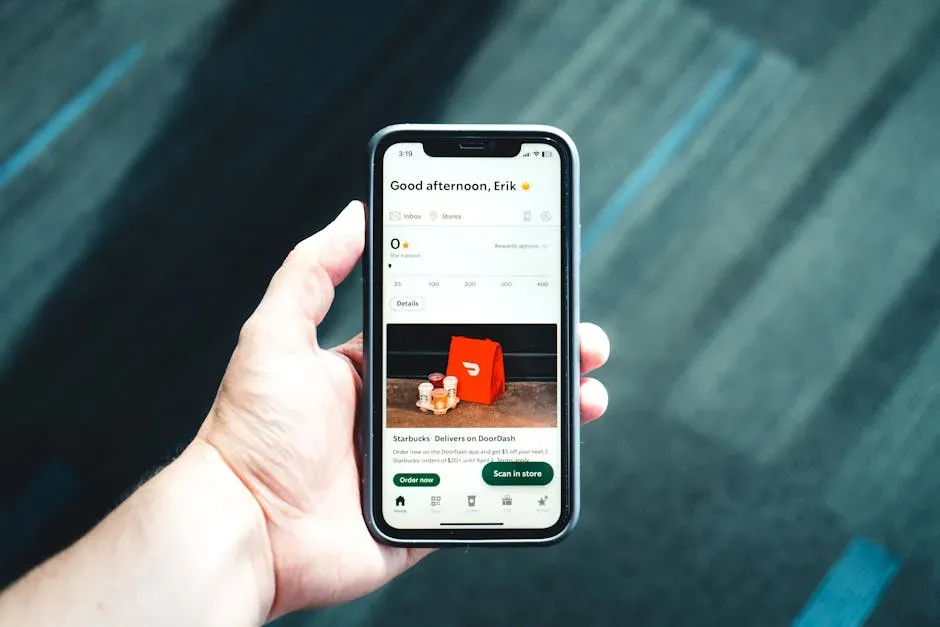
Mobile ordering apps now drive significant revenue, with chains pushing exclusive discounts to app users. Delivery and pickup options surged 25 percent from early 2024 to mid-2025.[6] Customers skip lines entirely via “ready on arrival” features.
Every major chain offers app perks, reshaping habits around digital convenience. This shift captures younger diners who prioritize speed and savings. Revenue from these channels grows steadily amid broader slowdowns.
AI Enters the Drive-Thru

McDonald’s plans AI-powered ordering in drive-thrus by 2026, partnering with Google Cloud for quick responses under 100 milliseconds.[7] Wendy’s FreshAI and Taco Bell tests aim to slash errors and waits. Bojangles rolled out full AI drive-thrus nationwide.
These tools track vehicles pre-order and suggest items based on past buys. Accuracy improves over human takers in trials. Chains invest here to maintain drive-thru dominance without extra staff.
Closures Hit Underperformers
Wendy’s will shutter over 300 locations by mid-2026 as part of a refresh, targeting low-traffic sites.[8] Niche player Amy’s Drive-Thru closed its final spot, ending a decade run.[9] Broader industry shakeout stems from sales slumps.
These moves prune weak drive-thru heavy stores amid value wars. Operators prioritize digital-equipped remodels. No widespread ditching, just strategic pruning.
McDonald’s Leads Drive-Thru Upgrades
The chain eyes revamping 27,000 drive-thrus with multi-lanes and conveyor belts to lockers.[10] Vision AI times orders for pickup readiness. This blends nostalgia with tech for faster service.
New formats shrink dine-in space for bigger windows. Efficiency gains target persistent queues. McDonald’s bets big on evolving the core model.
Digital Boosts Ticket Sizes

Kiosks and apps lift averages 20 to 30 percent via smart upsells.[11] Diners add extras without pressure. This offsets traffic dips.
Freestanding drive-thru units posted median sales near 9 million dollars in 2024.[6] Digital layers amplify revenue per visit. Chains chase these gains aggressively.
Gen Z Shifts to Mobile
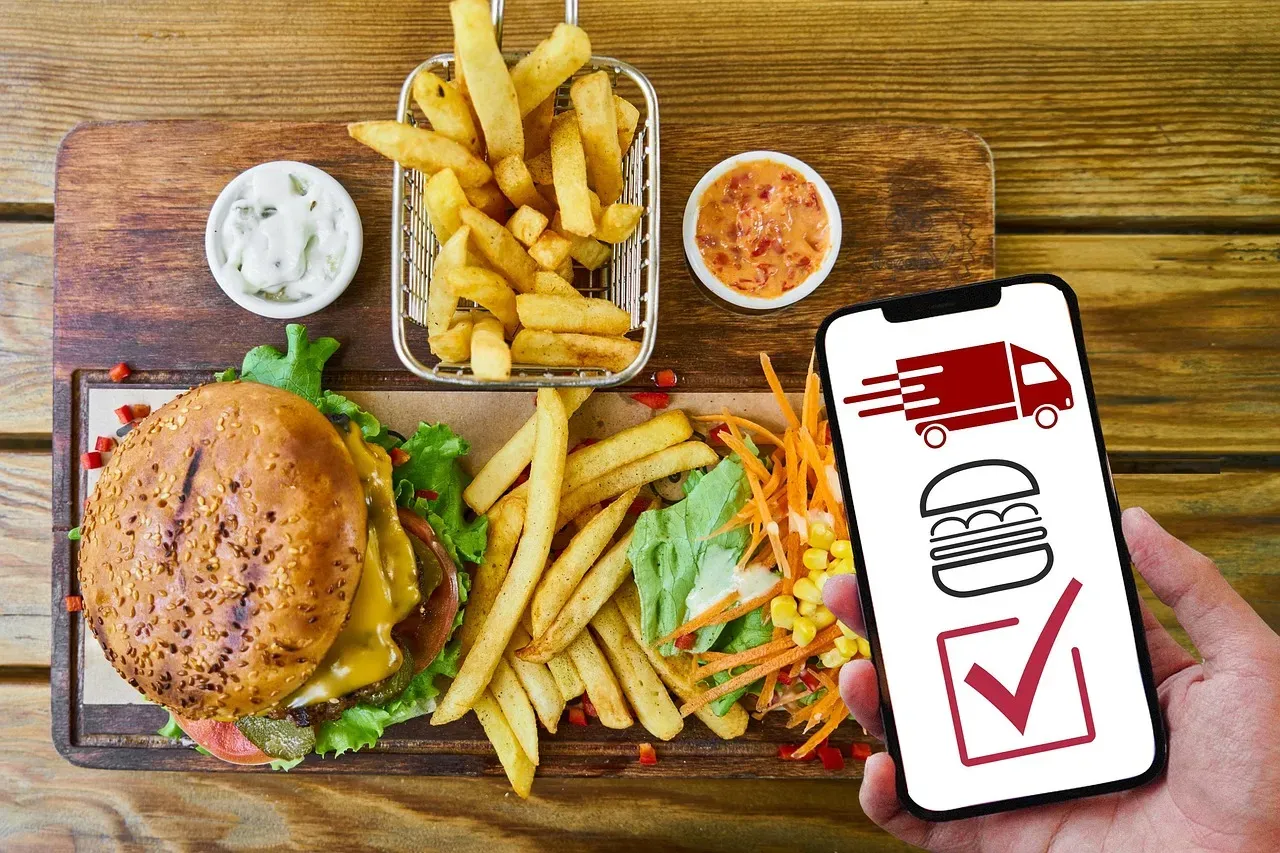
Younger crowds favor apps over windows, driving QSR frequency into 2026.[12] Health trends and saturation slow traditional growth.[13] Convenience wins via phones.
Online delivery markets expand at almost 8 percent yearly.[14] This pulls orders from physical lines. Future menus tailor to digital natives.
Labor Crunch Fuels Automation
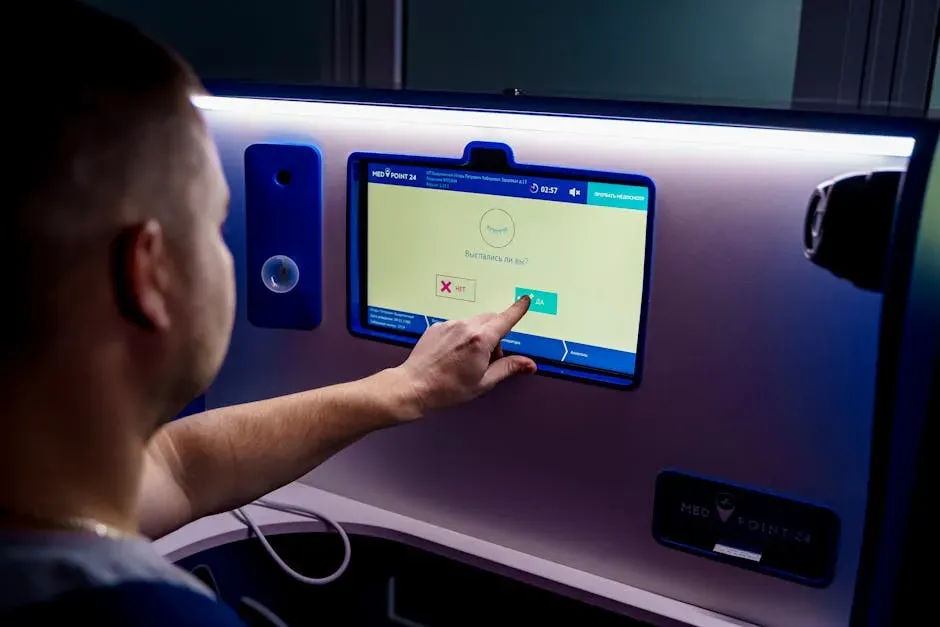
Staffing woes push kiosks and AI adoption. About 76 percent of spots cut waits with self-service.[15] Costs drop as tech handles peaks.
Friendly scores for kiosks dipped slightly in 2025, but usage climbs.[16] Operators modernize to compete. Human roles shift to fulfillment.
Hybrid Future Takes Shape
Drive-thrus endure with digital overlays, not obsolescence. Taco Bell leads speed at 257 seconds average.[17] Chains like Panera expand lanes alongside kiosks.[18]
Expect blended models where apps feed windows seamlessly. Value seekers test boundaries, but convenience rules. Fast food adapts quietly to stay relevant.