
Buying a new smartphone often starts with excitement over sleek designs and flashy ads. Yet many owners soon face everyday frustrations that dim the thrill. Recent surveys highlight patterns in what goes wrong after the purchase.[1][2]
Practical needs like endurance and capacity top buyer concerns in 2026. People keep phones longer now, stretching upgrades amid rising prices. Understanding these pitfalls helps avoid post-buy letdowns.
1. Battery Life Falls Short of Expectations
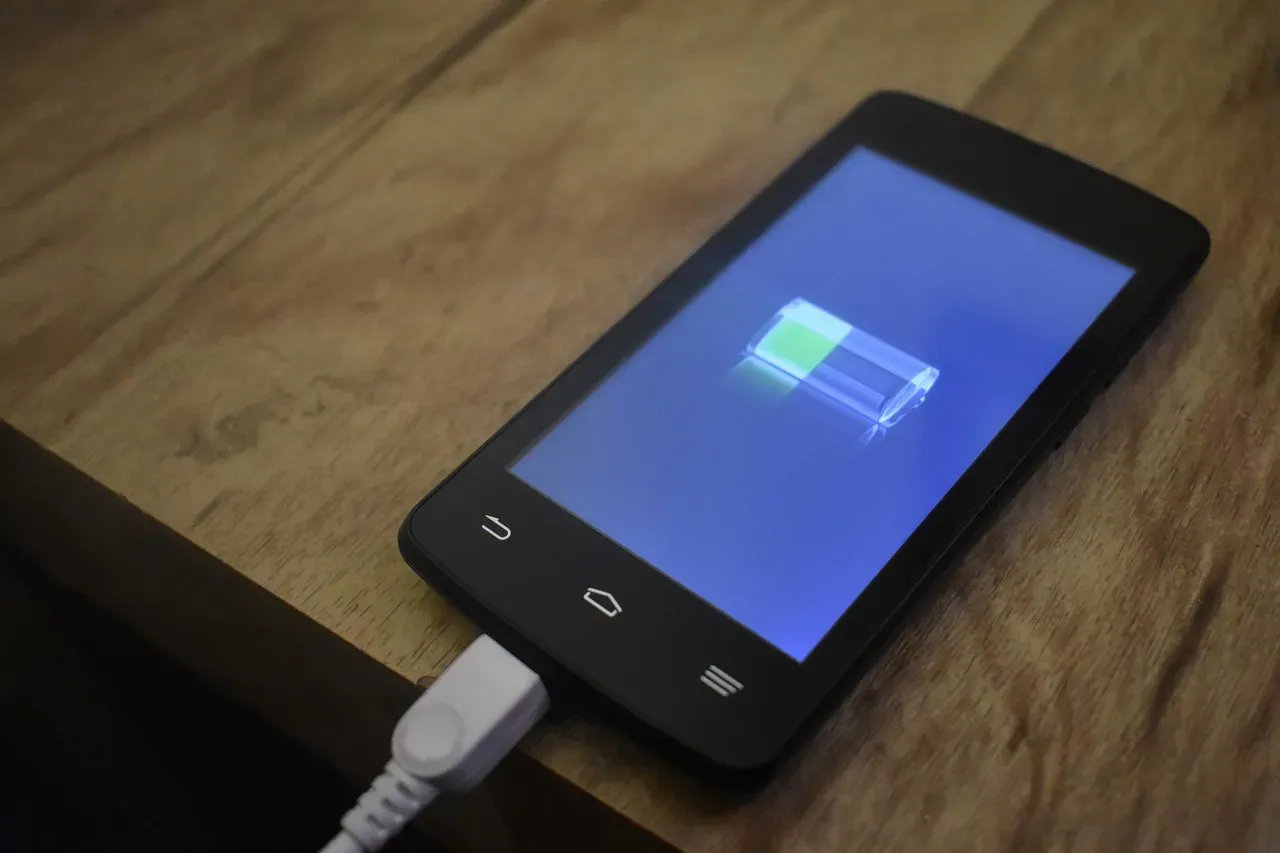
Battery issues top the list of smartphone complaints, affecting nearly three in ten owners within six years. Surveys show battery endurance now ranks as the primary purchase driver, surpassing even price for many buyers. When real-world use drains power faster than promised, daily routines suffer.[2][1]
Owners report heavy apps and background tasks accelerating wear. Checking independent tests before buying reveals true stamina under load. Opting for models with proven long-term battery health prevents this frequent regret.
2. Insufficient Storage Capacity
Storage remains a steady priority in buying decisions, yet skimping here leads to quick frustration. Users fill space with photos, apps, and videos faster than anticipated, forcing constant deletions or cloud reliance. Recent data confirms it as a key factor unchanged amid shifting trends.[1]
Higher base storage costs more upfront but saves hassle later. Expandable options dwindle in modern flagships, so plan for needs like 4K media or gaming. This oversight turns excitement into annoyance for many.
3. Camera Quality Disappoints in Practice

Camera hype draws buyers, with its ranking climbing in recent priorities. Yet megapixel counts mislead, as sensor size and software matter more for low-light or video. Real use reveals inconsistencies that specs overlook.[1]
Sample shots from varied conditions help gauge performance. Everyday snaps often fall short of marketing polish. Prioritizing versatile systems avoids capturing subpar memories.
4. Paying Too Much for Marginal Gains
Price once led decisions but now trails battery life amid economic pressures and longer ownership. Flagship costs soar in 2026, yet innovations like AI sway few at just 17 percent influence. Buyers regret splurging when core features plateau.[1][3]
Most hold phones two to three years or longer, per polls nearing 2,000 responses. Mid-range options often match daily needs at lower cost. Weighing value over novelty curbs this costly hindsight.
Smartphone regrets often stem from mismatched priorities and unchecked hype. Surveys underscore battery, storage, cameras, and value as flashpoints. Taking time to match features to habits leads to lasting satisfaction rather than swift second thoughts.