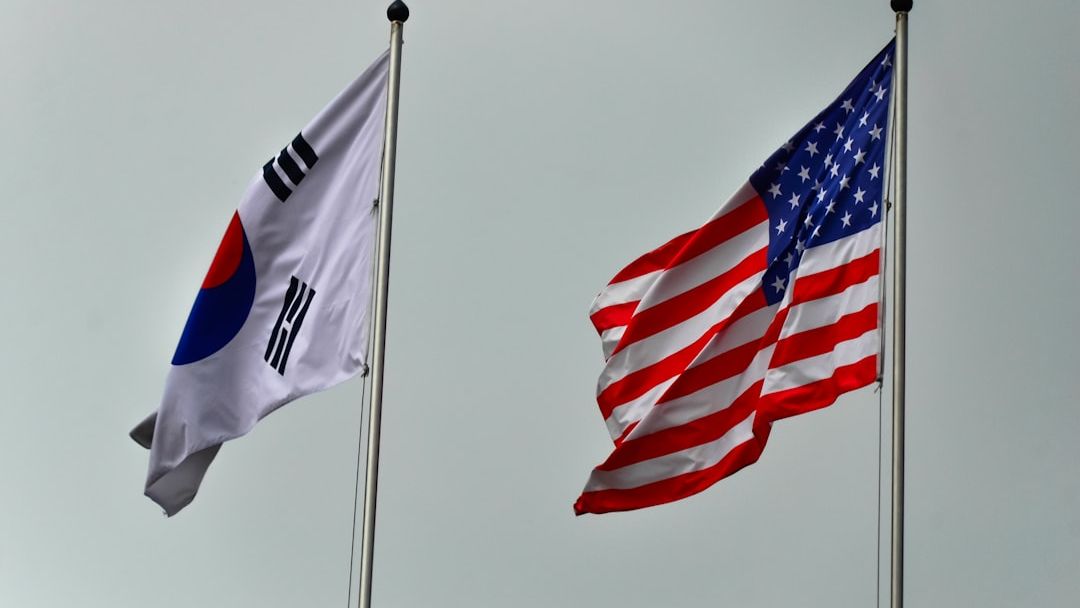
Coupang Faces Intense Scrutiny Over Data Leak (Image Credits: Unsplash)
Seoul – A high-profile investigation into a massive data breach at U.S.-listed e-commerce giant Coupang has introduced rare friction into the longstanding U.S.-South Korea alliance, prompting Seoul to emphasize that bilateral security ties remain solid.[1][2] National security adviser Wi Sung-lac acknowledged the strains on Thursday but described them as manageable differences in a close partnership, amid concerns that the dispute could delay critical defense discussions. The episode underscores how corporate regulatory actions can intersect with geopolitical priorities, especially as both nations navigate North Korea threats and advanced military cooperation.
Coupang Faces Intense Scrutiny Over Data Leak
South Korean authorities launched a probe into Coupang following a significant data breach that exposed personal information belonging to more than 33 million users.[2] The incident drew widespread public anger and legislative attention, leading regulators to examine potential negligence and compliance failures at the company, which dominates online retail in the country.
Coupang, founded by Korean-American entrepreneur Kim Bom and listed on U.S. exchanges, operates primarily in South Korea but has drawn Washington’s protective gaze.[3] Officials imposed measures including a travel restriction on Chairman Kim Bom, prompting U.S. concerns about fair treatment. Seoul maintained that all investigations proceed under domestic laws and due process, without regard to corporate nationality.
U.S. Congress Weighs In with Strong Rebuke
More than 50 Republican members of the U.S. House of Representatives fired off a letter to South Korea’s ambassador in Washington, accusing Seoul of launching a “targeted assault” on American businesses through discriminatory regulations.[2] They singled out Coupang, dismissing the data breach as a “low-sensitivity” matter exploited as pretext for regulatory pressure.
The lawmakers, organized under the Republican Study Committee, urged immediate cessation of such practices, warning they could inadvertently bolster Chinese competitors in the market. Their intervention highlighted perceptions in Washington that South Korea had strayed from prior pledges to shield U.S. digital firms from undue barriers, as outlined in a joint fact sheet from leaders’ summits.[2]
Security Negotiations Stall Amid Escalating Demands
Negotiations on key security matters, including South Korea’s ambitions for nuclear-powered submarines and intelligence-sharing protocols, have stalled for months partly due to the Coupang fallout.[3] U.S. negotiators reportedly conditioned progress on legal assurances for Kim Bom’s safety, such as lifting his travel ban and preventing arrest during visits.
Wi Sung-lac confirmed the dispute’s impact during remarks in Hanoi, noting delays but insisting talks should resume promptly and independently of legal proceedings.[1] He likened the alliance to a garden requiring diligent care, rejecting notions of deep-seated crisis. Separate tensions arose from U.S. suspicions that South Korean Unification Minister Chung Dong-young disclosed sensitive details on a North Korean uranium-enrichment site at Kusong, though Seoul attributed his comments to open-source information.
What Matters Now: Seoul continues close consultations with Washington to insulate defense priorities from commercial disputes, prioritizing swift resumption of high-level security dialogues.
Seoul Counters with Pledge Reaffirmation
South Korea’s Foreign Ministry responded decisively to the congressional letter, affirming full adherence to non-discrimination commitments toward U.S. digital companies, explicitly including Coupang.[2] Investigations, it stressed, follow standard procedures applicable to all firms.
Earlier statements urged decoupling the probe from alliance frameworks, with officials vowing to communicate positions directly to U.S. counterparts.[3] This approach reflects Seoul’s determination to safeguard regulatory sovereignty while nurturing the partnership that underpins regional stability, including the stationing of 28,500 U.S. troops.
The ministry reiterated that security implementations from the November joint fact sheet – covering advanced defense technologies – remain a priority unaffected by corporate issues.
Navigating Broader Bilateral Challenges
Recent months have seen additional frictions, from tariff disputes to concerns over U.S. tech firms’ treatment and the temporary relocation of THAAD missile defense components, though commanders clarified no full withdrawal occurred.[3] These layers compound the Coupang matter but have not derailed core cooperation against North Korean provocations.
Wi emphasized that differing views in such a tight alliance demand coordination rather than alarm. As both sides engage through diplomatic channels, the focus stays on resolving specifics without compromising the mutual defense foundation forged over decades.
In the end, the Coupang episode tests the resilience of U.S.-South Korea ties, revealing how economic interdependencies can amplify security sensitivities. Yet Seoul’s measured handling signals confidence in steering through the turbulence toward renewed alignment.