

What Exactly Are the Sunday Scaries?

Sunday scaries hit when the weekend winds down and Monday looms large. Most working adults know that sinking feeling all too well. Surveys reveal that around 70 to 80 percent of them deal with this anxiety regularly. It creeps in as dread about the week ahead. People start replaying work emails in their heads. They worry about unfinished tasks or tough meetings. This pattern shows up every weekend for many. The term captures that universal unease perfectly.
The scaries often feel physical too, like a knot in the stomach. Thoughts race about deadlines and bosses. Friends describe it as the fun ending too soon. It disrupts relaxation completely. Some even lose appetite for dinner. Others pace around the house aimlessly. Recognizing it helps folks realize they’re not alone. That shared experience eases the burden a bit.
The 4 PM Peak: When Anxiety Kicks In

Late afternoon on Sundays marks the worst time for most. Reports pinpoint 4 to 6 PM as the peak window. That’s when the day feels half over already. Weekend plans wrap up fast. Minds shift to work mode unwillingly. The clock ticks louder somehow. Evening chores pile on top. Reality sets in hard around then.
By 4 PM, freedom slips away noticeably. People glance at calendars more often. Texts from colleagues might buzz in. The couch loses its appeal suddenly. Tomorrow’s outfit gets picked out early. Sleep worries start brewing too. That specific hour amplifies everything. It turns a chill day upside down quick.
Shocking Stats on Who Feels It Most

Around 70 to 80 percent of working adults report this weekly hit. Over 60 percent link it straight to job overload. Many say upcoming tasks overwhelm them. Job dissatisfaction ramps it up further. Disengaged workers suffer more intensely. Remote setups blur lines even worse. These numbers come from recent surveys up to 2025. They paint a clear picture of widespread struggle.
Sleep issues follow close behind for sufferers. Sunday nights bring tossing and turning often. Monday fears keep eyes wide open. Fatigue builds from there weekly. Productivity dips as a result. Burnout risks climb higher too. The data underscores real impacts. No one escapes unscathed in this group.
Anticipatory Anxiety: The Psychology Behind It

Anticipatory anxiety drives the scaries core. It’s worry about future events before they happen. Psychologists tie it to generalized stress patterns. Minds fixate on what might go wrong. This ramps up tension unnecessarily. The brain rehearses disasters endlessly. It tricks you into feeling stress now. That cycle feeds itself relentlessly.
Such anxiety links to broader disorders sometimes. It flares with work pressures especially. Sunday acts as a trigger point reliably. Thoughts spiral without brakes. Physical symptoms join in quick. Heart rates pick up subtly. Breathing feels shallow too. Breaking the loop takes conscious effort.
Workplace Stress: The Biggest Trigger

Job demands fuel most Sunday dread. Over 60 percent feel swamped by weekly duties. Responsibilities stack up mentally. Emails unread from Friday nag away. Meetings scheduled early haunt thoughts. Performance fears add layers. Poor balance makes weekends incomplete. Work never fully leaves the mind.
High dissatisfaction correlates strongly here. Unhappy roles breed more anxiety. Employees check inboxes compulsively. Weekends shorten in feeling. Monday prep starts too soon. Overwhelm builds invisibly. Patterns repeat without change. Stress patterns root deep in daily grind.
How Remote Work Worsens the Scaries

Hybrid and remote models blur boundaries badly. Work spills into personal hours easily. Weekends lose clear separation now. Laptops stay open nearby always. Notifications ping without mercy. Disconnecting proves harder daily. Mental carryover hits Sundays hard. Home feels less like sanctuary.
Many report constant overlap issues. Boundaries fade in flexible setups. Thoughts linger on projects late. Weekends recharge less effectively. Anxiety peaks without full breaks. Patterns shifted post-pandemic clear. Home offices invade rest time. Recovery suffers as a result.
Sunday Night Sleep Struggles Tied to Anxiety

Anxiety disrupts sleep right before Monday. Many toss for hours on end. Research shows this pattern widespread. Racing minds block shut-eye. Clocks mock the struggle hourly. Fatigue sets up rough starts. Cycles worsen over time steadily. Rest becomes elusive weekly.
Worries about the alarm amplify it. Bodies tense up unnecessarily. Dreams turn work-themed often. Mornings drag from exhaustion. Productivity tanks early week. Health effects compound quietly. Breaking insomnia links helps hugely. Routines can reset this trap.
Practical Ways to Tame the Scaries
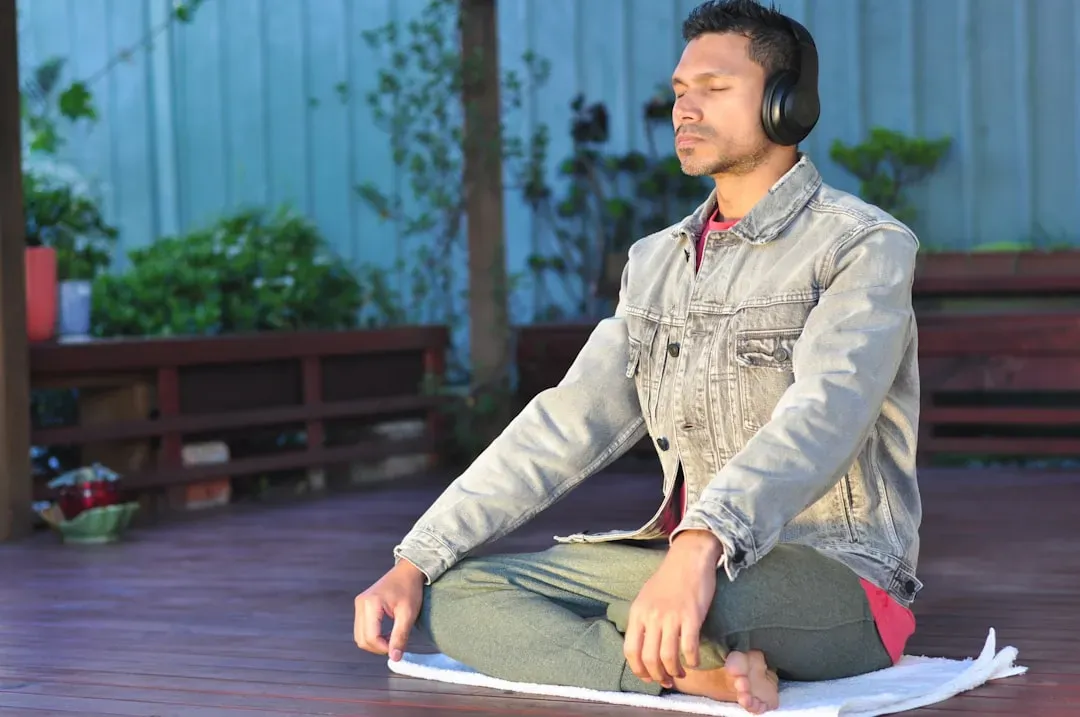
Structured routines cut anticipatory stress sharp. Plan Monday lightly on Saturday instead. Experts recommend relaxation slots daily. Evening walks clear heads fast. Journaling unloads mental weight. Disconnect phones fully after noon. Hobbies fill time positively. These steps build resilience over weeks.
Mindfulness practices ground you quick. Deep breaths interrupt spirals effectively. Light exercise tires the body right. Healthy dinners aid sleep onset. Bedtimes stick firm regardless. Visualizing calm Mondays works wonders. Consistency turns dread into calm. Small changes yield big relief long-term.