
The Appalachians’ Biodiversity Magnet
Stretching more than 1,500 miles across the eastern United States, the Appalachian Mountains host one of the world’s richest temperate biodiversity zones. Varied microclimates from valleys to peaks create pockets of habitat that suit countless species. Black bears roam dense forests, while streams teem with salamanders. This region supports the highest salamander diversity globally, with dozens of species adapted to moist, cool environments. Migratory birds use these ridges as key stopovers during their journeys. Forest cover remains extensive, offering shelter amid widespread habitat loss elsewhere. Scientists note these features draw wildlife seeking stability.
Recent observations show animals clustering in these mountains more than before. Elevation changes allow quick access to cooler spots without long treks. The continuous forest systems connect ecosystems seamlessly. Genetic diversity thrives here through natural corridors. Over time, this setup has buffered species from past climate swings. Now, with pressures mounting, the Appalachians stand out as a haven. Researchers track influxes to understand long-term patterns.
Warming Pushes Species Northward
Average temperatures in the eastern U.S. have climbed over 1 degree Celsius since the early 1900s, accelerating in recent decades. Many North American species now shift ranges northward by 11 to 17 kilometers per decade on average. Birds show even faster movement, with peak abundances relocating about 1.5 kilometers per year. This pace outstrips older predictions, signaling urgent adaptation. Warmer conditions make southern habitats less viable for cool-loving creatures. Summers grow hotter, winters milder, squeezing traditional ranges. Wildlife heads north or upslope to find tolerable climates.
By 2025 studies confirm these trends intensify across bird populations. Summer ranges for many species moved north by roughly 0.64 degrees latitude, dodging about half the expected warming. Mammals and amphibians follow similar paths, though slower. Habitat suitability shrinks in lowlands, funneling animals toward resilient zones. The Appalachians intercept many of these migrants due to their position. Satellite data reveals clusters forming along ridges. This mass relocation demands close monitoring to predict outcomes.
Elevation Acts as a Climate Refuge
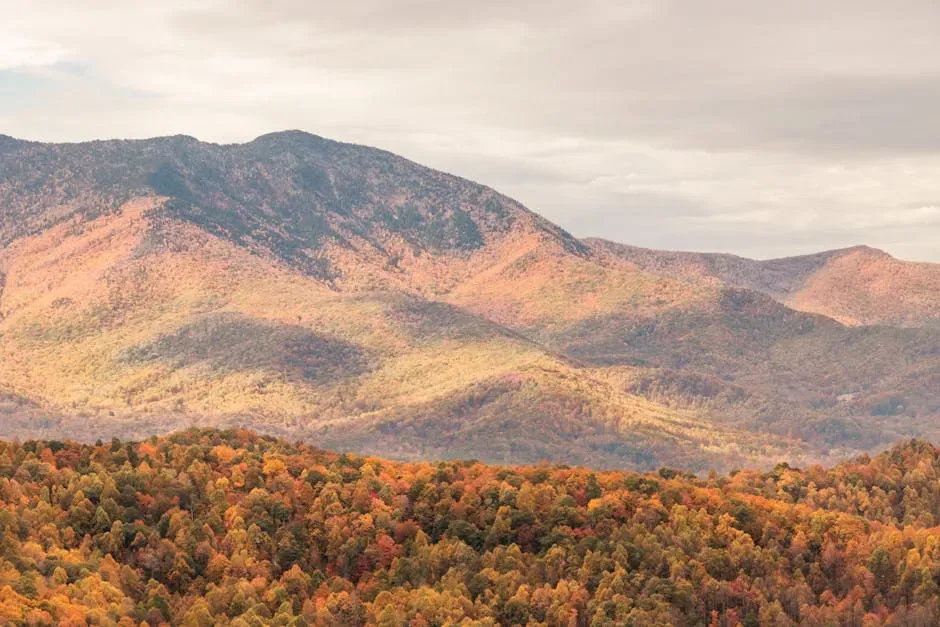
The Appalachians’ steep gradients let species climb to cooler air without traveling far. A short hike upward drops temperatures by several degrees, mimicking northern conditions. This “elevation elevator” helps during rapid warming. Plants and animals historically used mountains this way through ice ages. Today, upslope shifts match observed patterns in tracking data. Lowland heat stresses sensitive species, pushing them higher. The range’s length provides ample options across states.
Research from 2023 highlights how this setup aids forest birds amid land changes. Protected peaks cover key future ranges for many taxa. Salamanders retreat to shaded seeps at altitude. Connectivity between slopes maintains gene flow. Without barriers, movement stays fluid. Development elsewhere fragments paths, making Appalachia preferable. Scientists model these dynamics to forecast refugee capacities.
Birds Lead the Range Shifts

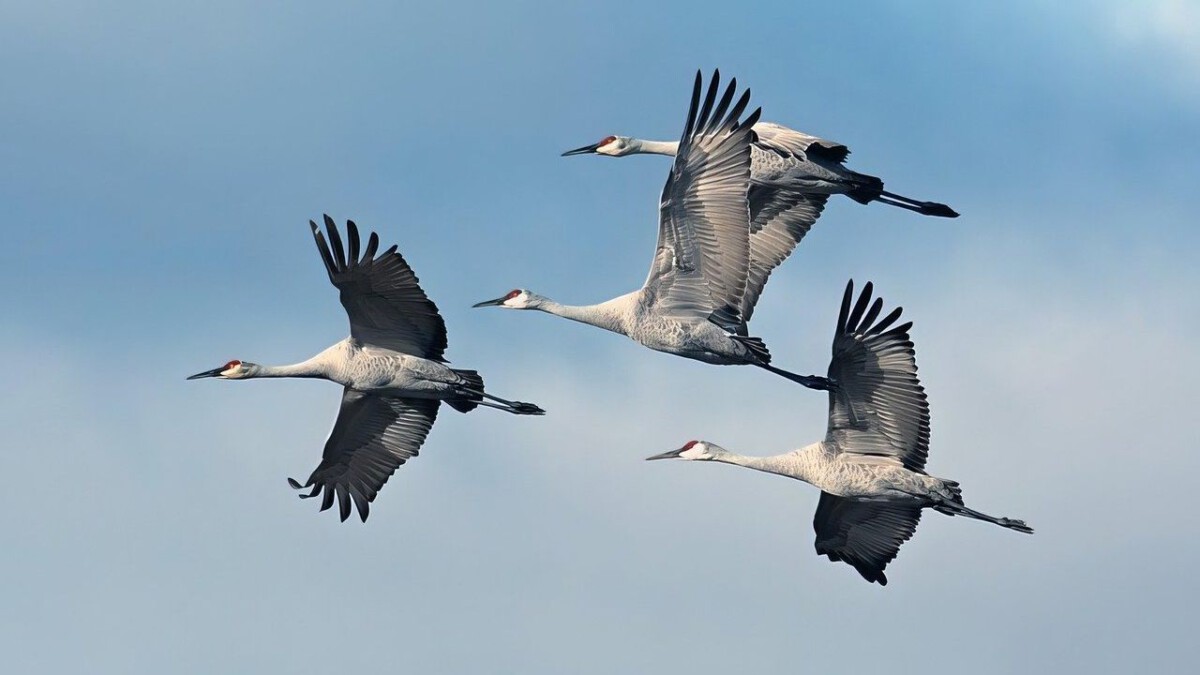
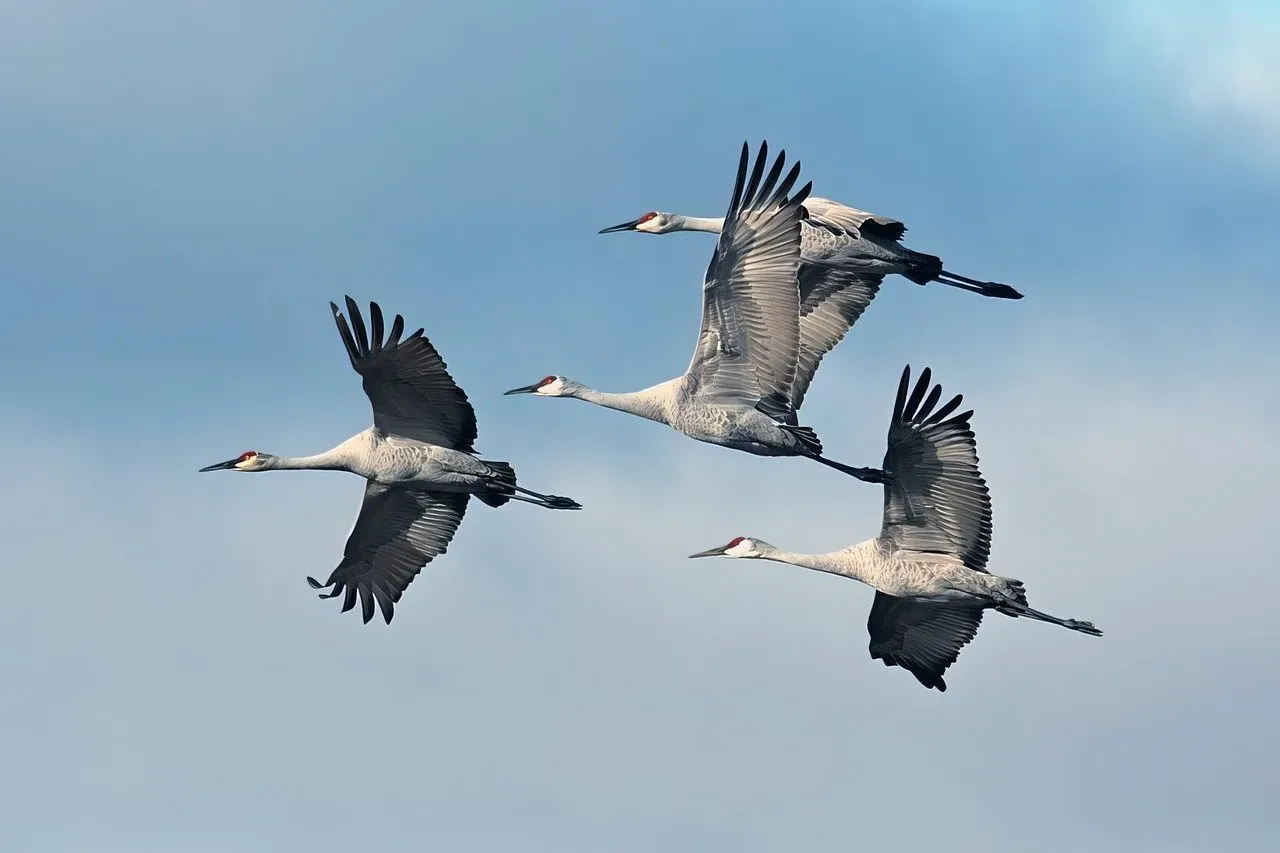
Over half of North American bird species have adjusted ranges due to climate shifts. Migratory songbirds arrive earlier, breed farther north. Appalachian forests serve as breeding grounds and corridors for nearly 100 species. Ridges guide fall migrants south starting in July. Warmer poles alter timing, concentrating birds here. Breeding success ties to cool microclimates. Recent 2025 analyses show declines where shifts lag warming.
Forest songbirds face dual threats from heat and habitat loss. Yet upslope moves offer resilience in the mountains. Half the continent’s birds lost ground, but corridor users fare better. GPS tags reveal precise routes along crests. Diversity holds steady in core areas. Conservation targets these flyways for protection. Tracking illuminates how birds pioneer broader wildlife flows.
Salamanders Thrive in Moist Forests
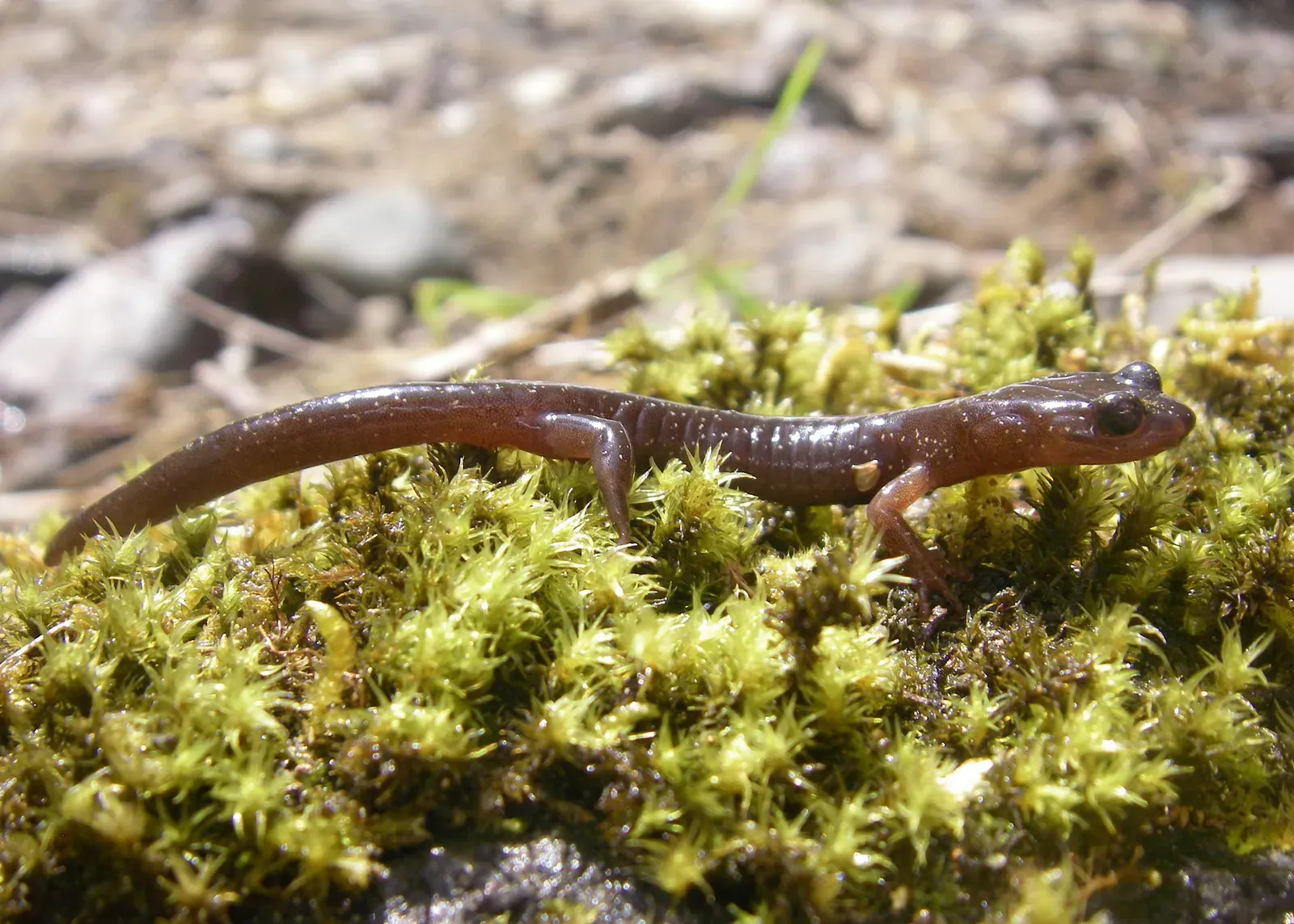
The Appalachians boast unparalleled salamander variety, with species filling every niche from trees to caves. Cool, damp woods sustain lungless types that breathe through skin. Dense canopy keeps humidity high, vital as temperatures rise. Black bears share these woods, preying on amphibians seasonally. Streams link populations across valleys. This setup supports global hotspots amid drying trends. Warming shrinks body sizes, but refuges persist higher up.
Recent field work notes stable counts in elevated forests. Diversity buffers against losses elsewhere. Moisture gradients match species needs precisely. Predators like birds control numbers naturally. Forest continuity prevents isolation. Scientists survey seeps yearly for shifts. These patterns underscore amphibians’ role as climate sentinels.
Habitat Loss Drives Relocation
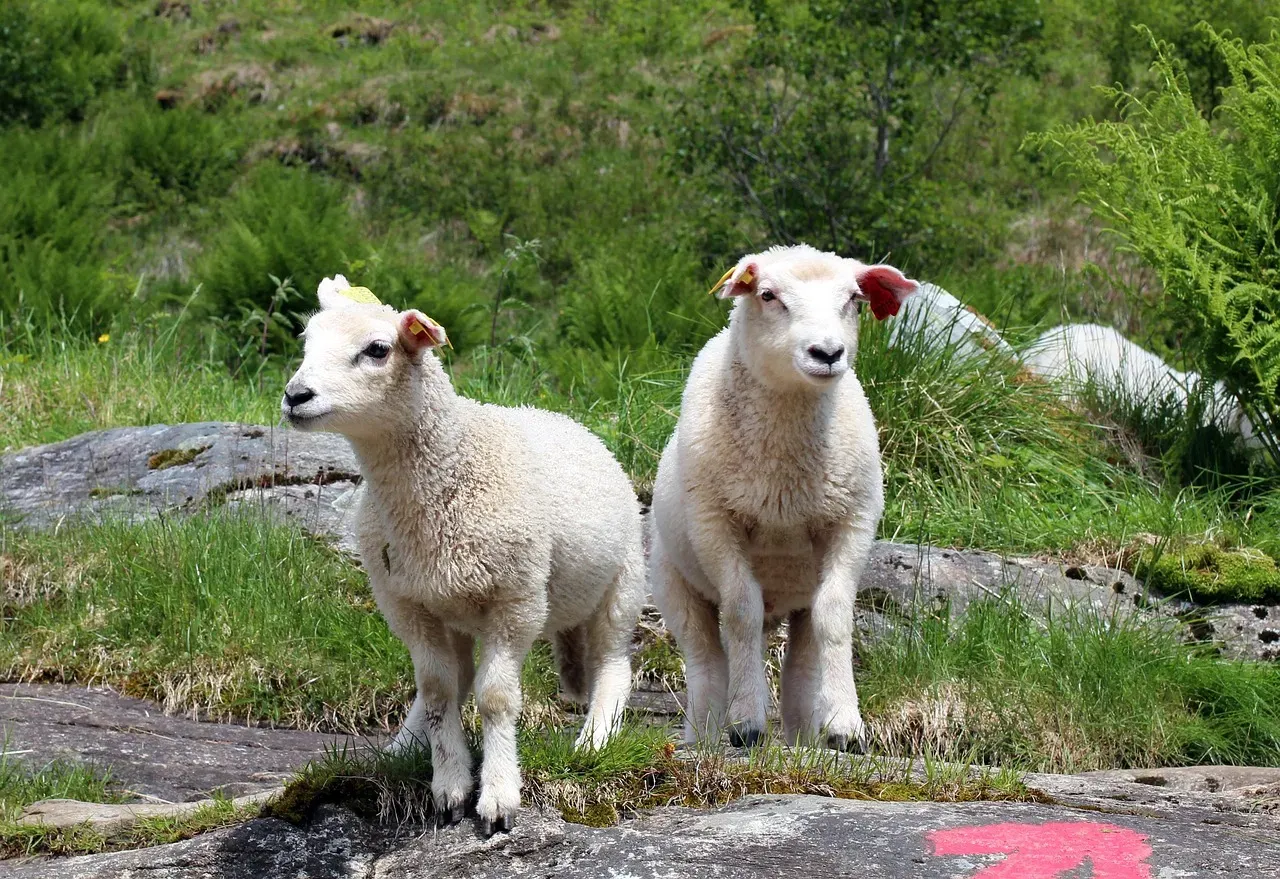
Fragmentation in lowlands severs migration paths, stranding wildlife. Roads and farms carve up former ranges, limiting dispersal. Appalachians offer unbroken woods spanning states. This connectivity aids genetic mixing essential for adaptation. Southern developments encroach, while northern options expand slowly. Species favor intact blocks for breeding and foraging. Climate plus land use doubles pressures.
2024 reports stress corridors’ role in resilience. Continuous cover lets bears roam widely. Birds nest deeper in protected tracts. Reptiles sun on uncut slopes. Urban sprawl elsewhere accelerates inflows. Models predict heavier reliance on these systems. Protection prevents bottlenecks in movement.
Advanced Tools Monitor the Flows
GPS collars and satellite imagery capture real-time migrations. Camera traps log arrivals at ridges. Acoustic sensors pick up bird calls shifting upslope. Drones map vegetation changes feeding data models. Elevation sensors track microclimate shifts. These tools reveal patterns invisible before. Integration paints full movement pictures.
2025 studies leverage AI for prediction accuracy. Tags on bears show expanded Appalachian circuits. Bird banding recovers farther north. Remote sensing spots habitat gains. Data feeds adaptive management. Networks share findings across agencies. This tech confirms the scale of influxes.
Building Resilience Through Conservation

Groups prioritize Appalachians for their refuge potential. Land buys secure corridors against fragmentation. Reforestation restores links for migrants. Climate strategies from 2025 target wildlife action plans. Connectivity projects span multiple states. Funding surges for monitoring stations. Local partnerships engage landowners.
Biodiversity holds as species converge here. Genetic diversity strengthens against future heat. Pathways buffer floods and storms too. Efforts aim for enduring landscapes. Success hinges on sustained protection. The mountains prove vital for eastern wildlife. Tracking ensures timely responses.