
Grocery stores in 2026 continue to use clever promotions to draw shoppers in, even as overall food inflation eases to around 2-3% annually. These so-called deals often rely on psychological nudges or fine print that lead to higher spending over time. Shoppers chasing savings might end up with extras they don’t need or pay inflated rates without realizing it.
Understanding these tactics helps stretch budgets further amid steady price pressures on staples like meat and sweets. Simple habits, like checking unit prices, reveal the real cost behind flashy signs.
Buy-One-Get-One-Free Offers
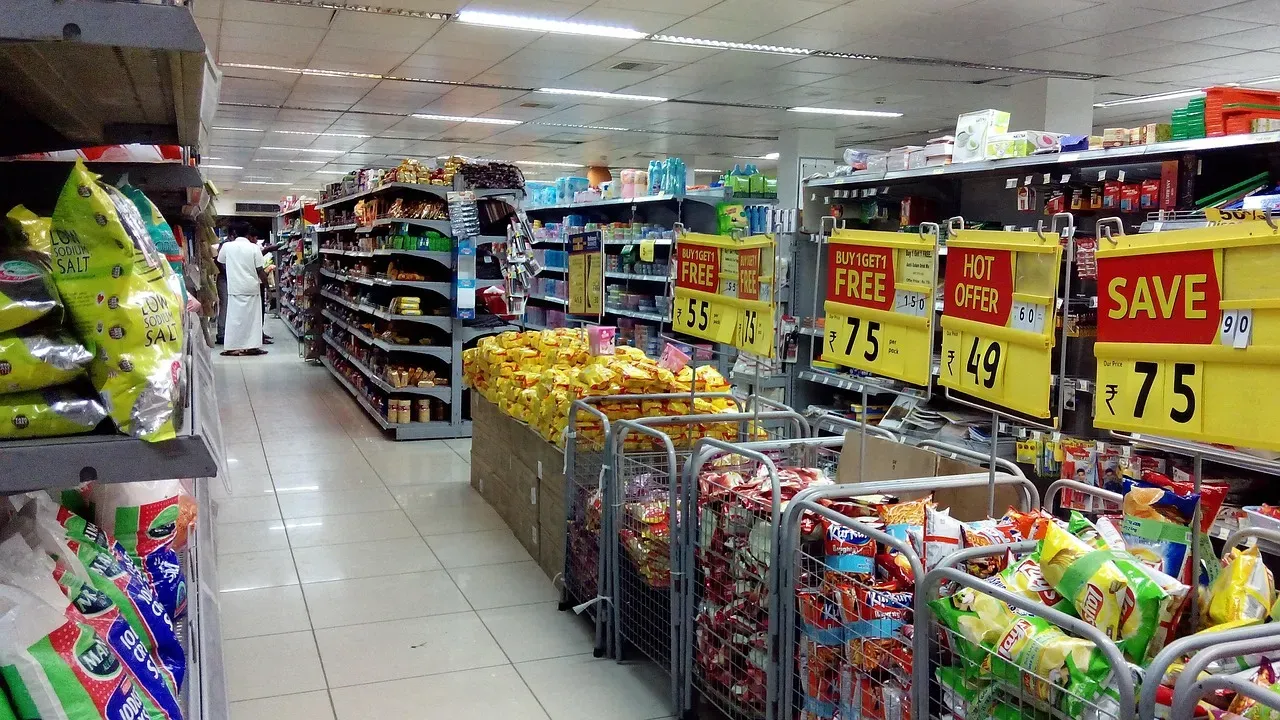
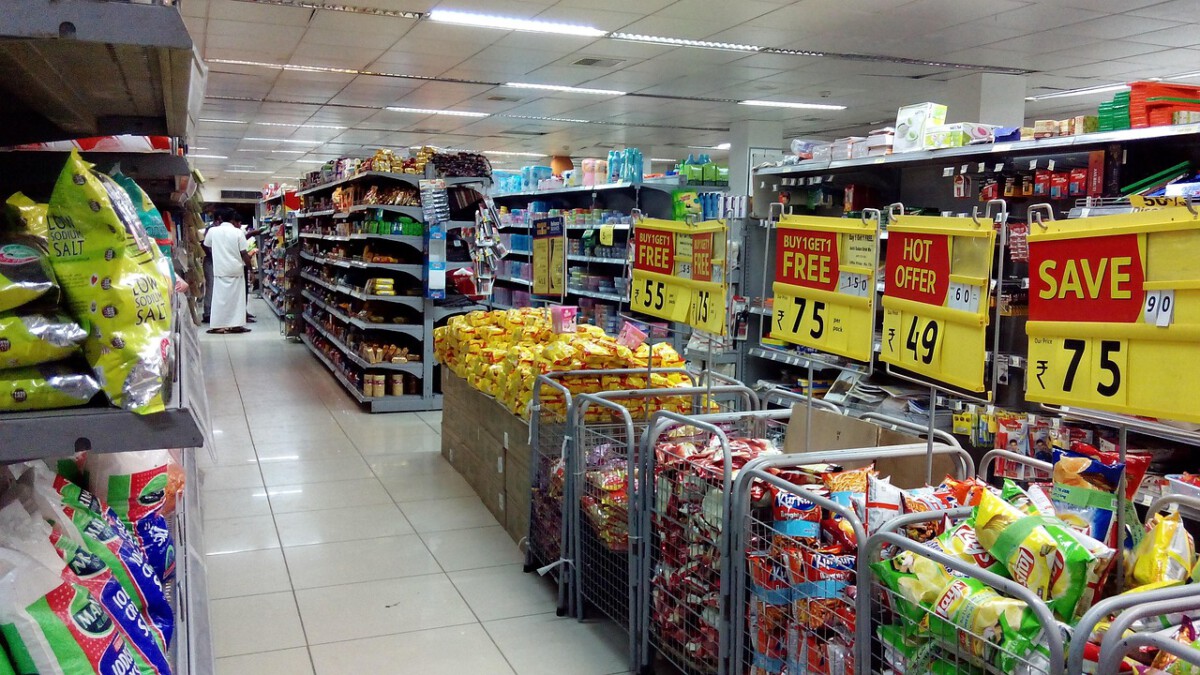
These promotions sound generous, but stores sometimes inflate the price of the first item to offset the “free” second one. A lawsuit against Albertsons highlighted this issue, where BOGO products allegedly saw price hikes during sales.[1][2] Shoppers often grab the extra item impulsively, only for it to spoil unused, adding waste to the bill. Over half of grocery purchases stem from such impulse decisions, amplifying the hidden expense.
Not every store requires buying two; some let you get one at half off, but always compare to regular pricing. Skipping BOGO on perishables prevents unnecessary outlays. True savings come from sticking to what you need.
End-of-Aisle Endcap Displays
Endcaps grab attention at aisle ends, featuring colorful stacks that prompt impulse grabs. These spots command premium fees from brands, so products there often carry higher per-unit costs than shelf versions nearby.[3] Shoppers pass them constantly, making them ideal for moving pricier items quickly. Studies show endcaps boost exposure by up to 93%, driving unplanned buys.[4]
Head to the regular aisle for the same product at a better rate. These displays prioritize profit over value. Awareness turns a trap into a pass-by.
“10 for $10” or Multi-Pack Sales
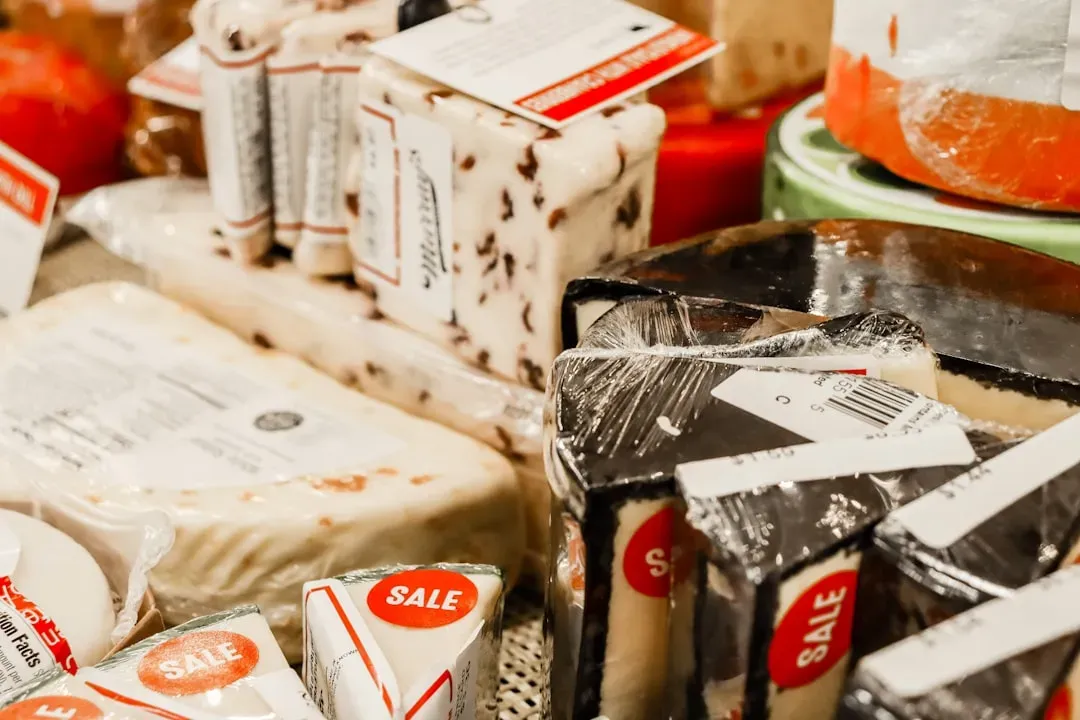
Such deals promise $1 per item when buying the full set, but grab fewer and pay more per unit, sometimes double. Kroger’s version, for instance, requires the full 10 for the discount, nudging bulk buys.[5] Families end up with excess stock that goes stale. This tactic clears inventory while boosting total spend.
Unit price labels clarify if it’s worth it solo. Smaller households often overpay by not reading details. Opt for everyday low prices instead.
Pre-Cut or Pre-Packaged Produce
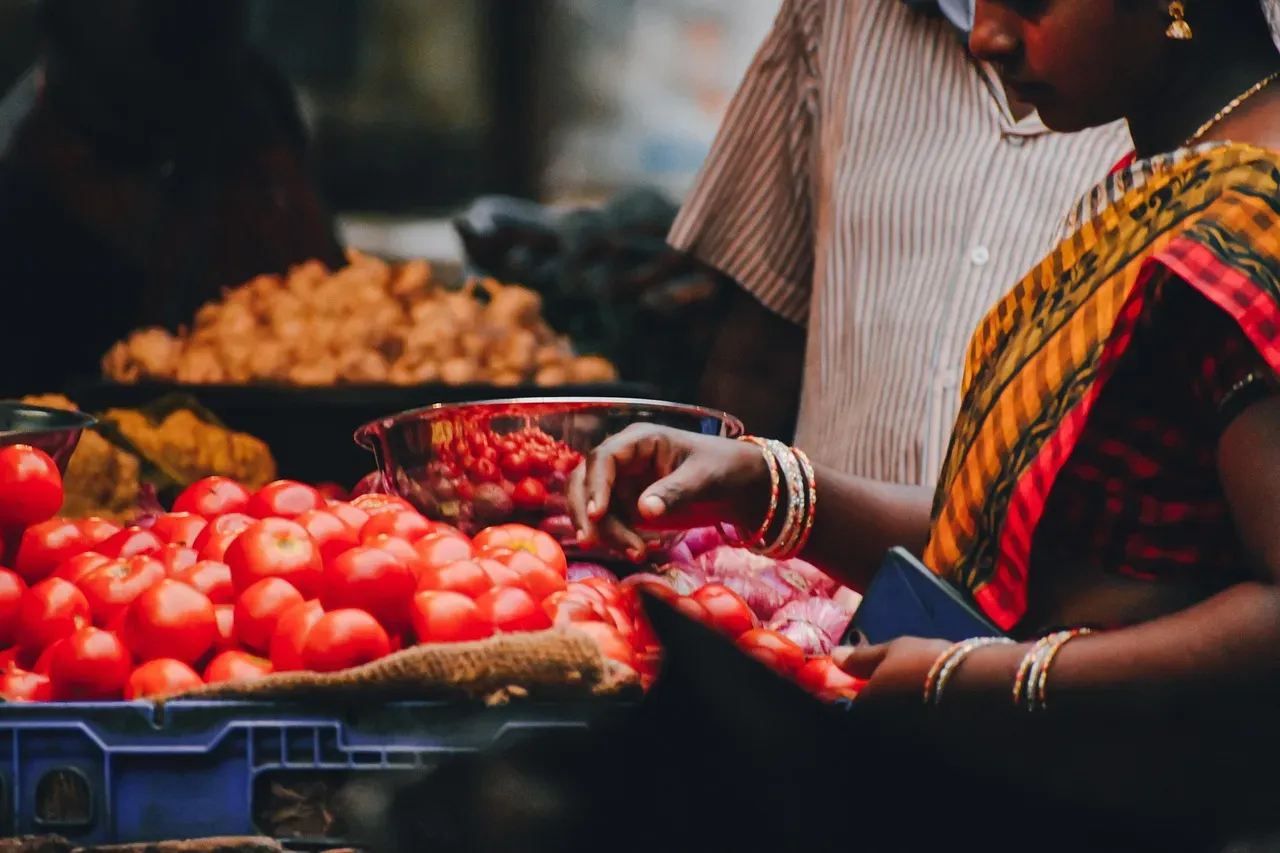
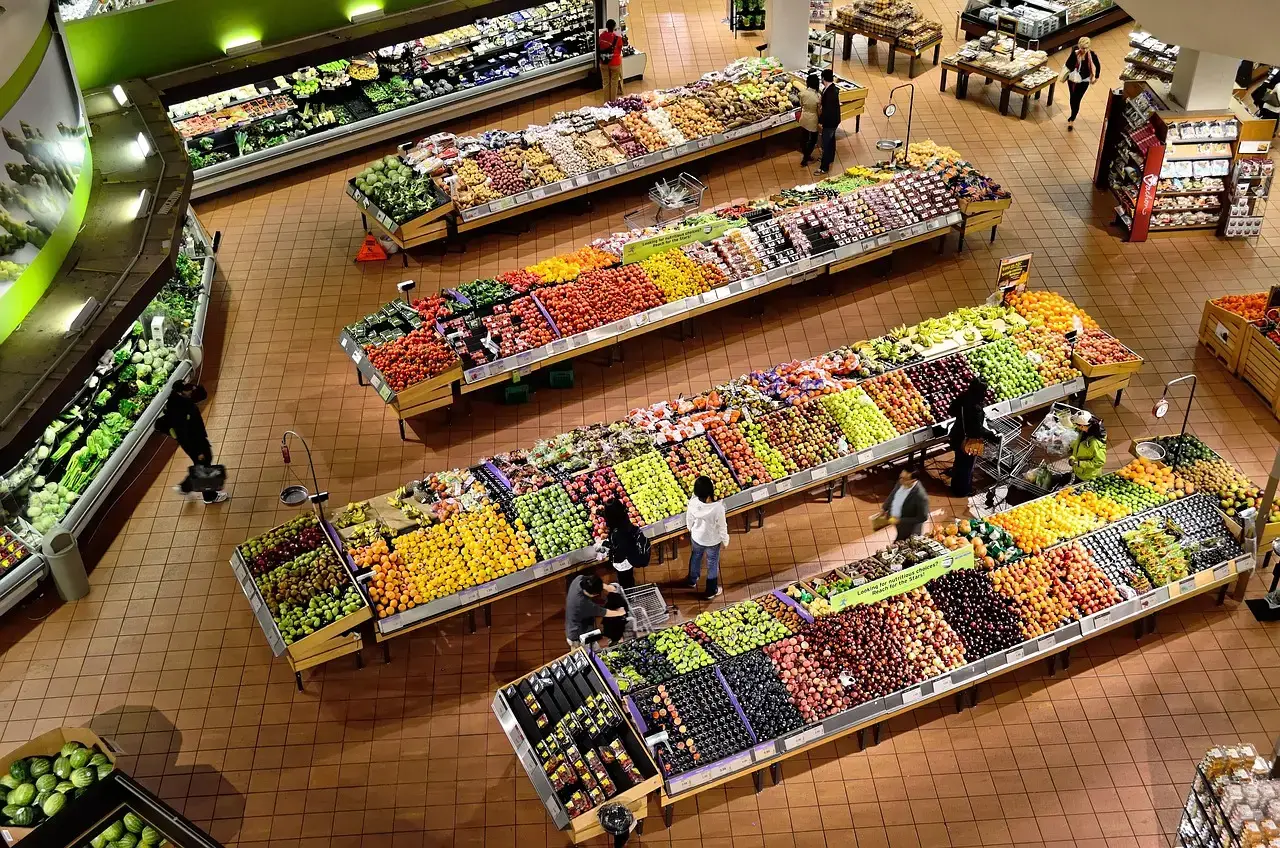
Convenience comes at a steep markup, with pre-cut items costing up to three times more per pound than whole versions. A three-pound bag of whole apples runs about $5, while pre-sliced equivalents hit higher due to labor and packaging.[6] Average markups reach 40% on chopped veggies. Stores position them as time-savers near checkout.
Whole produce saves cash and reduces plastic waste. Knives at home handle the prep easily. Freshness holds up better too.
Loyalty Program “Exclusive” Discounts
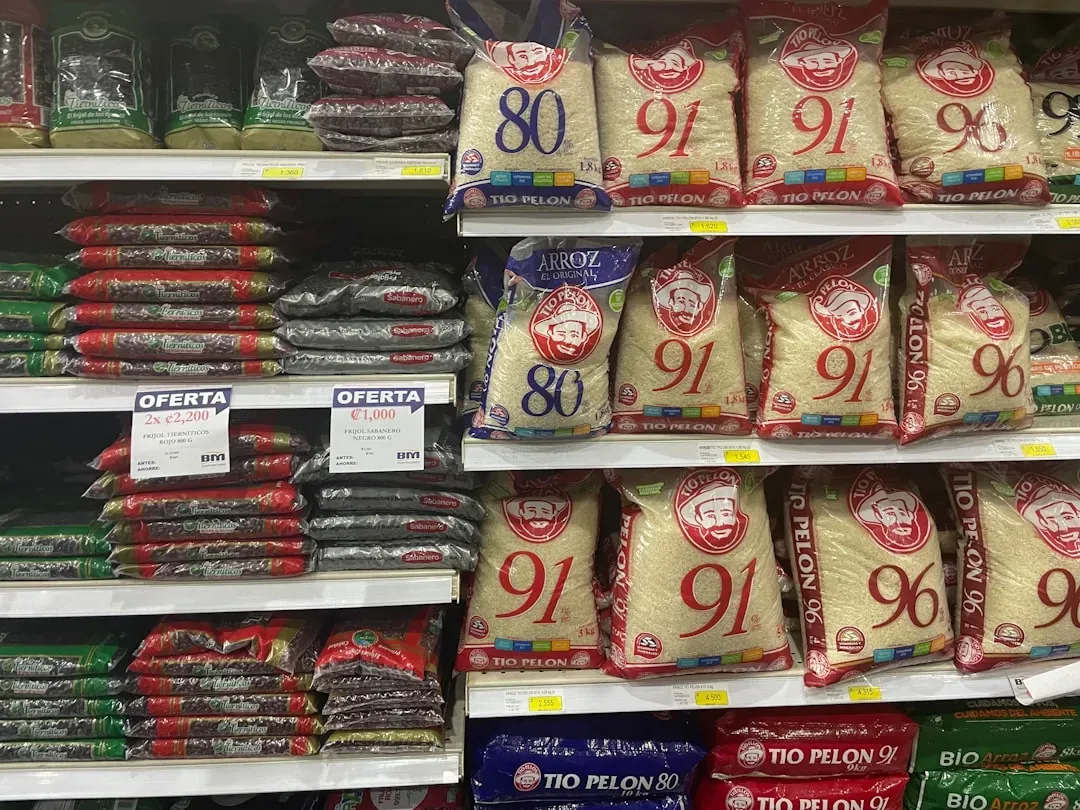
Cardholders snag deals, but everyday prices for non-members run higher to fund those perks. Programs mask elevated base rates, leading loyal shoppers to overspend overall.[7] Kroger’s profiles even tailor prices based on habits. Privacy trade-offs compound the cost.
Compare across stores without cards for true lows. Rotate shopping spots to avoid lock-in. Savings build from comparison, not one program.
Spotting these patterns shifts grocery runs from reactive to strategic. In 2026, with tools like unit pricing and apps, real deals stand out clearer. Smarter carts mean lighter wallets at home.