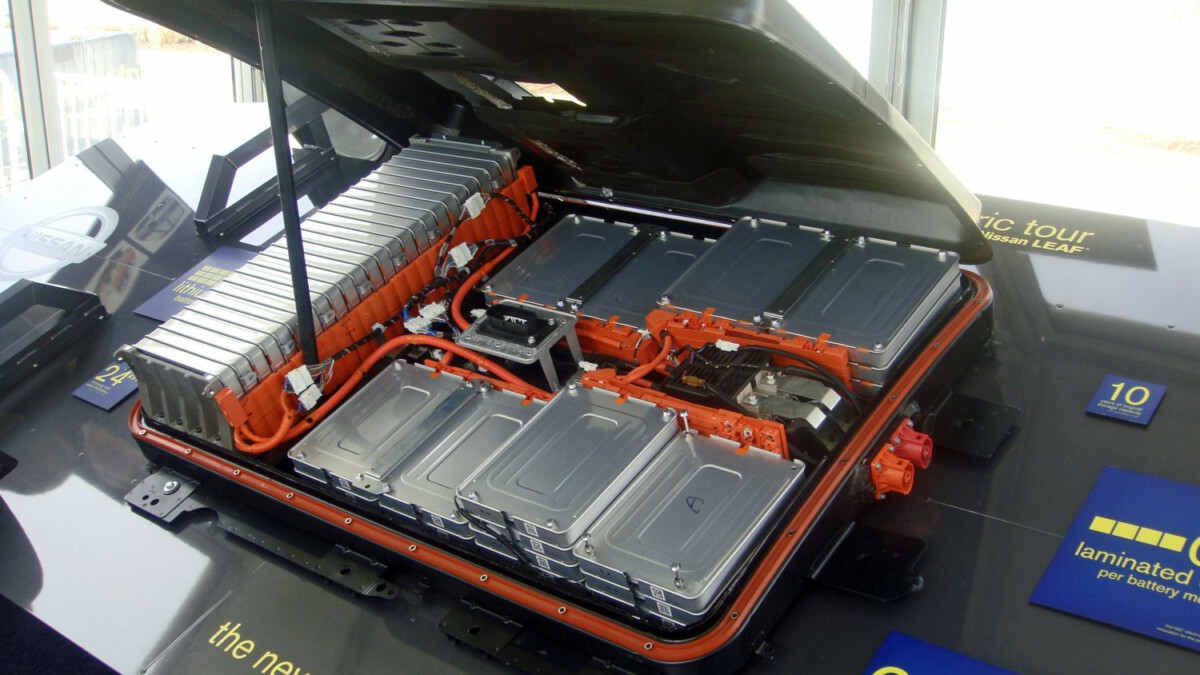

Battery Prices Have Crashed 90% Since 2010
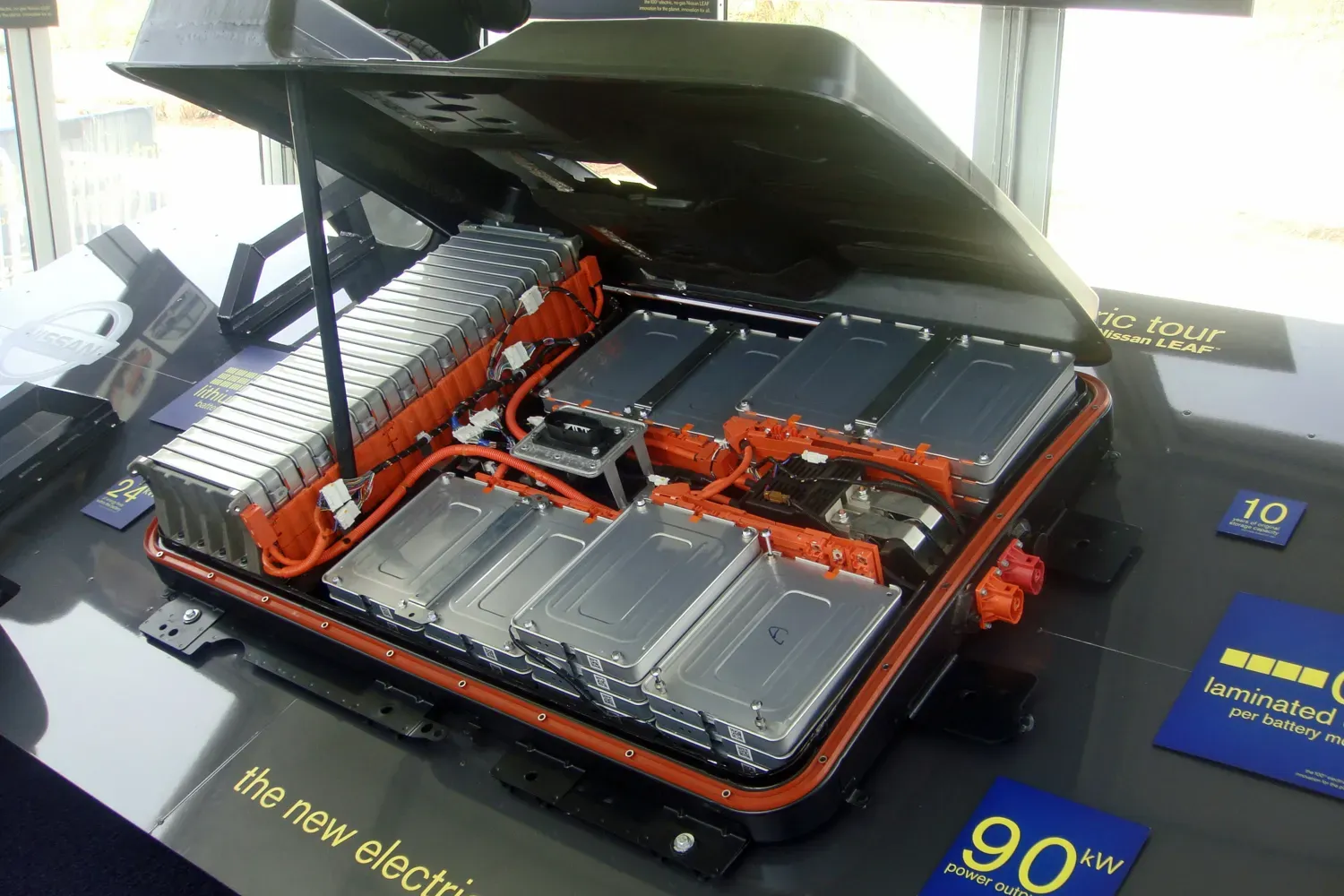
Think back to 2010 when electric vehicle batteries cost over $1,000 per kilowatt-hour. That made EVs a luxury few could touch. Fast forward to today, and prices sit around $108 per kWh as of late 2025. This nearly 90% drop comes from smarter manufacturing and cheaper materials. Everyday folks now see EVs competing head-on with gas cars. Production tweaks alone shaved off huge chunks of expense. Scale kicked in too, with factories churning out millions more cells each year. Consumers feel it in showrooms where base models dip below $30,000.
No one saw this speed coming a decade ago. Refinements in cell design squeezed out waste. Raw material deals got better as supply chains matured. Automakers passed savings straight to buyers. Entry-level EVs now match used gas car prices. Families swap sedans without breaking the bank. Range anxiety fades with affordable packs holding steady power. This trend keeps accelerating into 2026.
2025 Marks a Record Low of $108 per kWh
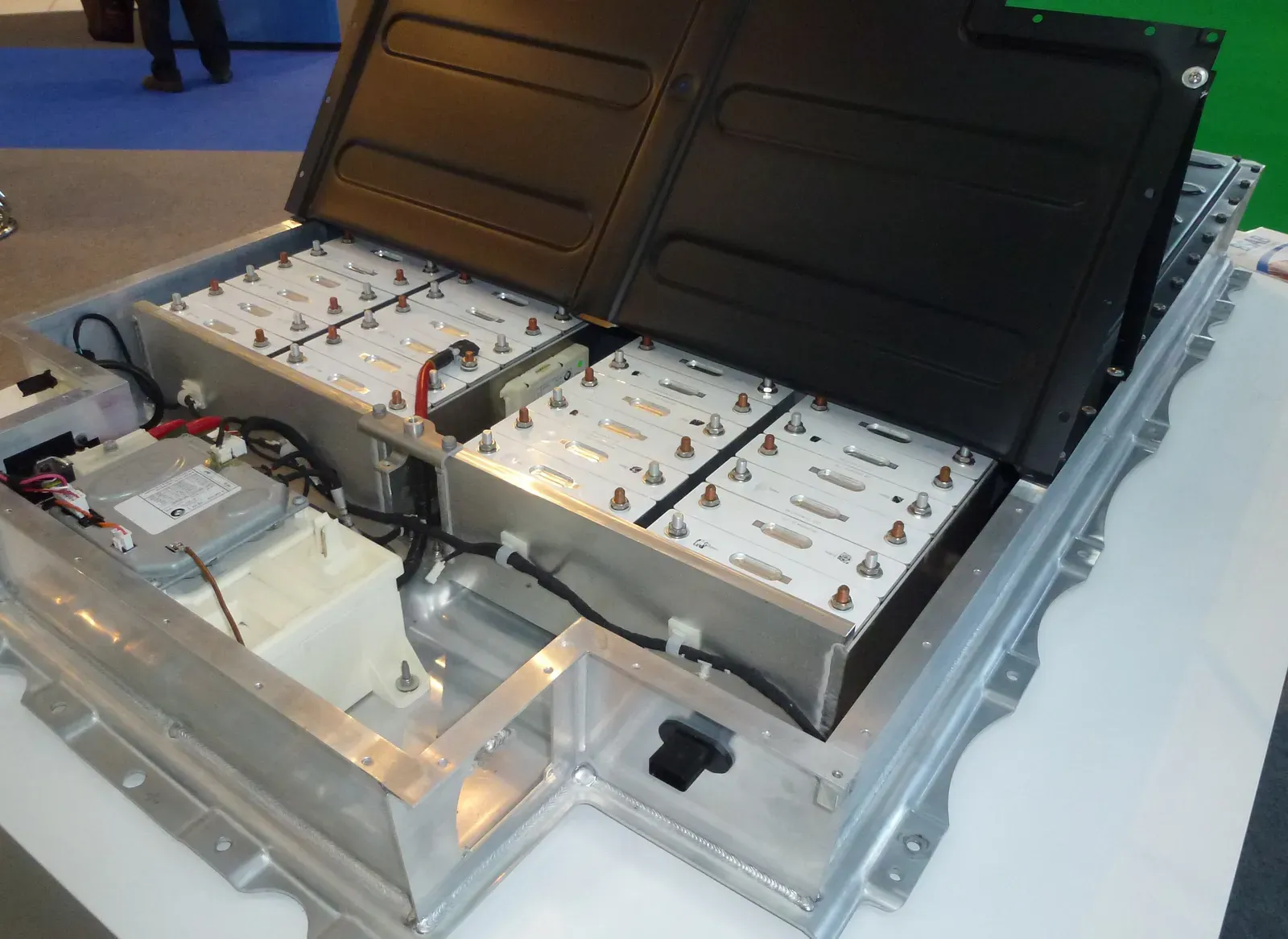
Last year brought lithium-ion packs to $108 per kWh globally. That’s an 8% dip despite rising metal costs like lithium and cobalt. China’s output kept pressure on prices worldwide. LFP chemistries led the charge by skipping pricey nickel. Pack makers optimized assembly lines for speed. Energy density improved without jacking up bills. Buyers snag 60 kWh batteries for under $7,000 now. Practical sedans hit highways cheaper than ever.
Stationary storage even cheaper at $70 per kWh shows the momentum. EV makers locked in contracts early to hedge. Consumers benefit from models under $25,000 in some markets. Daily drivers gain 300 miles per charge affordably. Maintenance stays low with fewer parts to fix. Trade-ins hold value better too. This level flips the script on gas guzzlers. Affordability spreads to trucks and SUVs next.
2026 Projections Point to Under $100 per kWh
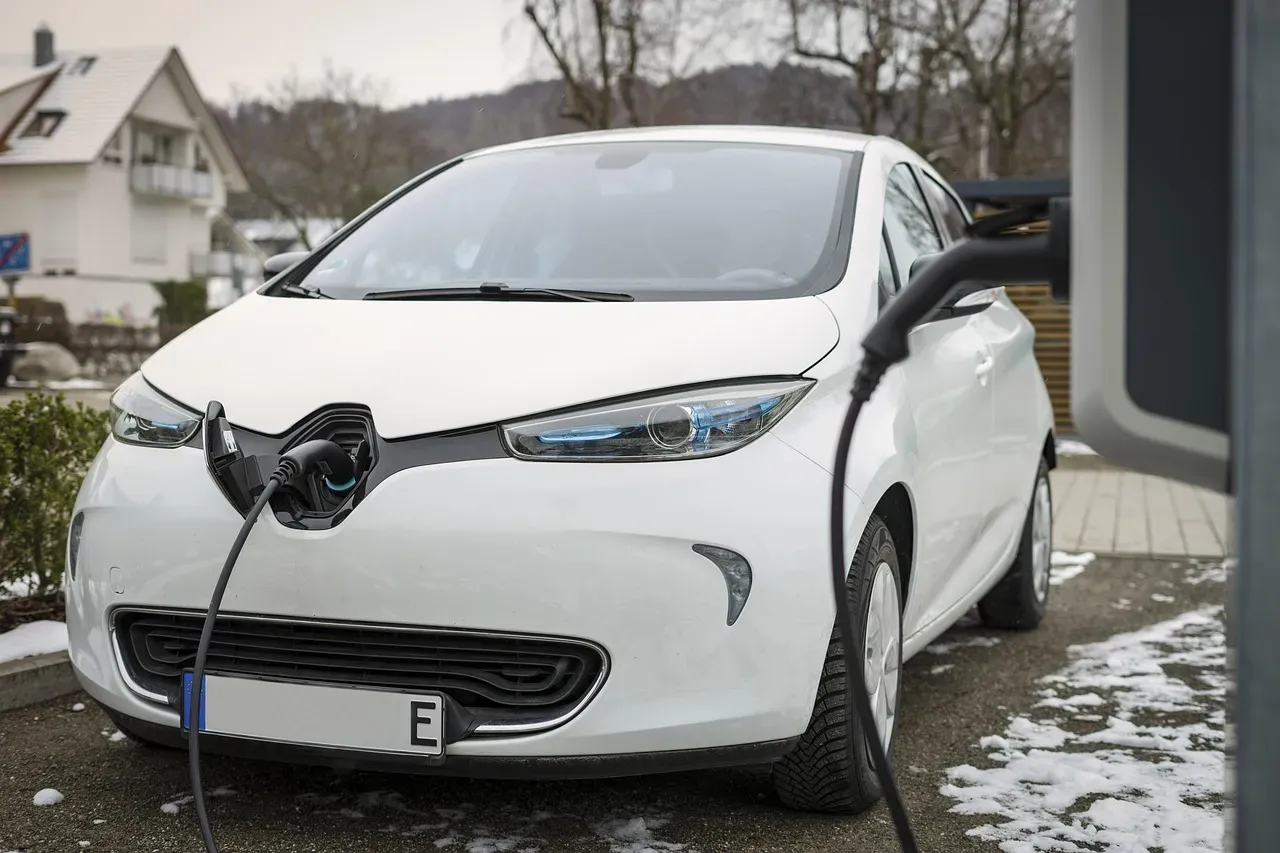
Experts eye $105 per kWh average by end of this year. Some forecasts dip to $80, a near 50% cut from 2023 levels. Parity with gas cars hits when packs fall below $100. That threshold unlocks mass adoption for commuters. Chinese firms like CATL push rectangular LFPs under $60 soon. Global factories ramp up to meet demand. Your next commute could cost half in ownership. Base EVs might shave 20% off stickers already.
Overcapacity in plants forces prices down further. New lines in the US and Europe add competition. Buyers see incentives stacking with low packs. A $40,000 EV drops toward $25,000 effectively. Families upgrade without loans stretching years. Efficiency gains mean fewer charges weekly. Roads fill with electrics quietly. This shift redefines car buying for good.
LFP Batteries Ditch Cobalt for Major Savings
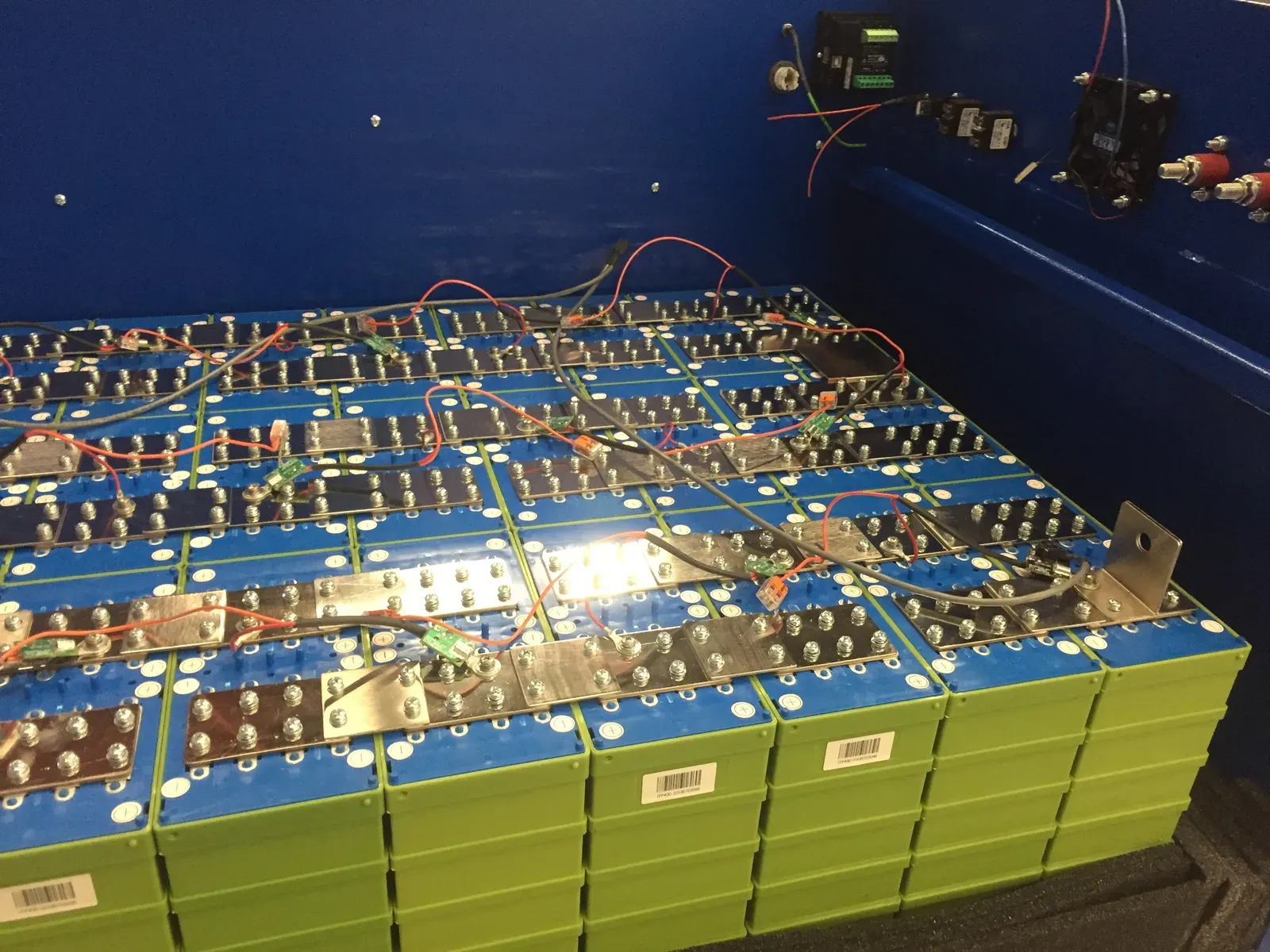
Lithium iron phosphate packs avoid cobalt and nickel entirely. They cost less to make while holding solid range. Nearly half of 2024 EVs used LFP for price edge. Safety boosts come free with stable chemistry. Production scales easy in massive plants. A 60 kWh unit now runs $5,000 or so. Commuters grab them for city runs perfectly. No rare metals mean steady supply chains.
China perfected LFP first, exporting cheap cells everywhere. Western makers switch fast to match. Your daily driver lasts longer with less degradation. Charging speeds impress without premium tags. Trucks haul more affordably too. Maintenance drops as packs endure cycles. This tech alone cuts 20-30% off battery bills. Everyday EVs feel premium at budget prices.
Solid-State Batteries Promise Density and Deals
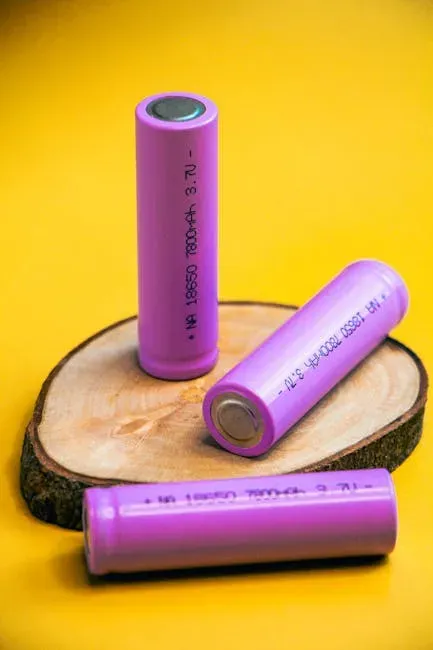
Solid-state swaps liquid for solid electrolytes soon. Higher energy packs mean lighter weight and more miles. Safety rises with no fire risks from leaks. Costs could halve current lithium-ion over time. Pilots from Toyota and others test now. Mass production eyes late 2020s for affordability. Consumers get 500-mile ranges standard. Smaller packs keep cars sleek and cheap.
Early versions already beat LFP density. Investments pour in from big automakers. Recycling loops tighten material costs further. Your next buy might pack solid-state perks. Efficiency slashes electricity use per mile. Chargers fill faster too. This leap makes EVs irresistible. Gas stations fade as prices plummet.
Gigafactories Unlock Economies of Scale
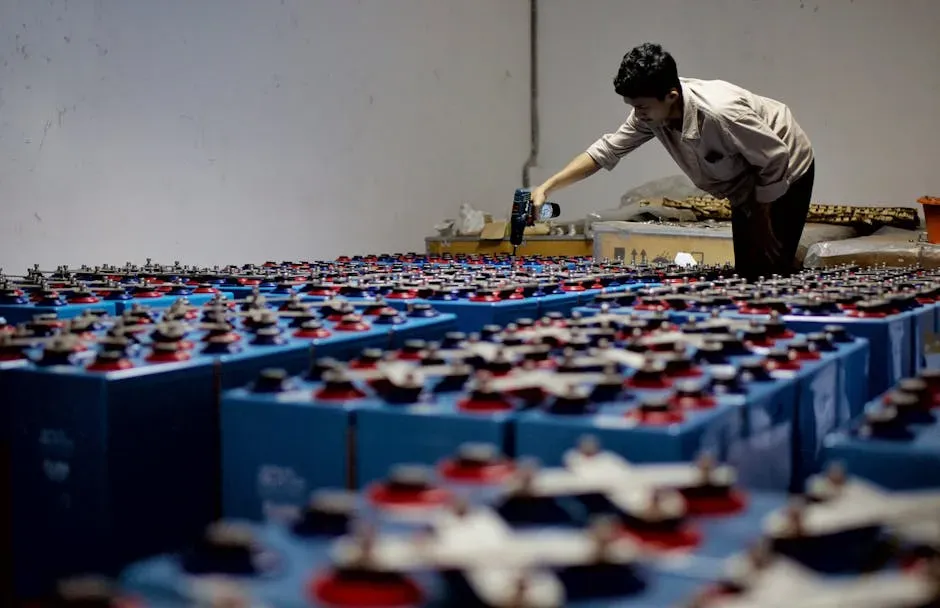
Huge plants like Tesla’s and CATL’s pump billions of cells yearly. Fixed costs spread thin over output. Automation cuts labor way down. One factory alone drops prices 10-20%. Global capacity doubled in five years. Buyers pay less for same power. A mid-size EV battery shrinks to $6,000. Practical for most budgets now.
New sites in India and US ramp fast. Supply chains shorten for speed. Defects plummet with experience. Consumers drive 400 miles worry-free cheap. Fleets switch en masse saving fleets. Home charging pays back quicker. This scale turns EVs into default choice. Roads transform quietly.
China’s 70% Grip Accelerates Global Drops
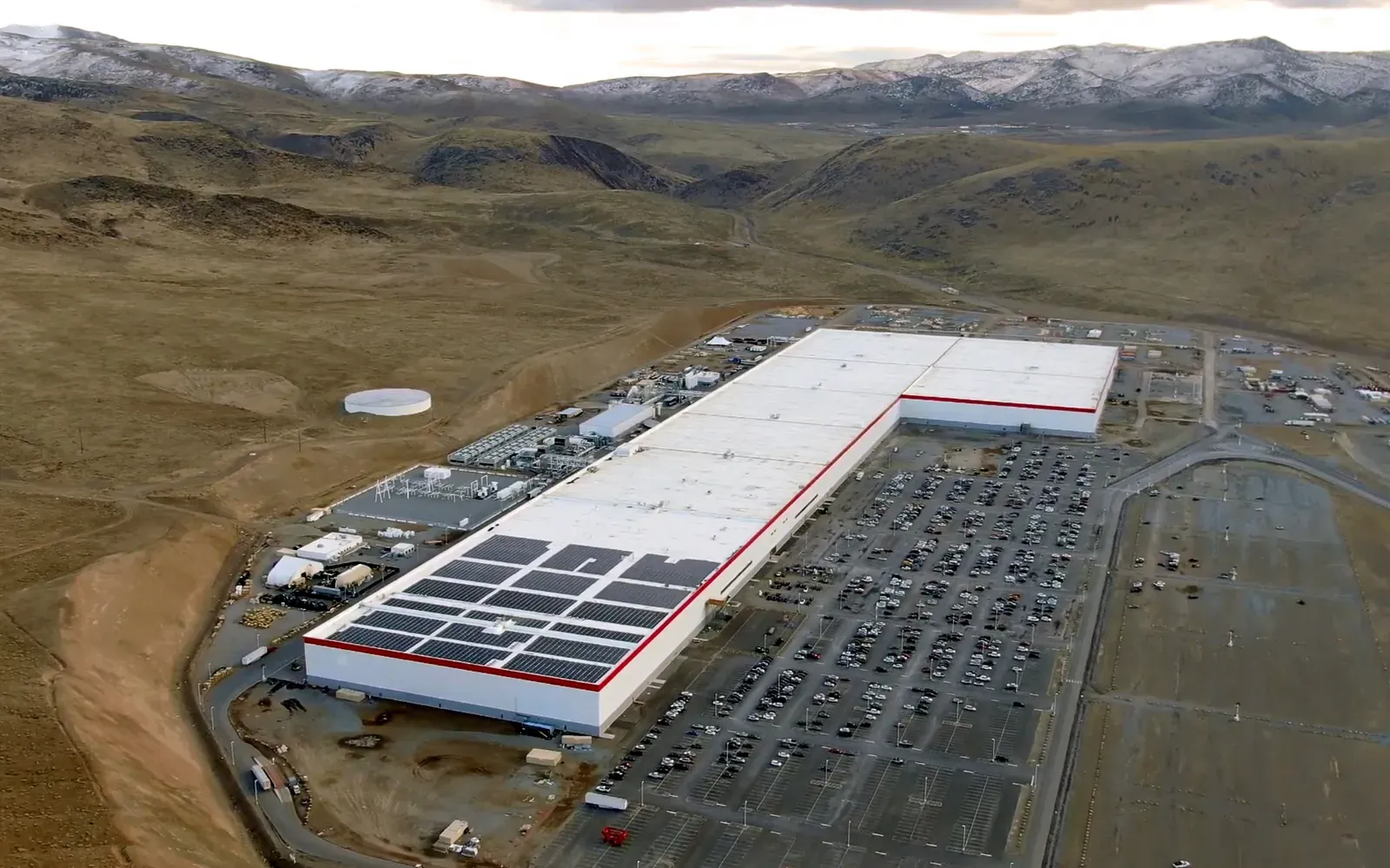
Over 70% of lithium-ion comes from Chinese lines. Their $84 per kWh in 2025 sets the floor. Export deals flood markets worldwide. Tech sharing speeds rivals along. Low labor and energy keep edges sharp. US buyers import packs undercutting locals. Entry EVs hit $20,000 marks soon. Commuters win big daily.
Policy pushes more output yearly. Western plants learn fast copying tricks. Prices equalize as competition heats. Your garage fills electric affordably. Range matches gas without pumps. Ownership totals half over time. This dominance benefits everyone eventually. Shift feels inevitable now.
Recycling, Maintenance, and Incentives Seal the Deal
Battery recycling recovers metals cutting mining needs. Up to 95% materials reuse loops costs low. EVs have 30-40% less maintenance than gas. No oil changes or transmissions fail. Governments toss thousands in rebates. A $35,000 EV nets $25,000 out-pocket. Longevity stretches to 200,000 miles easy. Total savings compound yearly.
Packs last 10-15 years now standard. Swaps cost fraction of new. Incentives phase smart for buyers. Families budget easy for electrics. Insurance drops with safety stats. Roads cleaner and wallets fuller. This combo makes 40% cheaper real. Your next car waits affordably.