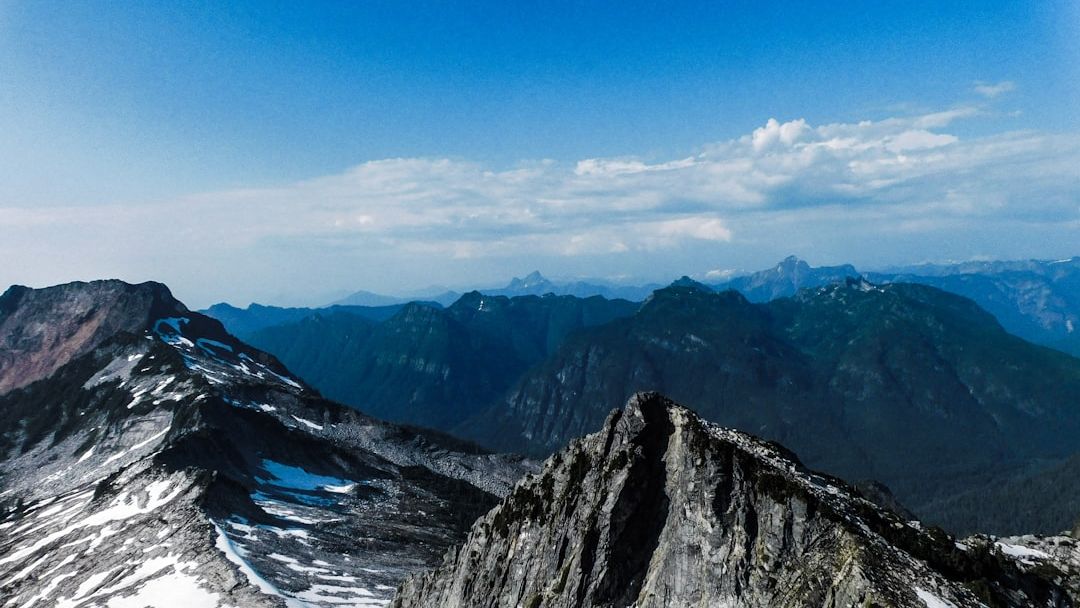

North Cascades National Park in Washington state sits quietly among the rugged peaks of the American Alps. While Yellowstone draws millions each year, this gem sees a fraction of the crowds, offering raw beauty without the chaos.[1]
Established in 1968, it spans diverse ecosystems from glaciers to rainforests. Visitors often describe it as Yellowstone’s serene sibling, with jagged summits and turquoise lakes that rival any famous geyser basin.
Fewer Crowds Mean True Solitude
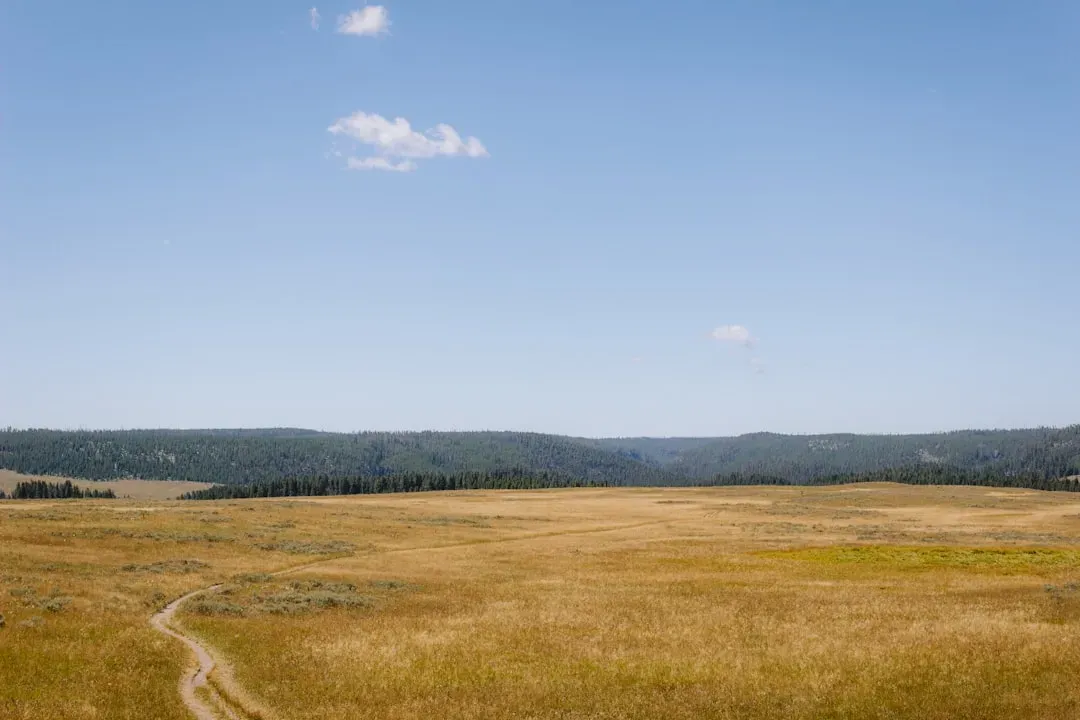
Yellowstone welcomed 4.76 million visitors in 2025, making trails and viewpoints packed.[2] North Cascades saw just 46,925 that year, even after a surge from prior wildfire closures.[3]
This low number translates to empty trails and peaceful overlooks. You can hike for hours without seeing another soul, a rarity in busier parks. The visitor density stays minimal, preserving the wild feel.[4]
Alpine Peaks Rival Yellowstone’s Drama
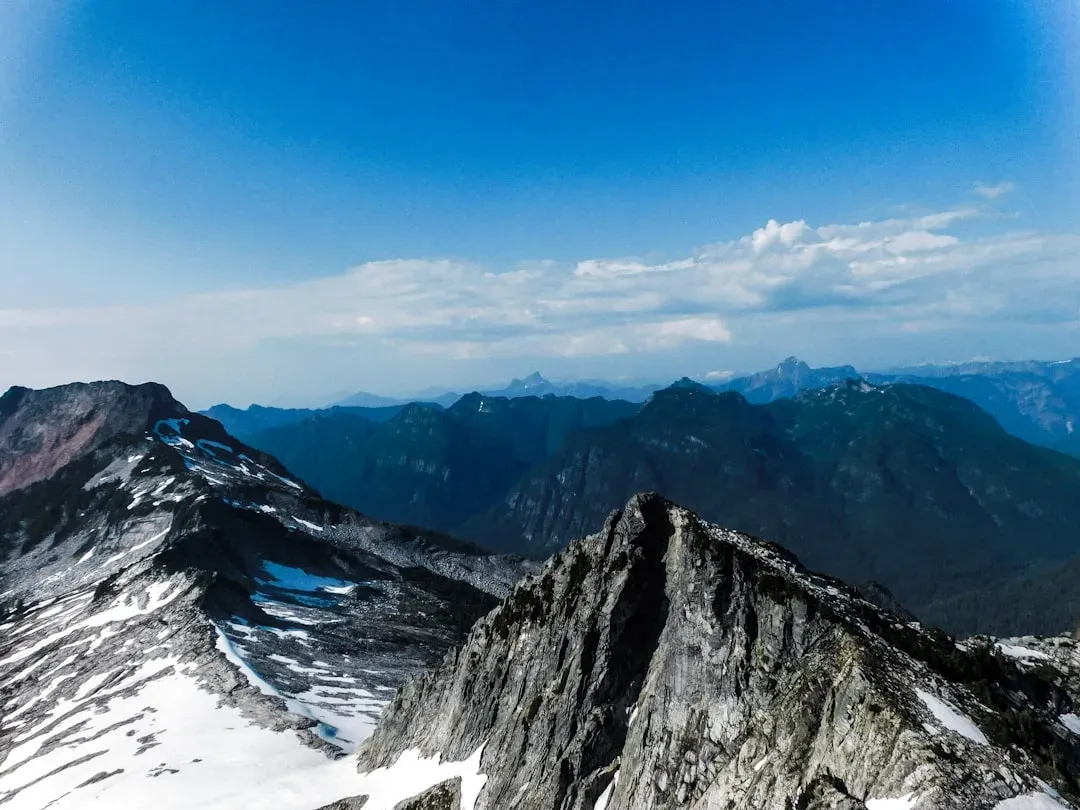
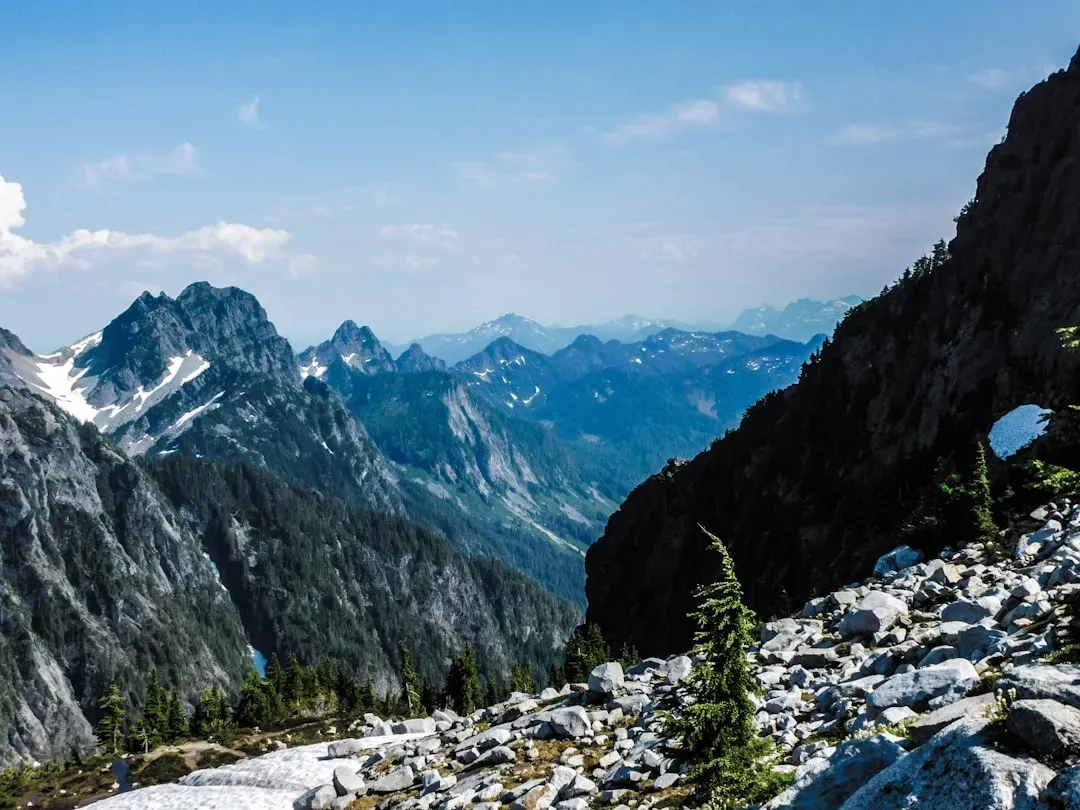
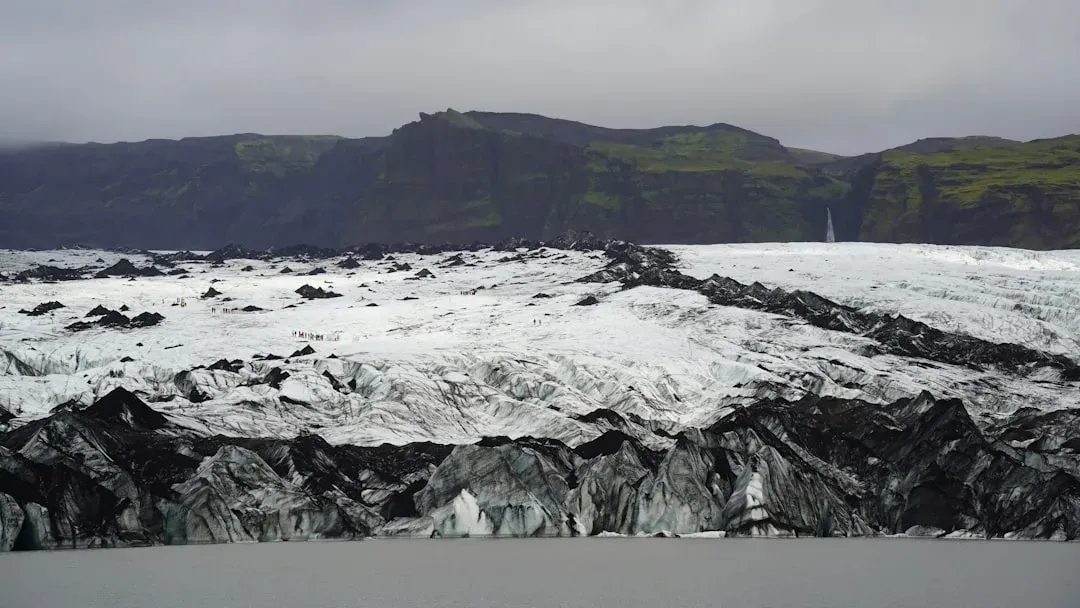
North Cascades boasts over 300 glaciers, more than any other U.S. national park outside Alaska.[1] Towering summits like Sahale Peak offer views that echo Yellowstone’s geothermal wonders but with icy grandeur.
Diablo Lake’s vivid turquoise waters, caused by glacial silt, create postcard scenes accessible by a quick scenic drive. Unlike Yellowstone’s traffic jams, roads here wind through untouched valleys. Hikers find granite spires and wildflower meadows in abundance.
Endless Miles of Uncrowded Trails
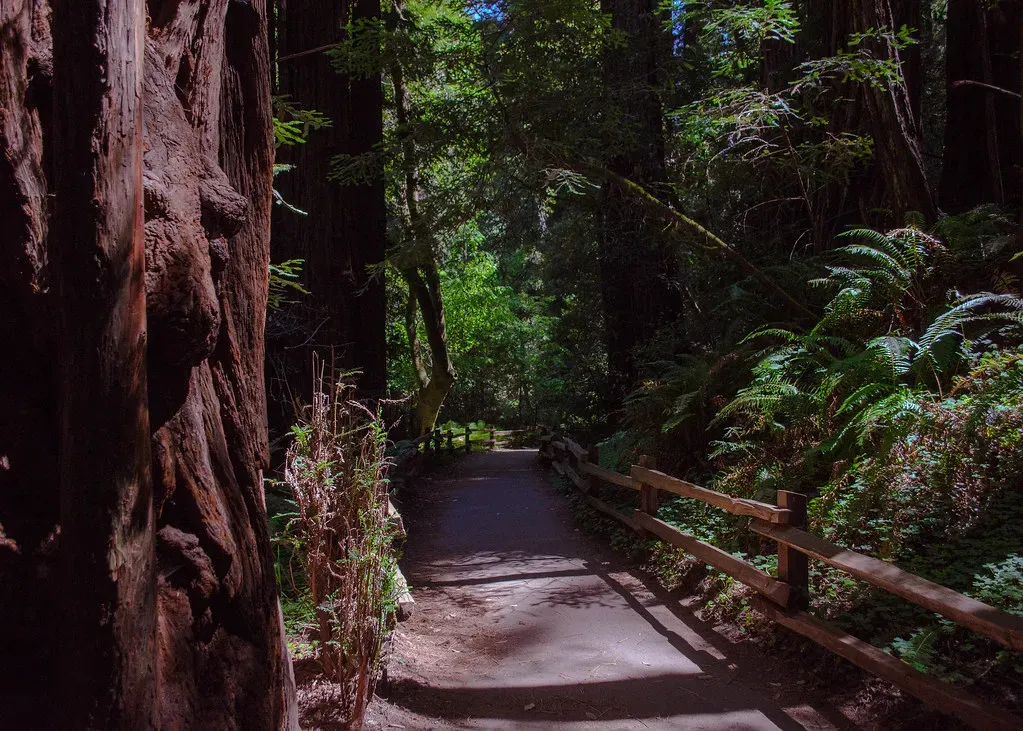
More than 400 miles of trails crisscross the park, from easy lakeside paths to challenging summit scrambles.[1] Popular routes like Cascade Pass deliver panoramic rewards without the permit hassles of overcrowded spots.
Backcountry permits remain plentiful due to low demand. This setup lets adventurers explore deep wilderness freely. Trails stay pristine, free from the wear of millions of footsteps.
In contrast, Yellowstone’s high-traffic paths often feel more like highways.
Biodiversity Hotspot with Rare Species
Home to over 1,600 plant species, North Cascades outshines many parks in floral variety.[1] Rare finds include the threatened Cascade red fox and Pacific fisher.
Old-growth forests shelter lynx and wolverines in quiet habitats undisturbed by crowds. Birdwatchers spot spotted owls and harlequin ducks along rivers. This diversity thrives in the park’s low-impact visitation.
Stunning Glacial Lakes and Waterfalls
Lakes like Ross and Chelan gleam amid the peaks, perfect for kayaking in silence. Waterfalls such as Thunder Falls cascade dramatically after rains.
Glacial melt feeds crystal-clear streams, ideal for trout fishing without competition. These features mirror Yellowstone’s aquatic beauty but feel more intimate. Scenic drives like Highway 20 showcase them effortlessly.[1]
Prime Wildlife Viewing Without Jostling
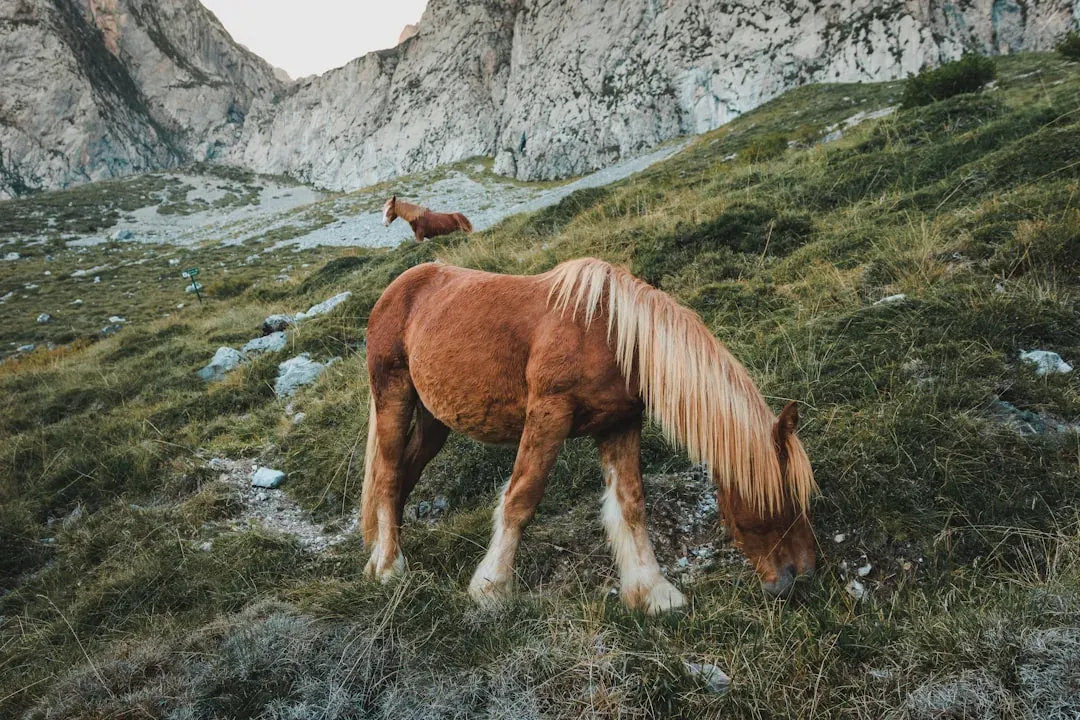
Black bears, mountain goats, and marmots roam freely across open slopes. Elk herds graze valleys, viewable from afar with binoculars.
Unlike Yellowstone’s roadside bear jams, encounters here stay natural and spaced out. Low crowds reduce stress on animals, leading to more authentic sightings. Photographers capture genuine behaviors in peace.
Exceptional Dark Skies for Stargazing
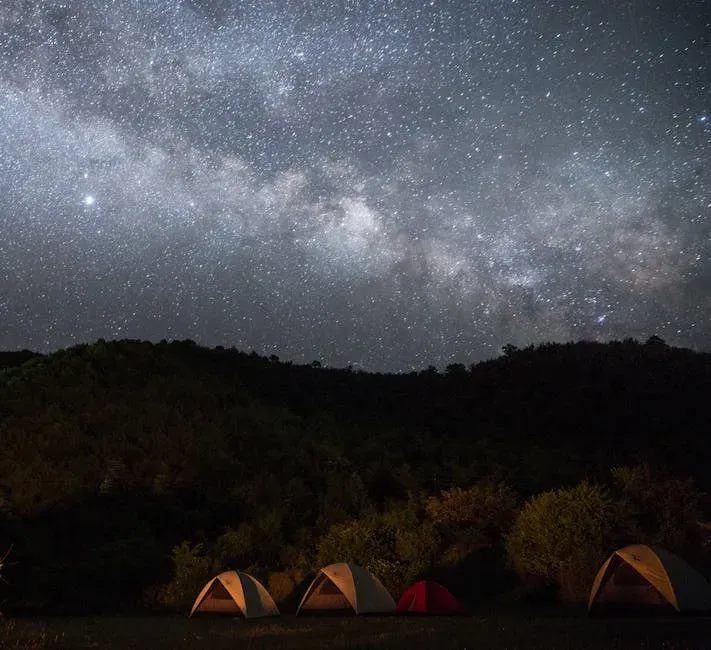
Far from city lights, North Cascades delivers some of the clearest night skies in the lower 48. The Milky Way arches vividly over glacier-lit horizons.
Campers at sites like Colonial Creek enjoy uninterrupted celestial shows. This rivals any dark sky park, without the lines for viewpoints. Astronomy enthusiasts find solitude under billions of stars.
Year-Round Accessibility and Variety
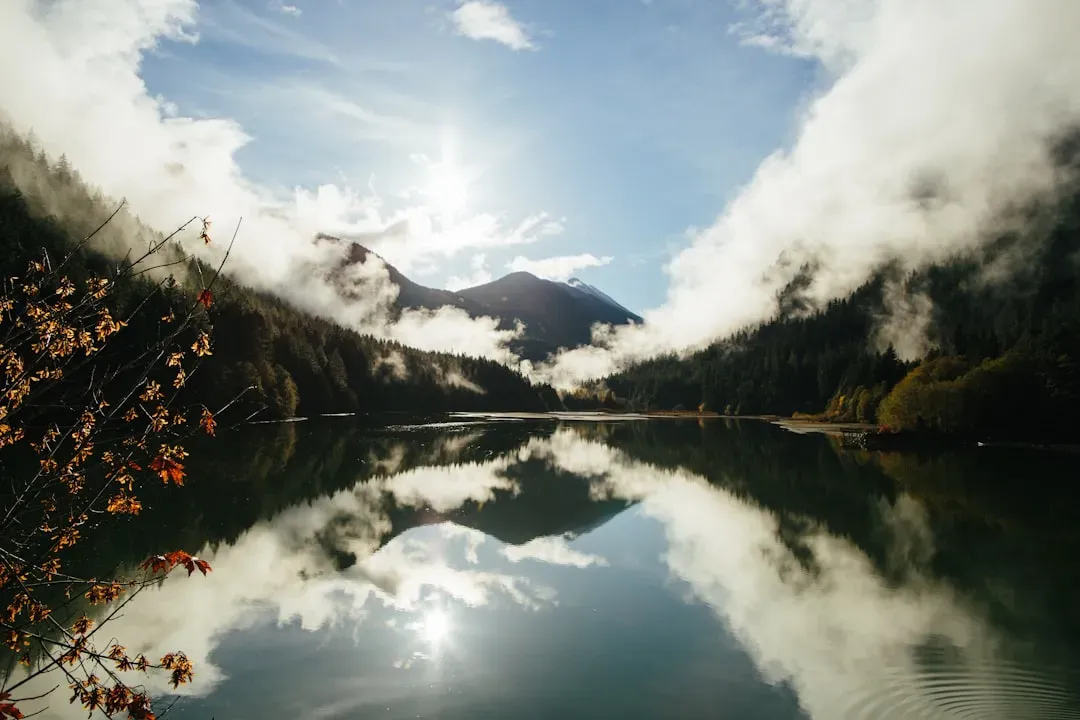
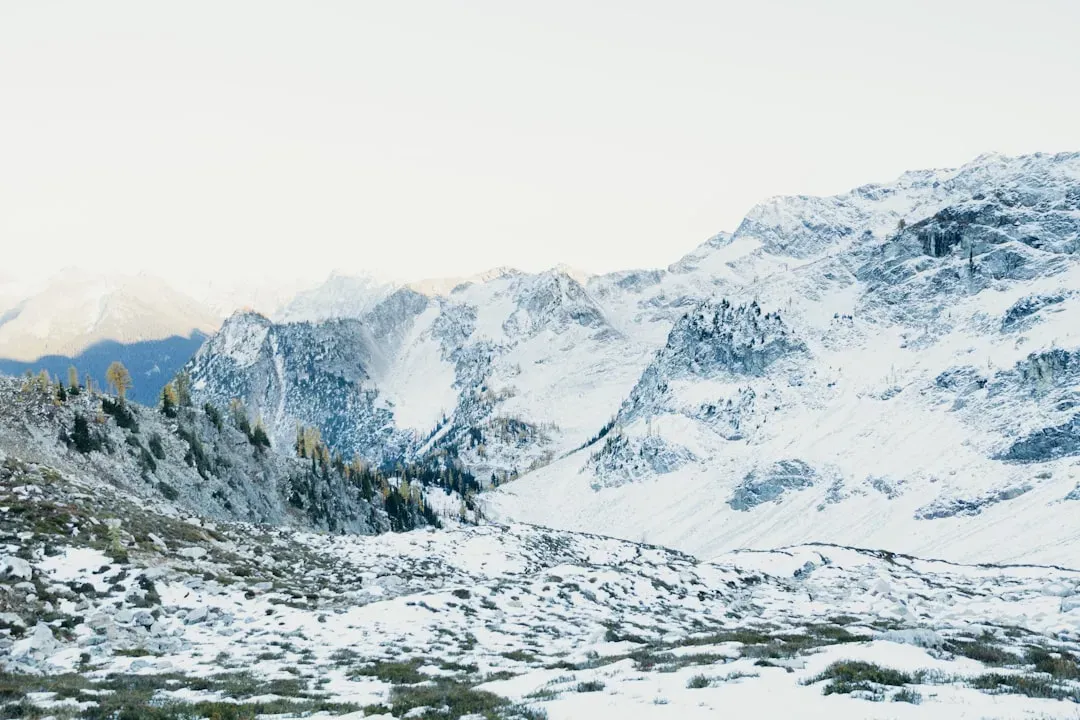
While Yellowstone closes in winter, North Cascades offers snowshoeing and skiing on peaks. Summer brings wildflowers; fall paints larches golden.
Gateway towns like Marblemount provide cozy lodges without the mega-resort vibe. Road access via North Cascades Highway opens seasonally but reliably. Seasons deliver changing wonders tailored to quiet exploration.
Preserved Wilderness Integrity
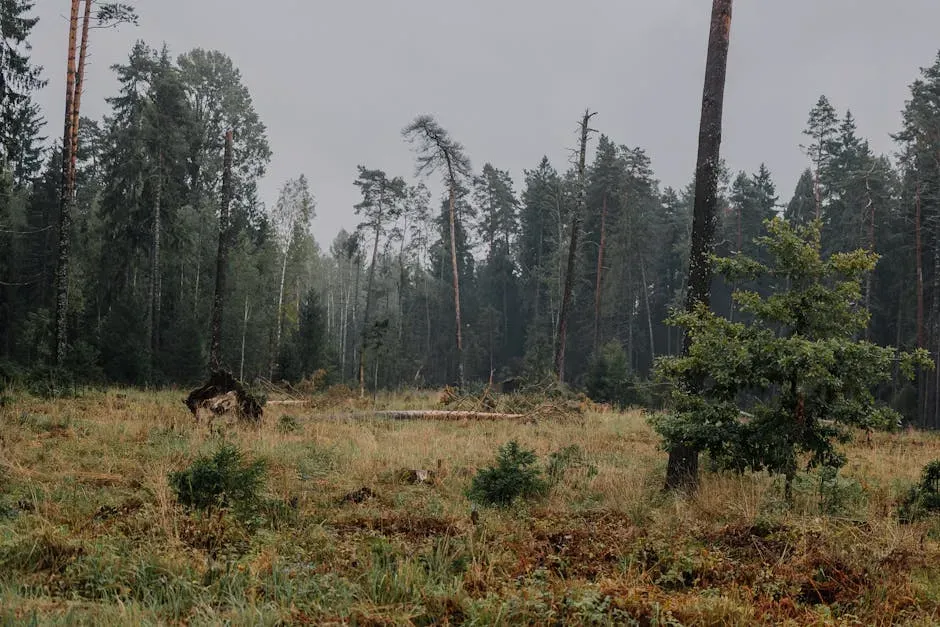
Over 93% of the park remains designated wilderness, stricter than many areas.[1] No major developments mar the landscape.
This focus sustains ecosystems long-term, avoiding Yellowstone’s strain from overtourism. Future visitors inherit the same untouched vistas. Low numbers ensure sustainability for generations.
A Smart Choice for Mindful Travelers
North Cascades tops underrated rankings at 89.7 out of 100.[1] It proves beauty doesn’t require fame or crowds.
Choosing it supports balanced park usage across the system. Trails heal faster, wildlife flourishes. This quiet haven reminds us nature’s best rewards patience and the road less traveled.
Skip the lines at Yellowstone. Head to North Cascades for wilderness that whispers instead of roars.