
Downtown San Francisco once buzzed with shoppers streaming through Union Square and the SF Centre mall. Today, empty storefronts line the streets, turning prime retail spots into eerie quiet zones. Foot traffic has cratered, leaving major chains no choice but to pull out.[1]
The so-called ghost town effect stems from a mix of low visitor numbers, safety worries, and shifting work habits. Nearly half the stores in the downtown shopping district shut down since 2019.[1] This trend accelerated post-pandemic, hitting big names hardest. Retailers cite everything from theft to vanishing office crowds as the culprits.
Nordstrom Closes Its Flagship
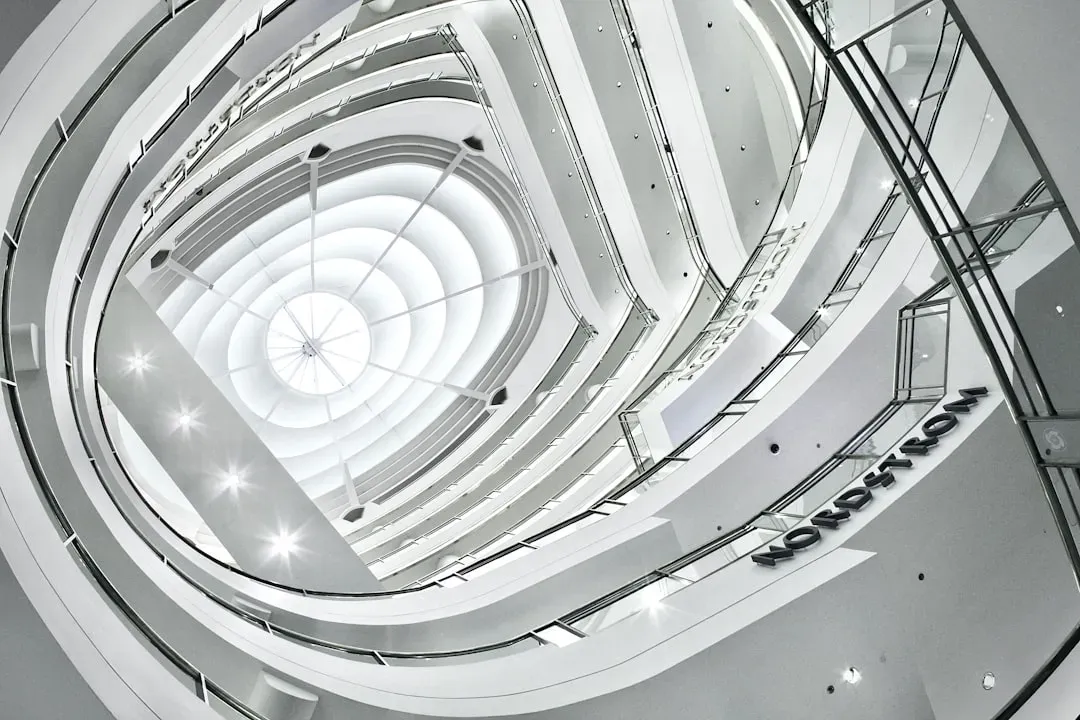
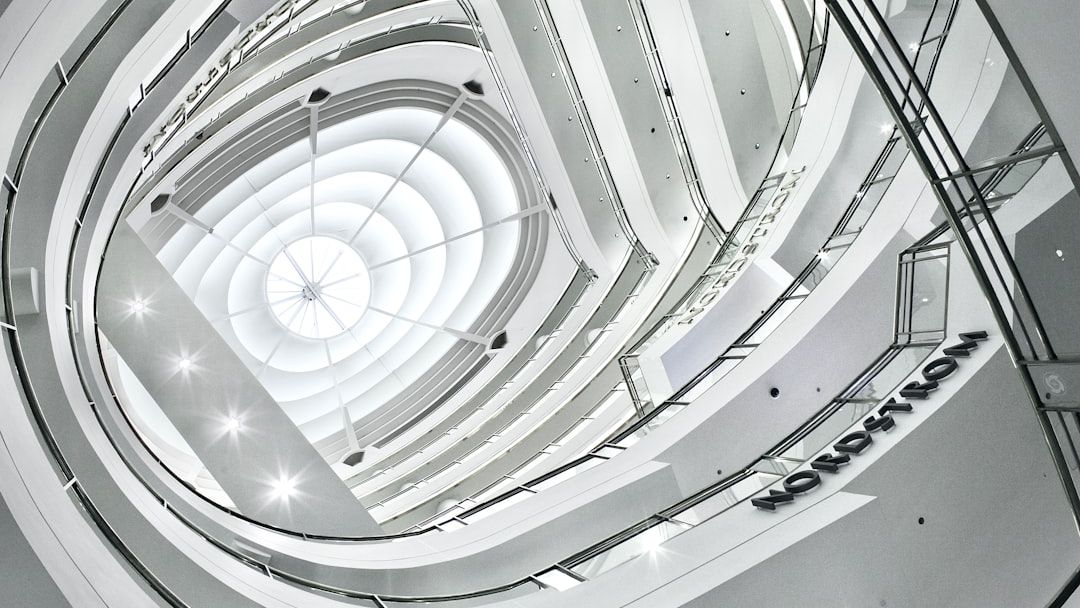
Nordstrom shut its massive Union Square store in August 2023, along with a nearby Nordstrom Rack. The 312,000-square-foot space across five floors sat empty after years of declining sales. Company leaders pointed to changed market dynamics and weak foot traffic as key factors.[2][1]
Whole Foods Cites Safety Issues
Whole Foods closed its flagship Trinity Place store in April 2023, just a year after opening. The spot on Market Street saw 568 emergency calls in 13 months, including overdoses and assaults. Workers felt unsafe amid rampant drug use and theft nearby, prompting the abrupt exit.[2]
Walgreens Shuts Down Dozens
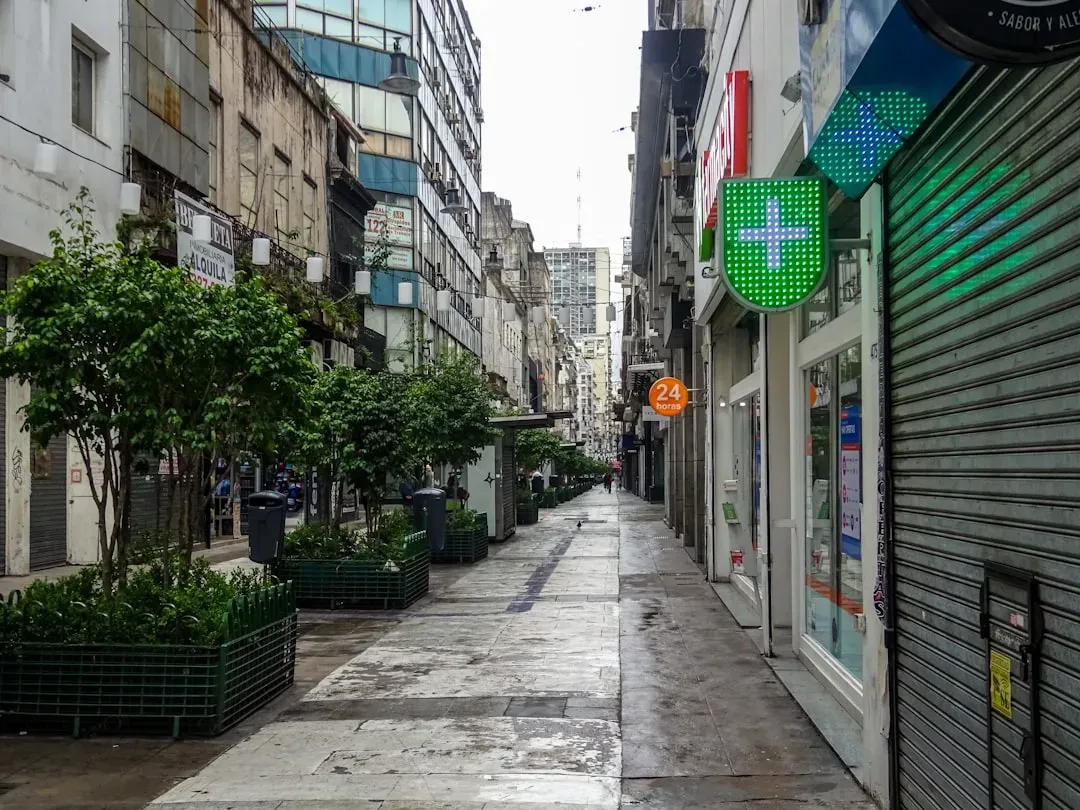
Walgreens closed 22 locations around downtown, with 12 more slated for February 2025 across neighborhoods like Bayview and Ingleside. Retail theft played a big role, including incidents at stores next to the old Westfield mall. Some areas now lack any nearby pharmacy as a result.[2][3]
Crate & Barrel Ends Lease
Crate & Barrel permanently closed its Union Square outpost in March 2022 when the lease expired. The timing came amid a wave of burglaries hitting Bay Area stores. Low traffic and rising e-commerce pressures sealed the decision for the furniture giant.[4]
Bloomingdale’s Leaves SF Centre

Bloomingdale’s wrapped up nearly 20 years at SF Centre by late spring 2025, vacating its 330,000-square-foot space. Parent company Macy’s plans 150 closures nationwide by 2026, including SF spots. The mall’s ongoing struggles with vacancies sped up the departure.[5]
Crime Wave Hits Hard
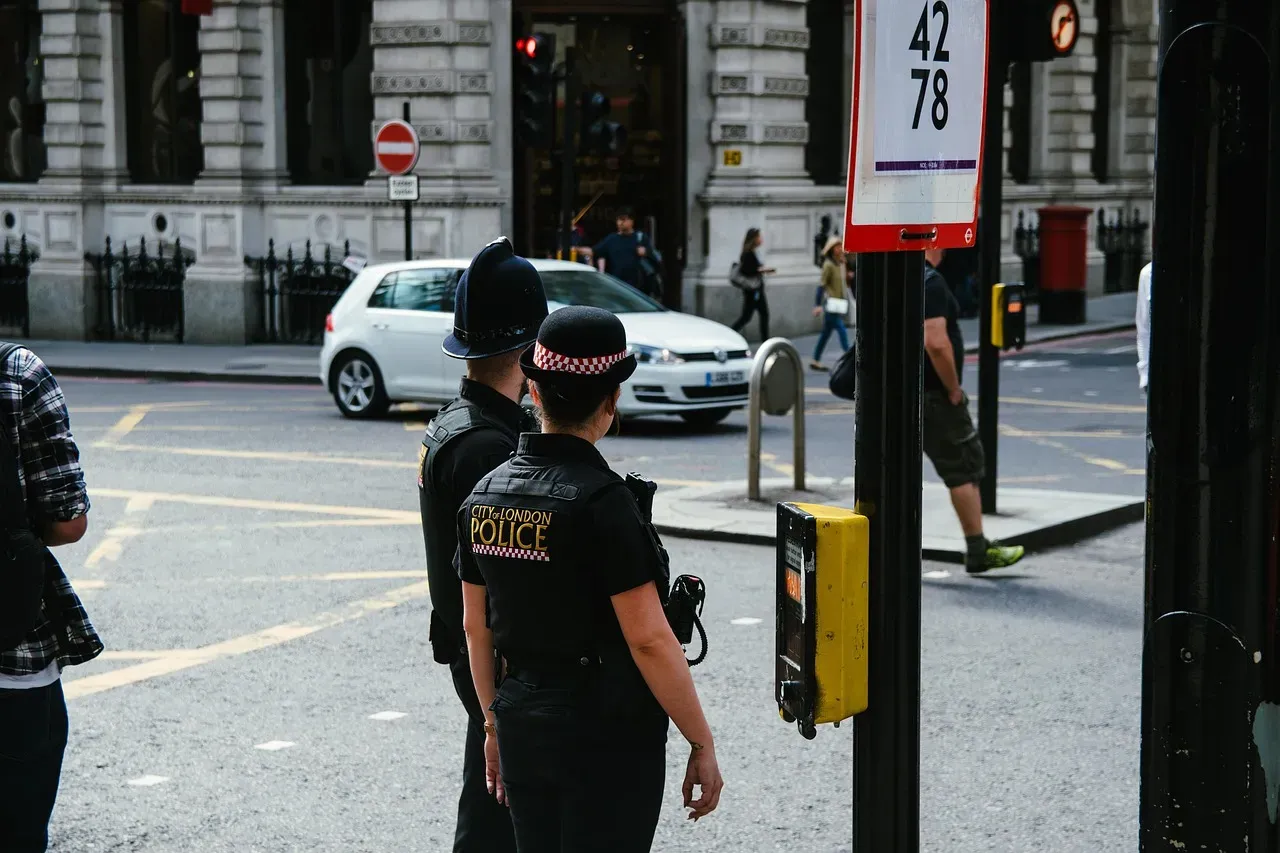
Shoplifting and break-ins plague downtown, pushing retailers over the edge. San Francisco’s property crime rate towers over national averages, fueling daily losses. Guards and cameras couldn’t keep up with organized theft rings targeting high-end goods.[6]
Foot Traffic Vanishes
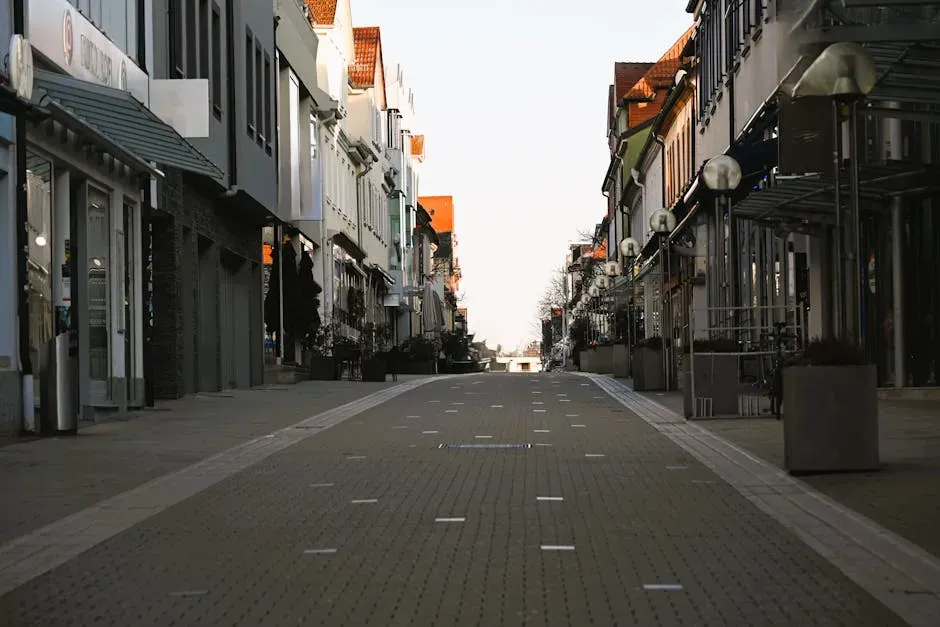
Union Square went from 207 operating stores in 2019 to just 107 by mid-2023, a stark drop. Office workers staying home cut lunchtime rushes and evening crowds. Sales tax data shows sluggish recovery compared to pre-pandemic levels.[6][1]
Remote Work Stays Put
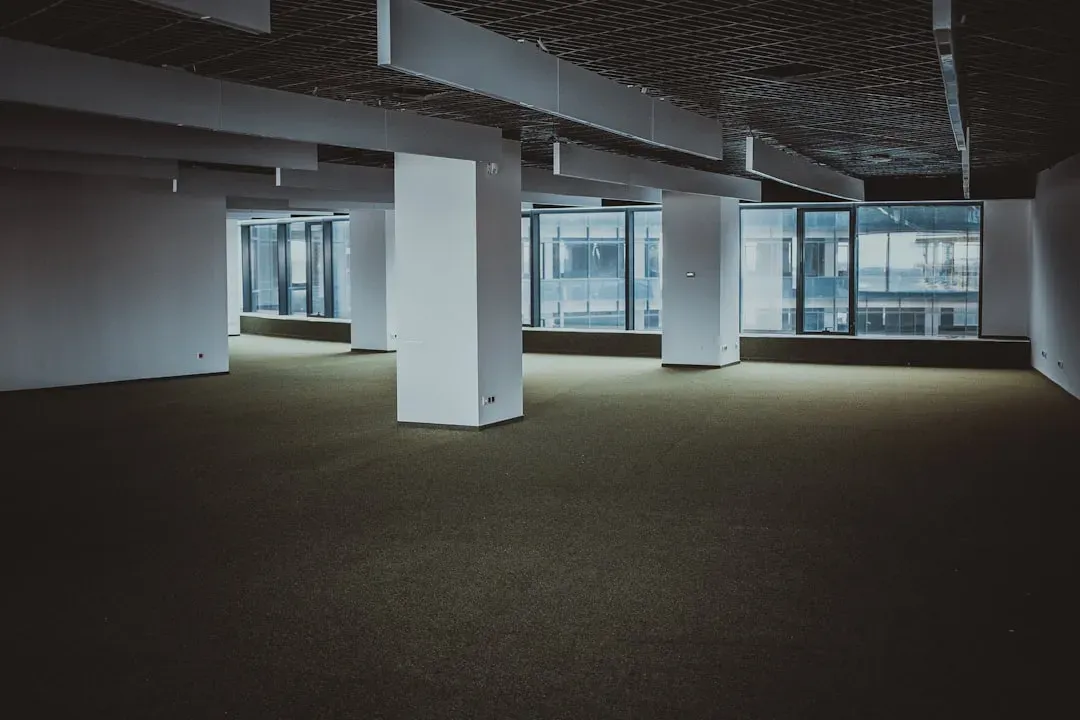
Tech firms embraced permanent remote setups, emptying downtown offices. Commuters who fueled retail are gone for good in many cases. This shift hit casual dining and impulse buys the hardest, starving stores of steady customers.
Open Drug Use Deters Shoppers
Visible fentanyl crises and encampments near stores scare away families and tourists. Whole Foods dealt with bathroom overdoses and assaults right inside. The unsafe vibe spreads, keeping potential buyers on the sidewalk at best.[2]
Sky-High Rents Seal the Fate
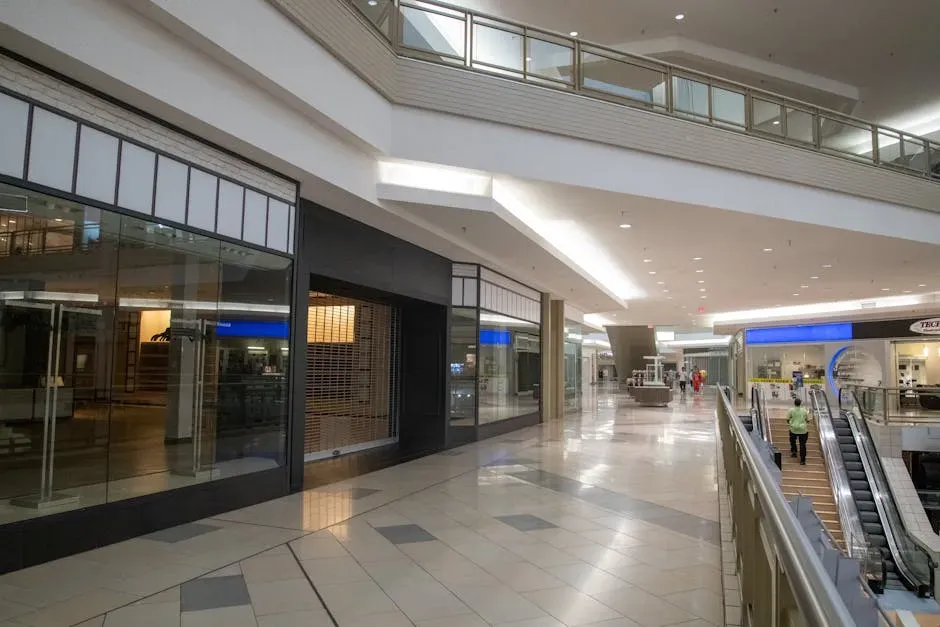
Even with vacancies, landlords hold out for premium rates in prime spots. Chains can’t justify the costs when sales plummet. SF Centre defaulted on a $558 million loan in 2023, highlighting the financial crunch.[1]
San Francisco’s retail woes show no quick fix, with the SF Centre mall itself shuttering in early 2026. Smaller shops hang on, but big chains keep waving goodbye. The city might need bold changes to lure back the crowds that once defined its streets.