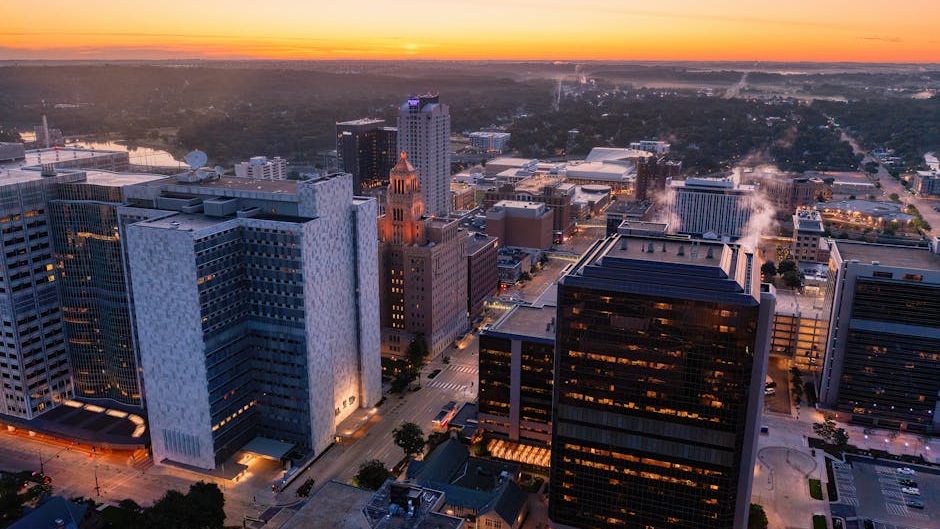

Delivery drivers crisscross American cities every day, handing off packages and meals to strangers amid traffic and tight schedules. Their frontline role makes them keen observers of local courtesy, from quick hellos at doors to patience on the road. While direct nationwide polls of drivers on city politeness remain limited, recent studies on urban rudeness capture service interactions that mirror gig workers’ realities, including complaints about rude customers topping their challenges.[1][2]
Surveys like Preply’s 2024 analysis of over 40 major metros highlight patterns in behaviors toward service staff and strangers. These insights align with delivery pros’ experiences, where politeness eases the grind. Lower rudeness scores point to smoother drops and fewer hassles.
Omaha, Nebraska
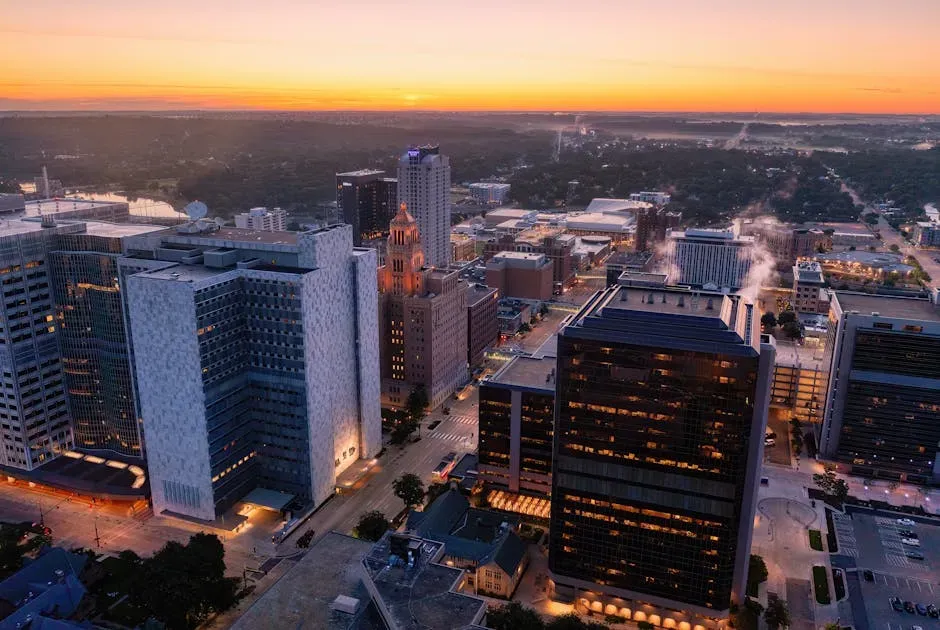
Omaha leads as America’s least rude city in Preply’s latest survey, with residents scoring low on public annoyances like loud phones and service snubs.[2] Drivers here likely face fewer door slams or ignored buzzes. The Midwest vibe fosters basic nods and clear directions.
Locals show restraint in shared spaces, avoiding the chaos that frustrates gig routes elsewhere. This calm helps drivers stick to times without extra drama. Omaha’s steady politeness stands out in a rushed nation.
Minneapolis, Minnesota
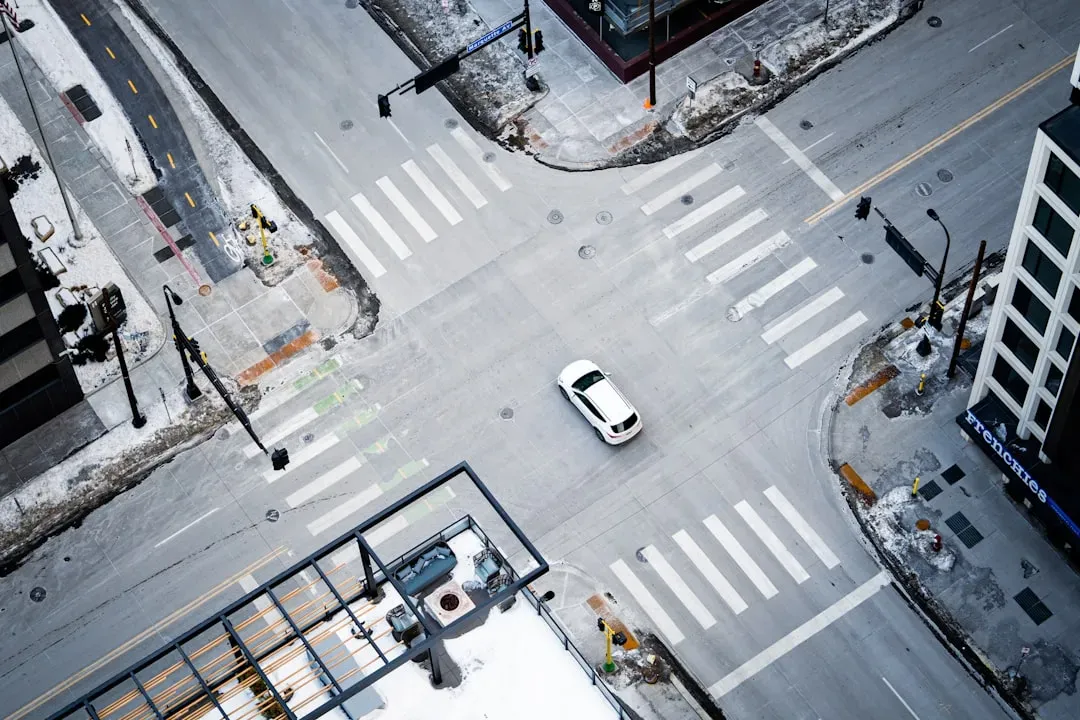
Minneapolis ranks second politest, thanks to considerate walkers and drivers who yield merges.[2] Delivery folks appreciate the “nice” stereotype holding true at drop-offs. Servers and strangers get fair treatment across the board.
Winter roads test patience, yet locals keep cool without honks or gestures. Drivers report easier navigations in this orderly setting. The city’s low drama keeps routes flowing.
San Diego, California

San Diego claims third spot for minimal rudeness, with chill attitudes toward public courtesy.[2] Beach town ease translates to patient customers waiting for meals. Phone etiquette stays private, sparing drivers awkward waits.
Consistent low scores on service rudeness suggest welcoming porches for packages. Traffic moves without the aggression seen elsewhere. This coastal courtesy lightens drivers’ loads.
Columbus, Ohio
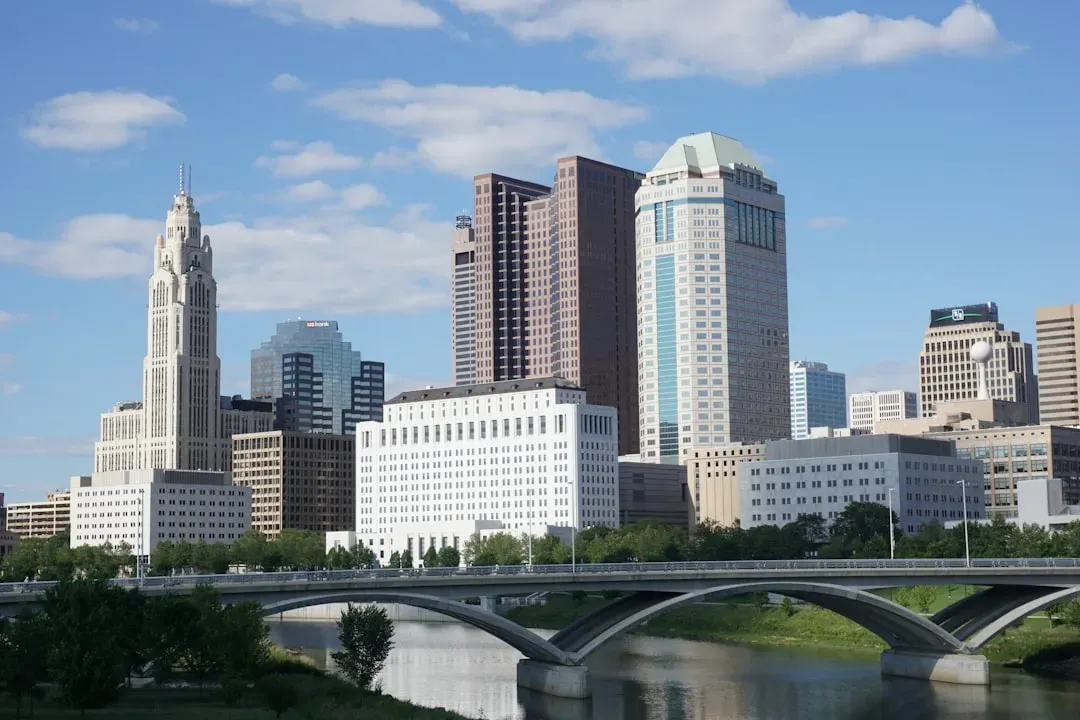
Columbus shines in friendliness polls, topping Preply’s list alongside low rudeness elsewhere.[3] Drivers benefit from Ohio’s heartland helpfulness at every stop. Strangers offer smiles, easing hurried handoffs.
The city scores well on awareness in aisles and streets, key for safe deliveries. Gig workers find fewer blocks or complaints here. Columbus keeps interactions smooth and short.
Miami, Florida
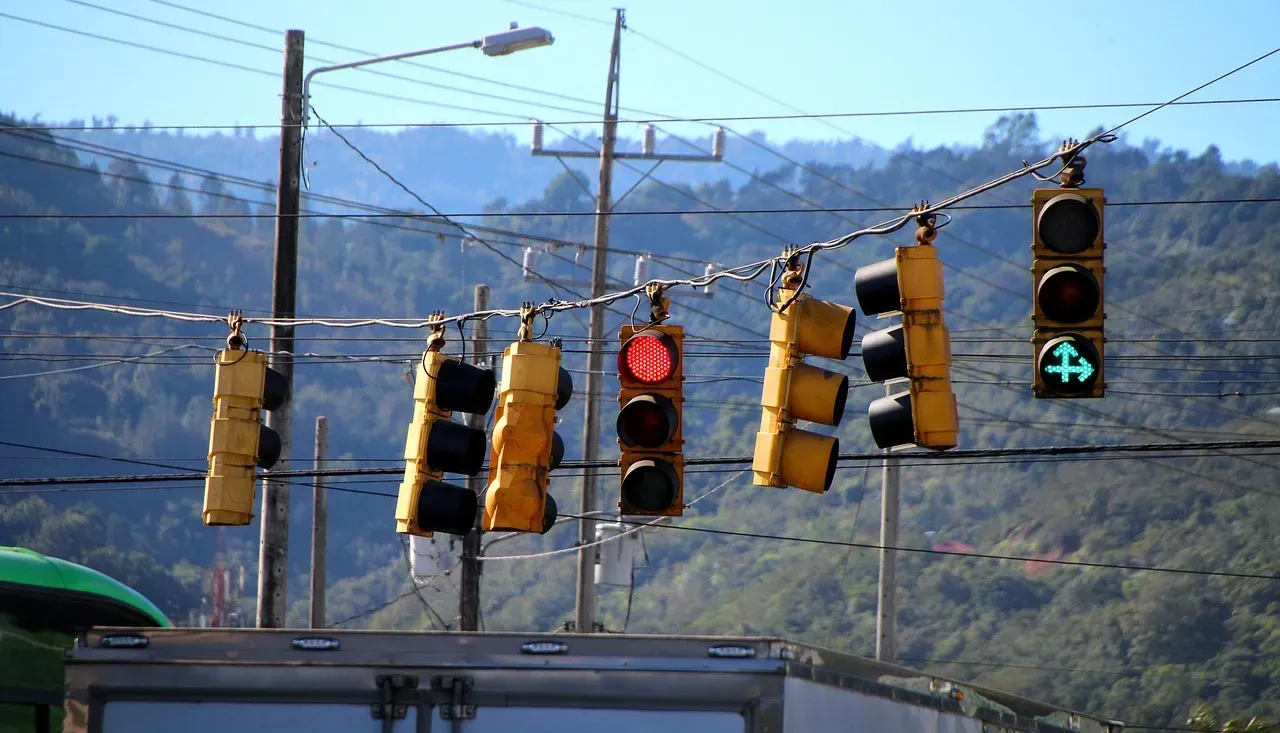
Miami wears the rudest crown with a near-perfect 9.88 score, driven by loud public spaces and service snaps.[2] Delivery drivers dodge aggressive merges and impatient doors. Phone blasting adds to the frenzy at drop points.
Locals admit high tolerance for chaos, but it wears on gig pros racing deadlines. Pedestrian blocks and honks compound the stress. Miami’s energy flips to hassle for drivers.
Philadelphia, Pennsylvania
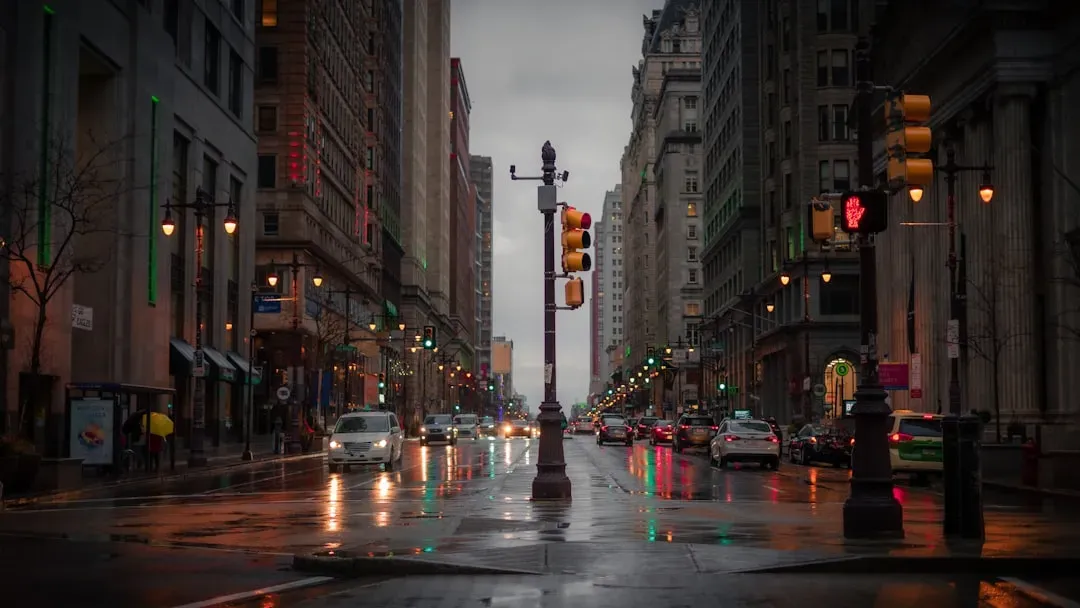
Philly grabs second rudest at 9.12, with bold drivers cutting lanes freely.[2] Drivers face curt exchanges and ignored buzzers often. Service staff bear the brunt of short fuses.
City pride mixes with public gripes over walkers and talkers. Deliveries turn tense amid the hustle. Philly’s edge sharpens interactions for road warriors.
Tampa, Florida
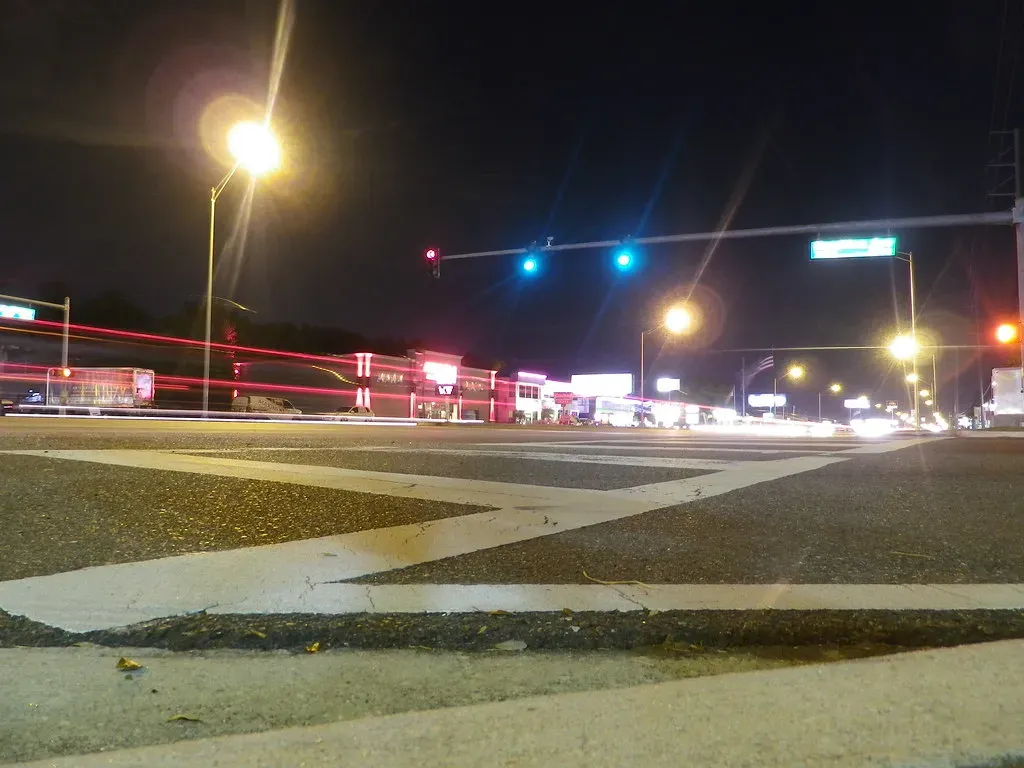
Tampa clocks 8.88 rudeness, trailing Miami but leading in road rage.[2] Drivers navigate hot tempers and sudden stops. Customer snaps echo louder in humid heat.
Shared space clashes frustrate routes through suburbs. Gig logs likely fill with close calls here. Tampa tests drivers’ calm daily.
Gig Workers’ Top Gripes
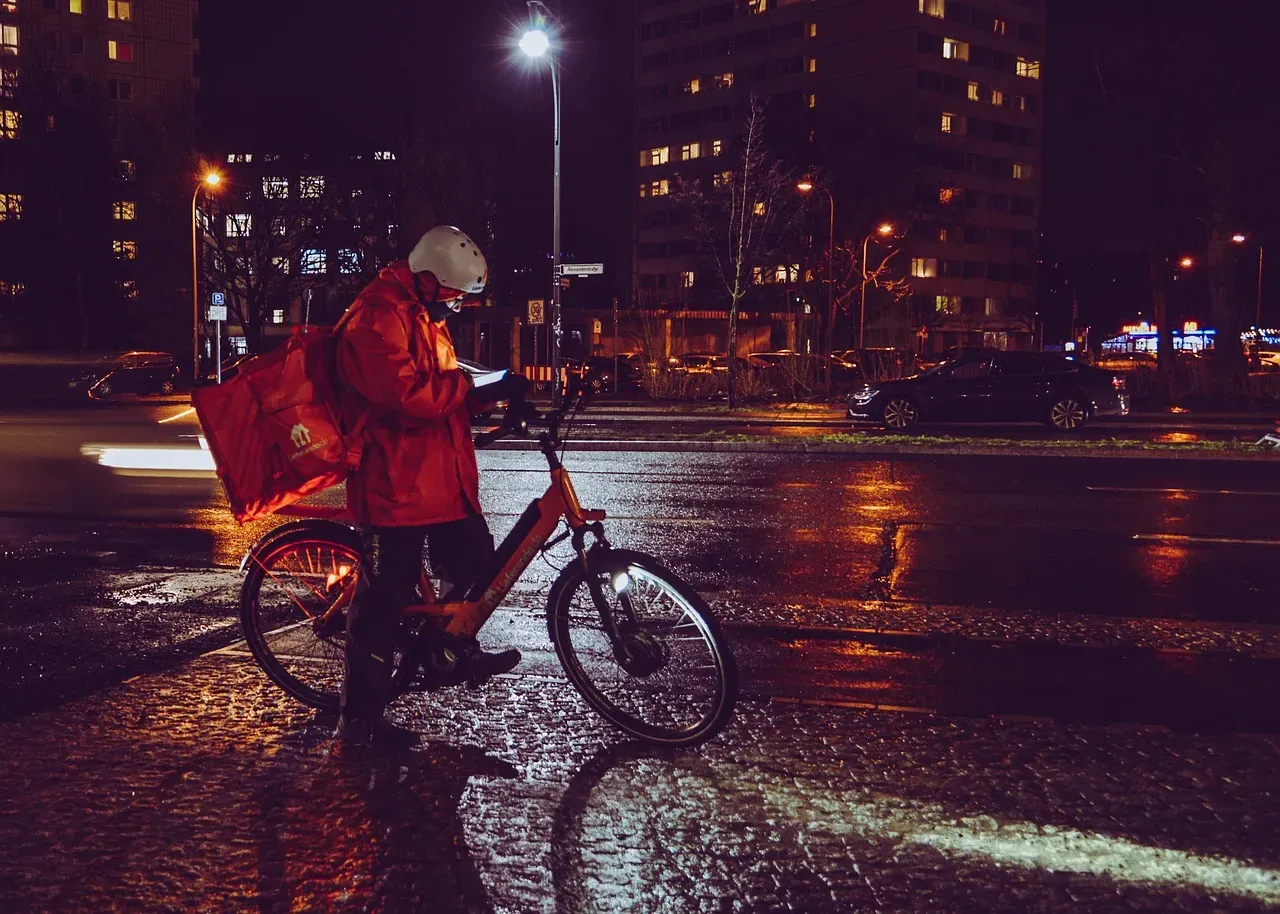
Rude customers rank as delivery drivers’ biggest hurdle, per INSHUR’s 2024 study.[1] Long hours follow, but attitude clashes hit hardest. Cities with high scores amplify these pains.
Service rudeness ties directly to tips and ratings. Polite spots yield better days overall. Drivers vote with their routes.
Road and Door Factors
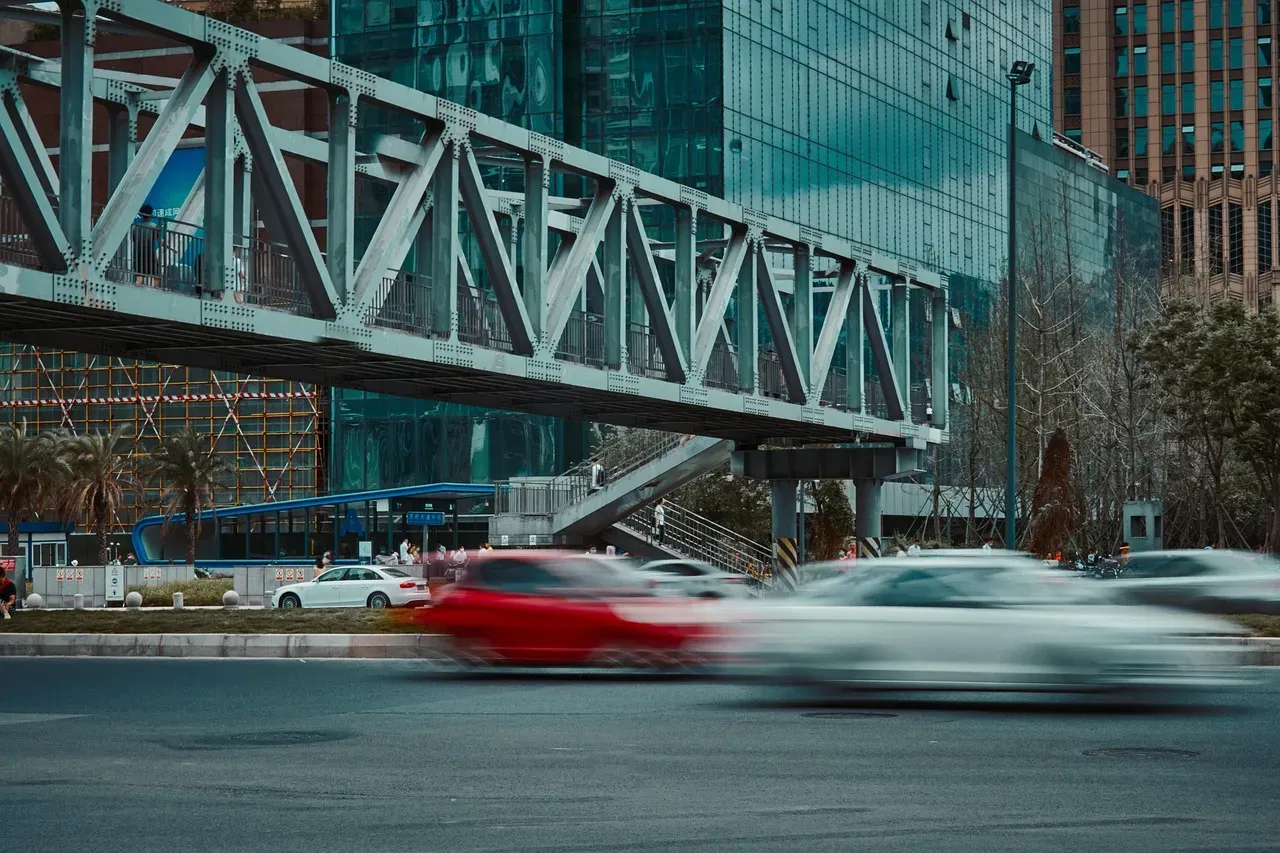
Politeness hinges on merges, pedestrian space, and hello speeds.[2] Best cities ease all three for pros. Rude ones pile on violations.
Surveys link low rudeness to fewer gestures or yells. Drivers thrive where basics hold. Patterns hold across metros.
Paths to Kinder Streets
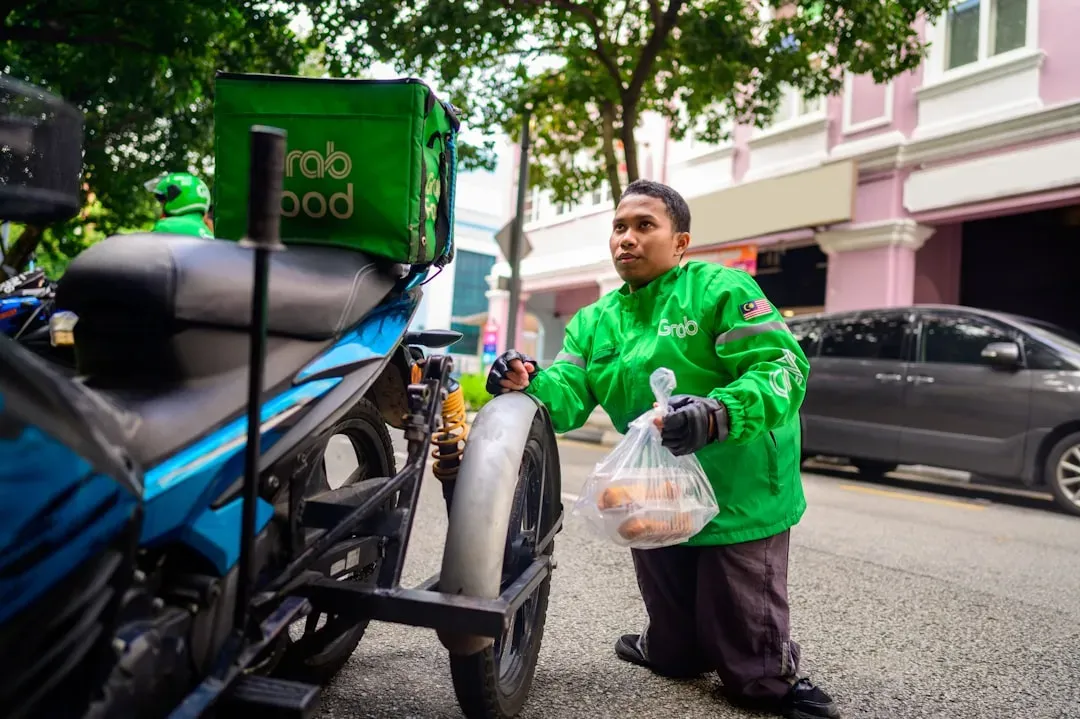
Small shifts like quiet phones cut rudeness fast. Awareness training could help service towns. Drivers seek these basics everywhere.
Cities investing in courtesy see gig appeal rise. Preply trends show southern and midwest leads. Change starts local.
Delivery drivers’ daily grind reveals America’s courtesy map clearly. While surveys draw from residents, they echo gig realities on the ground. Kinder cities make the job bearable, one stop at a time.