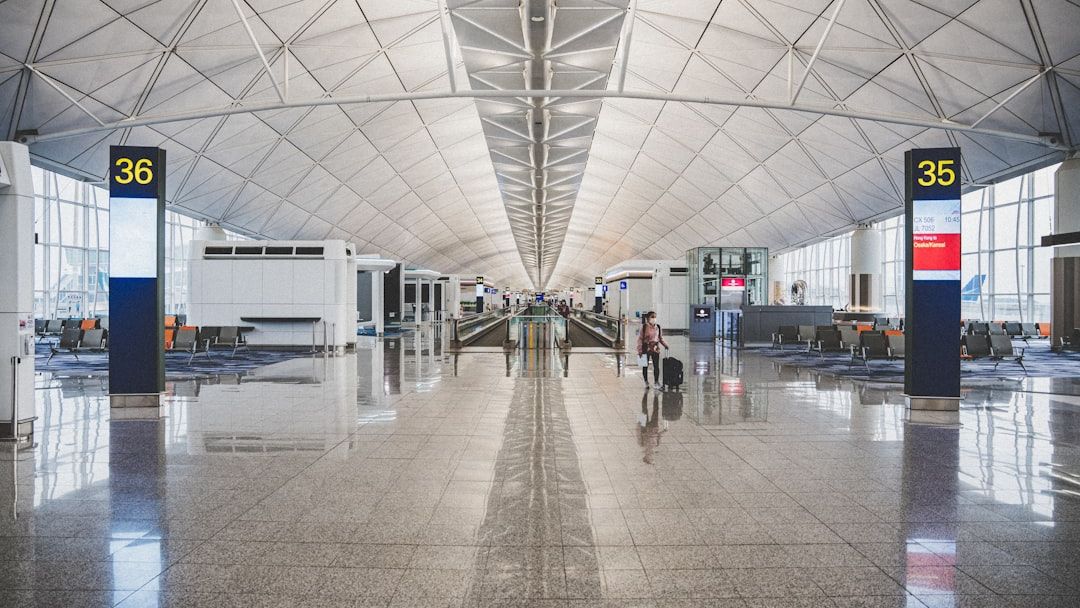
Roots in Airline Deregulation (Image Credits: Unsplash)
In places like Rhinelander, Wisconsin – a town of roughly 8,000 people nestled in the Northwoods – commercial flights arrive daily despite the modest demand. This connectivity stems from the Essential Air Service program, a federal effort launched decades ago to prevent airline deregulation from isolating small communities. The initiative subsidizes airlines to maintain scheduled service, linking these areas to larger airports and the national network.[1]
Roots in Airline Deregulation
Congress created the Essential Air Service in 1978 as part of the Airline Deregulation Act. Lawmakers worried that freeing airlines to chase profitable routes would leave smaller towns behind. The program guaranteed a basic level of air service to communities previously served by certificated carriers.[2]
Initially temporary, the EAS gained permanent status through repeated extensions. The Civil Aeronautics Board oversaw it until 1985, when the Department of Transportation took over. Today, it reflects a balance between market forces and public need, ensuring rural residents retain access to air travel.[3]
Over the years, eligibility tightened. The FAA Modernization and Reform Act of 2012 capped participation to communities receiving aid between 2010 and 2011 or facing service cuts. Recent updates in the 2024 FAA Reauthorization Act further refined rules, including subsidy caps per passenger.[2]
Mechanics of Subsidy and Service
The Department of Transportation awards contracts through competitive bidding, typically lasting two to four years. Airlines propose routes, frequencies, and aircraft types, with subsidies paid per completed flight based on invoices. Carriers must meet minimums, often two round trips daily to a hub using 30- to 50-seat planes, though smaller aircraft or more flights qualify in some cases.[2]
Eligibility demands rigor. In the contiguous 48 states, communities need an average of 10 daily enplanements or must sit more than 175 miles from the nearest large or medium hub. Subsidy per passenger cannot exceed $650 for closer sites or $1,000 generally – dropping to $850 after October 2026. Alaska and Hawaii follow adjusted criteria.[1][3]
- Maintain 10 enplanements per service day (waivable for short-term drops).
- Distance over 90 miles from a medium/large hub.
- Historical service pre- or post-deregulation.
- Per-passenger subsidy limits to control costs.
Contracts prioritize reliability, marketing efforts, and ties to major carriers. The Alternate EAS option lets communities manage grants for charter or taxi services.[2]
Real Impact in Towns Like Rhinelander
Rhinelander-Oneida County Airport exemplifies EAS success. SkyWest Airlines, operating as Delta Connection, flies Bombardier CRJ-550s to Minneapolis-Saint Paul. The current four-year contract, effective February 2024, carries an annual subsidy topping $6 million, ensuring two daily round trips.[3][4]
Other recipients span the map: Prescott, Arizona; Fort Dodge, Iowa; and Iron Mountain, Michigan. Regional operators like Southern Airways Express and Boutique Air dominate, often partnering with majors such as United or Delta. These flights support tourism, medical travel, and business in areas where driving hours to hubs would otherwise dominate.[3]
Passengers book seamlessly via airline apps, unaware of the backing. In 2025, the program cost nearly $690 million, with individual routes subsidized from thousands to millions yearly.[1]
Debates Over Costs and Sustainability
Critics highlight escalating expenses – up over 500% since 1997 – and question efficiency, citing averages like $74 per passenger excluding Alaska. Some routes near unsubsidized airports fuel calls for reform.[3]
Yet supporters emphasize economic lifelines. Airports attract industry, and service bolsters remote livelihoods. Recent funding battles, including averted lapses and proposed cuts, underscore tensions. As of 2026, the program endures, with tighter caps ahead.[1]
Proposals like Project 2025 eyed reductions, but congressional backing persists. DOT continues selecting carriers amid bids, balancing access against taxpayer dollars. For now, EAS keeps rural skies active.