

1. Refrigerators

Your refrigerator hums away in the kitchen day and night without you noticing much. It keeps food cold around the clock, which makes it one of the top energy users in most homes. Older models especially guzzle more power because their seals wear out and compressors struggle. Placing it near a heat source like an oven forces it to work harder too. Even small habits like leaving the door open add up over time. Cleaning the coils regularly helps a bit, but the constant cycle is what really drives up the bill. Think about how it never takes a break, unlike lights or fans that you switch off.
Freezers face similar issues if tucked in a garage where temperatures fluctuate. They cycle on more often to fight the warmth seeping in. Upgrading to an efficient model pays off eventually through lower monthly costs. Still, the everyday reality is that this appliance quietly claims a big slice of your electricity. Doors that don’t seal properly let cold air escape, making everything worse. Frequent defrosting by hand can ease the load somewhat. Most folks overlook it until the bill arrives, surprised by the impact.
2. Electric Water Heaters
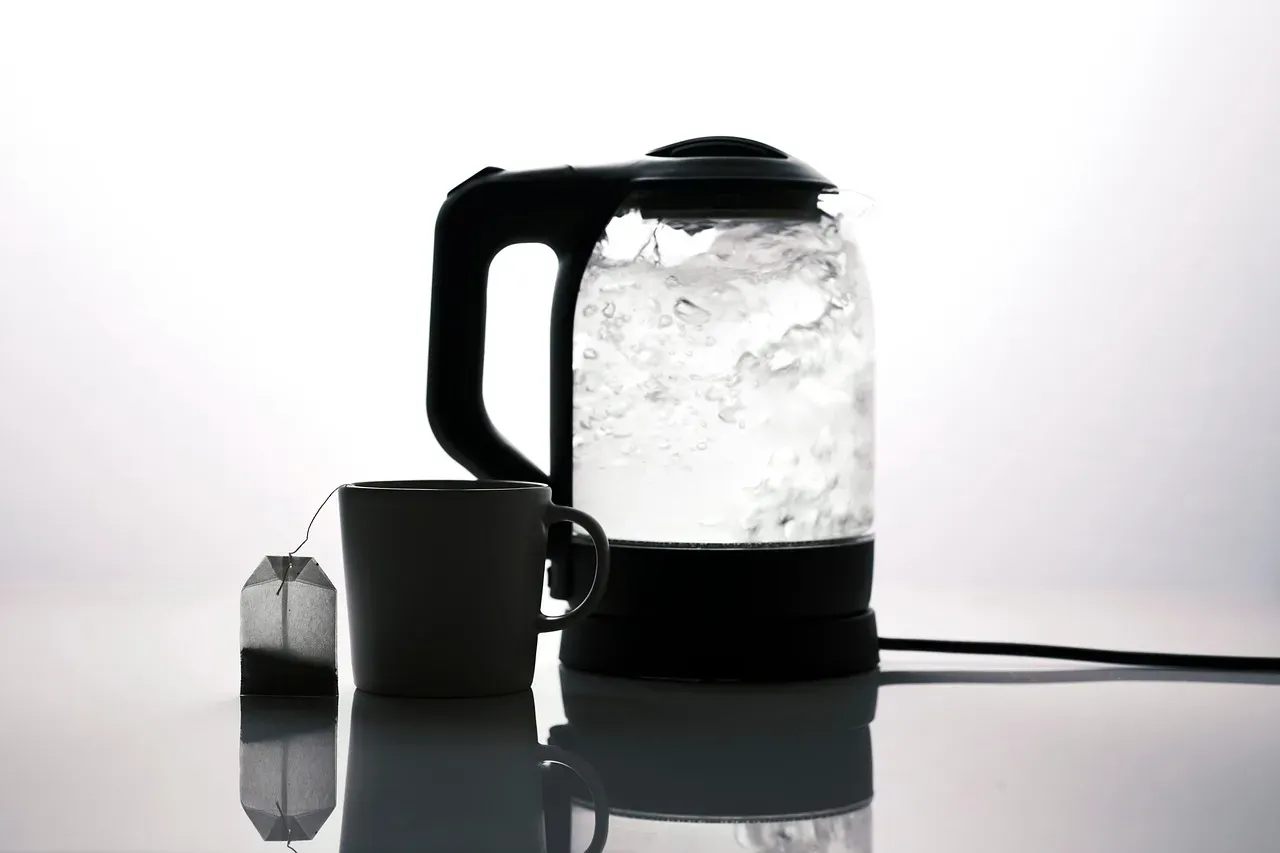
Every hot shower or load of dishes pulls from the water heater that sits there heating tank after tank. It kicks in whenever you turn on the tap, often running longer than you realize. In homes with lots of baths or laundry, this adds up fast without a second thought. Sediment buildup inside makes it less efficient over years of use. Setting the temperature too high wastes energy keeping water hotter than needed. Insulating the pipes helps retain heat better. These units stay ready all day, silently waiting for the next demand.
Families with kids or guests see even higher usage from back-to-back showers. Draining the tank yearly removes gunk and improves performance. Switching to a timer model cuts standby losses when no one’s home. Yet the core issue remains its heavy reliance on electricity for heating. Low-flow showerheads reduce the hot water needed overall. Many overlook how this one appliance rivals the whole lighting bill. Regular maintenance keeps surprises at bay come billing time.
3. Clothes Dryers
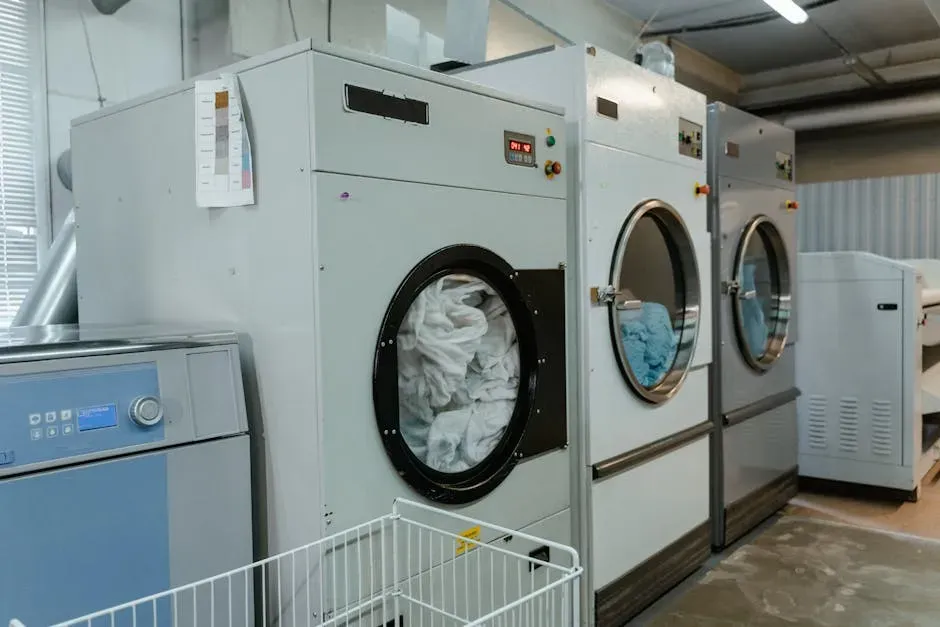
Tossing in a load after the washer finishes seems routine, but dryers pull serious power per cycle. They blast hot air for an hour or more, depending on the fabric and fullness. Vent clogs from lint trap the heat inside, forcing longer runs. Overloading squeezes clothes together, extending dry time further. Gas versions use less electricity, but electric ones dominate many homes. Air-drying on a rack outside saves the most, though not always practical. This appliance spikes the meter more noticeably than smaller gadgets.
Cleaning the vent duct deeply once a year prevents fire risks and efficiency drops. Newer models with moisture sensors stop sooner, trimming usage. Still, frequent loads in big households keep costs climbing. Peak hour operation hits harder with time-based rates. Hanging clothes overnight works well in mild weather. Folks often underestimate how one chore balloons the bill. Smart habits turn this energy hog into something more manageable.
4. Air Conditioners
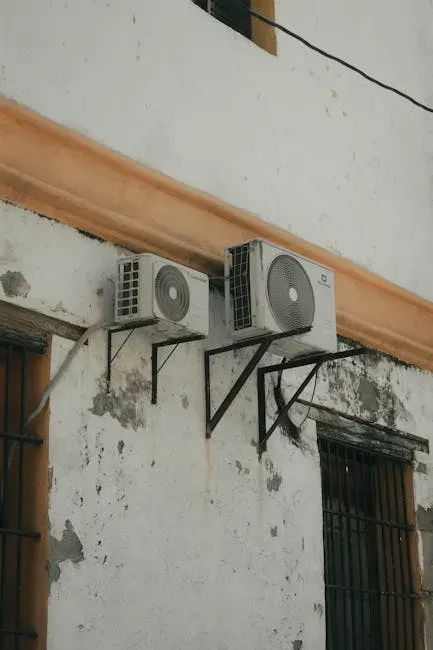
Central or window units roar to life in summer, cooling rooms but chomping electricity in hot spells. Older ones leak efficiency through worn parts and poor insulation. Dirty filters block airflow, making fans and compressors strain. Setting it too low triggers constant running without much comfort gain. Shading the outdoor unit helps it breathe easier. In warmer climates, this becomes the bill’s biggest line item by far. Phantom power even when off adds a sneaky extra.
Ceiling fans paired with higher thermostat settings fool the body into feeling cooler. Sealing window gaps stops cooled air from escaping outside. Annual servicing tunes it up for peak performance. Programmable thermostats learn your schedule to idle when away. High-use seasons demand vigilance to avoid shocks. Many treat it like background noise until statements arrive. Simple tweaks reclaim control over summer expenses.