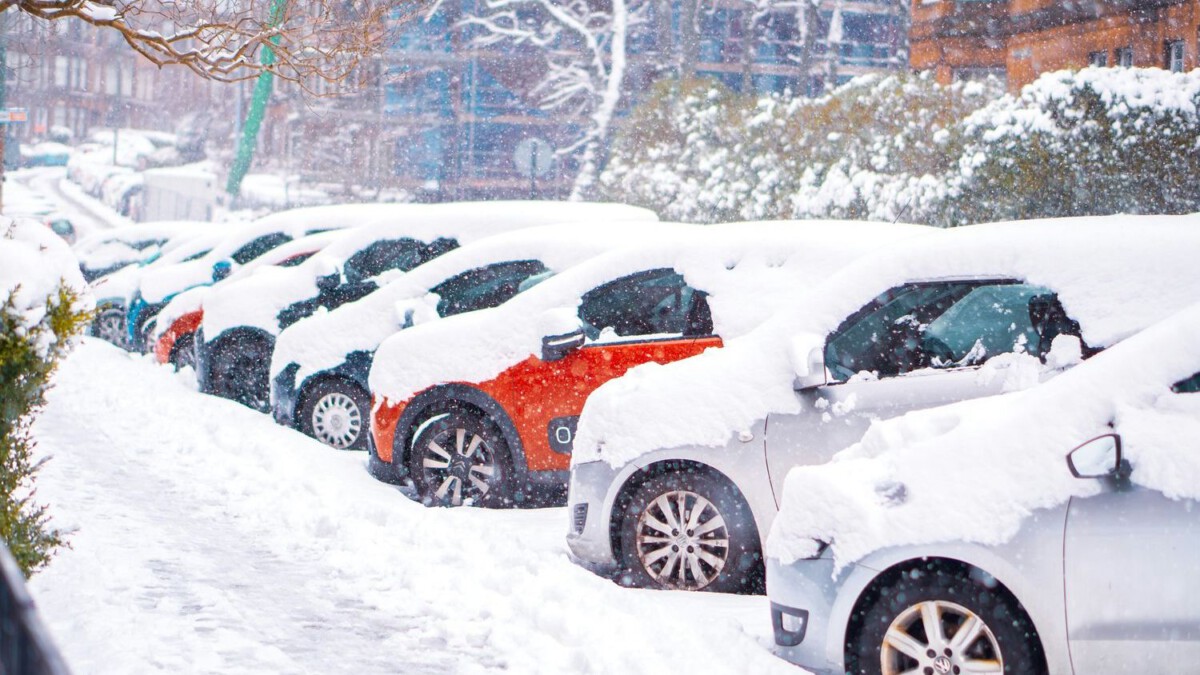
Forecast Highlights: Heavy Accumulations Expected (Image Credits: Unsplash)
Colorado and New Mexico residents faced renewed winter hazards on Thursday as a powerful late-season storm delivered heavy snow across the southern Rockies. The National Weather Service issued warnings highlighting accumulations that could reach 20 inches in higher elevations, complicating travel through key mountain passes.[1][2] Officials urged caution amid slushy roads and reduced visibility, marking a stark reminder of spring’s unpredictable weather in the region.
Forecast Highlights: Heavy Accumulations Expected
The storm system promised significant snowfall, with the heaviest bands targeting mountainous terrain. Forecasters predicted 6 to 12 inches below 11,000 feet in southern Colorado, escalating to 20 inches or more at higher spots.[1] Northern New Mexico faced 3 to 8 inches up to 9,500 feet, with up to 14 inches above that threshold, particularly in the northern mountains.
This late-season event stood out for its wet, heavy snow, which differed from drier winter flurries. The National Weather Service emphasized that such precipitation could persist through Friday, with peak intensity overnight Thursday into Friday morning.[1] Accumulations aligned with patterns seen in prior spring storms, though totals varied sharply by elevation and exposure.
| Region | Lower Elevations | Higher Elevations |
|---|---|---|
| Southern Colorado | 6-12 inches | Up to 20 inches |
| Northern New Mexico | 3-8 inches | Up to 14-15 inches |
Areas Under Warning: Mountain Passes in the Crosshairs
Specific zones bore the brunt of the alerts. In Colorado, the Sangre de Cristo Mountains, Wet Mountains, Teller County, Rampart Range, and Pikes Peak region prepared for the worst.[1] New Mexico’s Sangre de Cristo Mountains and Raton Pass also received heavy snow warnings, where 5 to 15 inches loomed above 9,000 feet.
Interstate 25 emerged as a flashpoint, with snow along the corridor threatening disruptions between the two states. Blowing snow exacerbated conditions overnight, slashing visibility across higher terrain. Travelers encountered snow-packed surfaces early Thursday, prompting road crews to deploy plows and salt trucks.
- Sangre de Cristo Mountains (both states): Highest totals expected
- Raton Pass, NM: Hazardous for cross-state drivers
- Pikes Peak area, CO: Slippery roads and potential closures
- Teller County, CO: Wet snow risks to power lines
Travel Challenges Dominate Concerns
The National Weather Service described snow-covered roads as making travel “very difficult,” especially through the end of the week.[1] Mountain passes posed the greatest risks, where blowing snow reduced visibility to near zero and increased collision chances. Authorities recommended avoiding nonessential trips, particularly after dark.
Slushy and slippery roadways affected commuters and freight haulers alike. Heavy, wet snow clung to vehicles, straining tires and brakes on steep grades. State transportation departments monitored conditions closely, ready to impose chain requirements or full closures if accumulations mounted.
Beyond Roads: Wider Repercussions
Wet snow carried additional threats, including downed tree branches and isolated power outages. The weight snapped limbs burdened by prior spring growth, potentially sparking brief blackouts in rural pockets.[1] Emergency services prepared for possible strandings, echoing past late-season incidents.
Local economies felt the pinch as well. Ranchers in the affected foothills shielded livestock from sudden cold snaps accompanying the snow. Tourism operators in pass communities postponed outdoor plans, redirecting visitors to indoor alternatives.
Preparation and Outlook
Residents heeded familiar advice: check vehicles for winter kits, monitor updates via local NWS offices, and delay travel where possible. The storm underscored the Rockies’ extended winter season, where April blasts remained commonplace despite warming trends elsewhere.
As bands tapered Friday, cleanup crews anticipated a messy weekend. Forecasters eyed drier air returning soon after, though lingering slush could refreeze overnight. This event highlighted the need for vigilance into May, ensuring safety amid nature’s final wintry push.[2]