Why Oil Prices Spiked So Dramatically (Image Credits: Unsplash)
Americans already grappling with elevated living costs now face another pressure point as crude oil prices vaulted past $126 a barrel this week. The sharp increase stemmed from stalled negotiations between the U.S. and Iran, casting fresh doubt on resolving the ongoing conflict that has disrupted key oil shipping routes. Families across the country could soon see this reflected in higher prices at the gas pump and beyond, amplifying everyday financial strains.
Why Oil Prices Spiked So Dramatically
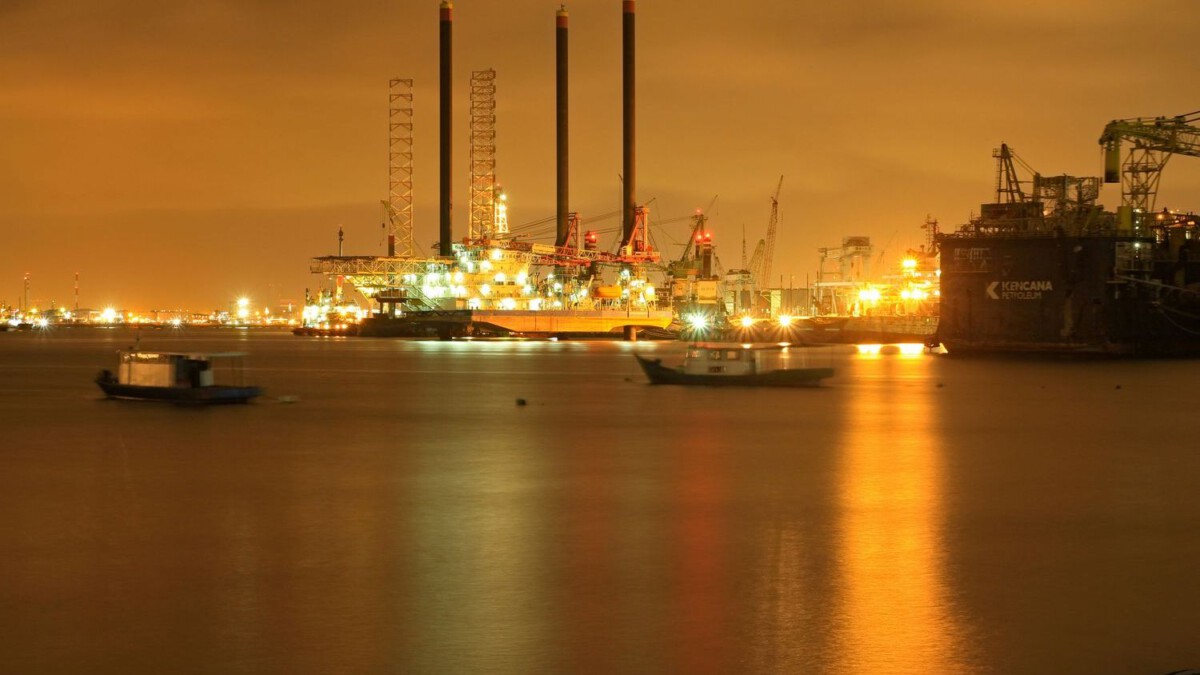
Brent crude, a global benchmark, briefly exceeded $126 per barrel early Thursday before settling with June contracts at $121.90, up 3.3%. Contracts for July delivery climbed 1.4% to $112.02, while benchmark U.S. crude rose 1.3% to $108.28 per barrel. These levels marked a stark departure from pre-war trading around $70 per barrel, before the conflict erupted in late February.
The primary driver remained the closure of the Strait of Hormuz and the U.S. blockade of Iranian ports, which choked off significant oil flows. Reports emerged Thursday of U.S. President Donald Trump rejecting an Iranian proposal to reopen the strait, further dimming prospects for de-escalation. Market analysts at ING Bank noted that the breakdown in talks had eroded hopes for a swift return to normal supply levels.
Such disruptions pushed prices to heights not seen since the 2008 financial crisis peak of $147.50 by some measures. The volatility underscored how geopolitical tensions directly translate into commodity shocks felt worldwide.
The Iran Conflict’s Path to This Point
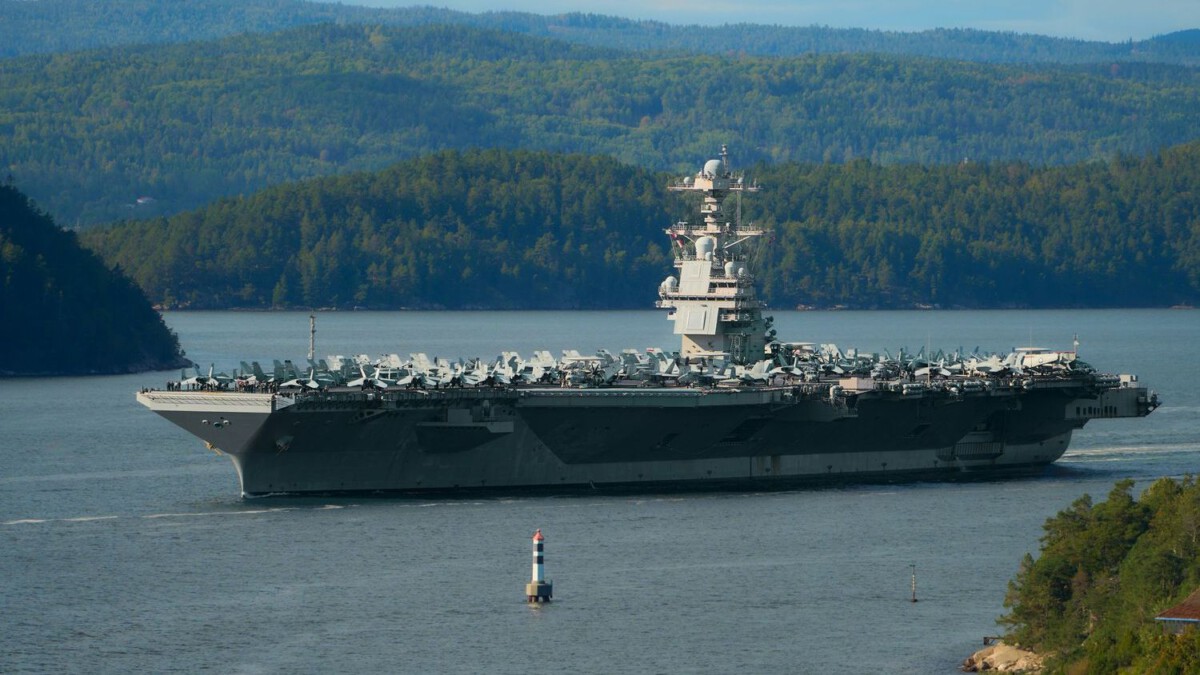
The war began in late February, with no clear resolution in sight after months of deadlock. U.S. forces maintained their naval blockade, preventing Iranian oil exports and tightening global supply. Iran, in response, kept the Strait of Hormuz closed, a chokepoint for roughly one-fifth of the world’s oil trade.
Thursday’s developments added to the uncertainty, as initial optimism from talks faded. President Trump’s reported stance against Iran’s overture signaled potential for prolonged standoff. This sequence of events transformed a regional dispute into a global energy crisis, with ripple effects hitting consumers hardest.
Direct Hit to American Gas Prices
Gasoline prices at U.S. pumps track crude oil costs closely, often with a lag of days to weeks. As Brent and U.S. crude benchmarks surged above $120 and $108 respectively, drivers prepared for increases that could add dozens of dollars to monthly fuel budgets. Before the war, lower oil levels kept average national gas prices more stable; now, the jump from $70 baselines promised steeper hikes.
Households reliant on longer commutes or rural travel stood to feel the pinch most acutely. Truckers and delivery services, key to supply chains, also faced elevated costs that feed into broader pricing. While exact pump figures varied by region, the upward trajectory remained clear amid the supply squeeze.
Ripple Effects on Household Costs
Beyond the gas station, higher oil prices infiltrated multiple areas of American life. Heating oil for homes in colder regions became costlier, straining winter budgets even as spring advanced. Transportation expenses for goods like groceries and consumer products rose, with trucking firms passing on fuel surcharges.
Families budgeted for these interconnected impacts, from inflated utility bills to pricier staples at supermarkets. The Federal Reserve’s steady interest rates offered little immediate relief, as war-driven inflation persisted. Everyday Americans navigated this landscape, adjusting spending amid the energy shock.
- Gasoline: Direct pump price increases for commuters and families.
- Home heating: Elevated costs for oil-dependent regions.
- Groceries and goods: Higher transport fees embedded in retail prices.
- Utilities and travel: Broader energy cost pass-throughs.
What Lies Ahead for U.S. Consumers
Without a breakthrough in U.S.-Iran diplomacy, oil prices risked further climbs, prolonging the strain on American wallets. The absence of a defined end to the war left markets on edge, with strategists warning of sustained high levels until flows resumed. Consumers watched for any signals of progress, knowing each delay compounded the financial toll.
For millions of households, the path forward hinged on geopolitical shifts beyond daily control. As prices settled into this elevated range, many recalibrated priorities, underscoring the human cost of distant conflicts.