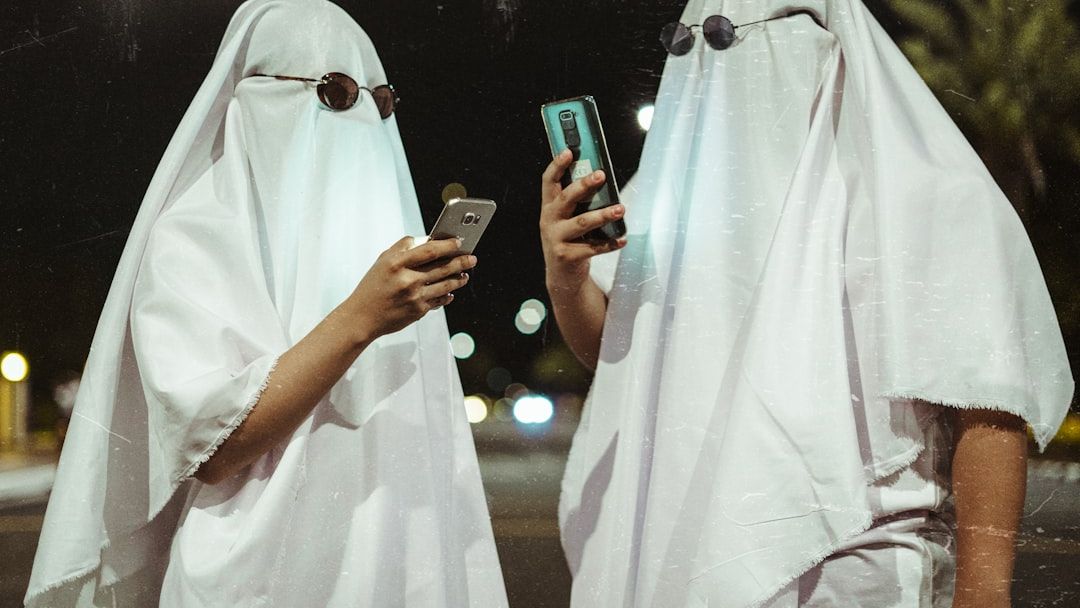

Picture this: you share a great conversation, maybe even a promising date, and then nothing. No explanation, no goodbye, just silence. Ghosting has woven itself into the fabric of modern dating, leaving many wondering what went wrong.
This trend reflects a broader shift. People increasingly opt for digital disappearance over direct talks. As dating moves online, the ease of vanishing grows, but the human cost lingers.[1]
Defining Ghosting in Today’s World
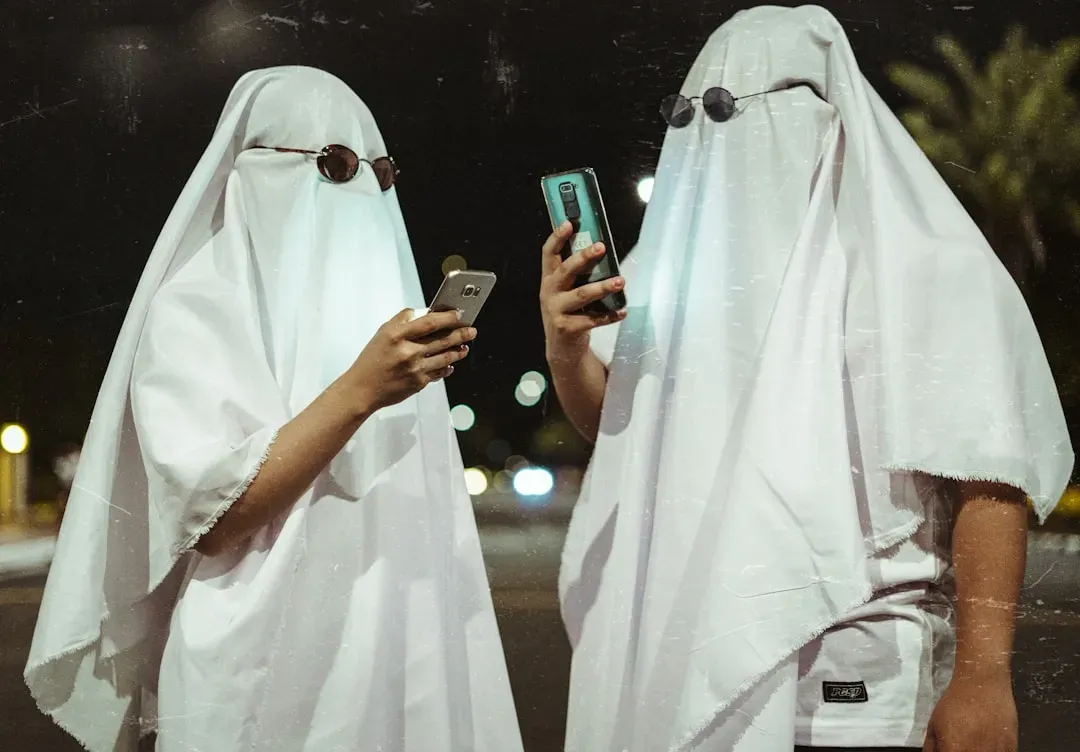
Ghosting means abruptly cutting off communication without warning, often in budding romantic connections. It thrives in the realm of apps and texts, where low stakes make silence simple. Studies show this avoidance has become routine for many.[2]
Unlike a clear breakup, ghosting leaves the other person in limbo. This ambiguity fuels confusion and self-doubt. Over time, it erodes basic courtesy in interactions.
Prevalence Among Online Daters
Around 82 percent of online daters report being ghosted at least once.[2] For singles overall, that figure climbs to 91 percent who have either ghosted or been ghosted. These numbers highlight how common the practice has grown.
Gen Z faces it most, with 79 percent encountering ghosting globally.[2] Women on platforms like Bumble see rates around 70 percent. The data paints a picture of widespread experience.
Dating Apps as Ghosting Accelerators
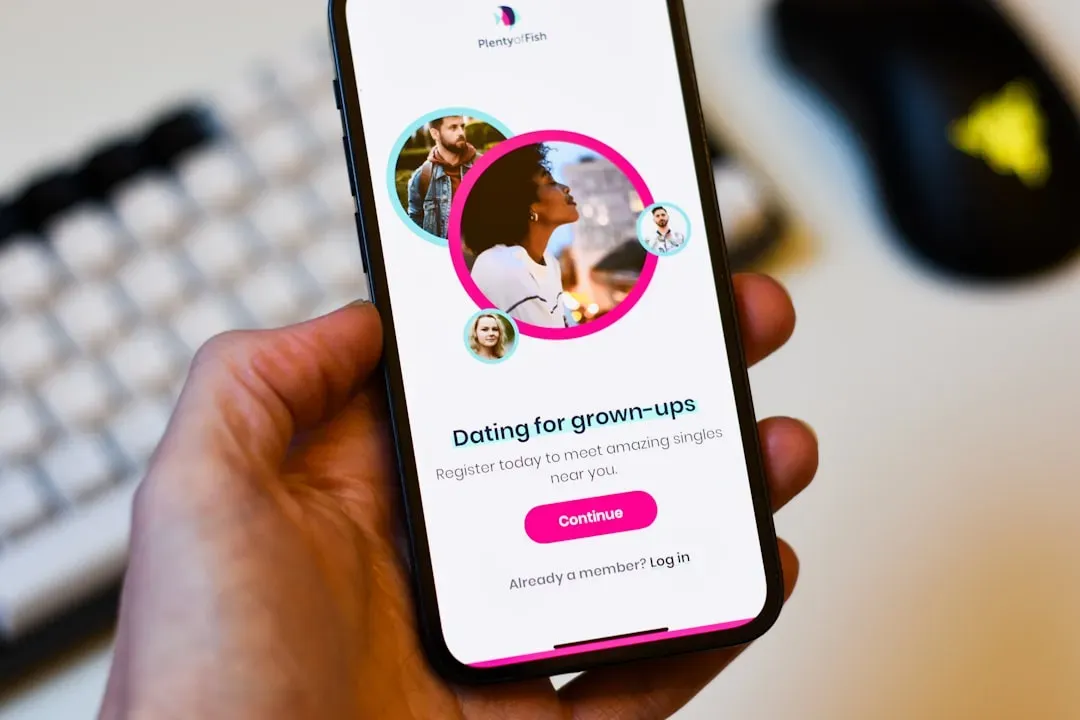
Apps create abundance, with endless options tempting quick exits. Anonymity lowers accountability, making fade-outs effortless. Surveys link higher ghosting to multi-app users, who ghost twice as often.[3]
After just five messages, ghosting peaks at 45 percent on some platforms.[2] This environment prioritizes convenience over closure. No wonder fatigue drives users away from apps altogether.
Fear of Confrontation Drives the Choice

Nearly 70 percent of ghosters cite avoiding tough talks as their main reason.[2] Direct rejection feels risky, exposing vulnerability. Silence seems safer in the moment.
Overwhelm from choices plays a role too, with 47 percent ghosting due to better prospects.[2] Personality factors like low empathy contribute. These patterns reveal deeper discomfort with emotional work.
Younger People Ghost More Often
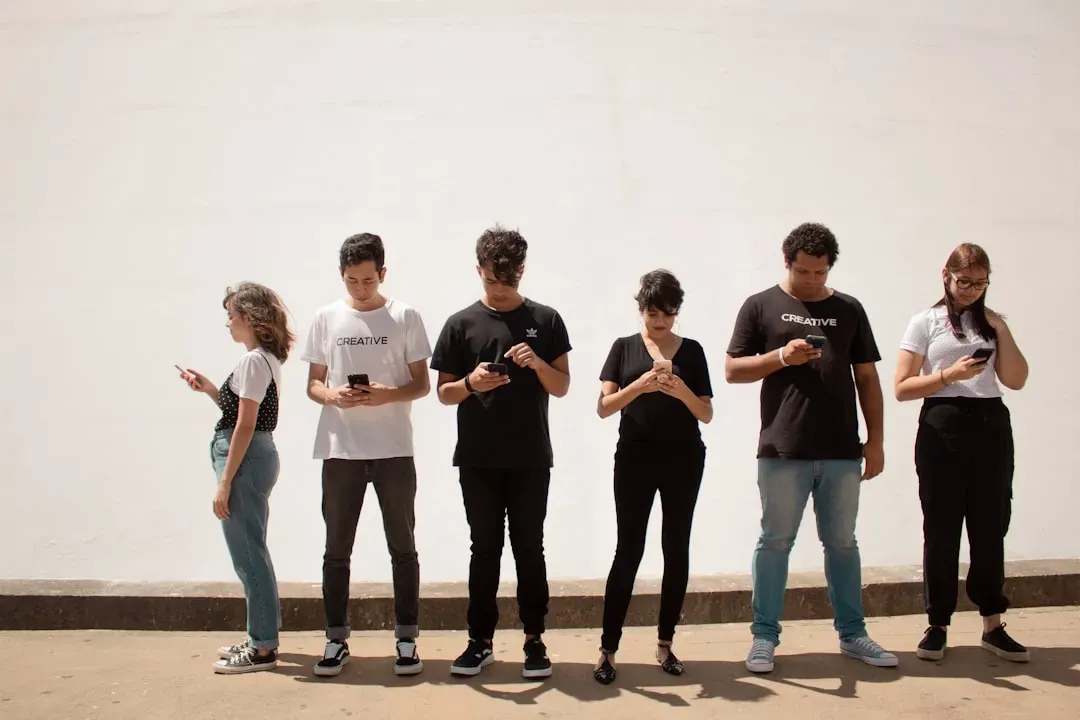
Gen Z and millennials lead, with 77 percent of Gen Z admitting to ghosting.[4] Those under 30 are three times more likely than over-50s.[3] Digital natives normalize the behavior early.
Men tend to ghost more than women overall.[1] Urban daters face it 12 percent higher than rural ones. These demographics show how context shapes habits.
The Prolonged Pain for the Ghosted

Ghosting hurts as much as direct rejection but lingers longer due to uncertainty.[5] Victims report anxiety, lowered self-esteem, and attachment that doesn’t fade quickly. Brain scans link it to physical pain responses.
Seventy-four percent experience anxiety over a week.[2] Trust issues follow for many, with 38 percent noting impacts on future ties.[3] Recovery demands more time without answers.
Attachment Styles Fuel Avoidance

Avoidant types ghost 33 percent more than secure ones.[3] Dark Triad traits like narcissism correlate with detachment in short flings. Emotional immaturity ties to 62 percent of cases.
Introverts ghost 20 percent more from social drain.[3] These traits make bravery harder. Patterns persist across studies.
Erosion of Direct Communication Skills

Constant app use dulls face-to-face breakup abilities. Swiping trains quick judgments over nuance. As apps decline in popularity, in-person dating rises, yet ghosting habits carry over.
Sixty percent lack closure after ghosting.[3] This gap weakens overall relational courage. Society pays in fractured connections.
Normalization in Pop Culture
Ghosting appears in memes and shows as casual humor. Younger users see it as standard, with 72 percent viewing it acceptable for casual ties.[3] This acceptance lowers barriers further.
Yet 75 percent of therapists call it emotional manipulation.[3] Cultural shifts mask the harm. Awareness grows slowly.
Steps Toward Braver Endings
Anti-ghosting features in apps aim to cut rates by 25 percent soon.[2] Video dates already dropped it 15 percent. Small changes encourage accountability.
Building emotional skills helps too. Directness rebuilds trust. Choosing clarity honors everyone involved.
Ghosting thrives on easy outs, but real growth demands facing the music. As we navigate 2026’s digital landscape, reclaiming honest farewells could restore depth to connections. The bravery to speak up starts with one conversation.