
Stockholm, Sweden
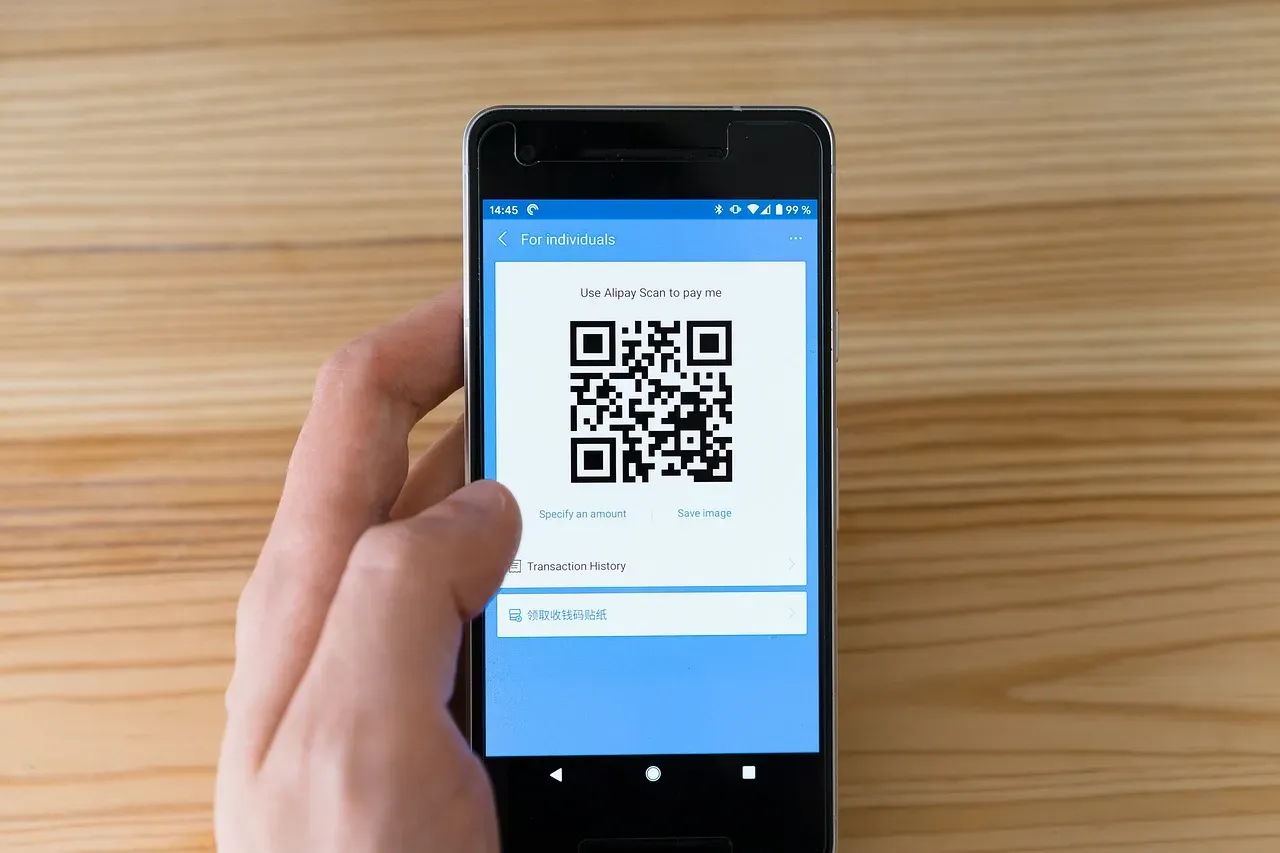
Stockholm has long been at the forefront of going cashless, with digital payments now dominating nearly every transaction in the city. Apps like Swish are used by over 86 percent of Swedes, making quick transfers and purchases a daily norm without pulling out a card. Cash makes up just a tiny fraction of payments, around 13 percent or less, as people turn to mobile wallets for everything from coffee to rent. Apple Pay penetration at point-of-sale terminals sits around 45 percent, showing how tokenized payments are embedding themselves into the urban fabric. Public transport here accepts mobile taps directly, skipping physical cards altogether. Younger folks lead the charge, barely remembering the swipe of plastic. Fraud worries push even more toward biometric-secured apps. Businesses love the speed, cutting down on handling fees and delays.
The shift feels seamless in Stockholm’s tech-savvy streets, where contactless growth outpaces the rest of Europe. Traditional credit cards gather dust as real-time bank transfers via phone take over peer-to-peer and merchant deals alike. Sweden’s payments market hit over 238 billion dollars last year, with mobile leading the surge. Gen Z here opts for debit-linked wallets or buy-now-pay-later over revolving credit. Small shops went card-optional years ago, thriving on digital flows. Security upgrades like tokenization make users trust phones more than plastic. This city proves credit cards aren’t dying overnight, but they’re fading fast among the young and busy. Expect the trend to ripple outward as infrastructure solidifies.
Singapore

Singapore boasts one of the highest digital payment adoption rates worldwide, with 92 percent of residents using them in the past year alone. Phones serve as wallets for 30 percent exclusively, ditching cards for NFC taps and QR scans everywhere. Transaction values topped 92 billion dollars in 2025, fueled by seamless apps from banks and tech giants. Public transit, hawker centers, and malls all run on mobile, making physical cards feel outdated. Contactless rules over 80 percent of payments, with mobile NFC hitting 97 percent of those. Buy-now-pay-later services grow over 20 percent yearly, luring shoppers away from credit interest. Fraud losses push folks to biometric logins on devices. The government’s push for unified QR standards accelerates this card exodus.
In this compact city-state, convenience trumps tradition every time. Digital wallets handle everything from street food to high-end retail without a hitch. Over half of consumers prefer mobile for everyday buys, mirroring global shifts but faster here. Tech expansions from Apple and Google deepen the ecosystem, adding loyalty points and instant rewards. Small businesses stay competitive by going fully digital, slashing costs on card processing. Younger users shun credit debt, favoring instant debit or split payments. Security tokenization cuts fraud risks that plague plastic. Singapore shows how policy and tech can hasten the end of swiping.
London, United Kingdom
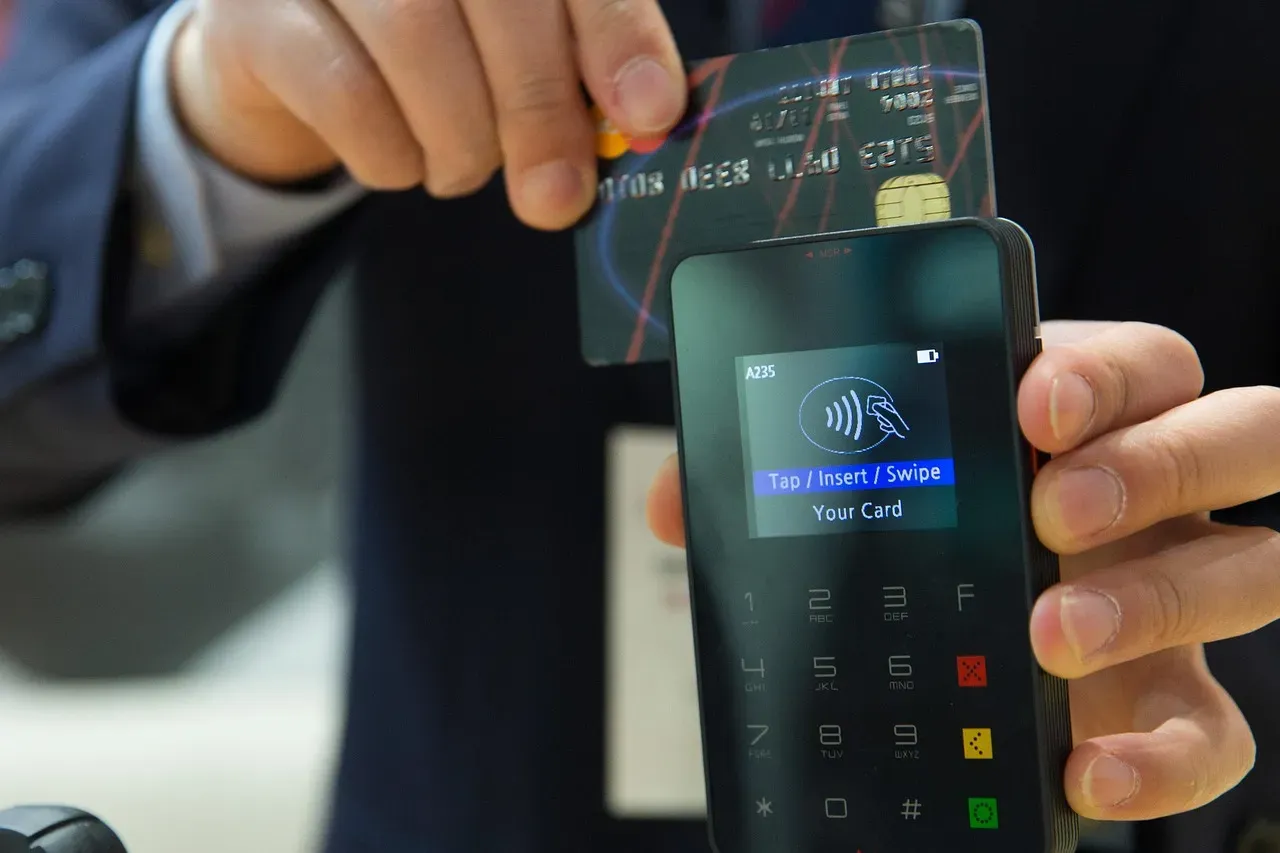
London’s tube and buses run almost entirely on contactless mobile payments, with over a billion taps recorded in recent years. Half of UK adults now use phone payments regularly, up sharply as contactless hits 66 percent of credit transactions. Nine out of ten adults carry a contactless-enabled device, tapping weekly or daily for everything from pints to groceries. Mobile wallets grow at 26 percent annually, outstripping traditional cards in speed and ease. The city’s dense foot traffic favors quick phone unlocks over fumbling for plastic. Gen Z leads, using apps over 50 percent more than credit for daily spends. Fraud billions lost yearly worldwide boost trust in phone biometrics. Retailers push digital to cut lines and fees.
This bustling capital blends old streets with new habits, where cards feel clunky next to seamless taps. Contactless limits rose, letting phones handle bigger buys without PINs. Digital payment volumes surge, with mobile poised for 17 percent yearly growth through the decade. Public systems ditched paper tickets for wallet links years ago. Businesses from markets to chains go cashless, thriving on volume. Security fears drive the switch, as tokens protect better than magstripes. London’s vibe shows credit fading among the young urban crowd. The momentum here hints at broader UK changes soon.
San Francisco, California

San Francisco’s tech heart beats with mobile payments, where over half of US consumers now favor digital wallets over traditional credit cards for routine buys. Small businesses here pioneered cashless or card-optional models, leaning on Apple Pay and Google Wallet for speed. Contactless transactions jumped over 30 percent year-over-year in urban spots like this. The city’s startups and cafes tap phones for everything, from burritos to bikeshares. Public transit accepts direct mobile loads, erasing card needs. Gen Z skips credit, grabbing buy-now-pay-later or debit apps instead. Fraud concerns, costing billions globally, steer users to secure phone vaults. Venture-backed fintechs expand wallet features daily.
In the Bay Area’s innovative scene, plastic cards seem relics of the past. Over 2.7 billion people worldwide use mobile payments, but SF feels it strongest. Tokenized systems from big tech make transactions invisible and safe. Ride-shares and delivery apps default to wallets, building habits. Merchants cut costs, passing savings to tap-happy customers. Younger crowds drive nearly half the shift, ditching debt cycles. The global digital market heads to 14 trillion by 2027, led by spots like this. SF proves tech hubs kill credit dependence quickest.
New York City, New York

New York pulses with mobile adoption, mirroring San Francisco as small businesses embrace cashless vibes and widespread wallet use. Over 50 percent of Americans tap digital more than credit now, but the Big Apple amps it up with endless vendors. Contactless booms over 30 percent yearly in dense urban cores like this. Subway and buses take phone payments straight, no cards required. Hustling streets favor quick NFC over wallet digs. Gen Z here leans on BNPL growing 20 percent annually, avoiding credit traps. Billions in fraud losses globally nudge everyone to biometrics. Fintech density here accelerates wallet ecosystems from giants like Apple.
The city’s non-stop rhythm demands frictionless pay, where cards slow the flow. Mobile handles groceries, cabs, and street eats without pause. Public systems modernized for taps, boosting ridership. Retail from bodegas to boutiques goes digital-first. Security tokenization builds confidence over plastic risks. Young professionals set trends, using wallets for most spends. Global projections show trillions in digital volume soon, with NYC riding the wave. This metropolis signals credit’s urban twilight.