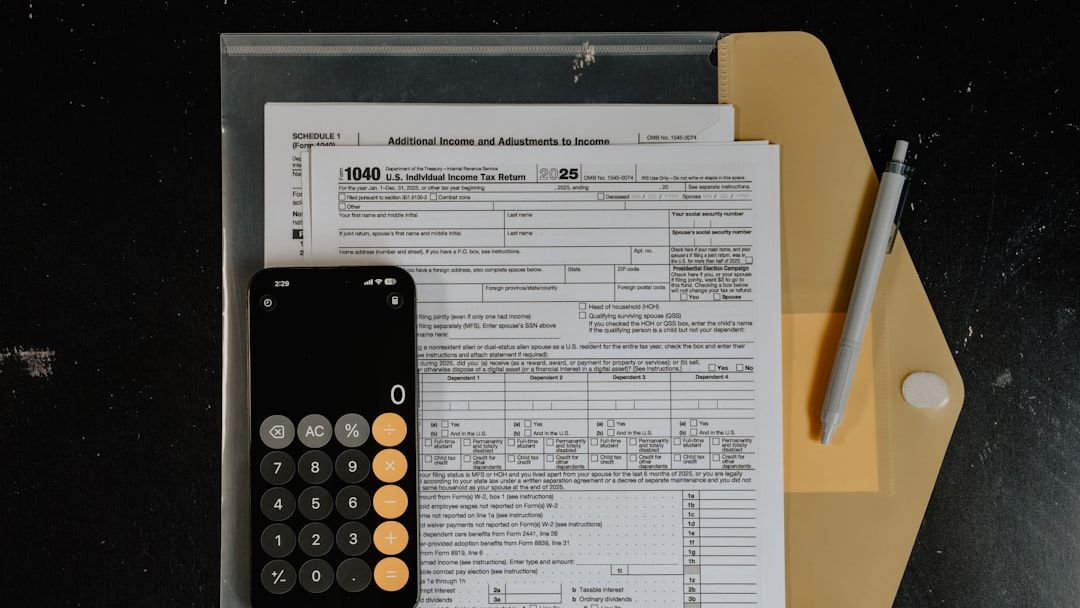
Ask the Tax Editor, May 1: 10-Year Rule for Inherited IRAs – Image for illustrative purposes only (Image credits: Unsplash)
Millions of Americans hold IRAs as a cornerstone of retirement savings, often passing them to family members upon death. However, rules enacted a few years ago have reshaped how non-spouses manage these accounts. Beneficiaries now face a strict timeline to withdraw funds, prompting questions about taxes, penalties, and strategies.[1][2]
Origins of the 10-Year Requirement
The SECURE Act, passed in late 2019, introduced major changes to inherited retirement accounts. Lawmakers aimed to limit the tax-deferred growth period for non-spouse heirs. Prior to this legislation, beneficiaries could stretch distributions over their lifetimes, minimizing annual taxes.[3]
Under the new framework, most non-spouse beneficiaries must empty the inherited IRA within 10 years of the original owner’s death. This applies specifically to accounts inherited after December 2019, when the owner died in 2020 or later. Spouses and certain other heirs remain exempt from this accelerated schedule.[4][5]
Who Falls Under the Rule?
The 10-year deadline targets non-eligible designated beneficiaries, a broad category that includes adult children, siblings, friends, and most trusts. Eligible designated beneficiaries escape this limit. They include surviving spouses, minor children until they reach majority, disabled or chronically ill individuals, and those no more than 10 years younger than the deceased.[6]
For example, if an IRA owner died in May 2025, the beneficiary must complete withdrawals by December 31, 2035. This full depletion requirement holds regardless of the beneficiary’s age or financial needs. Non-spouse heirs who inherited before 2020 continue under the old stretch provisions.[1]
Navigating Required Minimum Distributions
Confusion arose over whether annual withdrawals were mandatory during the 10-year window. The IRS issued final regulations in 2024 to clarify this. For IRAs inherited from owners who died in 2020 through 2024 and had reached required minimum distribution age, beneficiaries needed yearly payouts from 2021 to 2029, with full depletion by year 10.[7]
Starting with deaths in 2025 or later, the rules simplified. Beneficiaries simply empty the account by the end of the 10th year, without intermediate required minimum distributions. This shift offers more flexibility in timing withdrawals to manage tax brackets. Still, procrastination carries risks, as the IRS now enforces compliance more rigorously.[8][9]
Tax implications remain central. Distributions from traditional IRAs count as ordinary income, potentially pushing beneficiaries into higher brackets if lumped at the end. Roth IRAs, being after-tax, allow tax-free withdrawals, though the 10-year rule still applies.[4]
Common Pitfalls and Exceptions
Many beneficiaries overlook the rule’s scope. It covers traditional, Roth, SEP, and SIMPLE IRAs, but not employer plans like 401(k)s unless rolled over. Trusts named as beneficiaries often trigger see-through rules, complicating the timeline further.[10]
Failure to comply incurs a 25% excise tax on undistributed amounts, reduced to 10% if corrected timely. Recent guidance emphasizes proactive planning. Experts recommend reviewing beneficiary forms and consulting advisors early.[11]
- Confirm inheritance date: Pre-2020 deaths follow lifetime stretch.
- Check beneficiary status: Eligible heirs get extended options.
- Track RMDs if applicable: Especially for 2020-2024 inheritances.
- Model tax impact: Spread withdrawals to optimize brackets.
- Consider Roth conversions: Original owners could plan ahead.
Strategies for Effective Management
Beneficiaries hold several levers to minimize taxes. Spreading withdrawals evenly over 10 years often proves optimal, avoiding a year-10 tax bomb. Those in low-income years might accelerate early distributions.
Financial advisors stress documenting compliance. Tools like IRA calculators help project scenarios. For 2026 heirs, the absence of annual RMDs provides breathing room, but vigilance remains essential.[12]
Key Takeaways: The 10-year rule accelerates IRA depletions for most non-spouses, but flexible timing post-2025 eases burdens. Always verify your status and plan distributions to control taxes.
As enforcement tightens, more families grapple with these changes. Proactive steps today can preserve wealth tomorrow, turning an inheritance into a lasting benefit rather than a tax headache.