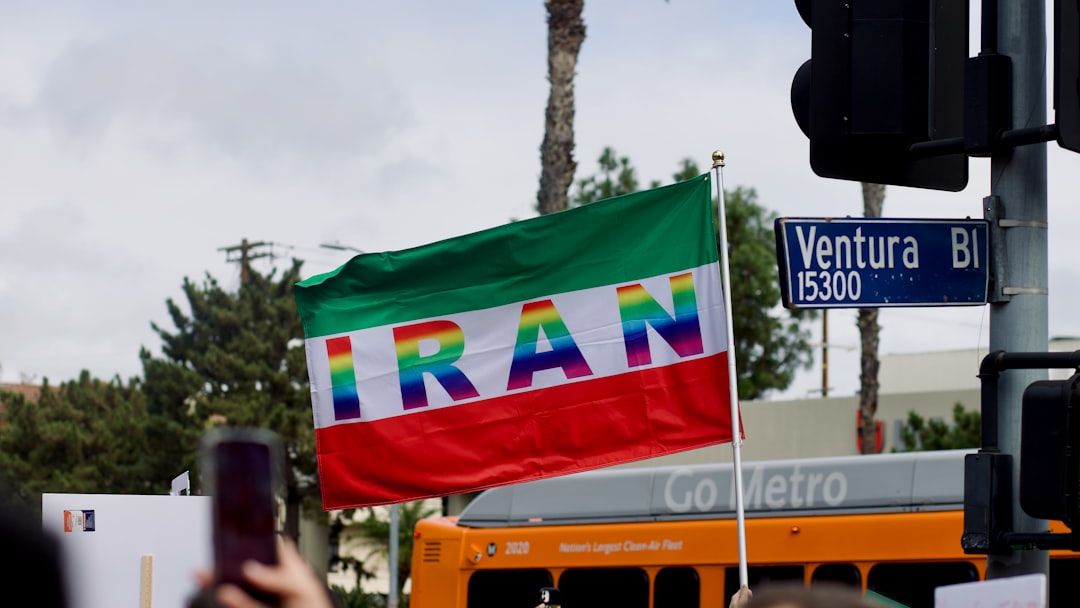
American Blockade Taking Toll on Iran – Image for illustrative purposes only (Image credits: Unsplash)
Tehran streets buzzed with tension as Iran’s rial plummeted to a record low against the dollar, reflecting the mounting strain from a U.S. naval blockade that has choked off vital seaborne trade.[1] The measure, enforced since mid-April, targets ports along the Strait of Hormuz, through which more than 90 percent of the country’s annual seaborne trade flows.[2] Business owners reported sharp sales drops amid shortages and skyrocketing prices, underscoring how decades of sanctions have left the economy vulnerable to this latest escalation.[3]
Blockade Slashes Daily Revenues by Hundreds of Millions
The U.S. Central Command declared the blockade fully implemented in late April, halting nearly all economic trade entering or exiting Iranian ports by sea. Analysts estimated the daily toll at around $435 million, combining roughly $280 million in lost export revenues – primarily from oil – and $160 million in disrupted imports.[4][2] Essential goods like grain and fertilizers, which arrive mainly through Gulf ports, faced severe delays, exacerbating supply chain breakdowns. Iranian customs data highlighted the scale: non-oil trade reached nearly $110 billion in the year ending March, but current figures showed only $6.4 billion recorded recently amid the disruptions.[1][5]
Ports on the Gulf of Oman offered limited alternatives, but their capacity proved insufficient to offset the Hormuz closures. Businesses in sectors like petrochemicals and steel, key non-oil exporters, ground to a halt as shipments piled up. The blockade compounded existing woes from weeks of conflict and months of unrest, pushing the economy toward what some observers called a state of collapse.
Oil Sector Faces Production Shutdowns
Iran’s oil industry, the backbone of its economy, bore the brunt of the restrictions. Tankers loaded with crude sat idle, unable to navigate the blockade that began around April 13, filling storage facilities to capacity.[6] Experts warned that without export outlets, production from aging wells could halt within weeks, potentially causing irreversible damage. U.S. officials noted Iran’s shadow fleet struggled to bypass the naval presence, seizing at least two tankers en route to Asia.[7]
Oil accounted for just under half of Iran’s $98 billion in 2025 exports, providing critical hard currency. The U.S. Treasury intensified pressure by targeting networks in China that facilitated illicit sales, further drying up buyers. Production already appeared to dial back to avoid outright shutdowns, signaling long-term risks to output capacity. Gasoline shortages loomed domestically as refineries strained under the constraints.
Wider Ripples Through Business and Daily Life
Years of prior sanctions had already inflicted high inflation, unemployment, and shortages, but the blockade amplified these pressures. Retailers like rice sellers in Tehran saw sales plunge by 40 percent due to soaring prices and internet blackouts disrupting operations.[3] Clothing shops and other small enterprises reported business at a standstill, with supply disruptions hitting hardest. The currency’s freefall eroded purchasing power, making imports even costlier despite pre-war stockpiling efforts.
Non-oil sectors felt the pinch too, as petrochemical flows and steel shipments stalled at southern ports. Iran’s customs authority documented the trade imbalance, with exports to neighbors like China now severely curtailed. Unemployment spiked amid factory slowdowns, while ruling economic elites – derided as “sanctions intermediaries” – lost key revenue streams from oil and petrochemical trades.[8] The combination left businesses scrambling for survival in an environment of acute scarcity.
International airlines linked to Iran drew fresh warnings from U.S. Treasury Secretary Scott Bessent, who cautioned that firms providing fuel or maintenance risked penalties. This extended the financial stranglehold beyond maritime routes, isolating Tehran further. Even limited international flights resumed amid the chaos, but at the peril of secondary sanctions.
Layered Sanctions Deepen the Squeeze
The blockade formed part of a broader U.S. campaign dubbed “Economic Fury,” which sanctioned over 1,000 Iran-related entities since early 2025. Recent actions hit shadow banking facilitators and oil trade networks, aiming to dismantle evasion tactics.[9] Measures included restrictions on more than two dozen ships, companies, and individuals tied to energy transport infrastructure. The State Department highlighted billions cut off in illicit funding to the regime.
China, a major buyer of Iranian oil, faced indirect pressure through these enforcements. While some ships evaded early checks, U.S. forces intercepted others, underscoring the blockade’s tightening grip. Tehran built reserves during sanction waivers earlier in the conflict, but current flows proved insufficient to sustain the battered economy. Leaders projected resilience, yet street-level pain intensified daily.
Path Forward Remains Uncertain
As the standoff persisted into May, Iran’s economy teetered under compounded strains from war damage, unrest, and unrelenting U.S. measures. Oil production declines threatened to embed long-term weaknesses, while businesses awaited any diplomatic thaw. Global markets watched closely, as prolonged disruptions risked broader energy shocks. For now, the blockade’s toll mounted relentlessly, testing Tehran’s endurance in a high-stakes economic siege.