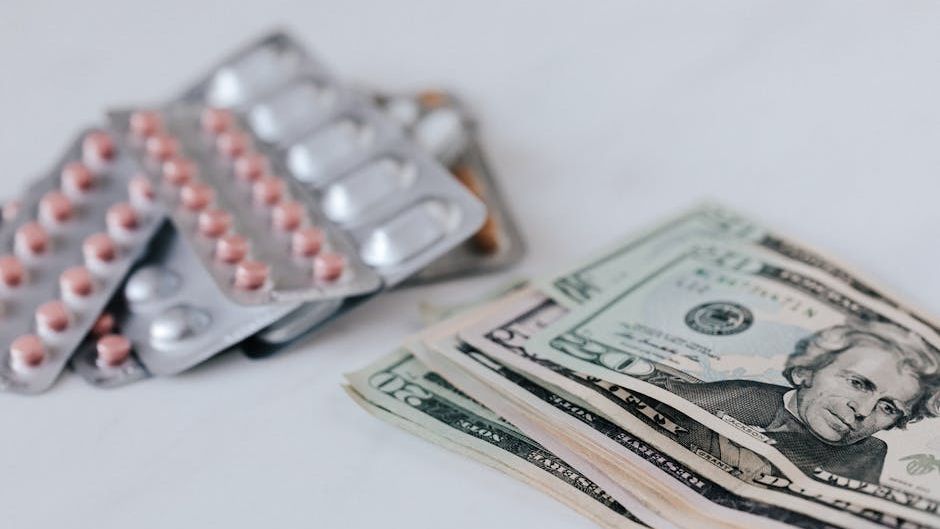
5 Prescription Pricing Tricks That Could Lower Your Ozempic Cost Without Insurance – Image for illustrative purposes only (Image credits: Pexels)
For millions of Americans managing diabetes or weight loss, the retail price of Ozempic often exceeds $1,000 monthly, creating a formidable barrier to consistent treatment. This expense hits hardest those without insurance coverage, forcing tough choices between health needs and household budgets. Fortunately, several established strategies allow patients to access the medication at fractions of the list price, sometimes as low as $199 per month. These approaches, drawn from manufacturer offerings and market tools, empower individuals to take control of their costs.
The Reality of Ozempic’s Price Tag
Retail pharmacy prices for Ozempic typically ranged from $800 to more than $1,000 for a standard monthly supply before discounts. Patients without insurance coverage frequently encountered this full amount at checkout, leading many to skip doses or abandon therapy altogether. The medication’s popularity for both diabetes management and weight control amplified demand, yet list prices remained steep for cash-paying customers.
Market dynamics began shifting as competition in the GLP-1 drug class intensified. Manufacturers responded with targeted programs, while third-party services introduced price transparency. Uninsured patients who navigated these options often secured supplies closer to $200–$500 monthly, preserving access without financial ruin.
Leverage Manufacturer Self-Pay Options
Novo Nordisk, Ozempic’s maker, provided self-pay programs that capped costs at around $349 for standard doses. Higher doses approached $499, still a substantial reduction from retail levels. Introductory offers sometimes dropped the price to $199 for initial months, mimicking wholesale access for eligible uninsured buyers.
These programs required no insurance verification, focusing instead on direct patient enrollment. Patients reported consistent savings over time, making long-term adherence feasible. Enrollment typically occurred through the company’s website or pharmacy coordination, streamlining the process for those in need.
Shop Pharmacies and Apply Discount Tools
Prices varied widely across pharmacies, with some locations quoting hundreds less than others for the same prescription. Platforms such as GoodRx and Optum Perks aggregated these differences, displaying coupon-enabled rates starting near $199 in certain areas. Users simply presented the digital coupon at checkout to realize immediate savings.
This method demanded minimal effort – just a quick online comparison before filling the script. Traditional discount cards from various providers further eroded the $1,000 barrier, often halving costs. Availability fluctuated by zip code, underscoring the value of checking multiple outlets.
Opt for Bulk Supplies and Assistance Eligibility
Switching to 90-day supplies unlocked per-dose discounts at many pharmacies, as dispensing fees spread across more medication. This bulk approach not only lowered unit costs but also minimized refill trips, adding convenience for patients. Some chains applied tiered pricing for larger quantities, enhancing the financial benefit.
Low-income individuals qualified for patient assistance programs run by manufacturers or nonprofits, which slashed costs dramatically or covered them entirely. Eligibility hinged on income thresholds, favoring retirees and those below poverty lines. Applicants submitted basic financial details for swift approval, broadening access where need was greatest.
| Strategy | Potential Monthly Cost Range | Key Benefit |
|---|---|---|
| Manufacturer Self-Pay | $199–$499 | Direct from maker, no insurance needed |
| Discount Coupons (e.g., GoodRx) | $199–$several hundred | Easy pharmacy comparison |
| 90-Day Bulk | Lower per dose | Fewer fees, more convenience |
| Assistance Programs | Reduced or free | Income-based support |
Explore Alternatives with Doctor Guidance
Telehealth platforms and compounding pharmacies emerged as supplemental paths, offering similar GLP-1 formulations at $200–$500 monthly. These services catered to cash patients seeking affordability amid supply constraints. Recent regulatory changes, however, imposed stricter oversight on compounded versions, which lacked full FDA approval.
Patients weighed these options carefully, consulting physicians to ensure safety and efficacy. While cost savings appealed, established Ozempic remained the benchmark for reliability. This route suited those unable to secure brand-name discounts through other means.
Navigating an Evolving Landscape
Increased competition promised further price erosion, with manufacturers signaling list price cuts in response to market pressures. New entrants and generic developments loomed on the horizon, potentially benefiting uninsured patients most. Transparency tools continued to evolve, arming consumers with data for informed decisions.
For now, proactive patients saved hundreds monthly through these layered strategies. The human cost of inaction – skipped treatments and unmanaged conditions – far outweighed the effort to explore options. As the GLP-1 market matures, affordability stands to improve, but savvy navigation remains key for those paying out of pocket.