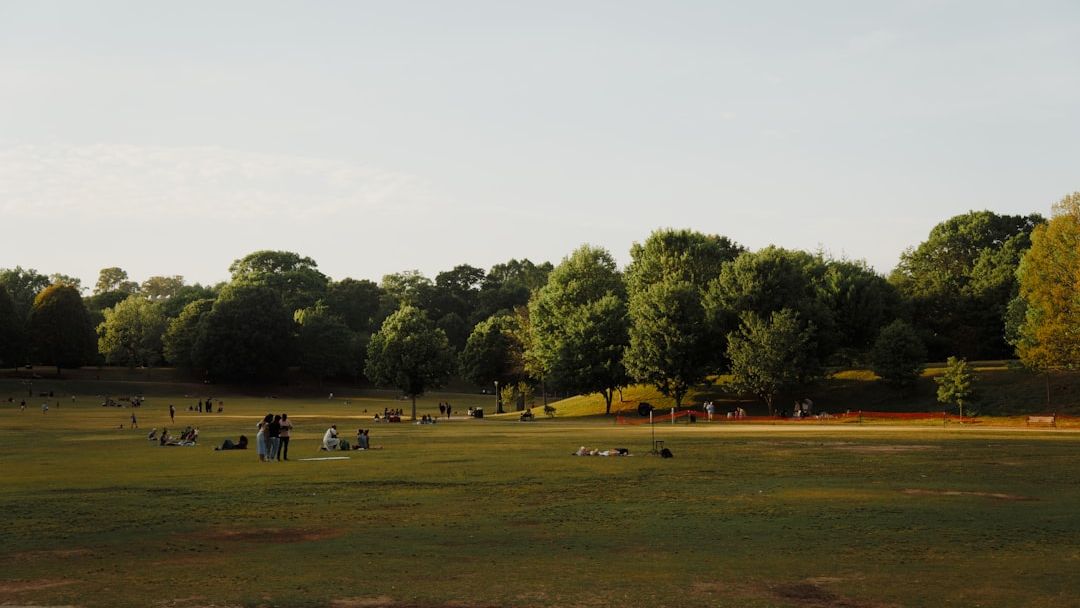

State parks across the U.S. provide essential escapes into nature, but budget shortfalls and shifting priorities have put several at risk of permanent closure. Recent years have seen a handful shutter for good, while others teeter on the edge amid funding battles.[1][2]
From Minnesota’s Iron Range to Washington’s coastal forests, these beloved spots face tough decisions. Lawmakers grapple with maintenance costs and land use changes, leaving communities worried about losing public access forever. Yet one park stands out, where local efforts turned the tide.[3]
Upper Sioux Agency State Park, Minnesota
The Minnesota Department of Natural Resources closed this park permanently on February 16, 2024. Officials transferred the land back to the Upper Sioux Community, honoring historical treaties from 1862. Visitors once enjoyed river paddling and prairie trails, but those days ended as the site shifted to tribal management.[4][5]
This closure reflects broader tensions over land stewardship. Public access stopped completely, with no plans for reopening. The move prioritizes cultural significance over recreation, a pattern seen in other sites.[6]
Hill Annex Mine State Park, Minnesota
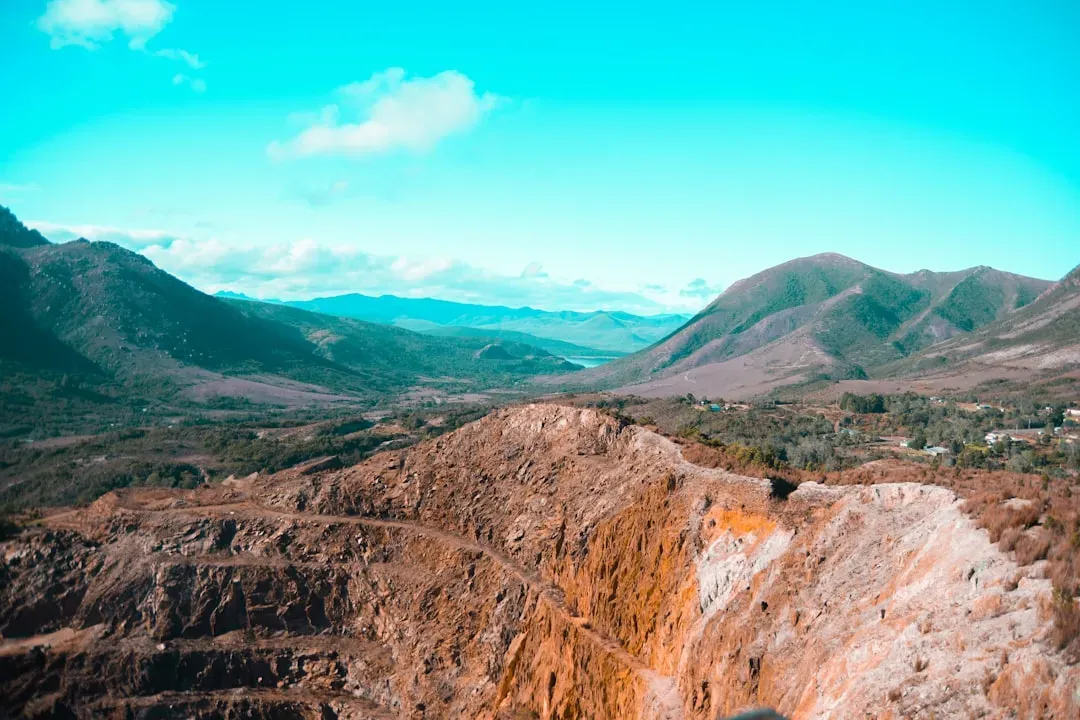
Minnesota legislators abolished this park in 2024 to allow renewed mining operations. Located on the Iron Range, it featured a massive open-pit mine turned tourist attraction with train rides and fossil hunts. The permanent closure opened the door for mineral extraction, ending its run as a state park.[7][2]
Park-goers lost a unique geological showcase. The site now awaits potential industrial revival. This case highlights conflicts between conservation and economic needs in resource-rich areas.[2]
Efforts to repurpose failed amid legislative action. Families who visited for years mourn the loss.
Cama Beach State Park, Washington

Washington State Parks decided in October 2024 to permanently close cabins, the Center for Wooden Boats, and other beach-area facilities at Cama Beach. Septic failures and storm damage forced the shift to day-use only. The historic site on Saratoga Passage now limits access to protect visitors from erosion risks.[8]
Day-use hiking and birding remain open, along with the Cama Cafe. A seawall collapse in January 2026 worsened shoreline instability. Overnight stays vanished, changing the park’s character forever.[8]
Anderson Lake Campground, Washington
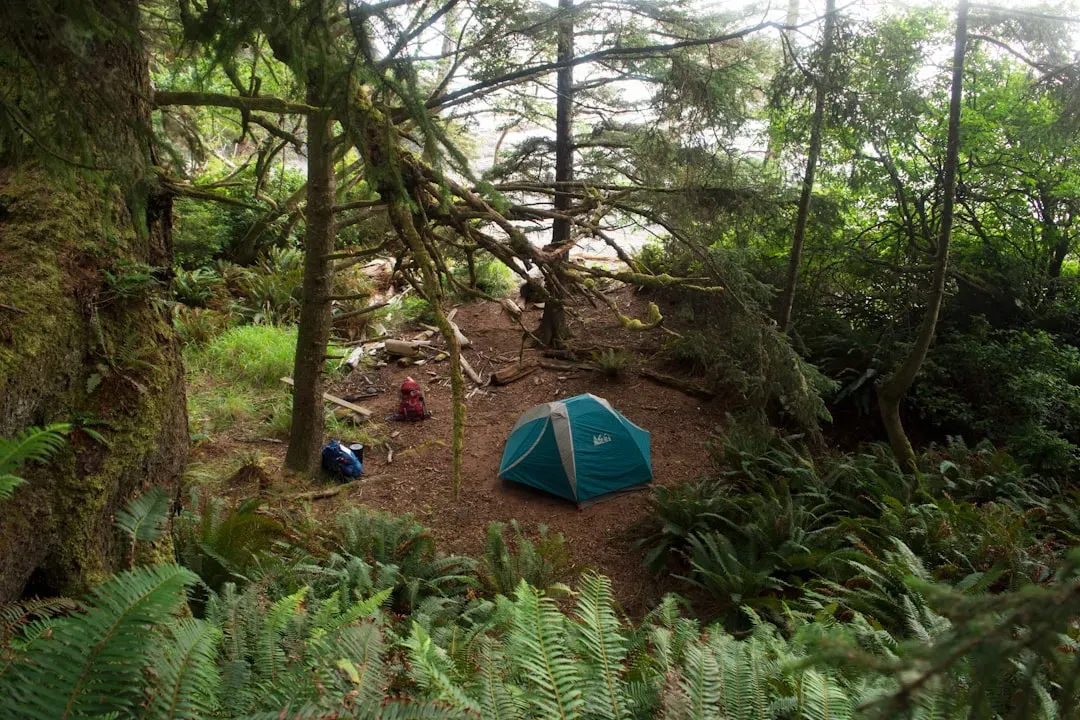
Budget proposals in early 2026 targeted this Lewis County site for full closure. Part of state recreation areas, it faces cuts from an $8 million DNR shortfall. Campers worry as lawmakers debate permanent shuttering amid storm damage recovery.[3][9]
The campground might open late in July 2026 with fewer sites, if at all. Similar pressures hit nearby areas. Public outcry grows over losing affordable outdoor spots.[10]
Bear Creek Campground, Washington
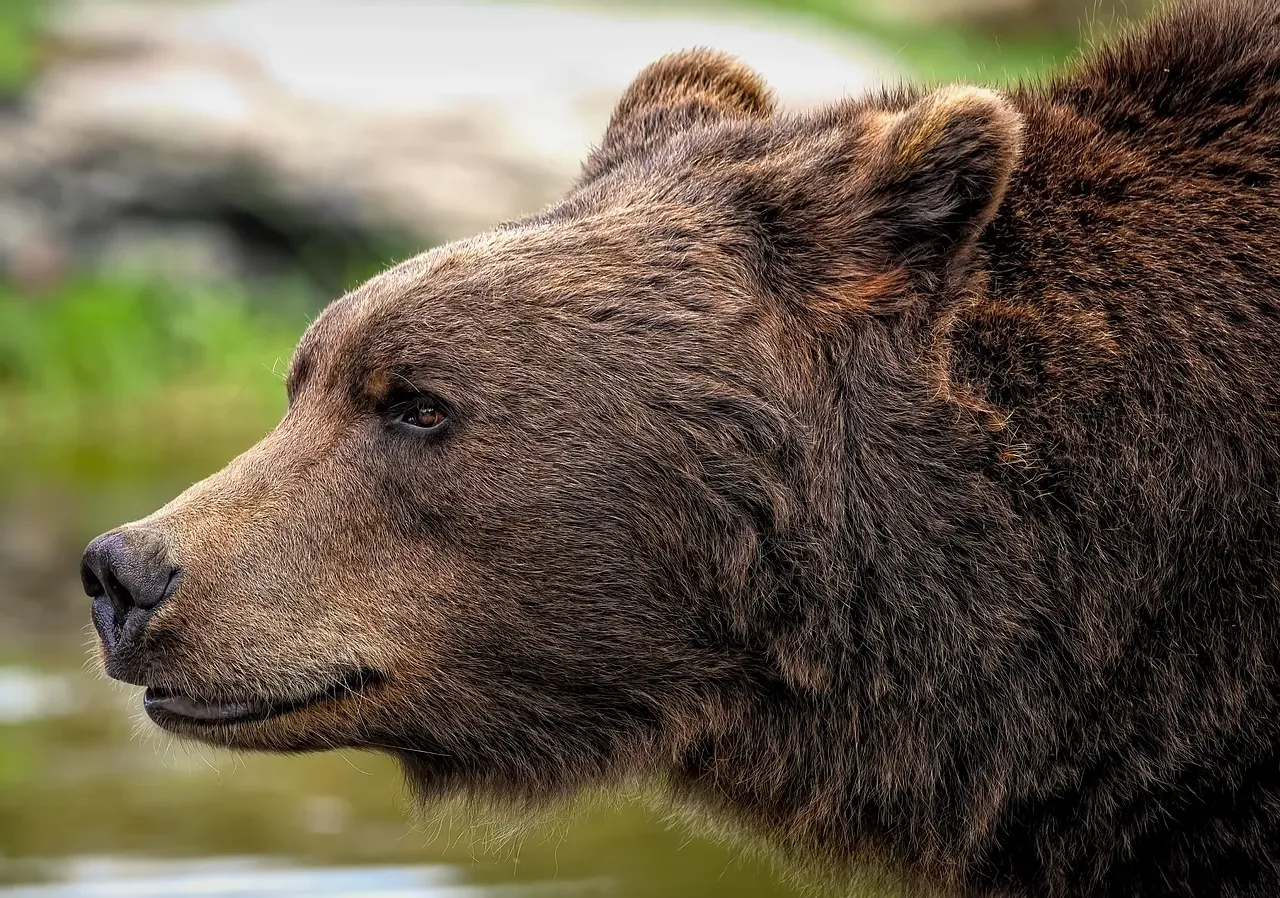
Clallam County’s Bear Creek Campground risks full closure under the same 2026 budget plans. State officials cite maintenance gaps and reduced funding. This spot offered primitive camping near forests, now threatened by fiscal realities.[3]
Visitors prized its seclusion. Proposals could end operations permanently this spring. Communities push back, seeking alternatives to preserve access.[3]
Shortened seasons loom elsewhere too.
China Camp State Park, California – Saved by Locals
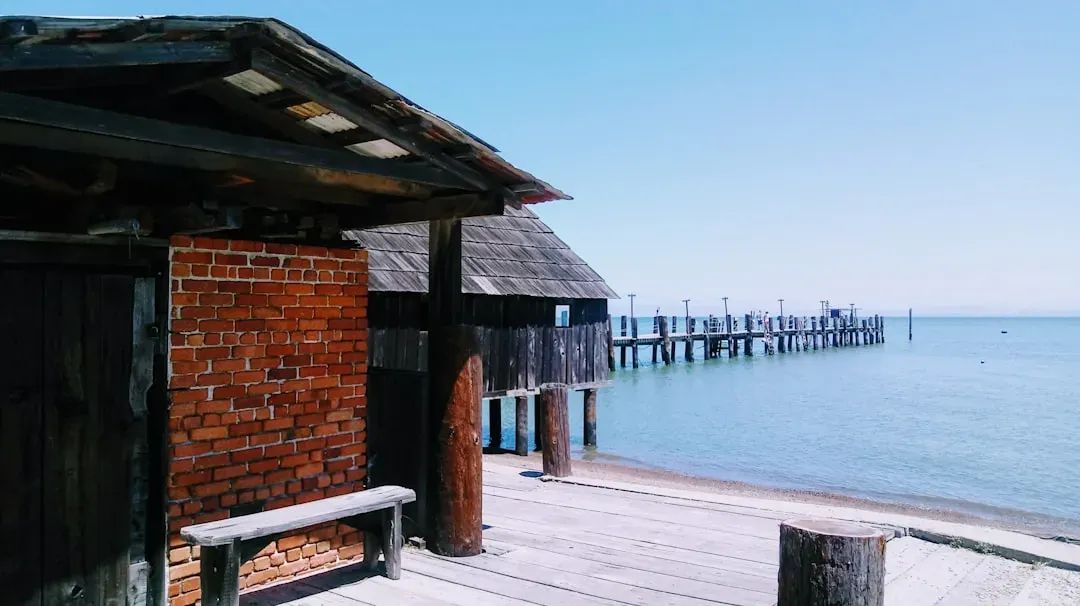
This Marin County gem faced closure threats nearly 15 years ago during California’s budget crisis. Friends of China Camp and local donors rallied, providing funds to keep it open. Today, it thrives with trails, beaches, and camping intact.[11]
Community stewardship turned potential loss into success. Volunteers maintain facilities amid ongoing challenges. The park now hosts events and draws steady crowds, proving grassroots action works.[12]
Why These Closures Happen
Budget deficits top the list, with states like Washington slashing $8 million from land management. Aging infrastructure and storm damage add millions in repair costs. Land transfers for cultural or mining uses seal some fates.[13][3]
Federal cuts ripple to state levels too. Visitor fees can’t always cover gaps. Policymakers weigh recreation against other priorities.
Impacts on Communities
Local economies suffer when parks close. Campgrounds draw families and tourists, boosting nearby businesses. Minnesota sites left voids in regional tourism.[14]
Residents lose free nature spots. Kids miss educational outings. Equity issues arise as urban areas keep options.
Potential Paths Forward
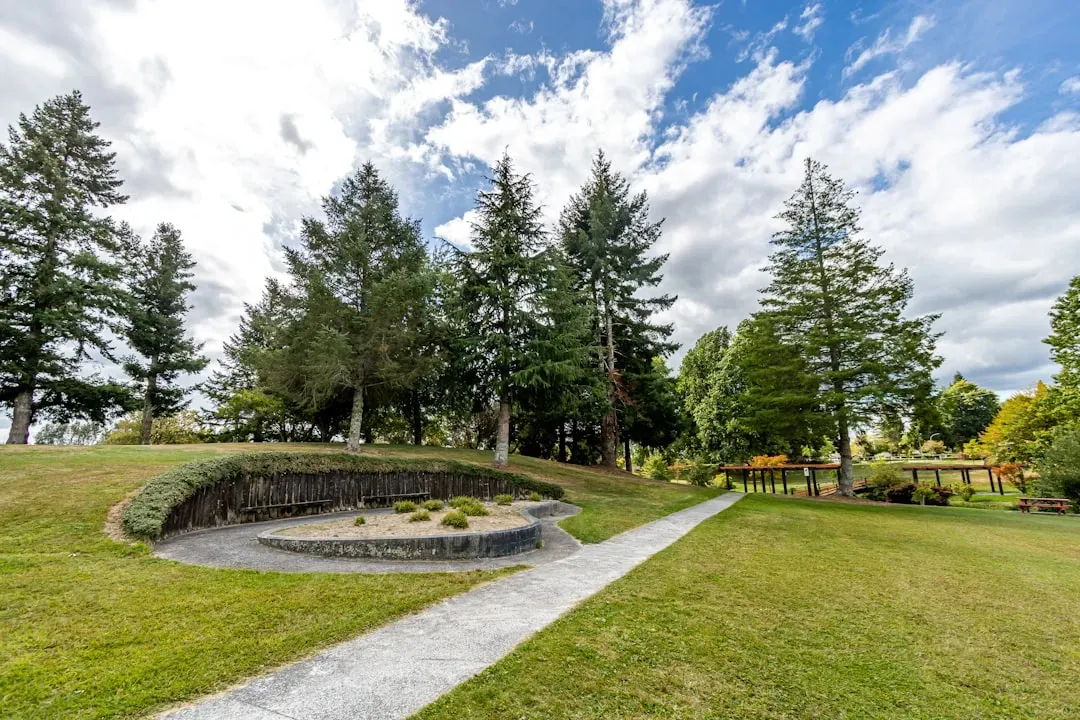
Some parks pivot to day-use models like Cama Beach. Partnerships with nonprofits fill funding holes. California expands parks despite threats.[8][15]
Advocacy campaigns raise awareness. Bond measures fund upgrades. Balanced budgets could stabilize systems.
Conclusion
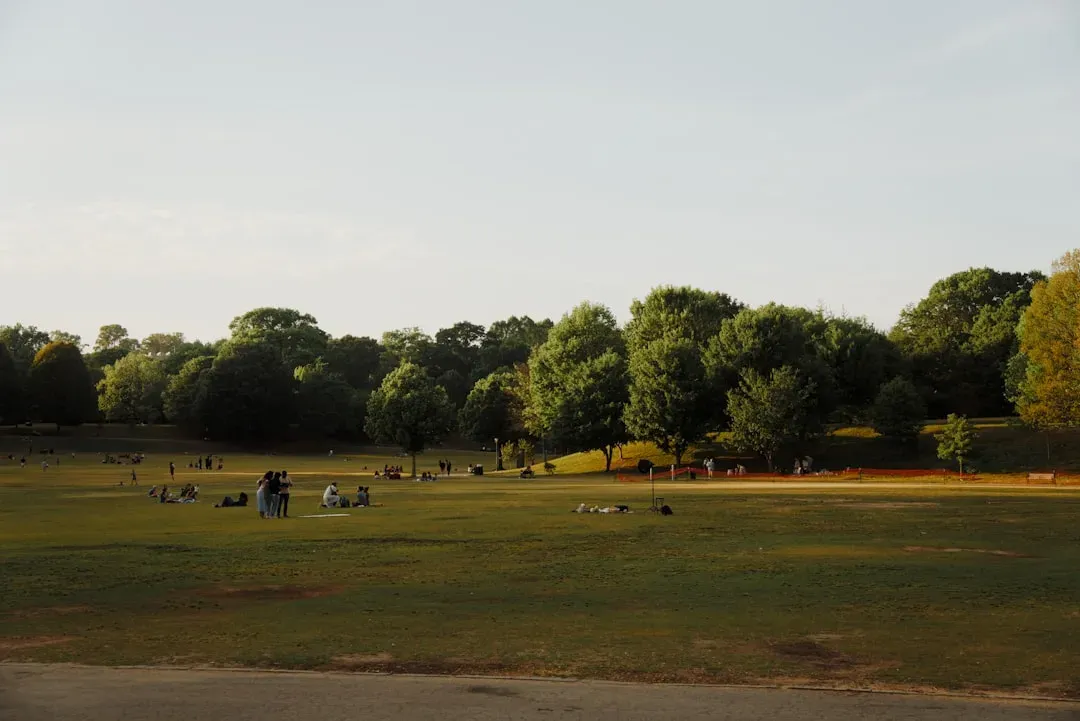
These stories underscore parks’ fragility in tough fiscal times. While five face the end, China Camp shows hope through community resolve. Protecting these spaces demands vigilance from us all, ensuring nature remains within reach for future generations.