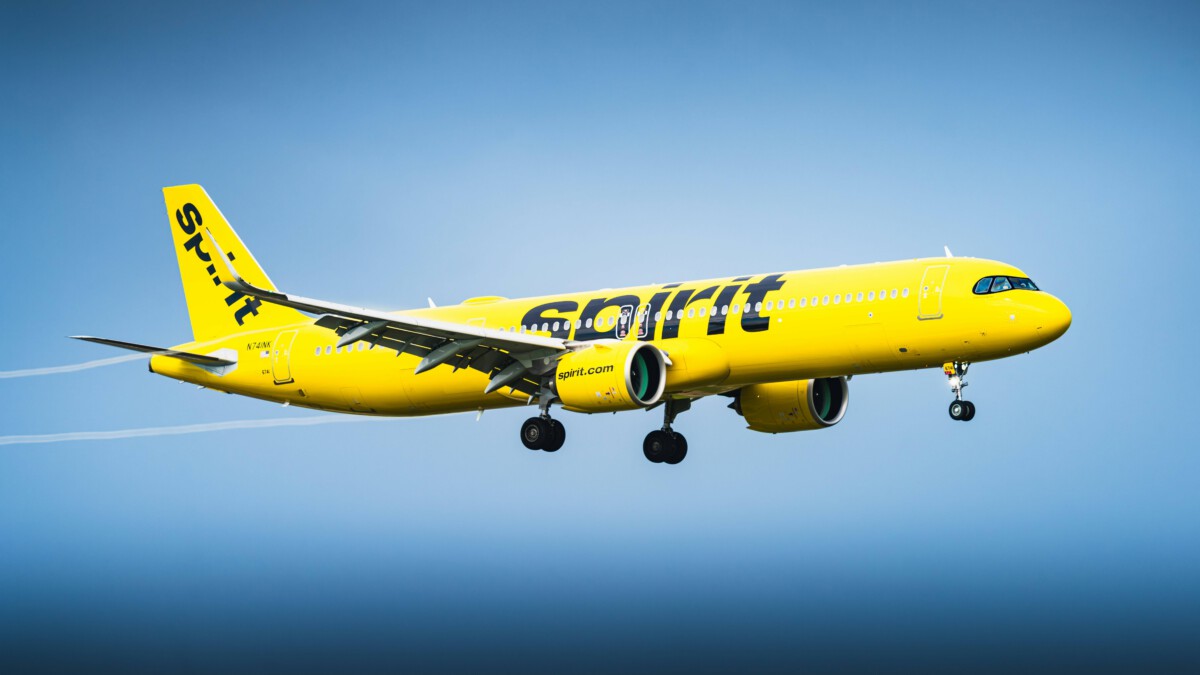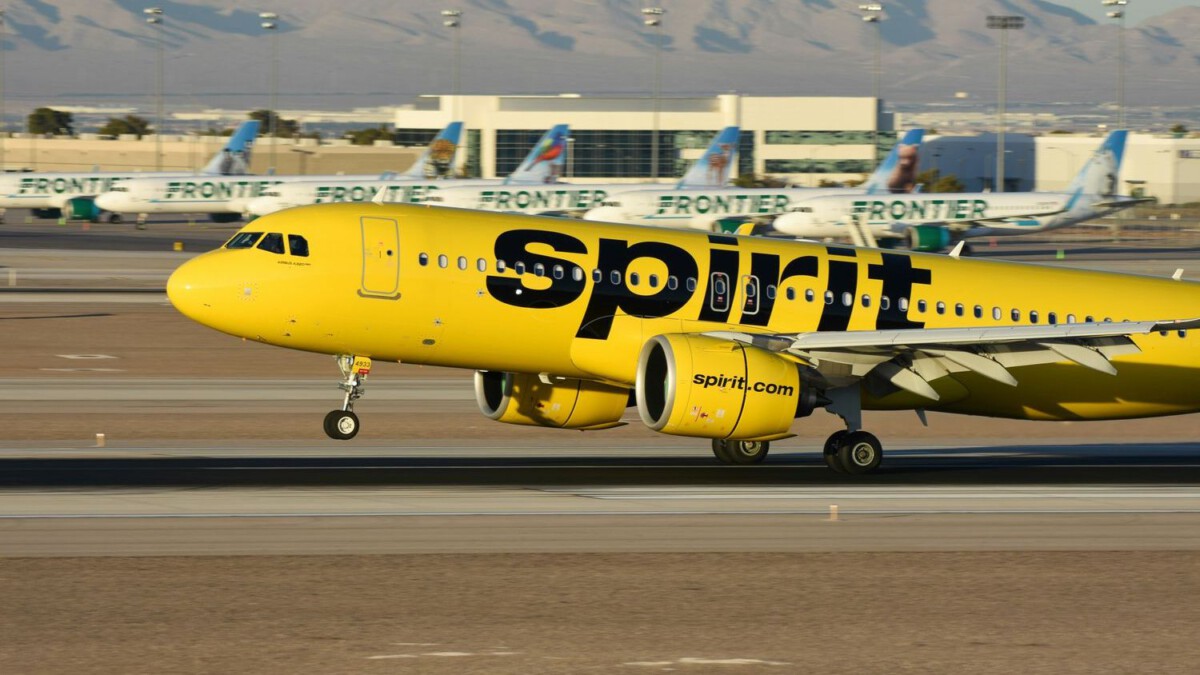
Spirit Airlines says it’s going out of business after 34 years and is ending operations immediately – Image for illustrative purposes only (Image credits: Unsplash)
Miramar, Florida – Spirit Airlines, the brash budget carrier that redefined affordable air travel with no-frills service, ended operations Saturday after more than 40 years in the skies. The immediate shutdown followed the collapse of negotiations for a $500 million government bailout, leaving passengers with active bookings uncertain about their plans.[1][2] Thousands of daily flights halted overnight, stranding travelers and upending the industry just as peak travel season approached.
A Budget Giant Falls Amid Soaring Costs and Failed Rescue
Spirit Airlines launched in 1983 as a low-cost challenger, gaining fame for rock-bottom fares and cheeky marketing that poked fun at pricier rivals. The carrier expanded rapidly but never turned a profit after 2019, battered by the pandemic, a botched merger with JetBlue, and two Chapter 11 bankruptcies since late 2024.[3] Jet fuel prices, which doubled to $4.51 per gallon amid the Iran conflict, delivered the final blow by inflating operating costs far beyond projections in the airline’s latest restructuring plan.
Board members convened Friday but could not salvage a White House-backed lifeline that would have granted the government 90% equity in exchange for fresh capital. Bondholders rejected the terms, and no rival airlines stepped forward to acquire assets. President Trump noted the administration’s final proposal aimed to preserve jobs but emphasized it required a favorable deal.[2]
The Rapid Timeline to Cessation
Reports indicated preparations for an orderly wind-down beginning around 3 a.m. ET Saturday, with aircraft repositioned and crews sent home. Friday flights operated normally as the carrier prioritized safe completions, though ticket sales continued online into the evening.[1] This marked the first major U.S. airline liquidation in two decades, contrasting with smaller regional carriers that folded quietly in prior years.
Spirit had emerged from its most recent bankruptcy filing in August 2025 with plans to shrink its fleet to 76-80 aircraft and refocus routes by summer. Those efforts unraveled as cash reserves dwindled to days’ worth, forcing the abrupt halt without further federal intervention.
Navigating Refunds and Disruptions for Stranded Passengers
Ticket holders face the toughest immediate challenge, as the U.S. Department of Transportation offers no direct reimbursement for airline insolvencies. Those who paid by credit card hold the strongest position: issuers typically approve chargeback disputes for undelivered services, provided claims are filed promptly with flight details and proof of cancellation.[3][4] Debit card users may attempt similar disputes, though approvals prove rarer.
Travel insurance policies warrant review, but many exclude carrier bankruptcy as a “known event,” especially for bookings made after public financial distress surfaced. Stand-alone plans might cover if purchased early enough, so policyholders should contact providers immediately. Meanwhile, major carriers like United and American signaled readiness to offer rebooking or discounted “rescue fares” for affected routes, though availability depends on capacity amid elevated fuel costs.
- Monitor your flight status via the Spirit app or website before heading to the airport.
- Contact your credit card issuer right away to initiate a dispute; retain all booking confirmations.
- Search alternative flights on Google Flights or airline sites, prioritizing flexible dates and nearby airports.
- Check email and news for announcements from Spirit or the DOT on any centralized refund process.
Job Losses and Market Shifts in Aviation’s New Reality
Nearly 20,000 employees, from pilots to ground crew, learned of the shutdown’s approach through media rather than formal memos, fostering anxiety at the Dania Beach headquarters. One worker captured the mood: “Everybody knows.”[2] Unions had urged protections in any bailout, but liquidation prioritizes creditors over severance or recall rights.
The carrier’s exit removes a key source of cheap seats, likely pushing fares higher across leisure routes. Industry analysts predict ripple effects at secondary airports reliant on Spirit’s high-volume model, though survivors like Frontier may absorb some demand. This closure underscores vulnerabilities in the ultra-low-cost segment when external shocks like fuel spikes overwhelm lean margins.
Lessons for Travelers in an Unpredictable Skies
As Spirit’s planes sit idle, affected passengers must act swiftly to minimize losses. Credit card protections and rival airline assistance provide a safety net, but the episode highlights the risks of betting on the cheapest option. Regulators may scrutinize future safeguards, yet for now, flexibility remains the best defense against such upheavals.
The end of Spirit closes a colorful chapter in American aviation, where bare-bones innovation once democratized flying. Travelers booking ahead would do well to diversify payments and insure against the unforeseen, ensuring trips stay aloft regardless of who falters next.