
Travelers often carry their home customs abroad, assuming kindness translates everywhere. Yet what feels like basic courtesy in the United States can clash with local expectations. A simple gesture or routine might signal disrespect without anyone intending harm.
These misunderstandings highlight how deeply culture shapes politeness. Recent surveys show over half of people worldwide link Americans to arrogance, partly from such clashes.[1] Awareness helps bridge gaps and enriches trips.
Tipping After a Meal
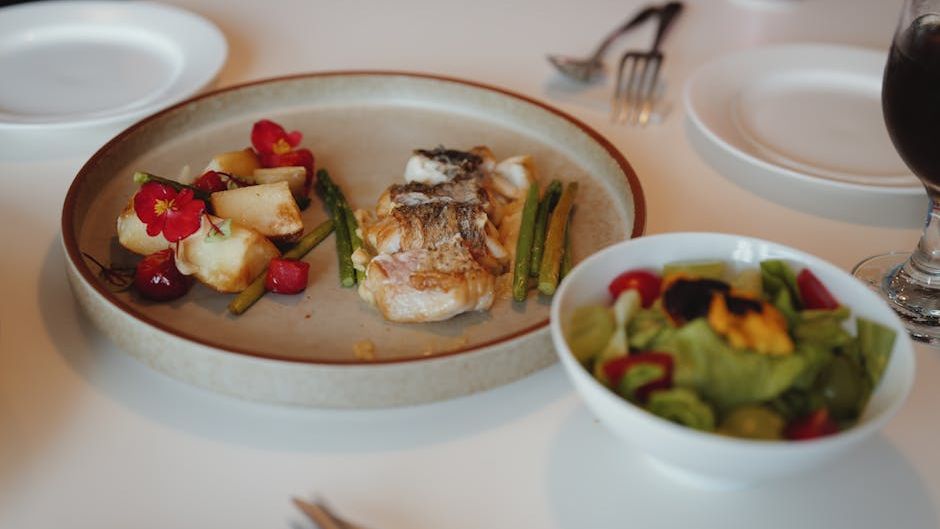
In America, leaving a generous tip rewards good service and feels like the right thing to do. Servers rely on it, and skipping one seems stingy. Abroad, though, this habit can insult hosts or staff who view wages as fully covered.
Japan takes pride in flawless service without extras, so cash on the table implies poor pay or begging.[2] In Scandinavia, built-in fees make tipping unnecessary, and it might confuse recipients. Travelers report awkward moments when trying to force dollars on reluctant waiters in these spots.
Smiling at Strangers

A warm smile greets passersby in the US, signaling openness and friendliness. It breaks ice and sets a positive tone during chance encounters. Many see it as essential small kindness in daily life.
Russians reserve grins for real friends or joy, viewing stranger smiles as fake or suspicious.[2] Germans might read it as mockery. This leads to puzzled stares, underscoring how facial cues carry loaded meanings across borders.
Stick to neutral expressions until rapport builds to avoid unintended signals.
Talking Loudly in Public
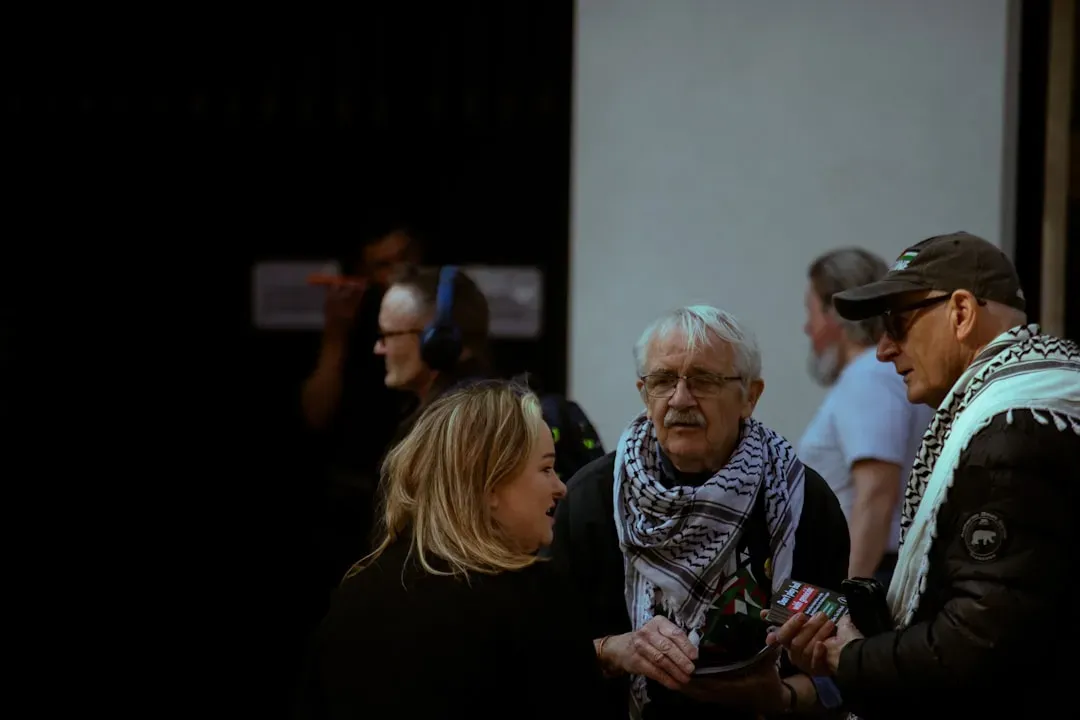
Americans chat animatedly on buses or trains, sharing stories without much volume check. It reflects enthusiasm and builds casual bonds. Public spaces buzz with such energy back home.
Japan demands quiet commutes, where raised voices disrupt harmony.[2] European cafes favor murmurs over booms. Data from noise studies flags over two thirds of eateries as too loud for comfort, amplifying the issue abroad.[1]
Wearing Shoes Indoors
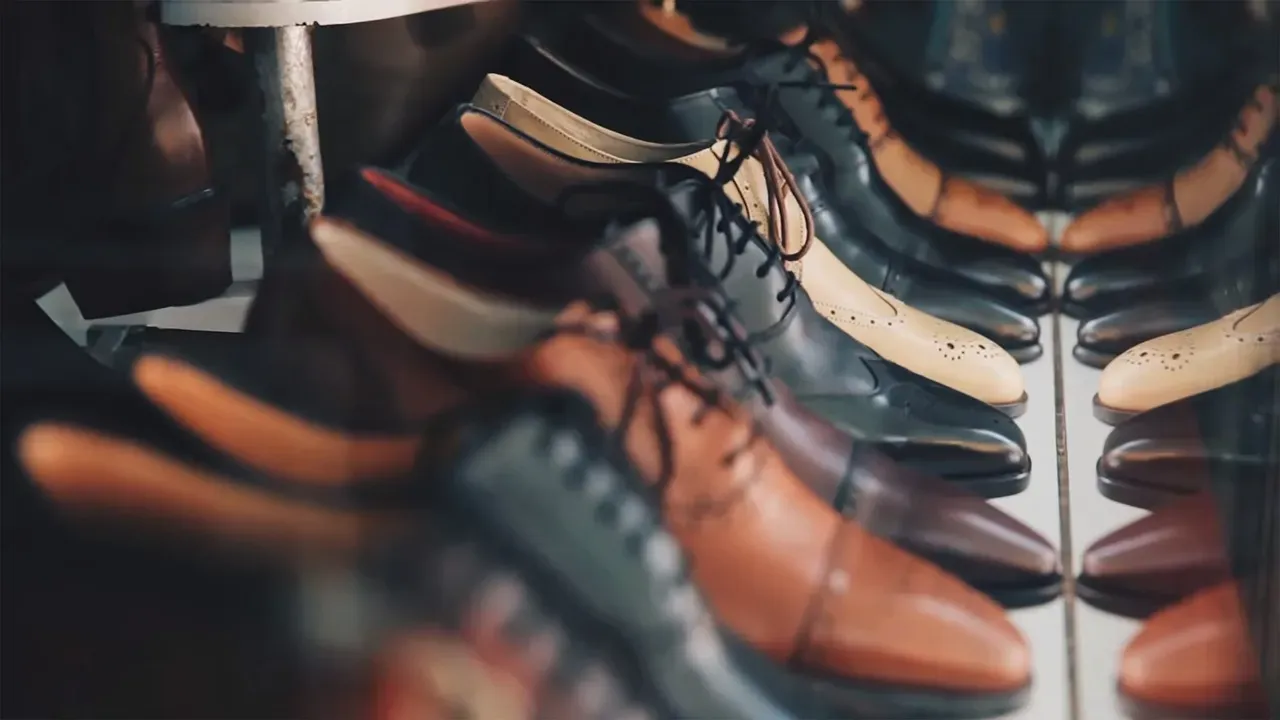
Stepping inside with shoes on suits busy American lifestyles, keeping things quick. No one bats an eye at tracking in street grit. It’s practical for most homes and visits.
Japan links footwear to filth, banning it from tatami mats and clean floors.[2] Finland and Sweden echo this, offering slippers as a norm. Guests who ignore genkan entryways appear careless about hygiene traditions.
Spot the shoe rack and follow suit for instant respect.
Eating While Walking

Grabbing a snack on the move fits fast-paced US days, from coffee runs to street eats. Multitasking saves time amid packed schedules. Sidewalks double as dining spots without fuss.
Japan sees it as sloppy outside festivals, stressing seated meals for mindfulness.[2] Europeans prefer benches over strides. This habit draws side eyes in tidy urban areas valuing shared neatness.
Giving the Thumbs-Up
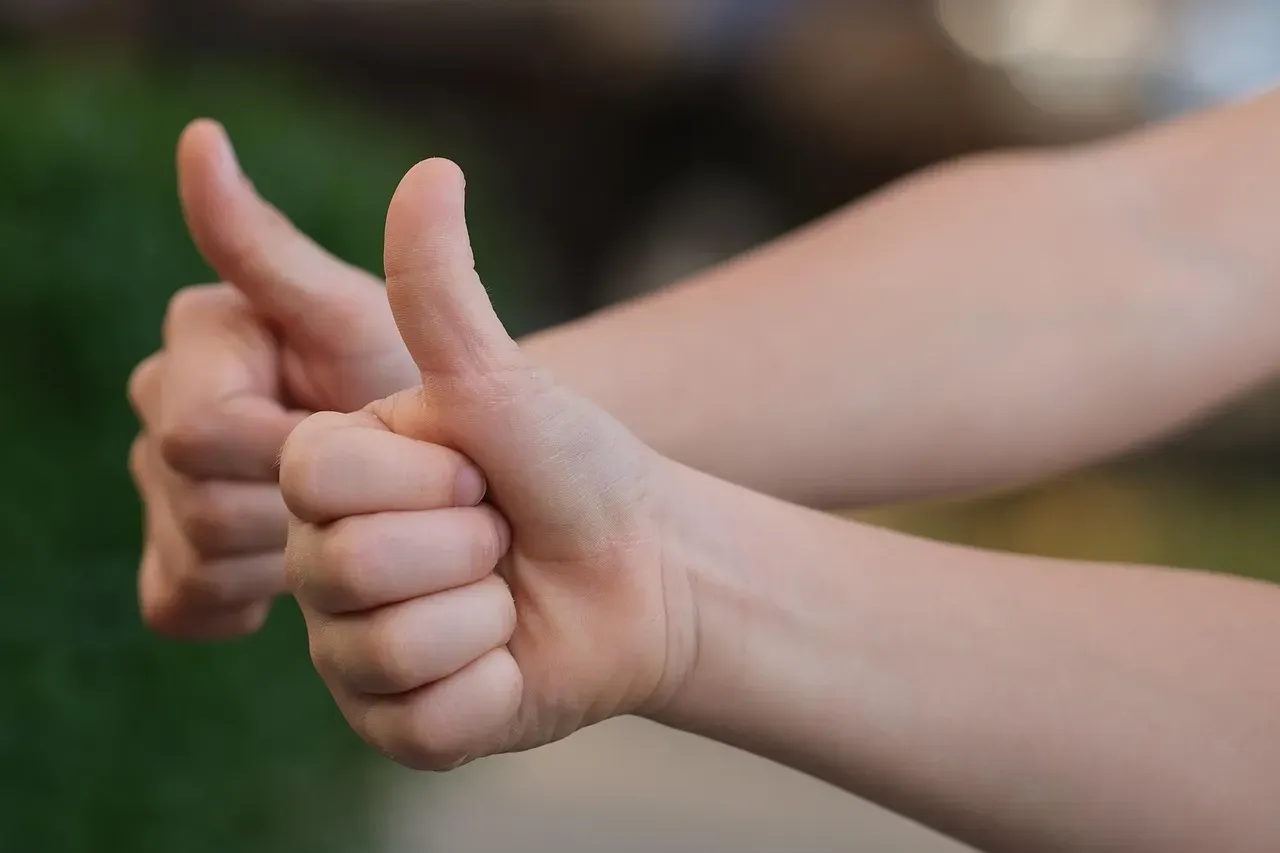
Thumbs-up flashes approval or encouragement in America, a quick positive nod. Friends use it freely after wins or agreements. It packs cheer without words.
Middle Eastern spots, Iran, and Greece treat it like a middle finger.[3] Australia flips it to insult too. Travelers learn the hard way when cheers turn to glares.
Words work safer across lines.
Making Steady Eye Contact

Locking eyes shows confidence and engagement in US talks, building trust. Avoiding it reads as shifty or uninterested. Conversations thrive on this direct link.
Asia and Middle East find prolonged stares aggressive or challenging.[4] Brief glances suit deference there. Western firmness jars as dominance in softer gaze cultures.
Flashing the OK Sign
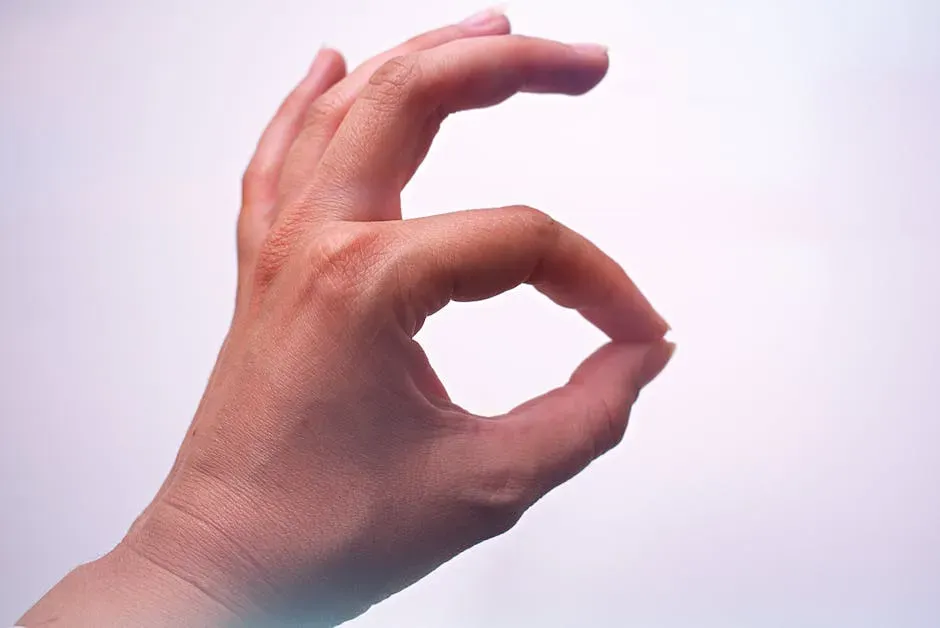
The thumb-forefinger circle means all good in America, a handy thumbs-up kin. It pops in reassurances or check-ins. Simplicity makes it go-to.
Turkey sees it as a vulgar slur, Brazil too.[3] France and Germany tag it worthless. One flick sparks offense where least expected.
Observe hands around before signing off.
Cultural fluency turns potential pitfalls into connections. Next trip, pause and adapt, letting locals lead the polite path. Small shifts yield big welcomes worldwide.