
Picture wide streets lined with fresh two-story homes, their driveways empty and lights off after dusk. These scenes play out in suburbs from Florida to Texas, where new developments stand mostly unoccupied. Despite a national housing shortage, nearly 15 million U.S. homes sat vacant as of recent counts.[1][2]
Something feels off when builders keep constructing amid high prices and low sales. Factors like soaring interest rates and shifting buyer preferences leave these properties idle. The pattern echoes globally, especially in China’s vast empty districts.
Defining Ghost Neighborhoods
Ghost neighborhoods feature clusters of new or recent homes sitting largely empty for extended periods. Streets show few cars, playgrounds gather dust, and For Sale signs fade in the sun. This differs from seasonal vacancies or rentals between tenants; here, entire subdivisions feel abandoned soon after completion.[3]
Reports highlight these as modern suburbs turning quiet due to weak demand. In places like Cape Coral, Florida, incomplete builds add to the eerie vibe. No one’s rushing to occupy them despite the fresh paint and modern fixtures.
U.S. Vacancy Numbers in Focus
Around 15 million homes stood empty nationwide in 2024, with figures holding steady into 2026 at about 1.33 percent of properties. Florida tops the list, followed by others with high new construction rates. Many vacancies stem from new builds awaiting buyers.[2][4]
Not all are problem spots, yet the sheer volume raises questions amid shortages elsewhere. Pittsburgh alone counts 20,000 vacant units, blending old and new. These stats paint a patchwork of plenty and scarcity.
Florida’s Empty Subdivisions
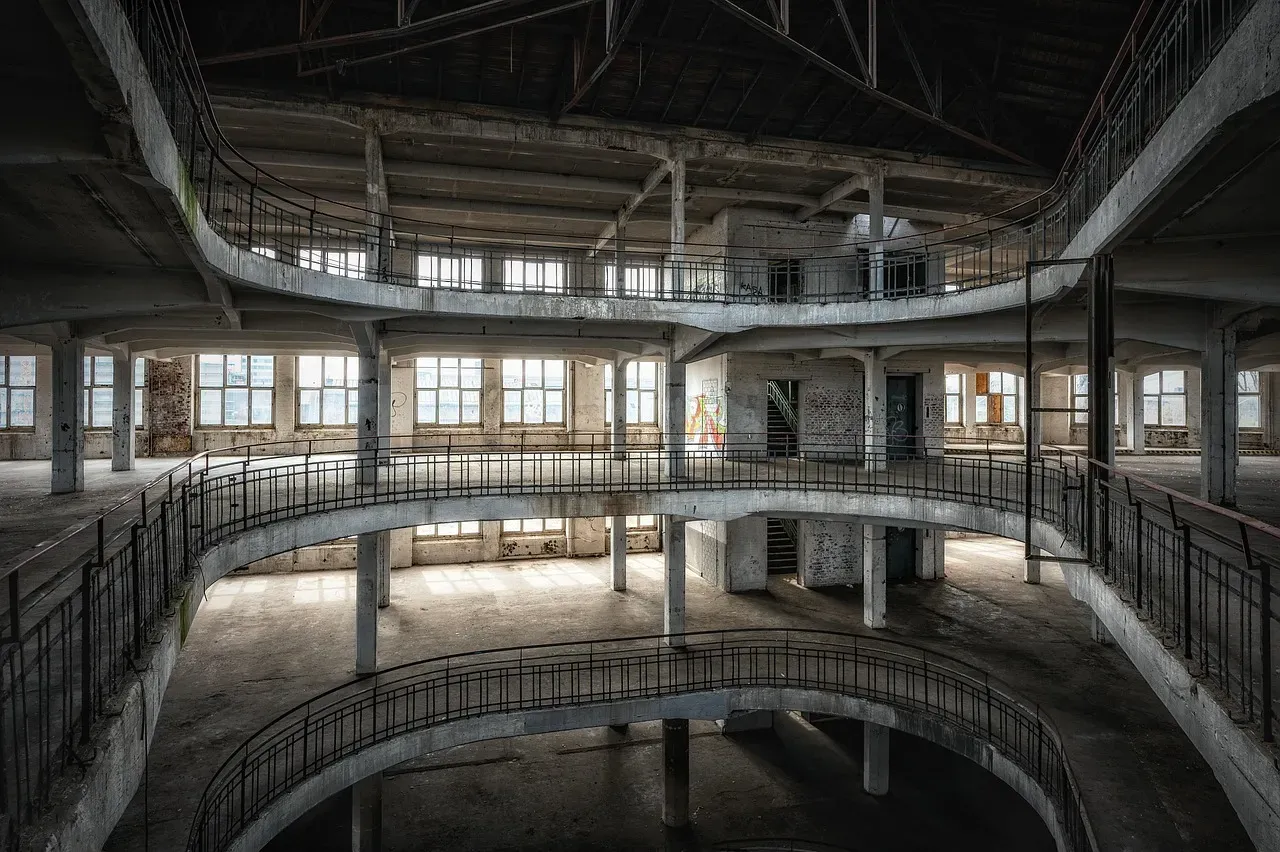
Cape Coral and Fort Myers report some of the highest vacancy rates among major metros, with over 126,000 empty properties combined. New homes line streets without occupants, many still unfinished without occupancy permits. Local experts note safety issues and falling values from these ghost homes.[5]
Florida leads with the most vacancies overall, per LendingTree analysis. Rapid pandemic-era building outpaced sustainable demand. Neighborhoods now resemble sets from a dystopian film, quiet and underused.
Texas Boom Turns Bust
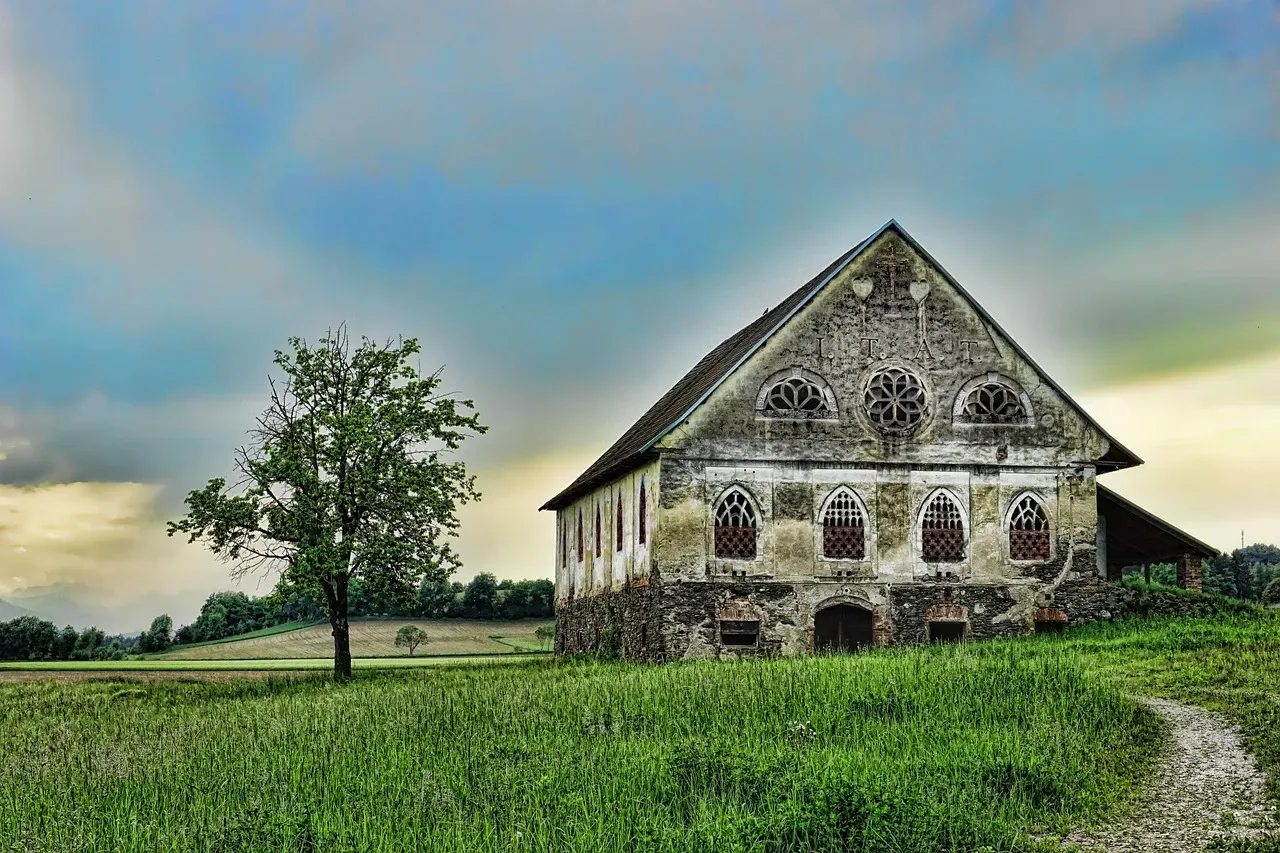
New subdivisions in Texas stand half empty in some counties, even as others boom. Videos document dust-choked roads and unsold homes in cities sliding toward ghost town status. Seventy-five counties are shrinking population-wise, leaving builds idle.[6]
Overbuilding during hot markets left excess supply when cooling hit. Buyers hesitate amid economic uncertainty. These once-hyped developments now symbolize mismatched expectations.
McMansions Fade to Empty Shells
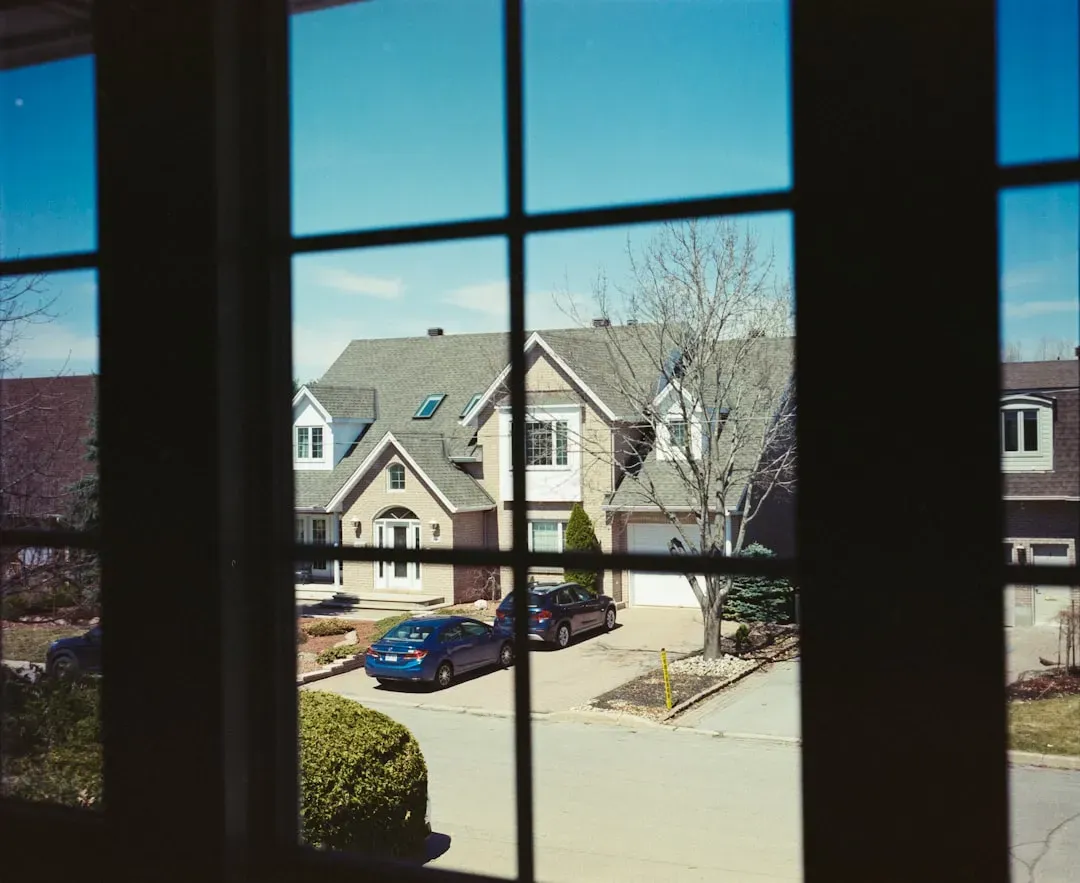
Large suburban McMansions, once status symbols, now contribute to ghost neighborhoods as sales plummet. Data shows smaller new homes gaining favor, with 54 percent under 2,200 square feet in 2024. Big houses sit underoccupied due to high upkeep and shifting tastes.[7]
Outer-ring suburbs feel eerie with few families around. Renovation lags, worsening the quiet streets. The model of endless expansion shows cracks.
China’s Ghost City Scale
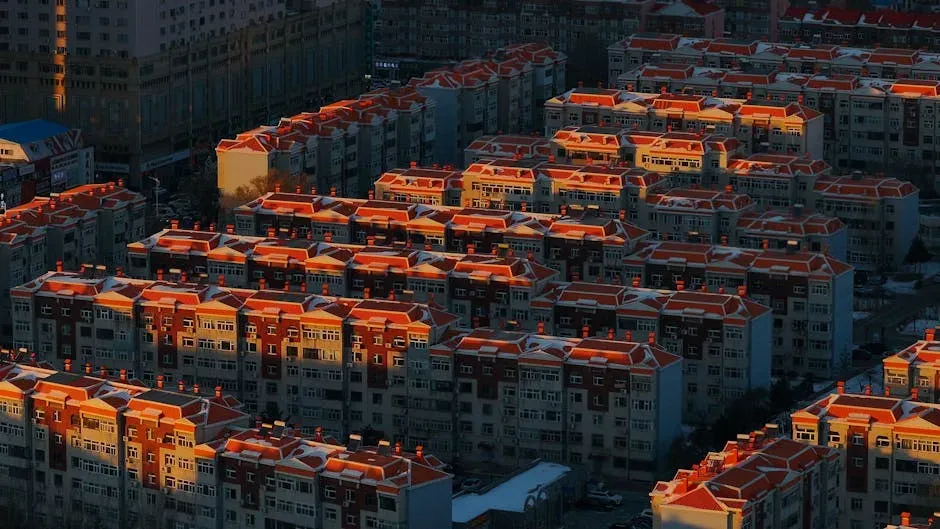
China hosts over 50 ghost cities with 65 to 90 million empty apartments, enough for France’s population. New districts feature empty high-rises and roads built for millions who never arrived. Recent reports from 2025 confirm the issue persists despite efforts.[8][9]
Property crisis halted many projects mid-build, creating “rotten-tail” sites. Speculation drove overconstruction for years. Places like Xiong’an remain troublingly vacant.
Builders’ Unsold Inventories Grow
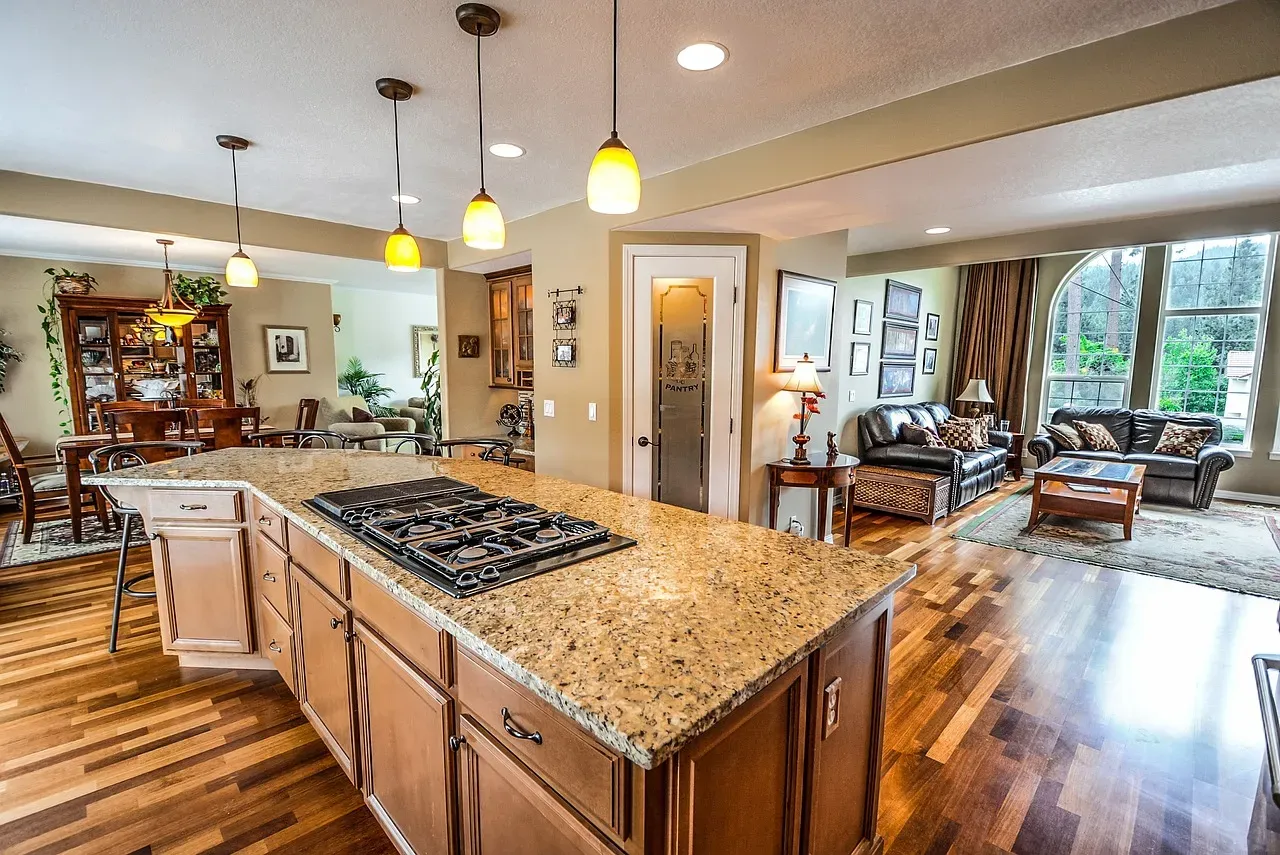
Major builders like D.R. Horton held 19,000 unsold homes amid profit drops in 2026. Nationally, 121,000 new homes lingered unsold by mid-2025. Construction continued despite slowing sales.[10][11]
High rates deter buyers even as incentives mount. This glut hits new developments hardest. Builders now offer steep discounts to move stock.
Affordability and Rate Pressures
Sky-high mortgage rates and prices keep buyers sidelined, leaving new builds empty. Even with construction elevated, household formations outpace completions in some years. The supply gap hit 4 million homes by end-2025.[12]
Shifts to smaller homes reflect cost realities. Young families skip oversized new builds. Economic slowdowns amplify the stall.
Community Impacts Unfold
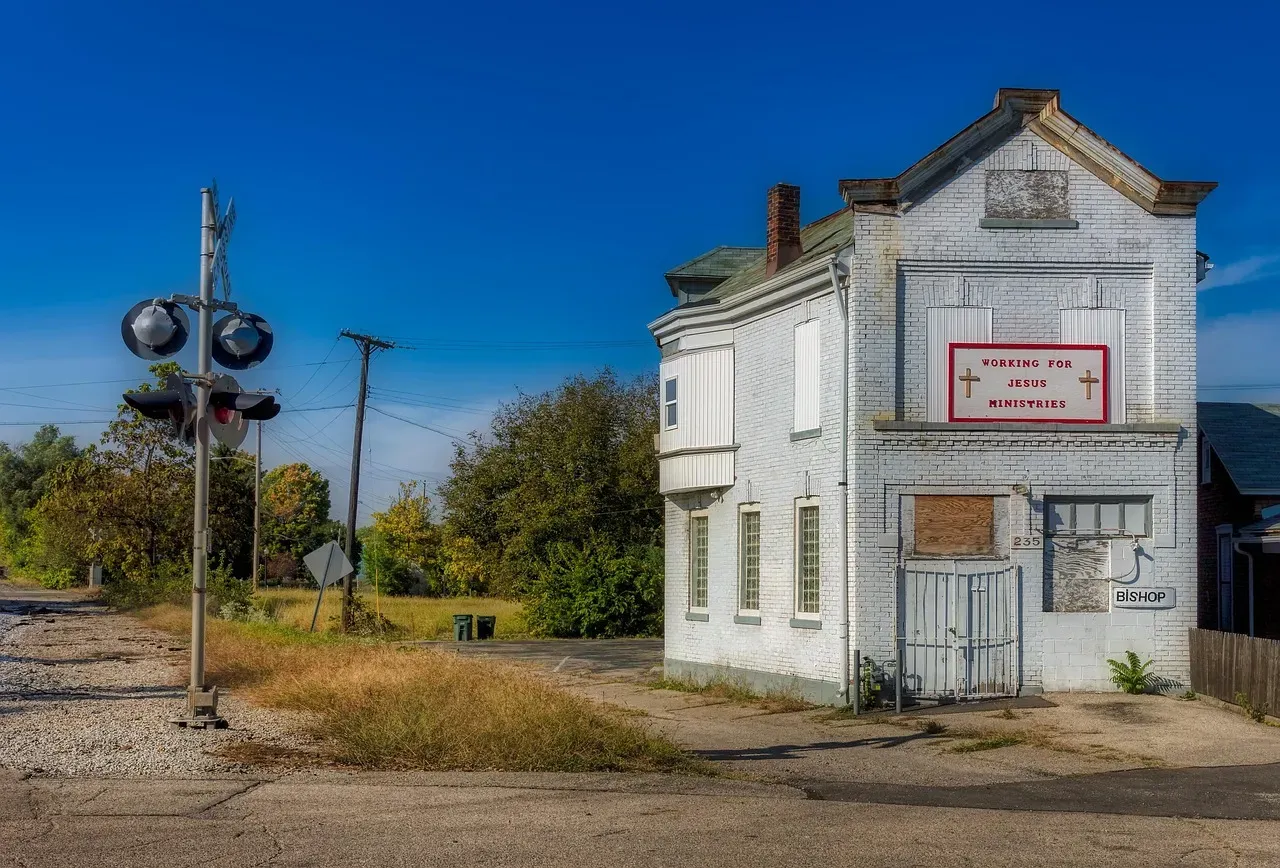
Empty neighborhoods drag property values and foster neglect. Safety concerns rise with unlit streets and overgrown lots. Local taxes suffer from low occupancy.[5]
Schools plan for crowds that never come. Blight creeps in without quick fixes. Vibrant communities turn hollow.
Paths Forward and Lessons
Taxes on vacancies gain traction to spur occupancy. Land banks revive distressed new properties in some areas. Builders pivot to smaller, efficient designs.[13]
Planners rethink speculative booms. Demand signals should guide builds more closely. Retrofitting empty shells offers hope. These quiet streets might yet fill with life.
Reflecting on the Bigger Picture
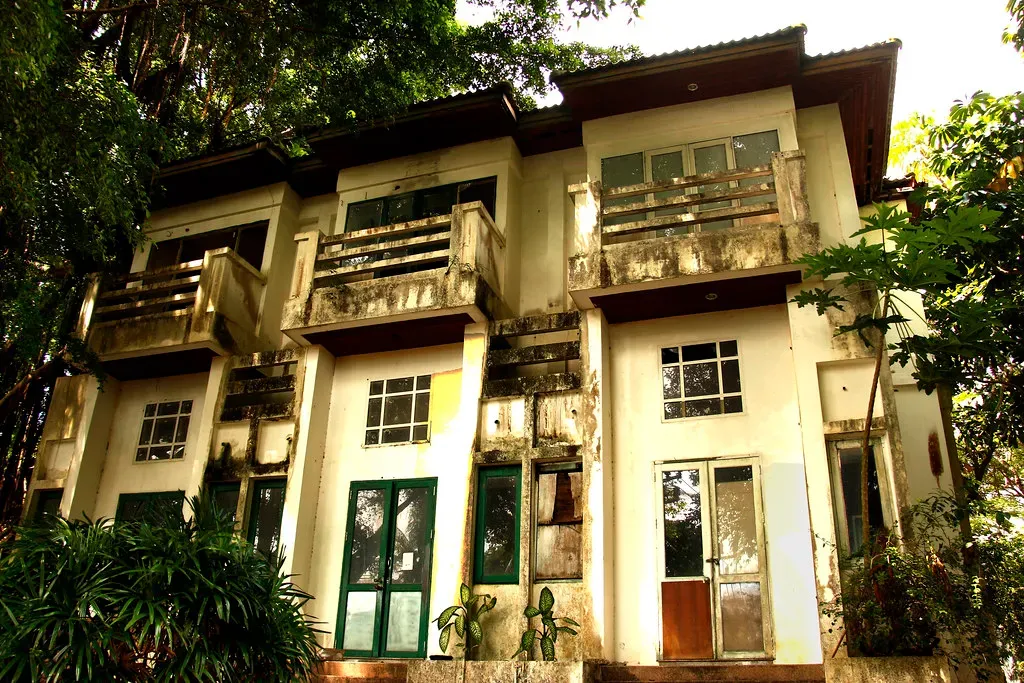
The ghost neighborhood trend reveals mismatches between building frenzies and real needs. U.S. figures hover around 15 million vacancies, while China grapples with tens of millions more. Patience and policy tweaks could balance the scales.
Empty homes underscore that supply alone doesn’t solve shortages. Location, price, and timing matter deeply. As markets adjust, these silent suburbs remind us of housing’s human side.