

Homeowners across the U.S. keep waiting for a price correction. High mortgage rates hovering above 6% have sidelined many buyers, yet median home prices climbed to $405,300 by late 2025.[1][2] Sellers hold firm, and inventory remains tight. This resilience stems from deeper structural issues in the market.
1. A Massive Supply Shortage Persists
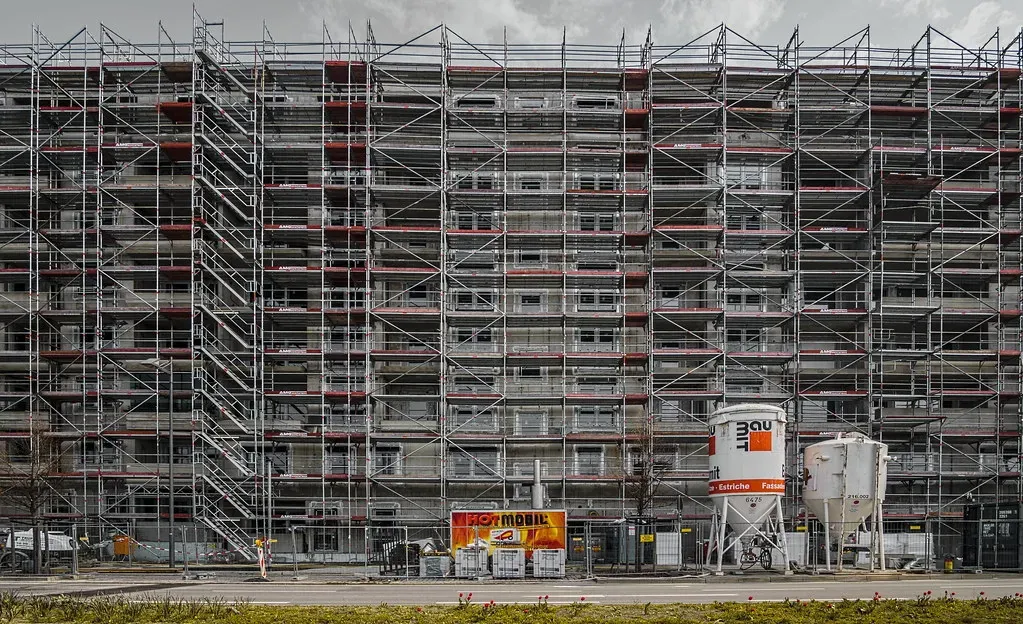
The U.S. faces a housing supply gap exceeding 4 million homes as of 2025. New construction fell short of household formations, widening the deficit to 4.03 million units.[3] Experts estimate the true shortage could range from 2 million to 20 million homes, depending on methodology.[4]
This imbalance keeps competition fierce among buyers. Even with fewer transactions, demand outstrips available properties. Prices stay elevated as sellers leverage the scarcity.
2. The Lock-In Effect Freezes the Market

Millions of homeowners locked in mortgages below 4% refuse to sell. Trading a 3% rate for today’s 6% plus would add thousands to monthly payments.[5] This reluctance has frozen inventory for years.
Existing home supply hit a low of 2.3 months in 2021 and only reached 4.1 months by 2025, far below balanced levels.[6] Sellers wait for rates to drop significantly. Until then, listings stay low, propping up prices.
3. Years of Chronic Underbuilding
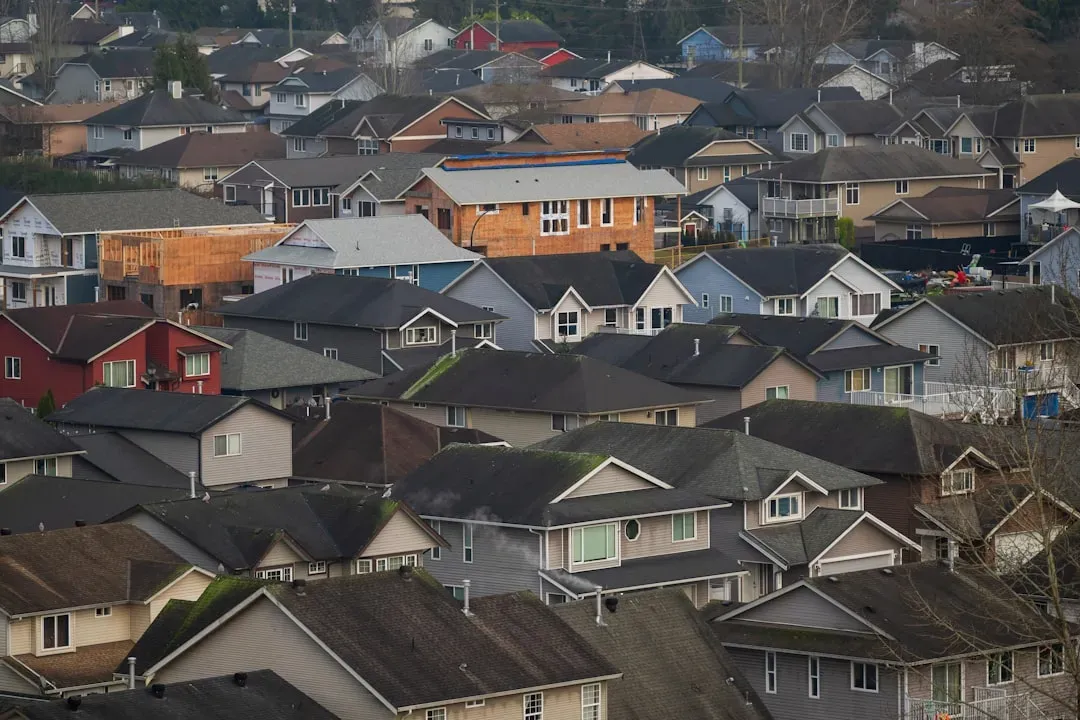
Underbuilding plagued the market since the Great Recession. In 2025, ground was broken on just 1.36 million homes, down slightly from prior years.[7] This failed to match rising household needs.
The National Association of Realtors pegs the shortage at 4.7 million homes. Compounded by post-pandemic shifts, supply lags far behind. Builders can’t catch up quickly, sustaining high prices.[8]
4. Zoning Laws Block New Development

Strict zoning restrictions limit where and what can be built. Local rules often favor single-family homes over denser options.
This compounds the shortage from years of underbuilding. Fortune notes zoning as a key barrier alongside slow construction.[8] Easing these could help, but change comes slowly at the municipal level. Prices reflect this ongoing constraint.
5. Household Formations Outpace Supply

Population growth and millennials entering prime buying years drive demand. Household formations exceed new builds consistently.[3]
Realtor.com reports new homes couldn’t keep up in 2025. This mismatch fuels competition for existing stock. Buyers bid up limited options, keeping values firm.
6. Inventory Growth Is Slowing Again

Active listings rose 8% year-over-year by early 2026, but the pace decelerated.[9] National inventory hovered around 1.36 million, approaching normal but not there yet.[10]
HousingWire observes growth slowing amid rates above 6.5%. Sellers hesitate, buyers remain cautious. Tight supply continues to underpin prices.
7. Construction Costs Remain Elevated

Labor shortages and material prices deter builders. High costs make new projects less viable in many areas.
Even as rates ease slightly, affordability barriers persist for developers. This limits supply additions, maintaining pressure on existing homes. Prices hold as a result.
8. Strong Demand from Key Demographics

Millennials and Gen Z fuel ongoing need for housing. Income growth helps some qualify despite rates.[11]
Federal Reserve insights tie demand to population and wages. These factors offset rate headwinds. Competition stays keen, resisting price drops.
9. Fixed-Rate Mortgages Bolster Resilience

Unlike variable-rate countries, U.S. fixed mortgages shield owners from hikes. Prices stayed firm while others fell abroad.[12]
This structure, combined with low inventory, creates stability. St. Louis Fed analysis highlights it as a divergence factor. Home values endure rate stress.
10. Regional Imbalances Vary But Overall Hold
Some cities may see dips, like 22 markets per Realtor.com.[13] Nationally, prices rose 1.8% year-over-year into 2025.[2]
Supply constraints dominate most metros. Forecasts call for modest 2% growth in 2026. No widespread drop materializes amid these pressures.
Looking Ahead

Rates may dip toward 5.75% by late 2026, per Morgan Stanley, but supply issues linger.[14] Inventory could normalize slowly if lock-in eases. Still, the core shortage suggests prices stay range-bound rather than plummet.
Buyers might gain leverage in select areas. For most, patience remains key. The market’s fundamentals point to stability over collapse.