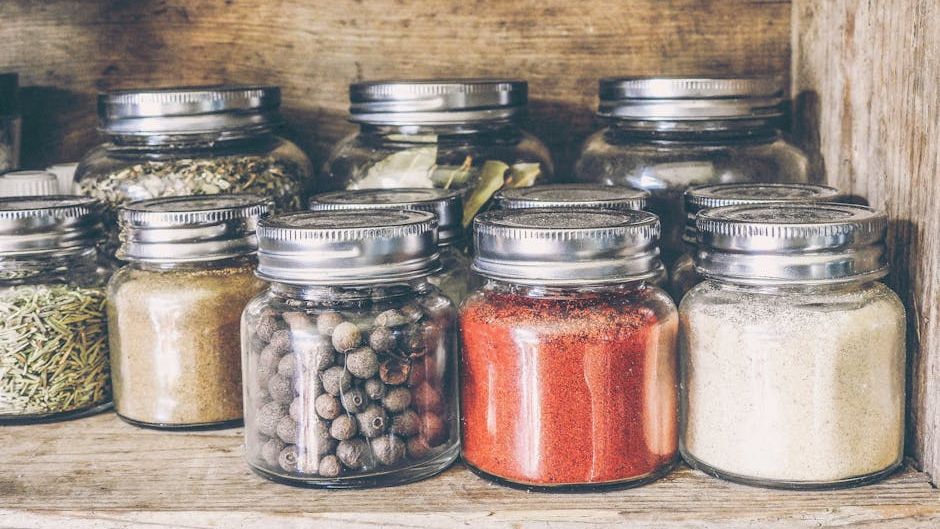

Your spice rack holds the secret to bold flavors in everyday meals. Yet many jars sit forgotten, their punch long faded. A simple six-month check reveals what needs refreshing.
Spices don’t spoil like milk or bread. They gradually lose volatile oils that deliver aroma and taste. Ground versions fade quickest due to more exposure to air.[1][2]
Why a 6-Month Audit Matters Now
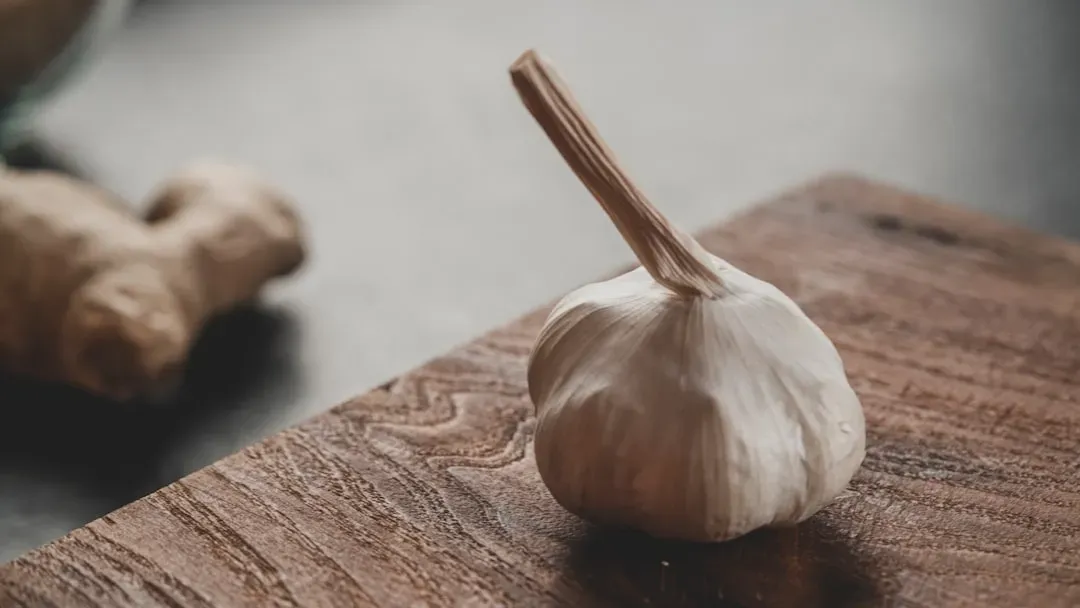
Faded spices force you to overuse them in recipes. Dishes end up flat or overly bitter. Fresh ones elevate simple ingredients into standout meals.
Industry leaders like McCormick note ground spices hold peak flavor for two to four years from packing. Real-world pantry time shortens that. Heat, light, and air speed the decline.[1]
Ground Spices Lose Flavor Fastest
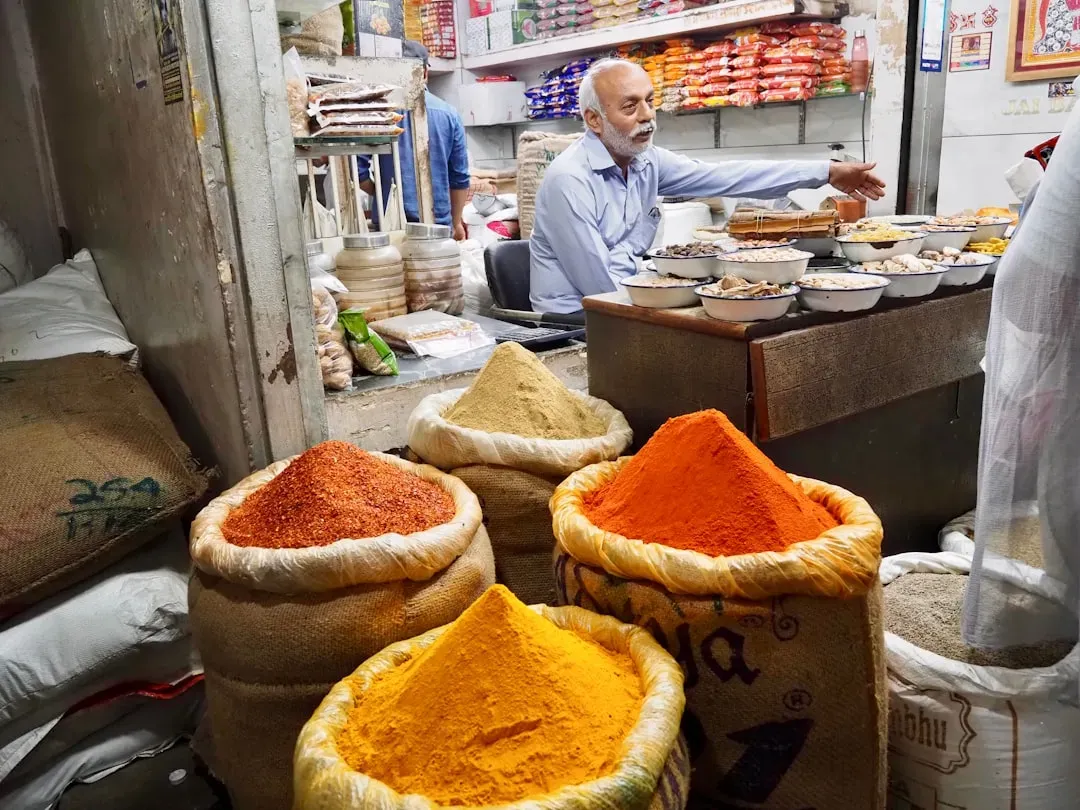
Grinding increases surface area exposed to oxygen. Those essential oils evaporate quicker than in whole forms. Expect noticeable drop-off within the first year.
Whole spices like peppercorns last three to four years. Ground counterparts rarely match that stamina. Recent charts confirm this gap holds true.[3][4]
Signs It’s Time to Toss
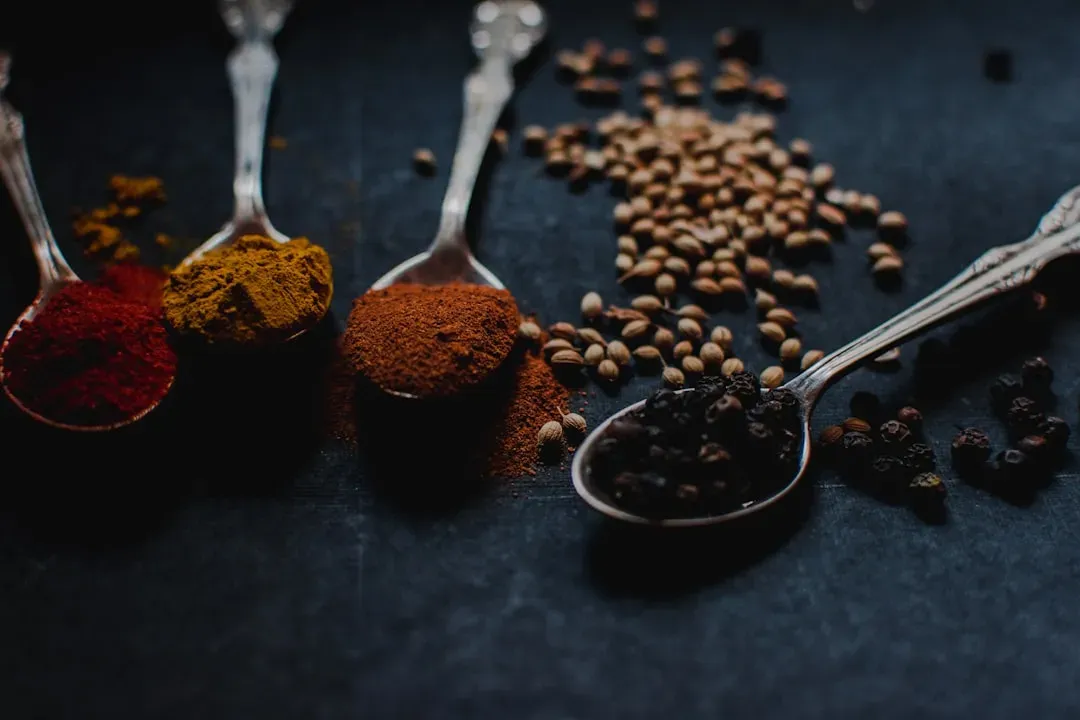
Give each jar a sniff test first. Fresh spices release a strong, immediate aroma when rubbed. Dull or dusty smells signal trouble.
Check color next. Vibrant reds and yellows turn muted over time. Taste a pinch if unsure, though sparingly.[5]
Clumps or off odors mean moisture intrusion. Discard those right away. Proper storage prevents most issues.
Paprika: The Fading Red Star
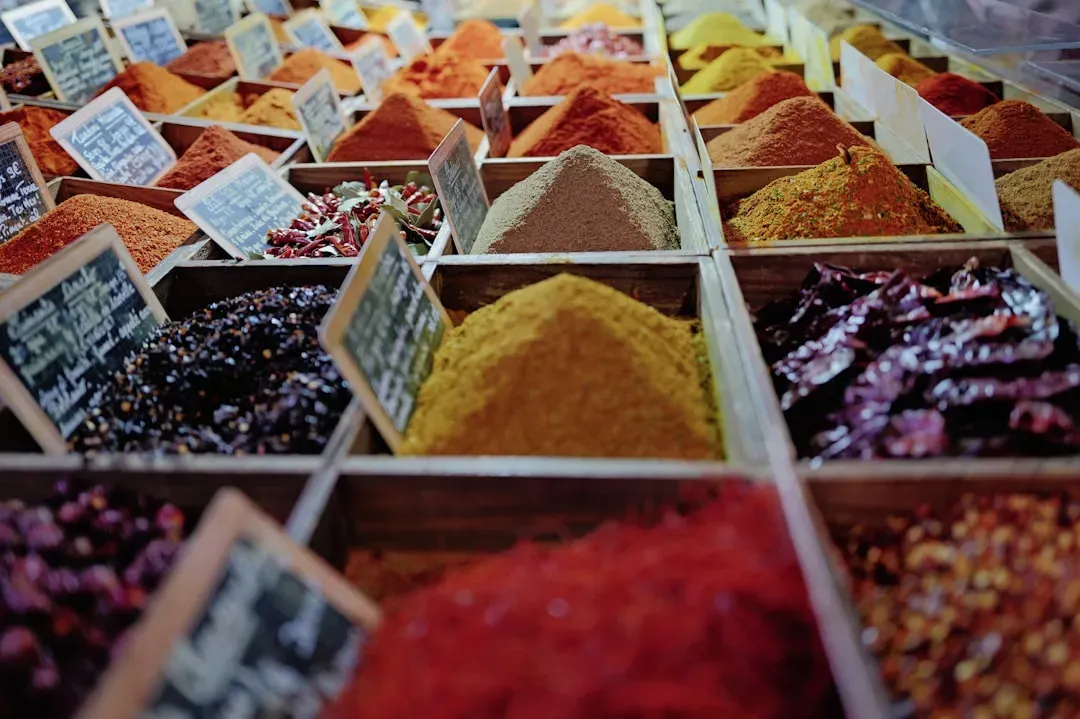
Paprika’s bold color and subtle smoke vanish quickest among powders. After six months open, delicate compounds oxidize fast. What remains offers little beyond tint.
Sources highlight its rapid decline due to high oil content. Vibrant Hungarian varieties suffer most. Replace if over six months for true depth in rubs or stews.[6][5]
Ground Cumin: Earthy Warmth Wanes
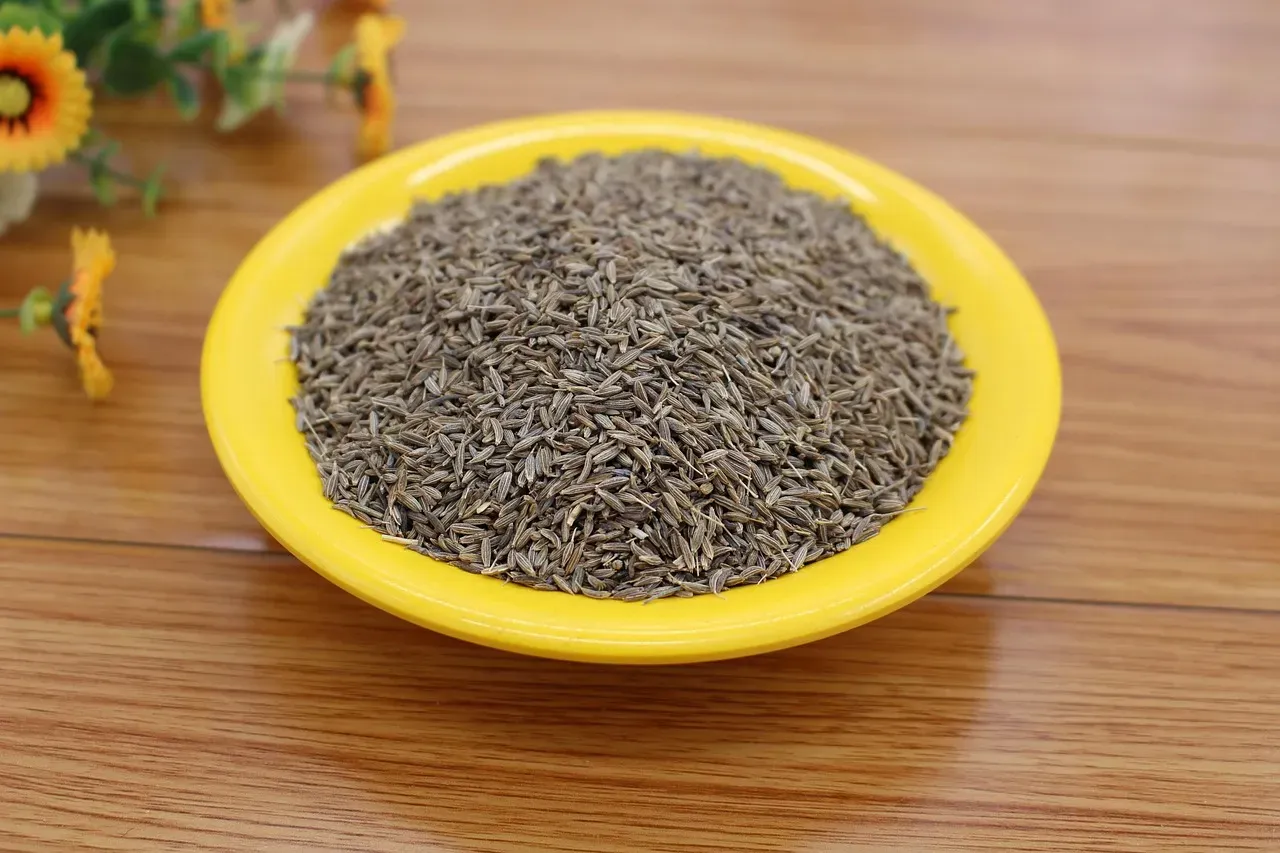
Cumin’s nutty, warm profile depends on fragile volatiles. These break down swiftly post-grinding. Six months in, it tastes flat against fresh batches.
Blogs and charts peg it as a quick fader. Pantry audits often flag cumin jars first. Toss yours if the scent lacks punch.[6]
New cumin transforms tacos or curries instantly. Stock small amounts to stay ahead.
Ground Ginger: Zesty Kick Fizzles
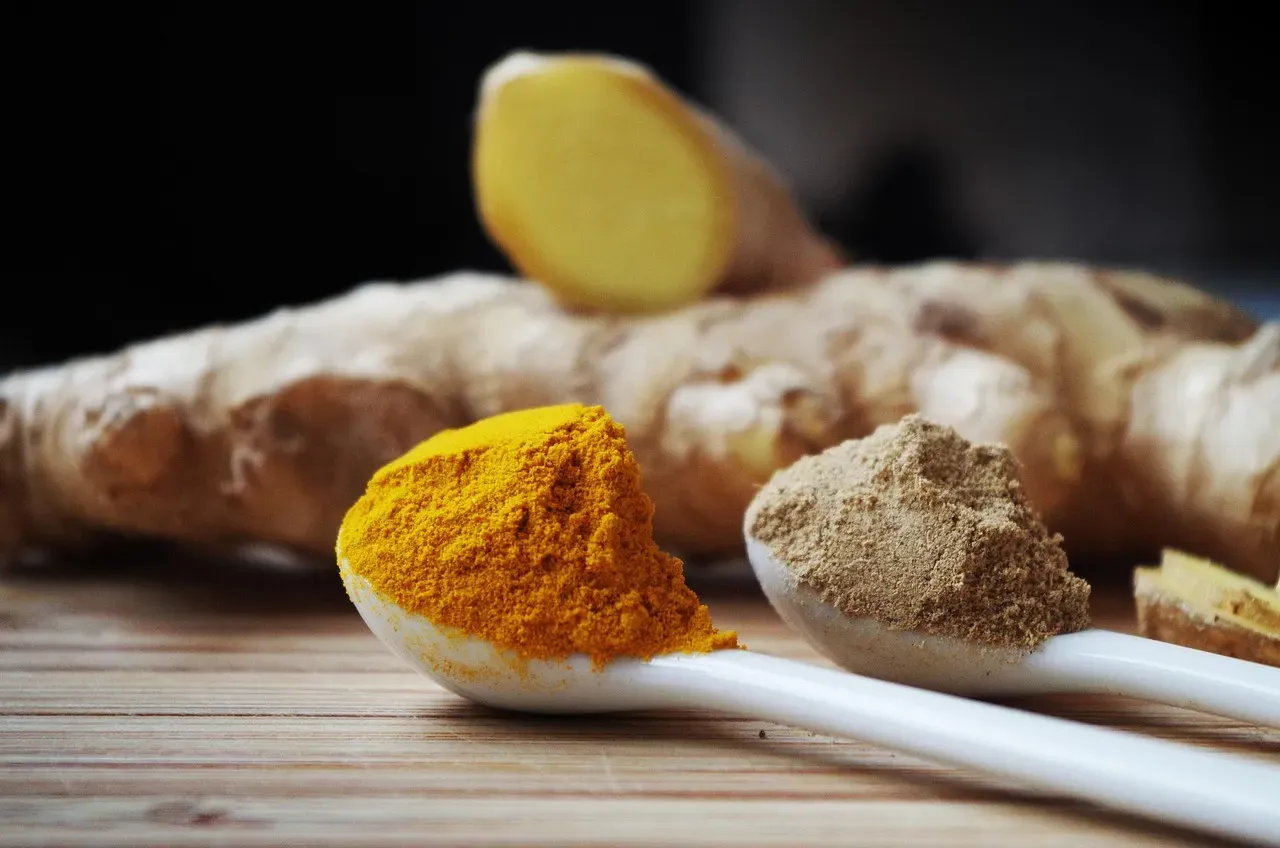
Ginger powder starts sharp and spicy. Air exposure dulls that fire within months. Baking suffers most from stale versions.
Experts note its oils evaporate rapidly. Six-month-old ginger barely registers in cookies or stir-fries. Fresh grate or powder revives the zip.[6][3]
Storage Tricks for Longer Life
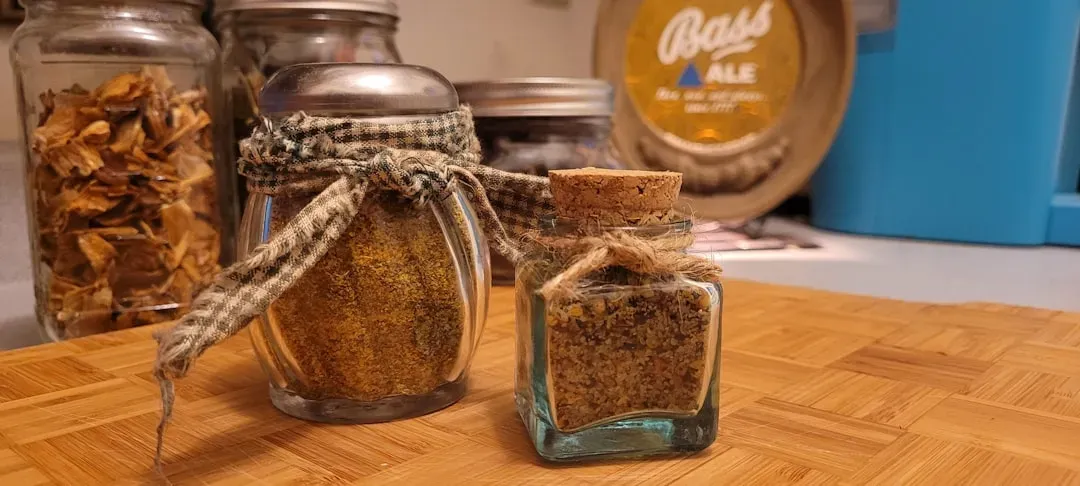
Keep spices in cool, dark cabinets away from stove heat. Airtight glass jars beat plastic every time. Opaque ones block light best.
Avoid fridge humidity unless vacuum-sealed. Label with purchase dates. This extends usability beyond basics.[7]
Whole Spices: Buy Them When Possible
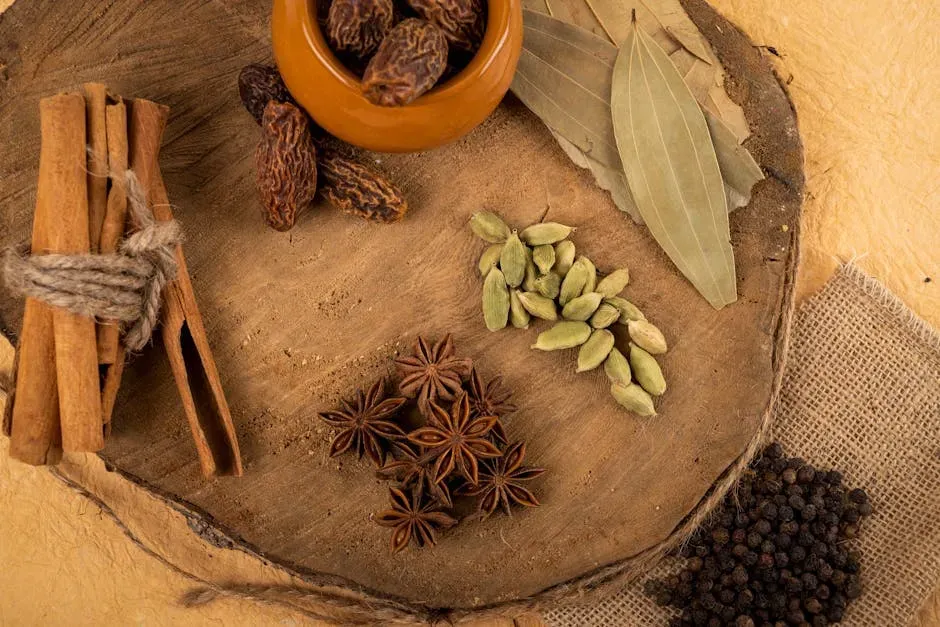
Whole forms retain oils locked inside. Grind as needed for maximum impact. Peppercorns and cloves exemplify this edge.
Charts show four-year potency for wholes versus two for grounds. Invest in a grinder. Flavor payoff justifies it.[3]
Blends and Herbs Fade Even Quicker
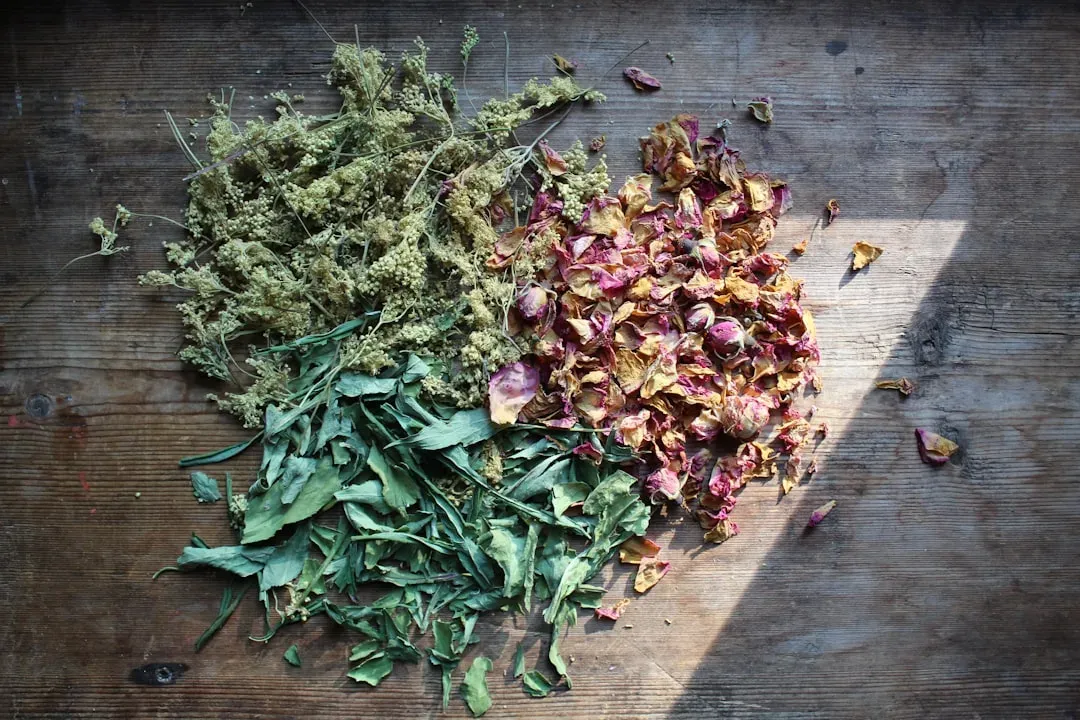
Pre-mixed blends combine fast and slow faders. They average one to two years tops. Dried basil or oregano drops to months.
Check these during audits too. Single-note herbs lose green vibrancy fast. Refresh for herb-crusted proteins.[4]
Smart Buying to Avoid Waste
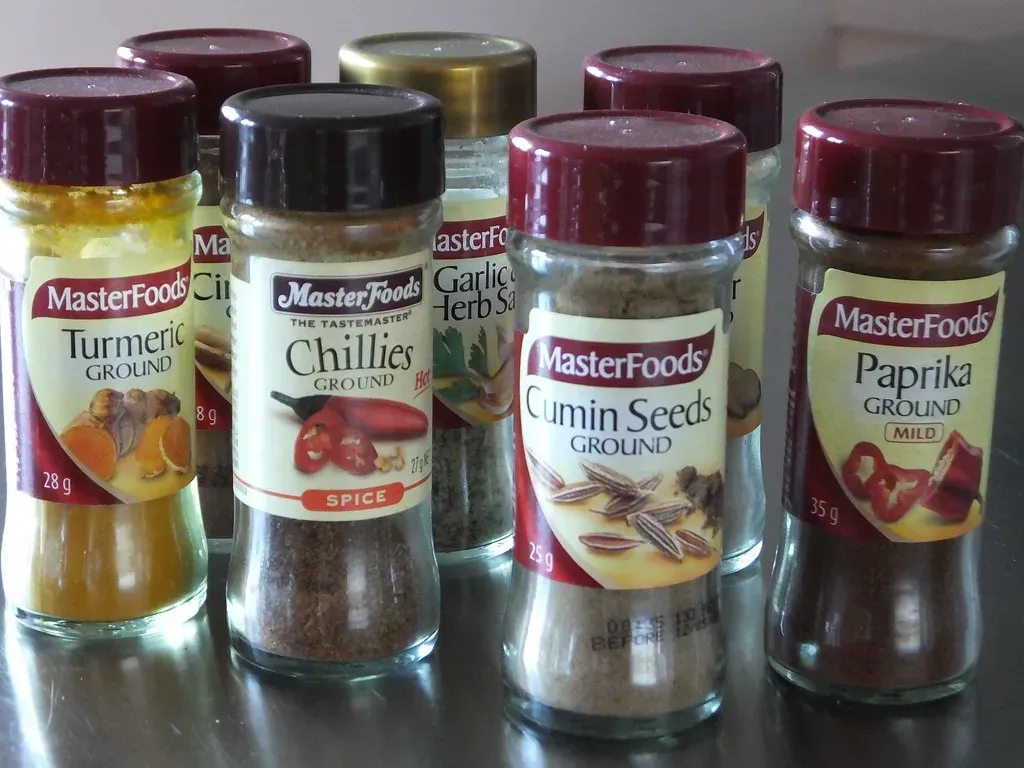
Opt for small jars over bulk unless using fast. Reputable brands date their products clearly. McCormick leads with reliable timelines.
Buy whole where practical. Freeze extras in portions. These habits cut toss-outs sharply.[1]
Your Next Steps After the Audit
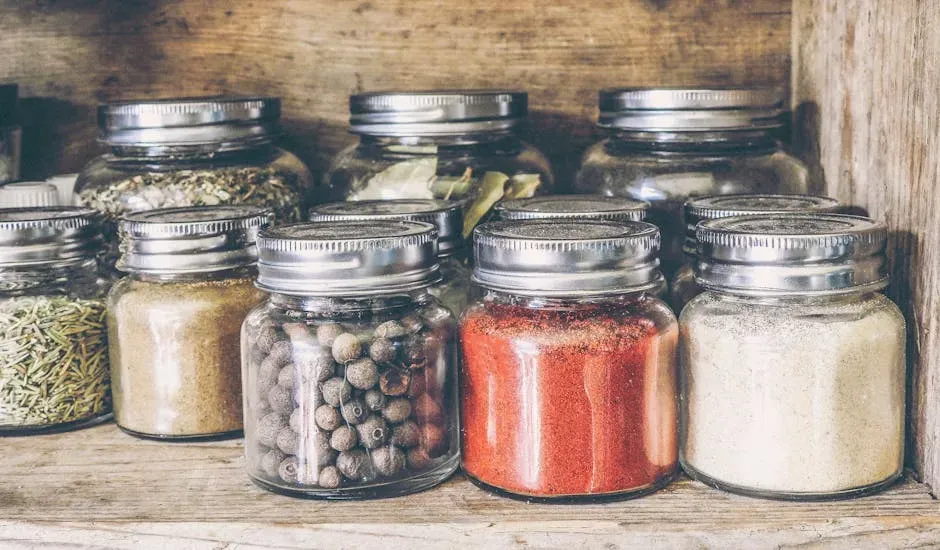
Shop with a list of discards in hand. Test new ones upon arrival. Schedule checks every six months.
Fresh spices turn routine cooking vibrant again. The effort pays off bite by bite.
A stocked, fresh pantry sets you up for success. Small audits yield big taste wins. Your meals deserve that edge.