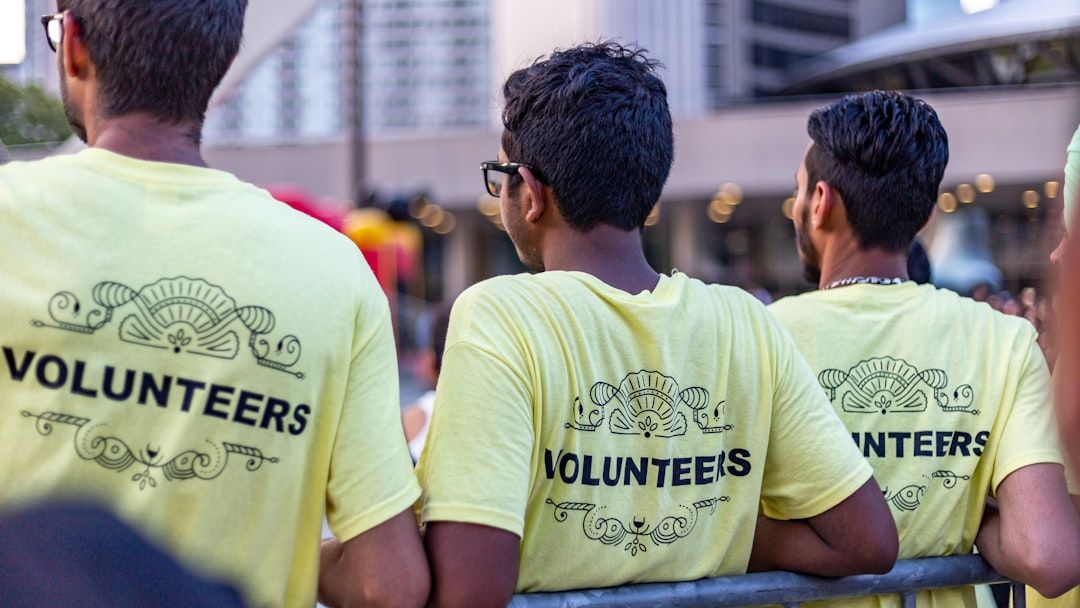
Local Charities Helping Seniors in Maryland – Image for illustrative purposes only (Image credits: Unsplash)
Maryland – Older adults facing everyday challenges in the state have access to a dedicated array of local charities that provide food, transportation, home repairs, and more. These organizations, often rooted in communities and supported by volunteers, fill critical gaps left by public programs. With services verified as current through late April 2026, they offer practical pathways for seniors, caregivers, and families seeking immediate relief.
Quick Access Points for Pressing Needs
Seniors in need of urgent assistance often find the fastest responses through targeted starting points tailored to their situation. For groceries or pantry staples, the Maryland Food Bank directs individuals to nearby partner pantries via its ZIP code search tool. Users should confirm hours, identification requirements, and senior-specific delivery options by phone beforehand, as these details shift frequently.
Referral services like 211 Maryland connect callers to local food pantries, churches, rent assistance, and volunteer rides based on their location. Civil legal issues, such as evictions or debt, prompt early applications to Maryland Legal Aid, where staff assess eligibility for representation. Homebound individuals turn to Meals on Wheels for delivered meals, while volunteer rides through groups like Neighbor Ride accommodate medical trips and errands with advance booking.
Food Networks Anchoring Community Support
Maryland’s food assistance landscape relies on robust networks that prioritize seniors, delivering everything from weekly groceries to monthly senior boxes. The Maryland Food Bank partners with local sites across counties, emphasizing pre-visit calls to verify service areas and pickup protocols. In Montgomery County, Manna Food Center extends options like grocery vouchers, market-style distributions, and deliveries for those with mobility challenges.
Capital Area Food Bank targets seniors over 60 in areas including Montgomery County, supplying substantial monthly allotments to income-eligible participants. Church-run pantries complement these efforts, offering short-term aid without strict membership requirements. Home-delivered meals through Meals on Wheels address cooking limitations for homebound residents, though fees may apply based on financial circumstances.
What Matters Now
Food aid remains the most accessible entry point for many seniors, as pantries often operate even when other funds dwindle. Confirm ZIP code eligibility and prepare basic ID to streamline access.
Faith Groups and Emergency Financial Lifelines
Faith-based organizations form a cornerstone of support, providing not just food but also clothing, small emergency funds, and referrals. Catholic Charities’ Answers for Aging hotline offers guidance on housing, in-home care, and planning for older adults in Central Maryland. Salvation Army centers in counties like Baltimore, Carroll, and Howard handle food, eviction prevention, and utility aid when appointments and funds align.
St. Vincent de Paul in the Baltimore region tackles hunger and housing instability through parish conferences and direct services. For rent or utilities, Montgomery County’s Interfaith Works coordinates bilingual assistance, including partial bill payments for qualifying residents. These groups typically require documentation like shutoff notices or leases, and funds deplete quickly, underscoring the need for prompt outreach.
Specialized Aid for Health, Home, and Caregiving
Beyond basics, nonprofits address transportation, repairs, and health needs to promote aging in place. Howard County’s Neighbor Ride schedules volunteer-driven trips for medical visits and shopping, while Montgomery’s Senior Connection provides escorted rides limited to six monthly round trips for those 60 and older. Baltimore County’s Neighborhood Companions serves specific areas like Dundalk with similar transport and companionship.
Home safety improvements come via Rebuilding Together Baltimore’s no-cost repairs for low-income seniors in Baltimore City and County, alongside Civic Works’ grab bars and structural fixes. Habitat for Humanity Metro Maryland aids Montgomery and Prince George’s Counties with weatherization and accessibility upgrades. Caregivers access Alzheimer’s Association support groups and a 24/7 helpline, while villages like those in Montgomery foster neighborly check-ins. Legal nonprofits such as Maryland Legal Aid and Maryland Volunteer Lawyers Service offer civil help, and clinics like Shepherd’s Clinic provide care for uninsured adults.
Community-focused groups support immigrants through CASA’s legal hotline and Catholic Charities Esperanza Center, LGBTQ+ seniors via FreeState Justice, and rural residents through county-specific pantries and volunteers.
Practical Steps to Secure Assistance
Success hinges on preparation: jot down county, ZIP code, age, deadlines, and prior efforts before calling. Sample scripts clarify requests, such as specifying a medical appointment date for rides or detailing a safety repair for home aid. Essential documents include photo ID, proof of address, income statements, bills, and medical notes to expedite processing.
Charities excel at referrals, meals, and minor interventions but rarely cover full bills or emergencies. If declined, inquire about the reason – service area, closed funds, or eligibility – then request a local referral. Food pantries serve as reliable backups, freeing up budgets elsewhere. Rural seniors should prioritize county searches, veterans consult dedicated guides, and Spanish speakers note tailored summaries for key contacts.
These local charities weave a resilient support system for Maryland’s seniors, adapting to fluctuating resources while emphasizing early action and clear communication. As needs evolve, their community-driven model continues to deliver tangible relief where it counts most.