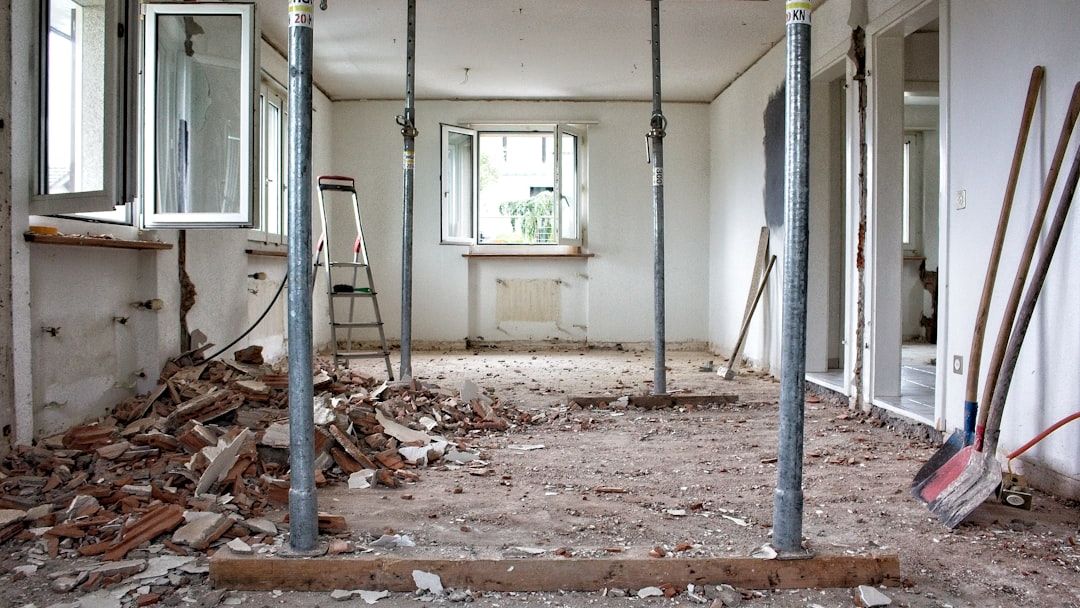
Dear Abby: My husband wants me to finance the house renovations while not being apart of the will – Image for illustrative purposes only (Image credits: Unsplash)
Illinois — A wife grappled with a familiar tension in many second marriages: contributing to home improvements on a property destined for her husband’s children. After a decade together, she already covered significant costs for windows, doors, blinds, and bathroom remodels in the house he owned before their union. Now, facing demands for half the kitchen renovation, she worried about subsidizing an inheritance she would never receive.[1][2]
The conflict highlighted deeper questions of fairness in shared living arrangements. Her husband viewed the upgrades as joint efforts to enhance "our" home, while she saw them as investments benefiting only his family. The dilemma reached syndicated advice columnist Dear Abby, whose response emphasized protection over concession.
The Roots of the Renovation Rift
The couple resided in a home the husband purchased prior to their marriage 10 years ago. He proposed renovations explicitly to boost the property’s value, with clear plans to bequeath it to his four adult children upon his passing. This setup left the wife outside the inheritance chain, yet central to the funding discussion.
She already shouldered the full expense for new windows, doors, and blinds. Additionally, she paid half the costs for renovating two bathrooms. The latest request targeted the kitchen, again seeking her contribution for 50 percent of the bill. Her reluctance stemmed from a straightforward calculation: these enhancements would enrich his children’s future asset without reciprocal security for her.[3]
Husband Labels Stance Selfish Amid ‘Our Home’ Claim
The husband pushed back hard against her hesitation. He accused her of selfishness and failing to collaborate on improvements to what he called "our" home. This framing underscored a common marital disconnect, where emotional ties to shared space clashed with legal and financial realities.
From her viewpoint, the contributions felt one-sided. She expressed determination to halt further payments, recognizing the pattern as direct support for his offspring’s windfall. The exchange revealed how preconceived estate plans could strain even long-term partnerships, especially without mutual agreements on assets.[1]
Such disputes often arise in blended families, where prior ownership complicates equity. Her letter to Dear Abby, signed "Fair or Not in Illinois," captured the frustration of investing in a space without ownership assurances.
Dear Abby’s Clear Guidance: Receipts, Writing, and a Lawyer
Dear Abby validated the wife’s position without reservation. "My take is that you are right," she wrote in her May 5 column published across outlets including UExpress.[1] She advised saving all receipts for past payments and securing a written agreement that the wife receive reimbursement for those amounts upon the husband’s death.
Abby stressed the importance of documentation to formalize any understanding. She recommended consulting a lawyer for precise guidance, ensuring the wife’s investments yielded protection rather than loss. This practical counsel shifted focus from confrontation to safeguards, preserving marital harmony while addressing inequities.
Her response resonated as timeless counsel for similar scenarios. Couples navigating renovations on pre-marital properties benefited from proactive steps like those outlined, avoiding future regrets amid estate distributions.
Lessons for Financial Security in Long-Term Marriages
The column prompted reflection on proactive estate discussions. Spouses in the wife’s position gained a blueprint: track expenditures meticulously and formalize reimbursements legally. Abby’s directive underscored that fairness required more than verbal assurances in matters of property value and inheritance.
While the husband emphasized partnership, the advice highlighted boundaries. Open conversations about wills and contributions early in marriage could prevent escalations. For this Illinois couple, the path forward lay in legal clarity, transforming a potential rift into resolved equity.
Ultimately, Dear Abby’s words offered empowerment. By prioritizing documentation and professional input, the wife positioned herself to contribute on her terms, safeguarding her financial stake in their shared life.