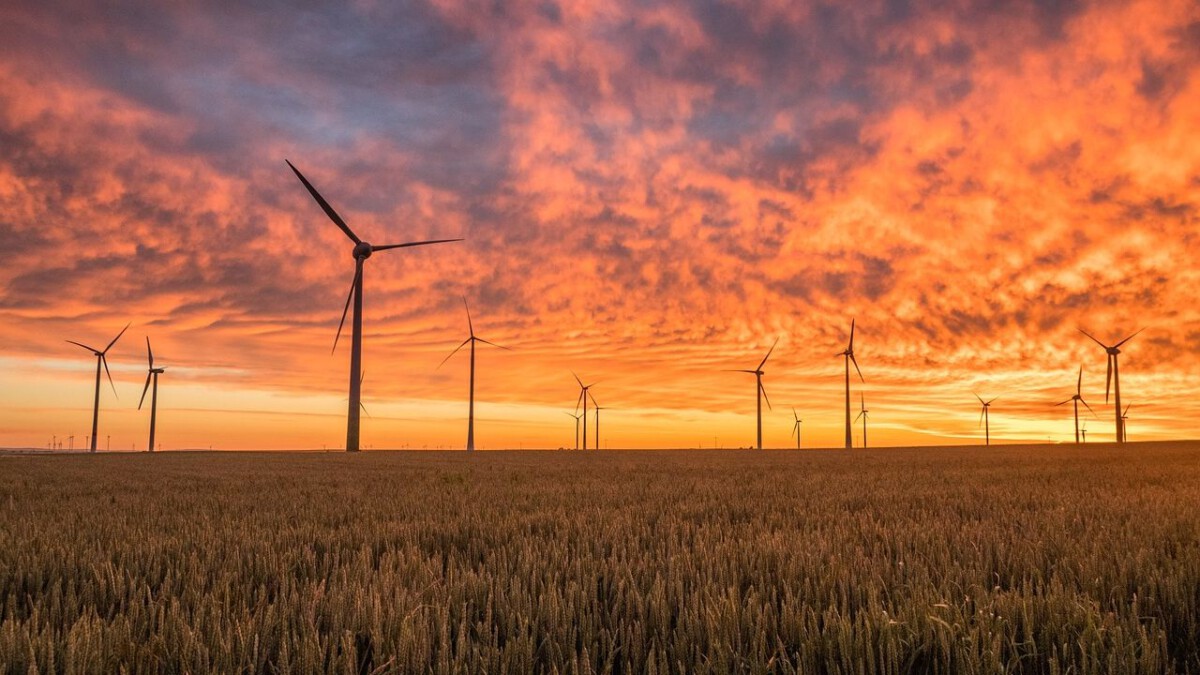
As Oil Shocks Accelerate The Quest For Alternative Energy, KGRN Could Benefit – Image for illustrative purposes only (Image credits: Pixabay)
Oil prices surged past $120 per barrel in March 2026 as conflicts disrupted flows through the Strait of Hormuz, the vital artery for global energy supplies.[1][2] Households worldwide grappled with gasoline costs approaching $4 per gallon in the U.S., prompting renewed urgency for alternatives to fossil fuels. This supply shock echoed past crises but arrived amid accelerating advancements in renewables, particularly in China, where clean technology firms stand ready to fill the gap.
The Roots of the 2026 Oil Shock
Escalating U.S.-Iran hostilities ignited what became known as Black March. A tanker strike off Oman on March 1 marked the beginning, followed by Iran’s Revolutionary Guard declaring control over the Strait of Hormuz days later.[1] Naval mines and attacks on key infrastructure, including Qatar’s LNG facilities, slashed Gulf oil production by millions of barrels daily. Brent crude rocketed from under $80 in February to a peak of $126 by early March.
Emerging markets felt the strain acutely, with currency volatility and food price spikes compounding the pain. Asian nations, heavily dependent on imported oil and gas for power generation, began rationing supplies as inventories tightened. The disruption exposed longstanding vulnerabilities, much like supply chain breaks during the COVID era, and refocused attention on energy diversification.
China’s Unique Position in the Energy Shift
While many economies reeled, China demonstrated relative insulation. Renewables and domestic coal powered most of its electricity, limiting exposure despite imported oil meeting 14% of energy needs as of late 2025.[2] The country already generated over 40% of its power from renewables in recent years, with targets to exceed that benchmark by 2027, peak emissions before 2030, and achieve carbon neutrality by 2060.
Leadership extended across multiple fronts. China built more nuclear plants under construction than any other nation, contributing about 5% to its electricity mix. In new energy vehicles, it claimed half of global electric vehicle production by the end of 2025, though NEVs made up just 12% of vehicles on its roads. A 2025 glut in solar and wind capacity, addressed by government measures, now positioned excess supply for rapid deployment amid rising regional demand.
Inside KGRN: Exposure to China’s Clean Tech Leaders
The KraneShares MSCI China Clean Technology Index ETF, ticker KGRN, offers investors targeted access to this ecosystem. It tracks an index of Chinese companies deriving at least half their revenue from environmentally focused products and services across themes like alternative energy, sustainable water, green buildings, pollution prevention, and energy efficiency.[3] With net assets around $62 million and an expense ratio of 0.79%, the fund balances accessibility with specialized exposure.
As of early May 2026, KGRN’s top holdings underscored its emphasis on electric mobility and power generation. BYD Co. led at 8.6%, followed closely by Li Auto at 8.46% and Xpeng at 7.82%. Other notables included Contemporary Amperex Technology (CATL) for batteries, Nio, China Yangtze Power, and CGN Power. Recent performance showed year-to-date gains of about 4% for the fund’s NAV, with a one-year return near 14%.[3]
- BYD Co. Ltd. – 8.60%
- Li Auto Inc. – 8.46%
- Xpeng Inc. – 7.82%
- Contemporary Amperex Tech. – 7.36%
- Nio Inc. – 5.39%
Key Sectors Poised for Acceleration
New energy vehicles emerged as a prime beneficiary. In 2025, China sold 16.5 million NEVs out of 34 million new cars, fueling exports and domestic adoption. Skyrocketing fuel costs – such as $100 fills for conventional tanks – could tip consumer preferences further, boosting firms like BYD, Nio, Li Auto, and Xpeng.[2] Southeast Asian partners, seeking to reduce Hormuz reliance, may turn to Chinese wind and solar expertise, exemplified by operators like China Longyuan Power.
Nuclear expansion offered another avenue. With steady additions to capacity and technological upgrades, Chinese companies positioned themselves for international collaborations, such as potential involvement in Malaysia’s 2025 nuclear feasibility study. Battery storage addressed renewables’ intermittency, evolving from EV applications to grid-scale solutions. These dynamics suggested the oil shock could hasten inventory drawdowns and project pipelines across the board.
The broader clean tech landscape benefited from policy tailwinds, including China’s national emissions trading system launched in 2021, now the world’s largest. Global demand surges aligned with this domestic momentum, creating a virtuous cycle for exporters.
Core Themes Driving KGRN: Alternative energy, sustainable water, green building, pollution prevention, energy efficiency.
Navigating Volatility with Strategic Exposure
Investors eyed KGRN amid fluid Middle East developments, viewing it as a hedge against fossil fuel risks. The ETF captured China’s environmental protection surge, the globe’s largest renewables market. While short-term trade frictions or overcapacity posed challenges, long-term tailwinds from energy security demands appeared robust.
The crisis underscored a pivotal truth: nations and companies would prioritize insulation from future shocks. Chinese clean tech firms, with proven scale and innovation, stood at the forefront. As oil markets stabilized uneasily, the quest for alternatives gained irreversible momentum, potentially rewarding patient exposure through vehicles like KGRN.