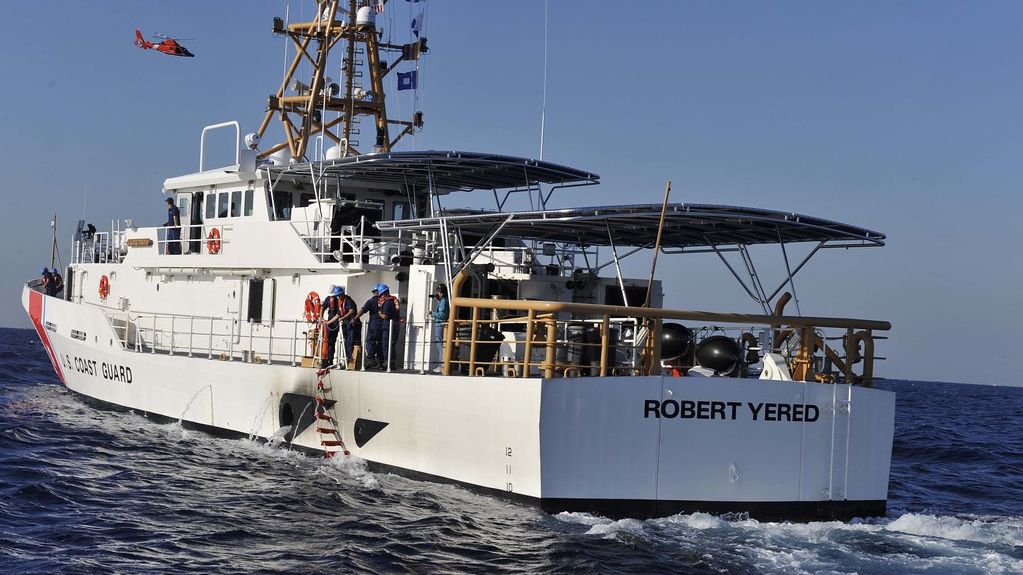
US military strike on alleged drug boat kills 2 in the Caribbean – Image for illustrative purposes only (Image credits: Flickr)
Washington — The U.S. military carried out a strike against a vessel suspected of smuggling drugs through the Caribbean Sea, resulting in two fatalities on Monday. Officials described the boat as part of ongoing narcotics trafficking operations in the region. This action continues a pattern of aggressive interdictions that the Trump administration initiated in early September.
Details Emerge from the Strike
The military confirmed the operation targeted a boat accused of ferrying illegal drugs across international waters. Crew members aboard the vessel perished during the encounter. Such precision strikes have become a hallmark of efforts to disrupt maritime drug routes.
Authorities provided limited specifics about the boat’s cargo or origin, focusing instead on the immediate outcome. The incident unfolded amid heightened patrols in the Caribbean, where smuggling activity remains prevalent. Response teams assessed the aftermath to ensure no further threats lingered.
Campaign Roots in Early September
The Trump administration ramped up these naval operations starting in early September, aiming to curb the flow of drugs from Latin America. Vessels flagged for suspicious activity faced direct intervention. This approach marked a shift toward more decisive action at sea.
Prior strikes followed a similar playbook, with military assets deploying to neutralize targets swiftly. The strategy sought to intercept shipments before they reached U.S. shores. Regional partners monitored developments, though the U.S. led most engagements.
Toll Mounts Across Operations
Across the entire campaign, at least 188 individuals lost their lives in these confrontations. Each incident added to a grim tally as forces pursued high-stakes interdictions. The human cost highlighted the risks involved in combating organized trafficking networks.
Military spokespeople emphasized the necessity of such measures against heavily armed smugglers. Still, the accumulating deaths drew scrutiny from observers tracking the program’s effectiveness. Data from these operations underscored persistent challenges in the drug war.
What Matters Now: This strike reinforces the U.S. commitment to maritime security, even as the total fatalities climb. Future actions may face evolving tactics from traffickers adapting to the pressure.
Broader Implications for Regional Security
The Caribbean serves as a critical corridor for narcotics bound for North America. U.S. strikes aimed to sever supply lines originating in Latin America. Success in these waters could influence street-level availability, though experts noted the adaptability of smuggling rings.
Governments in the region coordinated intelligence to support the efforts. The campaign’s persistence signaled no quick resolution to the entrenched trade. As operations continued, questions arose about long-term strategies beyond immediate takedowns.
Officials viewed Monday’s outcome as a tactical win, yet the overall fight demanded sustained vigilance. The balance between enforcement and consequences remained a focal point for policymakers.