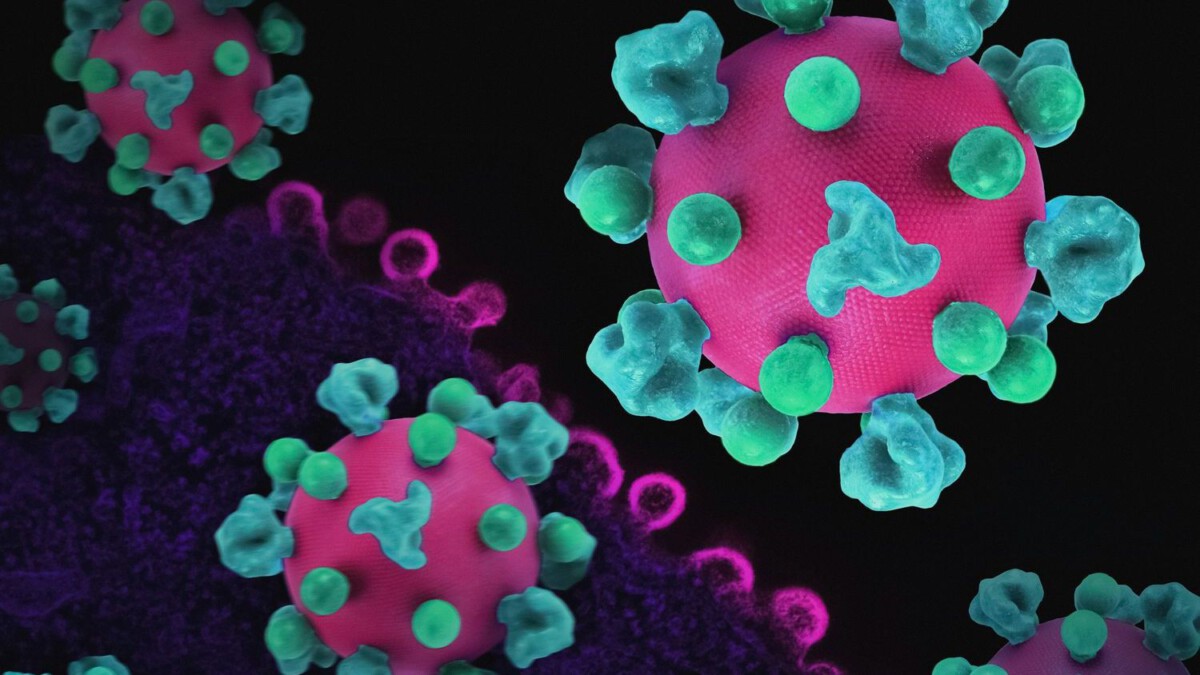
Hantavirus Explained: What to Know as WHO Suspects Human-to-Human Spread – Image for illustrative purposes only (Image credits: Unsplash)
A Dutch couple’s dream voyage through Antarctica ended in tragedy, leaving fellow passengers on the MV Hondius stranded off Africa’s west coast amid a suspected hantavirus outbreak. Three travelers have died, and health authorities now suspect the virus may have passed between close contacts aboard the vessel – a rare occurrence for this typically rodent-linked pathogen. The World Health Organization has confirmed two cases while emphasizing that the broader public faces minimal risk.[1][2]
The Timeline of a Voyage Turned Deadly
The MV Hondius, a luxury expedition ship operated by Oceanwide Expeditions, departed Ushuaia in Argentina more than a month ago, carrying around 150 passengers from 23 countries on a route through Antarctica, the Falkland Islands, South Georgia, and remote Atlantic islands like Tristan da Cunha and St. Helena.[1] The first signs of trouble emerged in early April when a 70-year-old Dutch man fell ill with fever, headache, abdominal pain, and diarrhea. He died on board on April 11, and his body was later transferred at St. Helena.[2]
His 69-year-old wife, who had shared a cabin with him, was evacuated to South Africa but collapsed at an airport in Johannesburg. She passed away on April 26, and tests later confirmed she carried a hantavirus variant.[1] On May 2, a German passenger died on the ship from pneumonia, treated as a suspected case pending further analysis. Meanwhile, a British national remains in intensive care in Johannesburg after testing positive, his condition now stable but critical.[2]
Seven Cases Under Scrutiny
Investigators have identified seven hantavirus cases aboard: two laboratory-confirmed and five suspected. Two crew members – one British and one Dutch – developed acute respiratory symptoms and await medical evacuation to the Netherlands. Another passenger reported mild fever but has recovered, with samples sent for testing.[1]
Symptoms typically start with flu-like fatigue, fever, and muscle aches, progressing within days to severe coughing, shortness of breath, and fluid buildup in the lungs – a condition known as hantavirus pulmonary syndrome. Fatality rates hover around 38 to 40 percent for this form, with no specific antiviral treatment available; care focuses on oxygen support and managing organ failure.[3]
- Early phase (1-8 weeks post-exposure): Fever, chills, headache, nausea.
- Cardiopulmonary phase: Rapid breathing, shock, potential respiratory failure.
- Recovery or death: Survivors may face lasting fatigue; others succumb within days.
WHO Flags Rare Human Transmission Risk
While hantavirus usually spreads through inhaling dust contaminated by infected rodents’ urine, droppings, or saliva, the WHO suspects limited person-to-person spread in this cluster. “We do know that some of the cases had very close contact with each other and certainly human-to-human transmission can’t be ruled out,” said Dr. Maria Van Kerkhove, WHO director for epidemic and pandemic preparedness.[1] She noted the possibility among cabin-sharing couples, potentially involving an Andes virus strain endemic to South America, known for occasional interpersonal transmission.
Experts trace the source to possible pre-boarding exposure in Argentina – where an ongoing outbreak has claimed dozens – or encounters with rodents during wildlife excursions on remote islands. No rodents have been found on the ship itself, adding to the puzzle. Scientists await virus sequencing to confirm the strain and transmission chain.[4]
Life Aboard the Stranded Vessel
Anchored off Praia, Cape Verde, the MV Hondius remains under strict protocols: isolation for the ill, meals delivered to cabins, social distancing on decks, and heightened hygiene. Local authorities barred disembarkation, redirecting the ship toward Spain’s Canary Islands for screening and disinfection once key evacuations conclude.[2] Passengers, including 17 Americans, report a calm atmosphere despite the grief.
Travel vlogger Jake Rosmarin captured the human toll: “What’s happening right now is very real for all of us here… All we want now is to feel safe, to have clarity and to get home.”[1] The operator has praised the crew’s response, while families of the Dutch couple mourn a journey “abruptly and permanently cut short.”
Lessons for Travelers and Unanswered Questions
This incident underscores risks in expedition travel to rodent-prone areas: avoid dusty cabins, seal food, and report sightings promptly. Though public risk stays low – “not a virus that spreads like flu or COVID,” per Van Kerkhove – the outbreak prompts closer monitoring of hantaviruses globally.[1]
As evacuations proceed and tests continue, the focus remains on safely reuniting passengers with loved ones. For those who boarded seeking adventure, the MV Hondius saga serves as a stark reminder that nature’s threats can follow even to sea, leaving communities worldwide to grapple with the fragility of far-flung journeys.