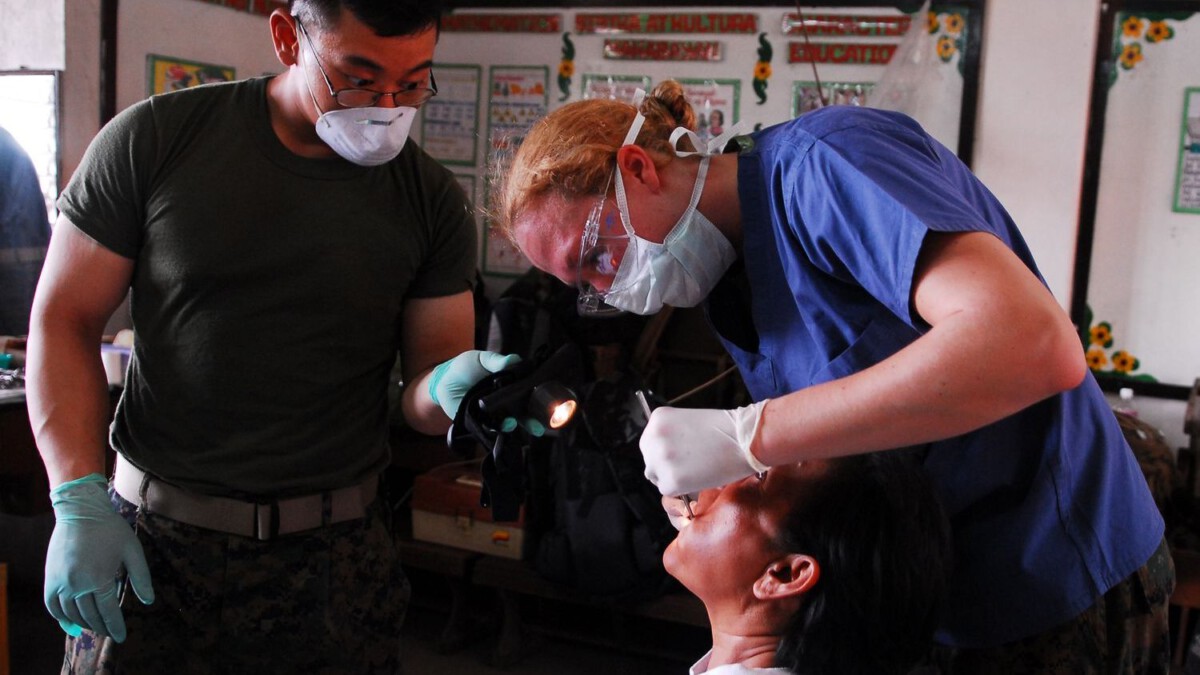
Philippines Travel Guide: What Expats Should Know About Healthcare Abroad – Image for illustrative purposes only (Image credits: upload.wikimedia.org)
For expats arriving in the Philippines, the thrill of island life often collides with the reality of an unfamiliar medical landscape. A minor ailment that would be routine back home can quickly escalate into a logistical challenge without proper preparation. Those who research local options early report fewer disruptions and greater confidence in handling health matters.
Public and Private Sectors: Key Differences
The Philippine healthcare system divides into public facilities, managed largely by the government, and private institutions that cater to a broader range of needs. Public services, overseen by the Philippine Health Insurance Corporation, provide low-cost care to millions of locals through clinics and hospitals nationwide. However, these often contend with overcrowding, resulting in extended wait times and variable resource availability.
Private hospitals, particularly in major cities like Manila, deliver a contrasting experience with state-of-the-art equipment and more efficient service. Expats frequently opt for these to minimize delays and ensure higher standards. Costs in private settings run higher upfront, but they align closer to international expectations for prompt attention.
| Aspect | Public Facilities | Private Facilities |
|---|---|---|
| Cost | Low, subsidized | Higher upfront payments |
| Wait Times | Often long | Shorter, more predictable |
| Technology | Basic | Advanced and modern |
International Insurance as a Safety Net
Expats rarely rely solely on local public coverage, turning instead to international health insurance tailored for overseas living. These plans cover access to private hospitals across the country, shielding against steep out-of-pocket expenses that emergencies can trigger. They also extend to scenarios where local care proves insufficient, such as evacuations to facilities abroad.
Selecting the right policy involves evaluating specifics like regional network access and emergency provisions. Many policies emphasize urban centers, where private options thrive. This coverage proves invaluable for long-term residents, allowing focus on adaptation rather than financial risks.
Specialized Services in Urban Hubs
Metro Manila and other urban areas lead in specialized treatments, from heart procedures to joint surgeries, bolstered by the rise of medical tourism. Hospitals there employ English-speaking physicians trained to global standards, easing navigation for foreigners. Expats with chronic conditions find these resources particularly reassuring.
The influx of medical tourists has spurred investments in infrastructure, elevating overall quality. Still, rural areas lag, underscoring the value of insurance that facilitates travel to better-equipped sites. Proactive expats map these centers early to streamline care during needs.
Wellness Strategies for Long-Term Health
Beyond insurance, expats thrive by prioritizing prevention through routine checkups, physical activity, and balanced diets featuring local fresh foods. Hydration remains crucial in the tropical climate, warding off common issues. Registering with the Philippine Health Insurance Corporation complements private policies, creating layered protection.
Daily habits form the foundation: regular exercise amid scenic surroundings, nutritious meals, and prompt attention to symptoms. This approach not only cuts costs but sustains vitality for exploring the archipelago. Expats blending these practices with robust coverage report smoother transitions.
- Enroll in PhilHealth for baseline public access.
- Secure private insurance with evacuation clauses.
- Schedule annual checkups in private clinics.
- Incorporate local produce and activity into routines.
- Identify nearby urban hospitals for specialists.
As expats settle into Philippine life, a well-rounded health strategy transforms potential vulnerabilities into manageable routines. Those who layer public enrollment with private safeguards and personal wellness steps often discover the country’s medical evolution supports their adventures more than expected.