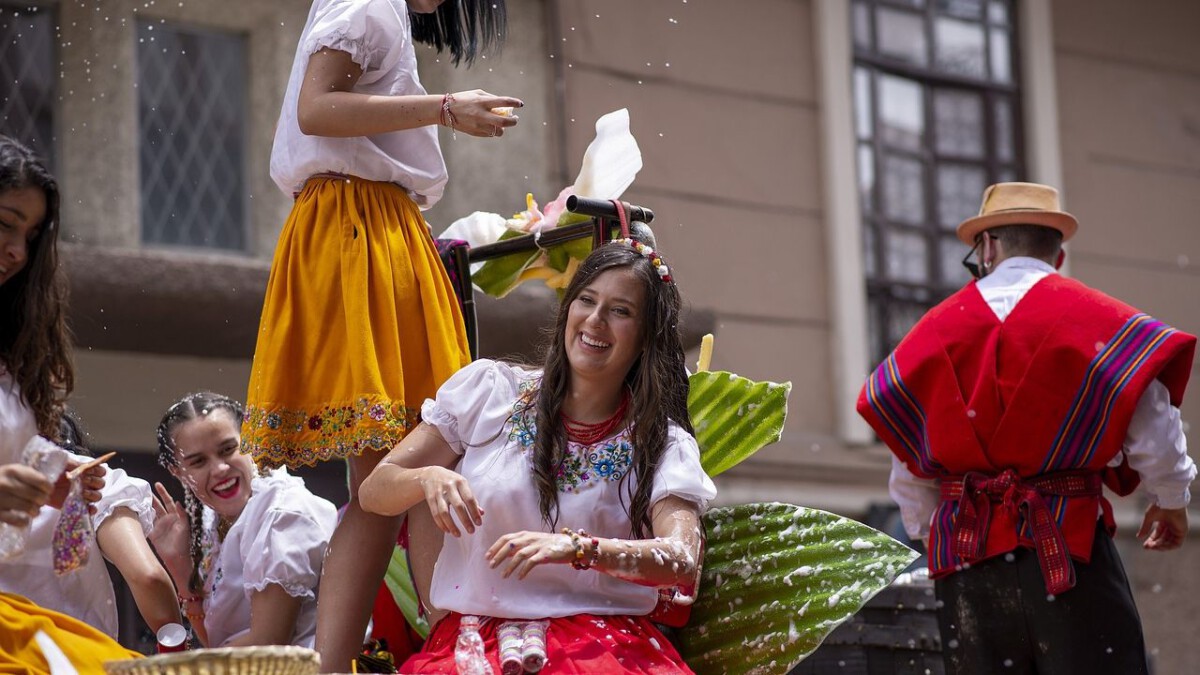
The City I Didn’t Want To Leave: My Guide To Cuenca, Ecuador – Image for illustrative purposes only (Image credits: Pixabay)
Cuenca, Ecuador – Nestled in the Andes at an elevation of 2,560 meters, Cuenca has surged to the forefront of South American travel destinations. The World Travel Index recently crowned it the number one city to visit in 2026, surpassing longstanding favorites like Cusco and Buenos Aires.[1][2] This recognition highlights its blend of affordability, safety, cultural depth, and reliable infrastructure at a time when travelers prioritize value and security.[1]
A Perfect Climate and Colonial Allure
Cuenca’s appeal begins with its eternal spring climate, where daytime temperatures hover around 15°C and nights dip to 7°C, offering comfortable conditions year-round. The city’s historic center, a UNESCO World Heritage site, features cobblestone streets lined with well-preserved colonial buildings, ornate churches, and vibrant plazas. Visitors often compare its charm to European gems like Barcelona, citing clean streets, functional public transport including modern trams, and even drinkable tap water.[3]
Plaza Calderon serves as the heart of the old town, surrounded by the striking New Cathedral with its iconic blue domes and the older cathedral now housing a museum of religious art. The Rio Tomebamba adds a scenic divide between the historic and modern sections, with promenades perfect for strolls amid balconied facades and pop-up markets. Locals fill these spaces with chess games, newspaper reading, and casual gatherings, fostering a welcoming atmosphere.
Top Attractions and Cultural Immersion
Key sites draw crowds for their historical and natural significance. The Cathedral of Cuenca dominates the skyline, its terrace offering panoramic views of tiled roofs, spires, and distant mountains. Pumapungo reveals layers of history – from indigenous Canari settlements to Inca structures and Spanish overlays – with ruins, a museum of artifacts, botanical gardens, and a bird sanctuary featuring macaws and llamas. Free entry makes it accessible for all.[3]
Mirador Turi provides breathtaking vistas from a hilltop church, especially at sunset when the city glows in soft light. Markets like Mercado 10 de Agosto bustle with fresh produce and food stalls serving encebollado, a hearty fish stew. Football matches at Estadio Alejandro Serrano deliver lively entertainment, complete with mariachi bands and passionate crowds, for as little as $5 a ticket. Artisan villages nearby offer textiles and jewelry, enhancing cultural experiences.
Nature Escapes and Surrounding Adventures
Beyond the city, Las Cajas National Park lies just an hour away, showcasing high-altitude lakes, condors, and spectacled bears amid dramatic ridges. Trails range from 2km to 15km, with entry at $4 and unpredictable weather demanding layers and rain gear. Buses from Cuenca provide easy access to trailheads like Laguna Toreadora.
Ingapirca, Ecuador’s largest Inca ruins, features the Temple of the Sun on an elliptical platform, terraces, and a museum. A short hike reveals mountain views and unique rock formations. These outings complement urban exploration, appealing to hikers and history buffs alike.[3]
| Category | Score | Global Rank |
|---|---|---|
| Low-Cost | 88.44 | 271/3028 |
| Attractions (Fun) | 77.47 | 312/3028 |
| Safety | 65.19 | 2050/3028 |
| Infrastructure | 79.07 | 326/3028 |
| Total | 77.54 | 217/3028 |
Source: World Travel Index[4]
Practicalities: Getting There, Staying, and Staying Safe
Cuenca anchors the southern end of Ecuador’s Avenue of the Volcanoes, reachable by bus from Quito in 10 hours or closer spots like Montanita in six. Accommodation ranges from hostels like 1840 Hostel to boutique options such as Hotel Boutique Santa Lucia. Expect budget stays under $50, with mid-range around $100 featuring breakfast and terraces.[3]
- Use yellow taxis or the Azutaxi app; Uber is unavailable.
- January, February, and June-December offer the best weather with fewer rains.
- Safety is moderate regionally – secure valuables in crowds and acclimate to altitude.
- Currency is USD; cards work widely, but carry cash for markets.
Cuenca’s rise underscores a shift toward destinations balancing cost and authenticity. With strong scores across key metrics, it promises memorable trips without the crowds or premiums of bigger hubs.[2]