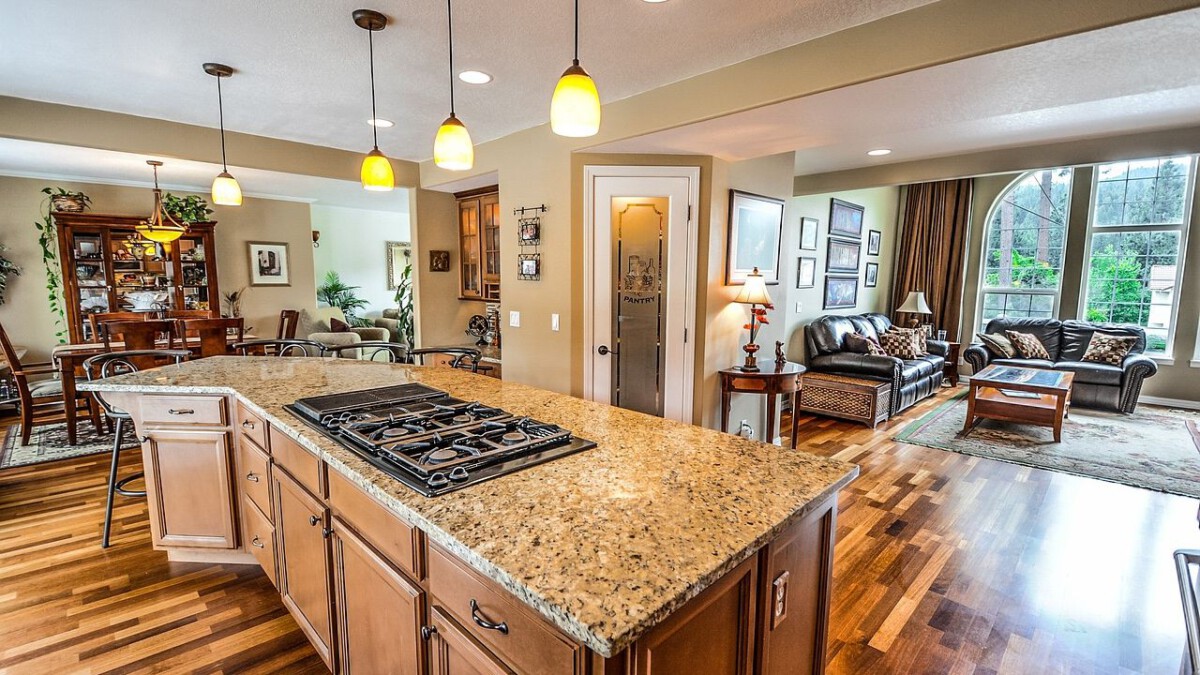
More Americans Live With Family as Housing Costs Soar, Boomers Age – Image for illustrative purposes only (Image credits: Pixabay)
A growing number of American families have turned to multigenerational living arrangements to cope with escalating housing expenses and the needs of an aging population. A new report from Realtor.com reveals nearly 4 million owner-occupied households now house three or more generations under one roof.[1][2] These setups offer practical solutions for shared costs and caregiving, reshaping how families approach homeownership in a challenging market.
The Growing Trend in Shared Family Homes
Multigenerational households accounted for 4.5 percent of owner-occupied homes in 2024, up slightly from 4.3 percent in previous years.[1] This figure translates to nearly 4 million such households nationwide, marking an increase of 700,000 since 2014. Families typically include five people living in a four-bedroom home, with a median household income of $131,000.
Real estate agent Pearl Emmons recently facilitated one such purchase in Somerville, Massachusetts. Grandparents in their 70s bought a two-family home alongside their daughter's family, allowing everyone to live much closer together. Grandma and Grandpa occupy the first floor while the younger couple resides above. These arrangements highlight a practical response to modern pressures.
Key Drivers: Affordability Challenges and Demographic Shifts
Skyrocketing housing costs have made independent living difficult for many young adults and retirees alike. High childcare expenses further incentivize pooling resources across generations. At the same time, the aging Baby Boomer population requires increased support, prompting families to cohabitate for mutual care.[2]
"Multigenerational living is a meaningful force in the housing market," said Hannah Jones, senior economic research analyst at Realtor.com. "A sense of shared purpose and care is at the heart of multigenerational living, a housing arrangement that is quietly shaping American family life."[2] Buyers show no hesitation despite elevated prices, drawn by the long-term benefits of combined incomes and support networks.
Key Statistics from Realtor.com Report:
- Nearly 4 million multigenerational owner-occupied households (4.5% of total).
- Median household size: 5 people in 4 bedrooms.
- Median income: $131,000 annually.
- 65% higher median list price: $709,000 vs. $429,900 for standard homes.[1]
Premium Prices and Brisk Demand
Multigenerational properties command significant premiums in the market. Listings for these homes carried a median price of $709,000 in 2025, 65 percent above the $429,900 median for standard homes.[1] On a per-square-foot basis, they fetched $262 compared to $215, a 22 percent markup. These homes also drew 13.5 percent more online views and sold after a median of 59 days on the market, on par with typical properties.
Special features drive the appeal, including in-law suites, guest houses, secondary kitchens, and separate entrances. They make up 6.1 percent of active listings nationwide. In regions with limited supply, premiums soar even higher – for instance, 120 percent in Detroit and 107 percent in Cleveland.[1]
Where Multigenerational Living Thrives Most
Western metros lead in concentration, averaging 14 percent of households. Urban Honolulu tops the list at 12.1 percent, followed by Riverside, California, at 10.9 percent.[1] California dominates with Los Angeles at 23.7 percent of listings, San Diego at 22.7 percent, and San Francisco at 17.4 percent. Growth has been fastest in places like Bakersfield and Riverside over the past decade.
| Metro Area | Share of Multigenerational Households |
|---|---|
| Los Angeles, CA | 23.7% |
| San Diego, CA | 22.7% |
| San Jose, CA | 18.0% |
| San Francisco, CA | 17.4% |
| Riverside, CA | 14.9% |
Southern and Midwestern markets show outsized demand where inventory lags. This trend signals lasting changes in housing preferences, as families prioritize affordability and proximity over separate dwellings.
As housing pressures persist, multigenerational homes offer a viable path forward for millions. The market's response underscores their enduring value in an era of economic strain.[3]