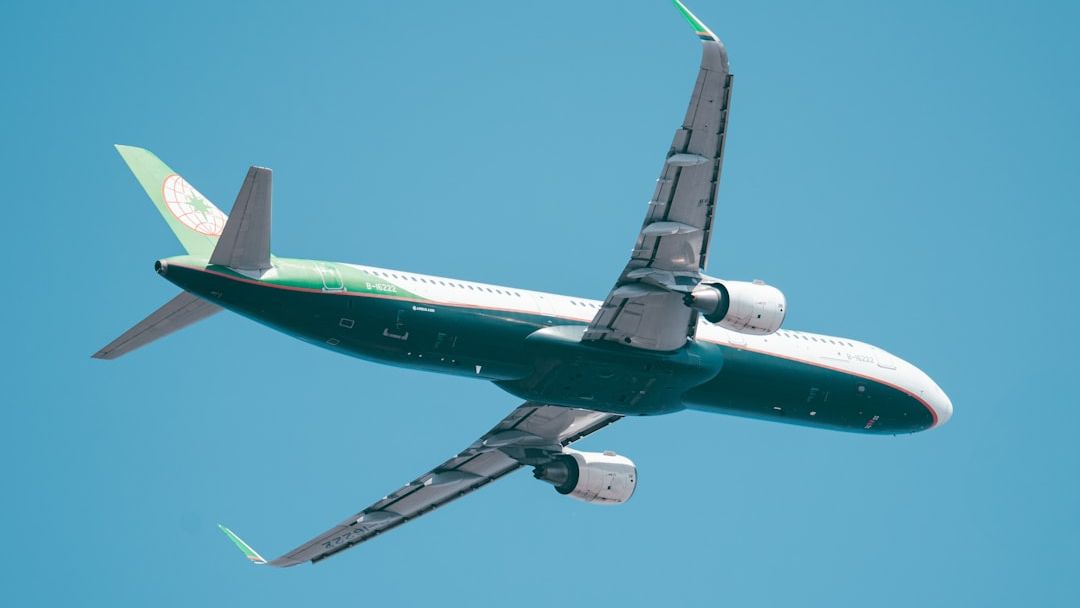
3 Ways Surging Fuel Costs Are Impacting Air Travel – Image for illustrative purposes only (Image credits: Unsplash)
Stranded passengers at airports across the U.S. learned the hard way last week when Spirit Airlines abruptly ceased operations, canceling flights and leaving travelers scrambling for alternatives. Jet fuel prices have surged dramatically, representing up to 30% of an airline’s operational costs according to a 2026 International Air Transport Association report.[1] Airlines now pass these expenses directly to consumers through higher fares and fees, while trimming schedules to cut losses. Airfare has climbed nearly 15% year over year amid these pressures.
Fuel Costs Drive Up Base Fares
Airlines confronted with jet fuel averaging $2.39 per gallon as recently as February 2026 now brace for much higher figures. American Airlines, for instance, projected a $4 per gallon cost in its April 2026 earnings call, signaling a potential $4 billion jump in operating expenses through the year.[1] United Airlines executives warned of possible 15% to 20% fare increases to offset the spikes.
Supply constraints compound the issue. Carriers like Air Canada, Delta Air Lines, Lufthansa, and Ryanair announced reduced flight schedules, limiting options and easing pressure on airlines to compete aggressively on price. Fewer seats mean travelers pay more for what’s available.
Fees Climb Across the Board
Major U.S. domestic airlines raised checked bag fees in early 2026, a direct response to heavier loads burning more fuel. These charges rarely reverse even when costs ease, setting a new baseline for passengers. Expect similar hikes for seat selection, priority boarding, and extras like Wi-Fi.
International routes add fuel surcharges that have spiked sharply. Japan Airlines nearly doubled fees on most routes, while All Nippon Airways hiked charges to $386 for Japan-North America flights, up from $142 in March 2026.[1] Other carriers, including Virgin Atlantic, Air France-KLM, Korean Air, Emirates, Lufthansa, Cathay Pacific, and Air India, followed suit. These surcharges apply even to award tickets booked with points.
Budget Airlines Face Existential Threats
Low-cost operators, reliant on slim margins, suffer most from the fuel crunch. Spirit Airlines halted all flights on May 2, 2026, rendering Free Spirit points worthless and eliminating a key affordable option for many flyers.[1] The carrier’s woes accelerated under the weight of rising costs.
Frontier Airlines and Allegiant Airlines joined a consortium seeking $2.5 billion in government aid, as reported by The Wall Street Journal just before Spirit’s collapse. Such instability highlights risks for passengers who stockpile loyalty points with vulnerable carriers.
Practical Steps to Navigate the Changes
Travelers can still mitigate the fallout with smart planning. Booking early avoids last-minute price surges driven by scarcity. Flexibility pays off too – shifting to nearby airports or off-peak days like Fridays over Sundays can save up to 8%, per a 2026 Expedia report. August, September, and January often yield the lowest rates.[1]
- Opt for credit cards offering free checked bags or travel credits, especially those with $95 to $150 annual fees that reimburse fees on a single trip.
- Burn points and miles from at-risk airlines sooner rather than later – good redemptions beat worthless balances.
- Monitor schedules closely, as cuts continue to reshape routes.
As fuel prices remain volatile, the ripple effects will linger for months, forcing airlines to balance survival with service. Passengers who adapt quickly stand the best chance of reaching their destinations without breaking the bank, but the era of cheap, abundant flights feels increasingly distant. Families and frequent flyers alike must now weigh every trip more carefully.