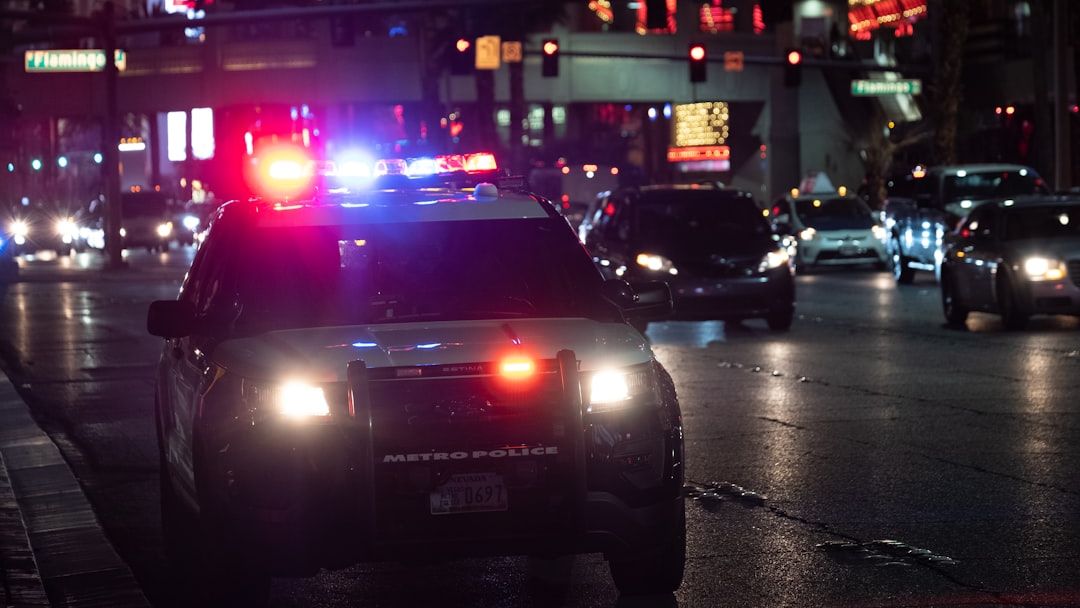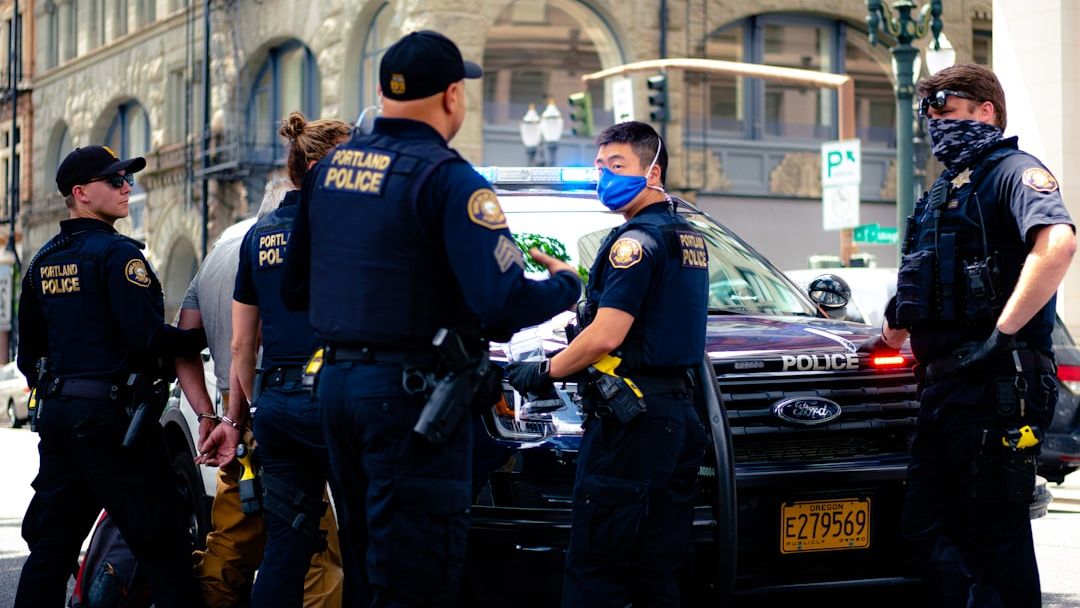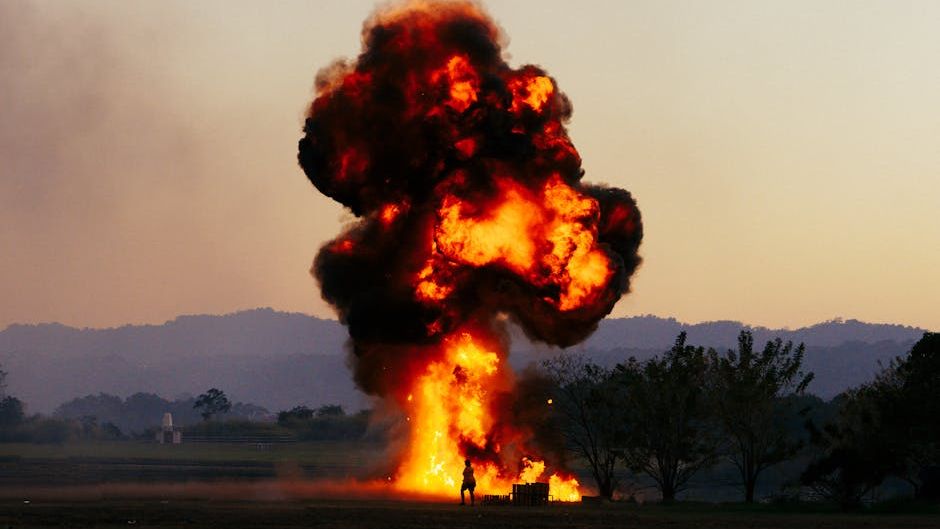
It was the deadliest L.A. sheriff's incident in 150 years. Now, D.A. considers charges in grenade deaths – Image for illustrative purposes only (Image credits: Pexels)
Los Angeles — A grenade explosion that claimed the lives of three veteran Los Angeles County Sheriff’s Department bomb squad detectives has taken a new turn. Nearly a year after the blast at a department training facility, investigators submitted a criminal probe to the district attorney’s office. Prosecutors now weigh potential charges in what stands as the deadliest incident for the agency in more than 150 years.[1][2]
The Explosion That Shook the Department
On July 18, 2025, a military-style hand grenade detonated in the parking lot of the Biscailuz Center Training Academy in East Los Angeles. The blast killed three detectives from the arson and explosives unit: Joshua Kelley-Eklund, Victor Lemus, and William Osborn. These specialists, with a combined 74 years of service, handled the device during what should have been routine operations.[2][1]
Sheriff Robert Luna called the unit the “best of the best,” praising their courage and expertise. Kelley-Eklund, 41, had joined the department in 2006 and served as an investigator since 2022. Lemus started in 2003 and worked as a K-9 handler before shifting to explosives. Osborn, 58, brought decades of experience as a bomb technician since 2019. The trio left behind 16 children and spouses, several also in law enforcement.[2]
Origins of the Deadly Devices
The grenades traced back to a storage unit in an apartment complex on the 800 block of Bay Street in Santa Monica. A resident discovered them on July 17, 2025, left behind by a previous tenant with military ties. Detectives Kelley-Eklund and Osborn responded with Santa Monica police, recovered two devices, and X-rayed them using an older machine.[3][1]
Believing the grenades inert, the team stored them overnight in personal trucks rather than department vehicles. They transported the items to the training academy the next day, despite rules prohibiting live explosives there. During handling or a demonstration, at least one exploded after being cut into. A second grenade vanished amid the chaos, prompting extensive searches including a yacht and storage in Marina del Rey.[3]
Early probes focused on the tenant, a former special operations member turned stunt coordinator. Authorities executed warrants but revealed few public details on the source.[1]
Safety Lapses and Regulatory Scrutiny
California’s Division of Occupational Safety and Health cited the Sheriff’s Department for willful violations. Investigators found failures in training documentation, hazard assessments for transport and storage, and provision of proper protective gear. Explosives also sat unattended before the blast. Fines topped $350,000 across eight citations, though the department appealed.[4]
- Inadequate personal protective equipment for handling grenades.
- No effective training on explosive risks.
- Improper storage and overnight handling in personal vehicles.
- Failure to evaluate transport hazards.
Cal/OSHA spokeswoman Denisse Gomez stressed employer duties: “This tragedy underscores the responsibility employers have to anticipate hazards and take meaningful steps to protect workers.” The widow of Detective Lemus filed a claim alleging subpar equipment and missed FBI training, further highlighting procedural gaps.[4]
Separate inquiries examined the blast cause by the ATF and a missing grenade by department detectives. Another probe targeted leaked graphic crime scene photos, leading to a commander’s removal from duty.[1]
Toward Criminal Accountability
On April 23, 2026, county detectives forwarded their criminal investigation into the grenade handling and deaths to District Attorney Nathan Hochman’s office. Details on targets remain unclear, but the referral stems from the arson unit’s work. This follows Cal/OSHA findings and ongoing ATF analysis.[1]
The development raises questions about negligence in protocols or equipment. Families await clarity, while the department cooperates amid appeals and internal reviews. Resolution could reshape safety standards for bomb squads nationwide.[4]