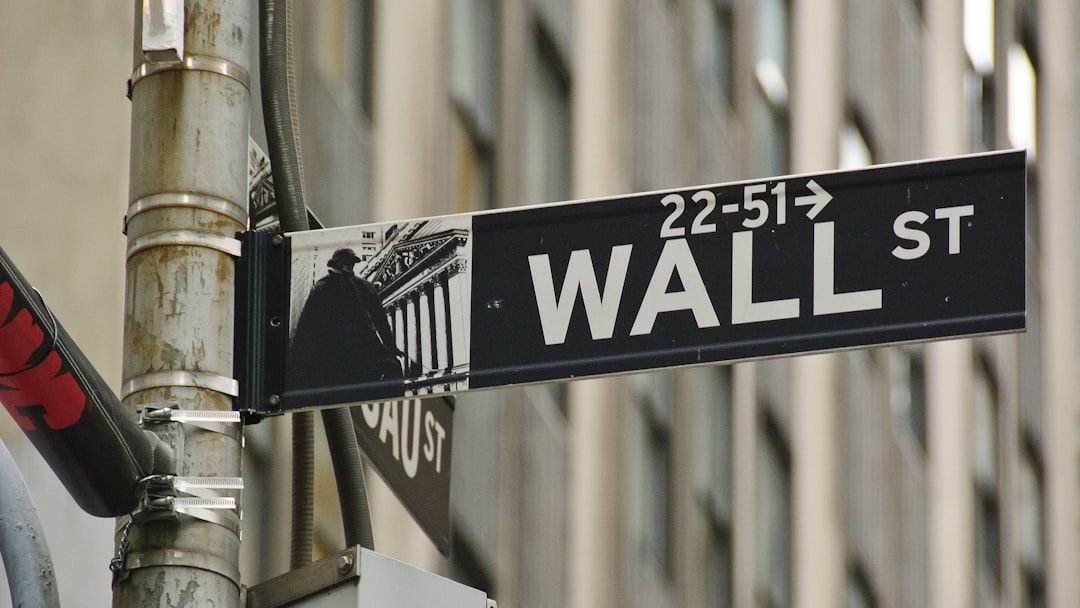
'Wall Street Whiz Kid' pleads to stock scams enabled by projections of Hollywood glitz – Image for illustrative purposes only (Image credits: Unsplash)
Los Angeles — A notorious fraudster’s decades-long pattern of deception reached a pivotal moment Tuesday. David Peter Bloom, the 62-year-old con artist once celebrated by New York tabloids as the “Wall Street Whiz Kid,” entered a no-contest plea to 18 felony counts related to a multimillion-dollar investment scam. The development offers some measure of accountability for victims who lost nearly $250,000 to his false promises of quick riches.[1][2]
A History of High-Stakes Swindles
Bloom’s criminal career began in the 1980s when, as a 23-year-old Duke University graduate, he launched Greater Sutton Investors Group Inc. He collected over $10 million from more than 140 investors, including high-profile names he later claimed as clients such as Bill Cosby and members of the Rockefeller family. Instead of investing the funds, Bloom diverted them to personal luxuries, including million-dollar paintings, a New York City condominium, a Long Island beach house, and an Aston Martin sports car.[3][1]
He pleaded guilty to mail and securities fraud in 1987, receiving an eight-year federal prison sentence, of which he served five years at the Federal Correctional Complex in Allenwood, Pennsylvania. Regulators imposed a lifetime ban from the securities industry. Undeterred, Bloom resurfaced in 2000, targeting restaurant workers in Manhattan. He promised stock market gains and initial public offering shares but pocketed between $50,000 and $200,000. A guilty plea to grand larceny and scheming to defraud led to further incarceration until his parole in 2006.[3]
Targeting Hollywood’s Social Circles
Bloom relocated his operations to Los Angeles, where he ingratiated himself into upscale social scenes from 2021 through at least September 2022. He frequented the historic Villa Carlotta apartment complex in Hollywood and the Frolic Room bar, projecting an image of wealth and insider access. Victims described encounters where Bloom name-dropped billionaires and dangled tantalizing opportunities, such as early shares in upcoming IPOs for companies like Instacart, SoHo House, and Snapchat, or even placements for screenplays at Netflix and Super Bowl tickets.[1]
At least nine victims handed over funds totaling around $250,000, with a dozen contributing about $190,000 in 2021 alone. One notable case involved Caroline D’Amore, founder of the Pizza Girl pasta sauce brand and a Villa Carlotta resident, who lost nearly $35,000. Even after his August 2022 arrest following a confrontation with apartment residents, Bloom approached a man in a Culver City bar. He secured $7,500 for a purported Israeli technology investment by promising a nonexistent “second opinion” from a Cedars-Sinai doctor for the man’s wife, who suffered from a heart condition.[2]
The Charges and Court Proceedings
Prosecutors filed charges in August 2023: nine counts of securities fraud and nine counts of grand theft by deception. Bloom’s case dragged on for nearly three years, with a trial set for April 2026 postponed due to medical issues after a witness testified. On May 5, 2026, in Los Angeles Superior Court, he pleaded no contest, effectively admitting the facts of the charges without a formal guilty plea.[1]
Sentencing remains scheduled for June 2026, where Bloom faces up to 10 years in state prison under the plea agreement. The Los Angeles County District Attorney’s Office, led by Nathan Hochman, emphasized the gravity of the offenses. “David Bloom didn’t just lie, he stole from people who trusted him, while he treated their livelihoods as his own personal bankroll,” Hochman stated. “Today’s no contest plea makes clear that those who exploit others for personal gain will face serious consequences.”[1][2]
What Matters Now
Serial fraudsters like Bloom continue to prey on personal connections in everyday settings such as bars and apartment buildings. Victims often include neighbors and acquaintances who lower their guards in familiar environments. Law enforcement urges caution with unsolicited investment pitches, even from charismatic locals.
Victims Reflect on the Deception
Those defrauded expressed a mix of relief and sorrow over Bloom’s path. Caroline D’Amore captured the sentiment: “I’m this weird, overly empathetic person. I feel relief, I’m happy he’s not able to do this anymore, but I also feel like what a waste. He’s right where he belongs. How sad that this is how you’re going to live your golden years. Instead of around grandkids, it’s around inmates.”[1]
The scams highlighted vulnerabilities in affluent yet trusting communities. As returns failed to materialize, victims uncovered Bloom’s extensive rap sheet, prompting reports to authorities. The case underscores the enduring allure of get-rich-quick schemes, even for a repeat offender barred from legitimate finance.[2]
This plea marks the latest chapter in Bloom’s protracted saga of betrayal, reminding investors that charisma and celebrity proximity do not guarantee legitimacy. With sentencing ahead, the focus shifts to restitution possibilities and preventing similar deceptions in social hubs.