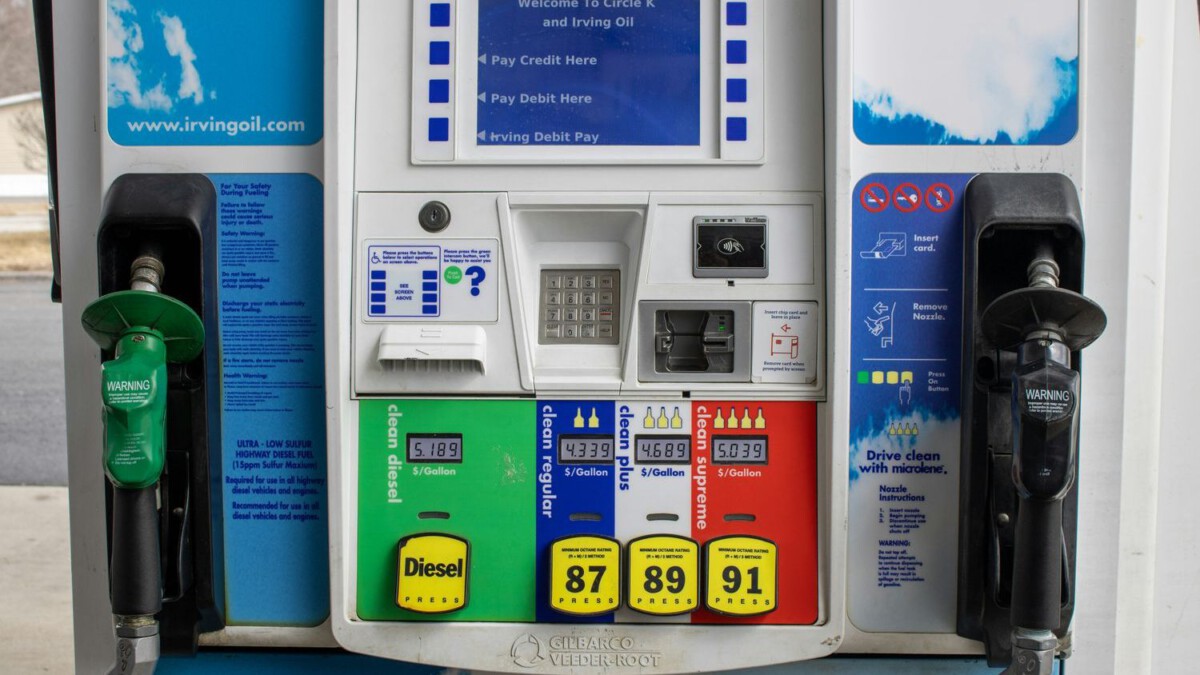
Hottest U.S. gas prices in years leave drivers feeling burned – Image for illustrative purposes only (Image credits: Unsplash)
Drivers across the country are feeling the effects of higher fuel costs at the pump, with the increases arriving at a moment when many households already face pressure from other living expenses. Those operating on limited incomes report the sharpest impact, as even modest rises in gasoline prices quickly add up over the course of a month. The result is a series of practical decisions that affect how people travel to work, shop for groceries, and manage their overall spending.
Daily Routines Under Pressure
Commuters who once filled their tanks without much thought now calculate distances more carefully before starting the car. Some have begun combining multiple errands into single trips to reduce the total miles driven each week. Others weigh whether a short drive is truly necessary or if public transit or walking can serve as a substitute for at least part of the journey.
These adjustments are not limited to long-distance travelers. Even residents in suburban areas who rely on vehicles for short local trips describe the need to plan routes more deliberately. The cumulative effect is a noticeable shift in how ordinary days are structured around fuel availability and cost.
Budget Trade-Offs Taking Shape
Households already balancing rent, food, and utilities find that higher gasoline expenses leave less room for other categories. In some cases, families report postponing vehicle maintenance or delaying the purchase of new tires to keep enough cash on hand for fuel. Others describe cutting back on discretionary items such as dining out or entertainment to offset the added cost at the station.
The choices are rarely dramatic in isolation, yet they accumulate over time. What begins as a small reduction in one area can influence spending patterns across an entire month. For those without significant savings, the margin for error narrows quickly when fuel prices remain elevated.
Who Feels the Impact Most
Workers with fixed schedules and limited flexibility in their commutes often absorb the largest share of the increase. Individuals who cannot easily switch to remote work or public transportation face repeated exposure to the higher prices. Low-income drivers, in particular, have fewer options to absorb the added expense without affecting other necessities.
Regional differences also play a role, with rural residents who travel longer distances to reach jobs or services experiencing the changes more acutely than those in denser urban settings. The pattern underscores how transportation costs intersect with broader economic circumstances for millions of Americans.
Looking at the Road Ahead
Continued monitoring of fuel prices will determine whether these adjustments become temporary measures or longer-term shifts in behavior. Some drivers are already exploring ways to improve vehicle efficiency or considering changes in where they live relative to their workplaces. The situation remains fluid, with households watching weekly price movements to decide how much further they may need to adapt.
Ultimately, the pressure on tight budgets highlights the direct connection between energy costs and everyday financial stability for a large segment of the driving population.