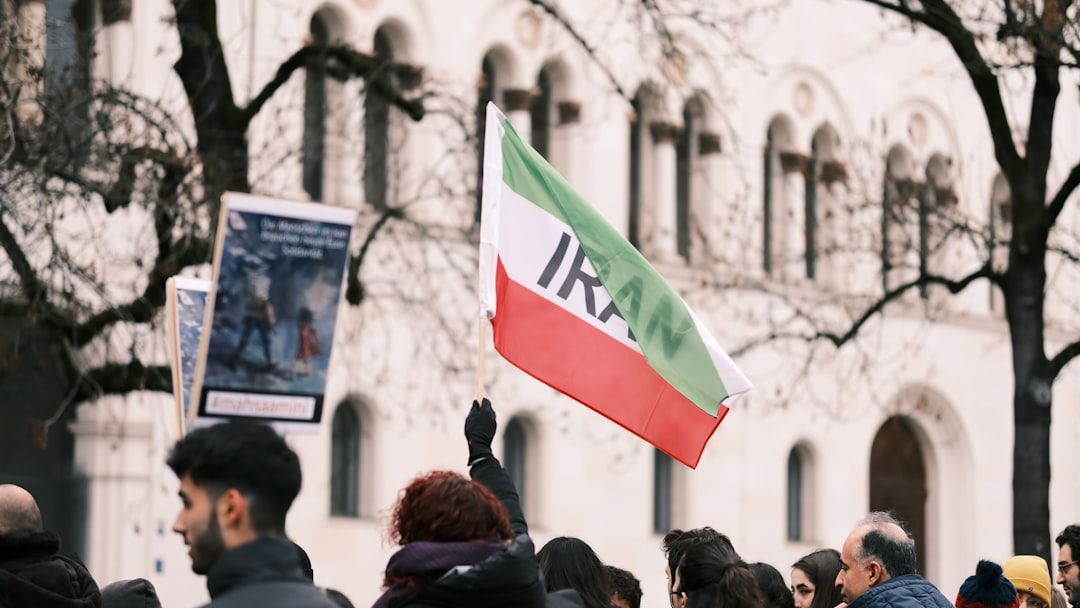
Trump threatens Iran strikes, says it's too soon for new direct talks – Image for illustrative purposes only (Image credits: Unsplash)
The prospect of renewed military confrontation in the Middle East has grown more immediate after President Trump outlined conditions under which the United States would intensify pressure on Iran. His remarks underscore the fragile balance between diplomatic openings and the risk of wider conflict that could affect energy markets, regional alliances, and civilian populations across several countries. Even modest progress in back-channel communications has not yet convinced the administration that face-to-face negotiations are warranted at this stage.
Conditions for Avoiding Escalation
Trump stated that Iran must accept a comprehensive peace arrangement before any further direct engagement can occur. He described the alternative as strikes at a “higher level” than previous actions, framing the choice as one that rests with Tehran. The warning arrives against a backdrop of ongoing regional instability where even limited exchanges have already disrupted shipping lanes and raised insurance costs for commercial vessels.
Officials close to the discussions have noted that the administration views any new round of talks as premature until Iran demonstrates clearer commitment to de-escalation. This position reflects a deliberate sequencing: first an agreement in principle, then formal negotiations. Without that sequence, the United States appears prepared to respond with greater force if provocations continue.
Signs of Diplomatic Movement
Despite the firm tone, reports of incremental diplomatic progress have surfaced in recent days. These developments include indirect messages exchanged through intermediaries and limited confidence-building measures that have reduced immediate flashpoints. Such steps, while modest, have kept open a narrow window for eventual dialogue.
Analysts tracking the exchanges emphasize that progress remains tentative and could reverse quickly if either side perceives weakness. The administration has chosen not to accelerate direct contact until the reported advances translate into concrete concessions. This cautious approach aims to prevent negotiations from becoming a platform for further demands rather than genuine resolution.
What Comes Next for the Region
Regional governments and international partners are now watching for concrete signals that Iran will move toward the required peace framework. A short list of developments likely to shape the coming weeks includes:
- Further indirect communications clarifying Iran’s willingness to discuss core issues such as nuclear limits and regional proxy activities.
- Any new incidents involving shipping or proxy forces that could test the administration’s stated threshold for stronger strikes.
- Reactions from European and Gulf allies whose economic and security interests would be directly affected by renewed confrontation.
These factors will determine whether the current pause in direct talks leads to a negotiated outcome or to a sharper military response. The human cost of either path remains a central concern for communities already living under the shadow of past tensions.
Ultimately, the coming period will test whether the reported diplomatic openings can mature into a durable arrangement or whether the threat of intensified action will dominate the next phase of U.S.-Iran relations.