
Coffee
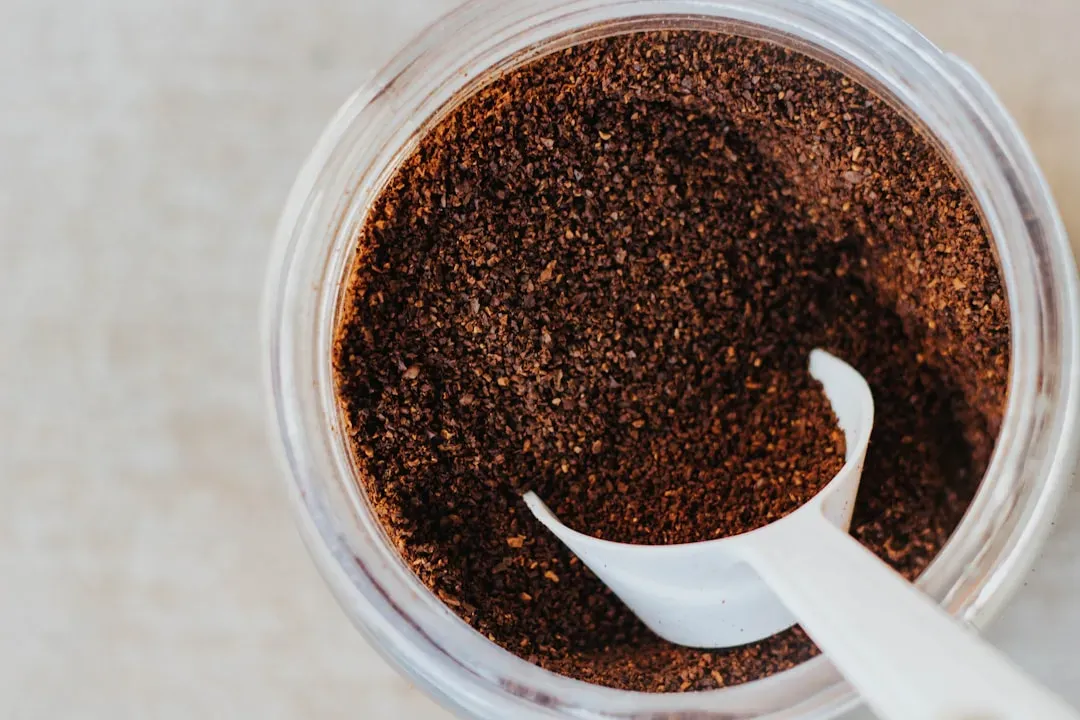
Ground roast coffee has seen one of the sharpest jumps among common pantry items. Between February 2024 and February 2026 its average price per pound rose from $6.09 to $9.46, a 55 percent increase according to Consumer Price Index data analyzed by USA Today. Supply disruptions in major growing regions combined with steady demand have kept the trend upward even as other foods stabilized.
Shoppers who once grabbed a large bag without thinking now compare brands more closely or stretch a smaller container further. The change shows up clearly in household budgets where coffee sits alongside other rising costs like fuel and utilities. Recent forecasts from the U.S. Department of Agriculture suggest the pressure on beverage prices will continue through the rest of 2026.
Ground Beef
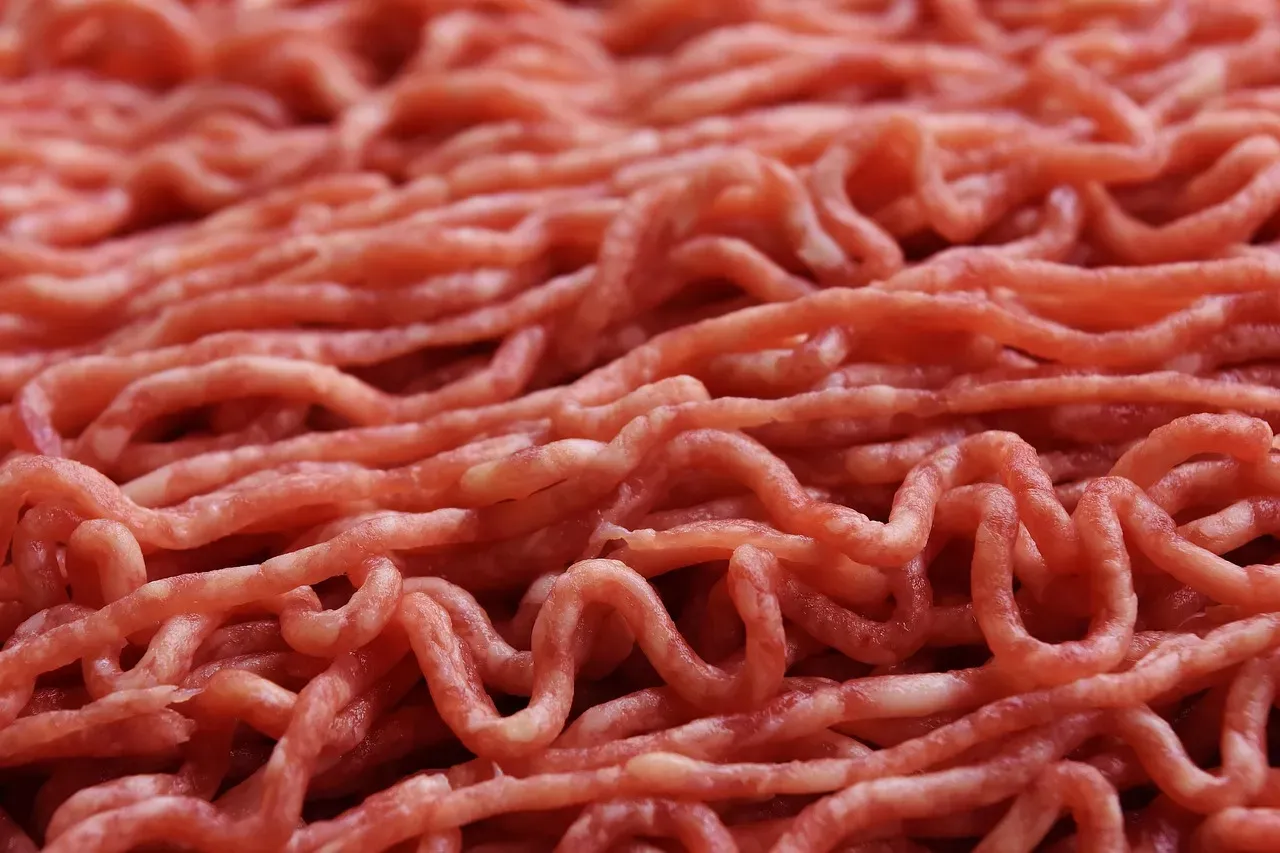
Ground beef prices climbed 31 percent over the same two-year stretch, moving from $5.13 to $6.74 per pound. A smaller national cattle herd, ongoing drought conditions in ranching areas, and strong consumer preference for beef have all played a role. Families who built weekly meals around burgers or tacos now look for sales or smaller packages to stay within their limits.
The shift has prompted many cooks to mix in more plant-based proteins or stretch portions with vegetables and grains. Data from the Bureau of Labor Statistics shows the increase has outpaced the overall food-at-home inflation rate. As a result, what used to be an affordable weeknight staple now carries a higher ticket price that affects meal planning across the country.
Steak
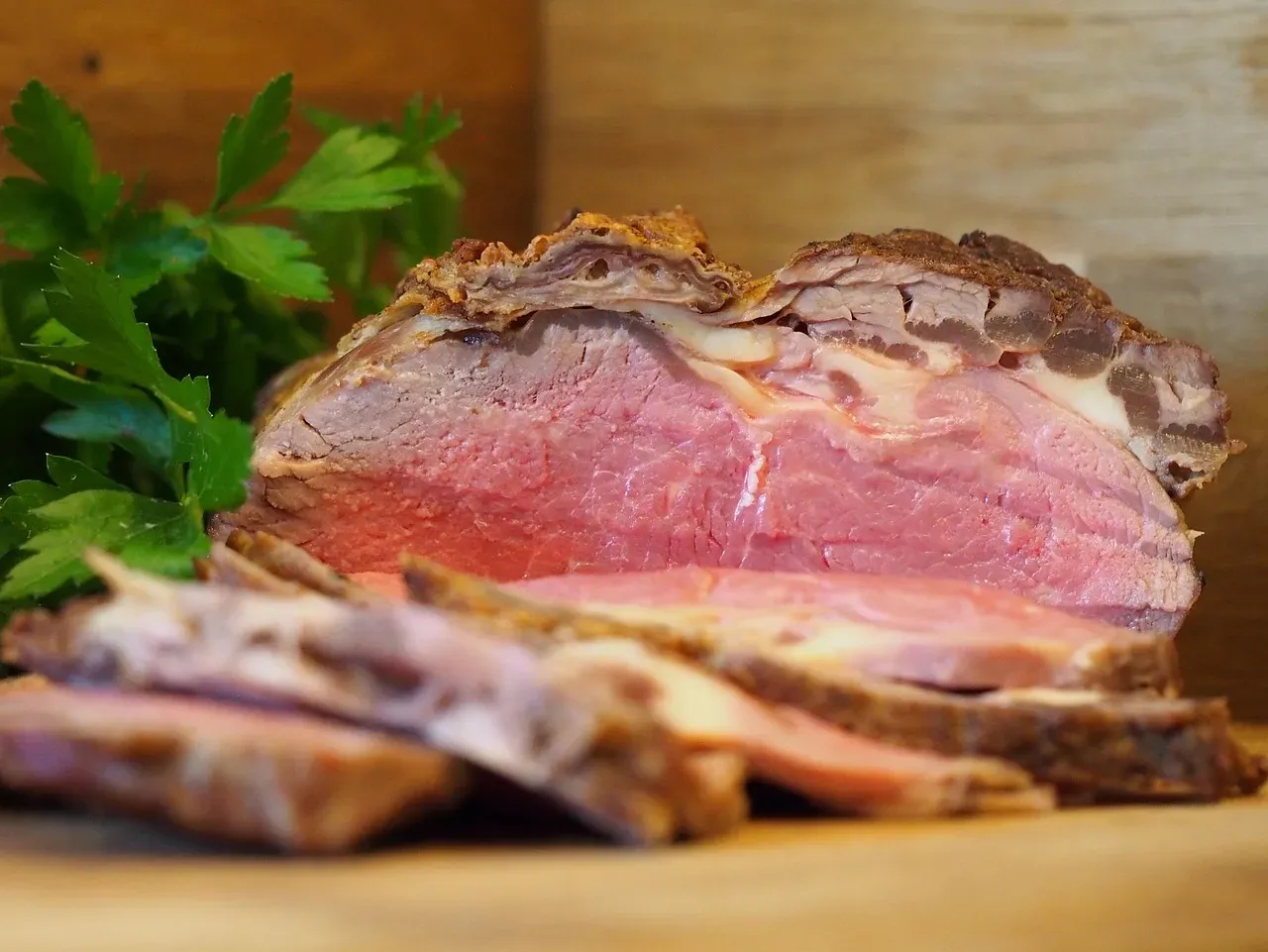
USDA choice boneless sirloin steak rose 21 percent from February 2024 to February 2026, reaching $14.19 per pound. Limited supply from the same cattle herd challenges that affect ground beef have pushed premium cuts even higher. Restaurants and home cooks alike have noticed the difference when restocking freezers or planning special dinners.
Many households now reserve steak for occasional treats rather than regular rotation. The price movement aligns with broader protein cost increases tracked by the Economic Research Service. Even with modest overall food inflation projected for 2026, steak remains one of the more noticeable line items on receipts.
Orange Juice

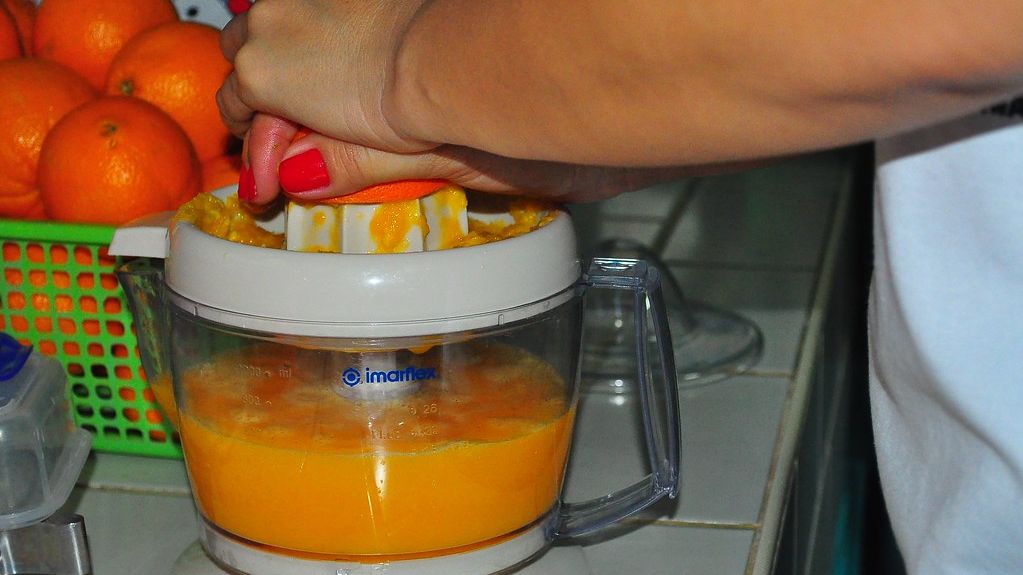
A 16-ounce can of frozen concentrate orange juice increased 15 percent over the two-year period, from $4.21 to $4.86. Weather events in key citrus-growing states and higher processing expenses have contributed to the steady climb. Shoppers who once bought multiple containers for the week now purchase one at a time or switch to other juice options.
The change has been steady enough that some families have adjusted their breakfast routines entirely. Government data shows the rise fits into a larger pattern of beverage price growth that began earlier in the decade. As a result, orange juice has moved from a daily default to something that requires more thought at the store.
Lettuce
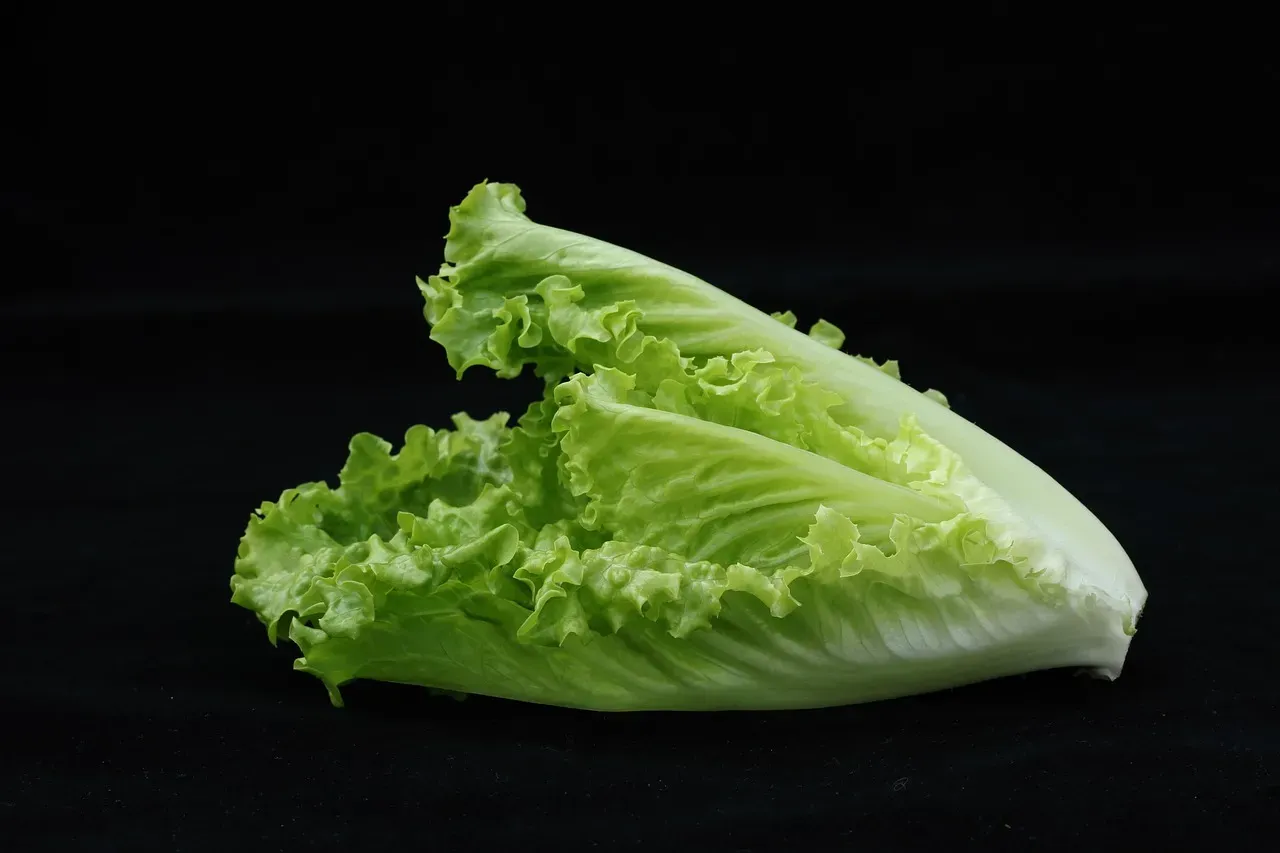
Romaine lettuce prices jumped 39 percent between February 2024 and February 2026, climbing from $2.57 to $3.56 per pound. Supply chain hiccups and variable growing conditions in major production areas have kept the cost elevated. Salads that once formed the base of quick lunches now compete with other vegetables for space in the cart.
Consumers report buying smaller heads or choosing heartier greens that hold up longer in the refrigerator. The increase stands out in produce sections where many other items have held steadier. Continued monitoring by agricultural economists suggests lettuce will remain sensitive to any further disruptions through the coming seasons.
Recent price data makes clear that several everyday foods now demand more attention than they once did. Households continue to adapt by watching sales, adjusting recipes, and prioritizing what matters most on the table. The pattern reminds everyone that even basic groceries can shift quickly when supply and demand move together.