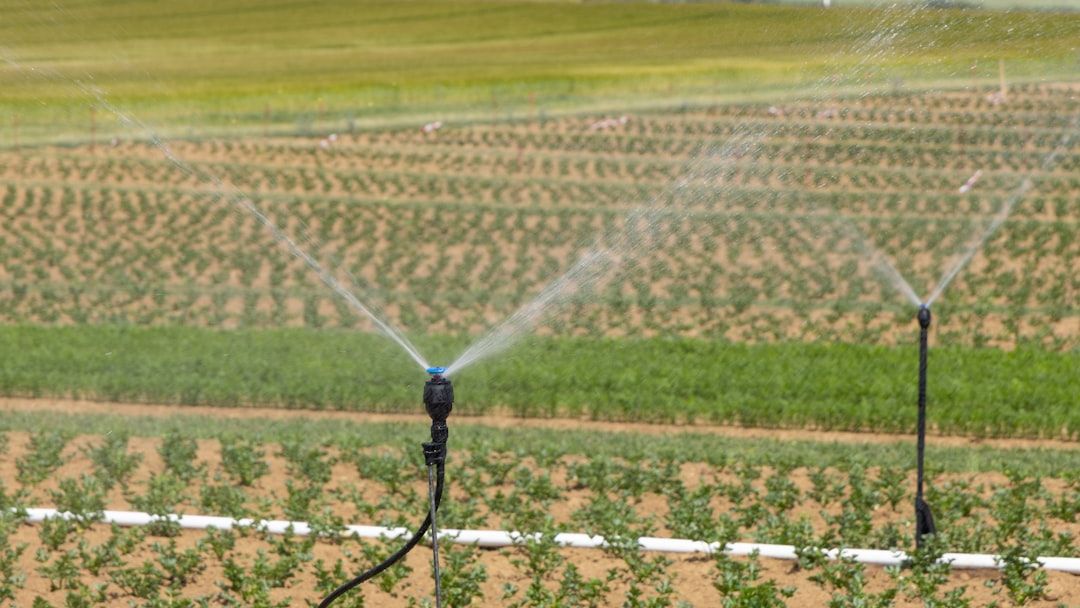

Agriculture’s Heavy Reliance on Freshwater Resources
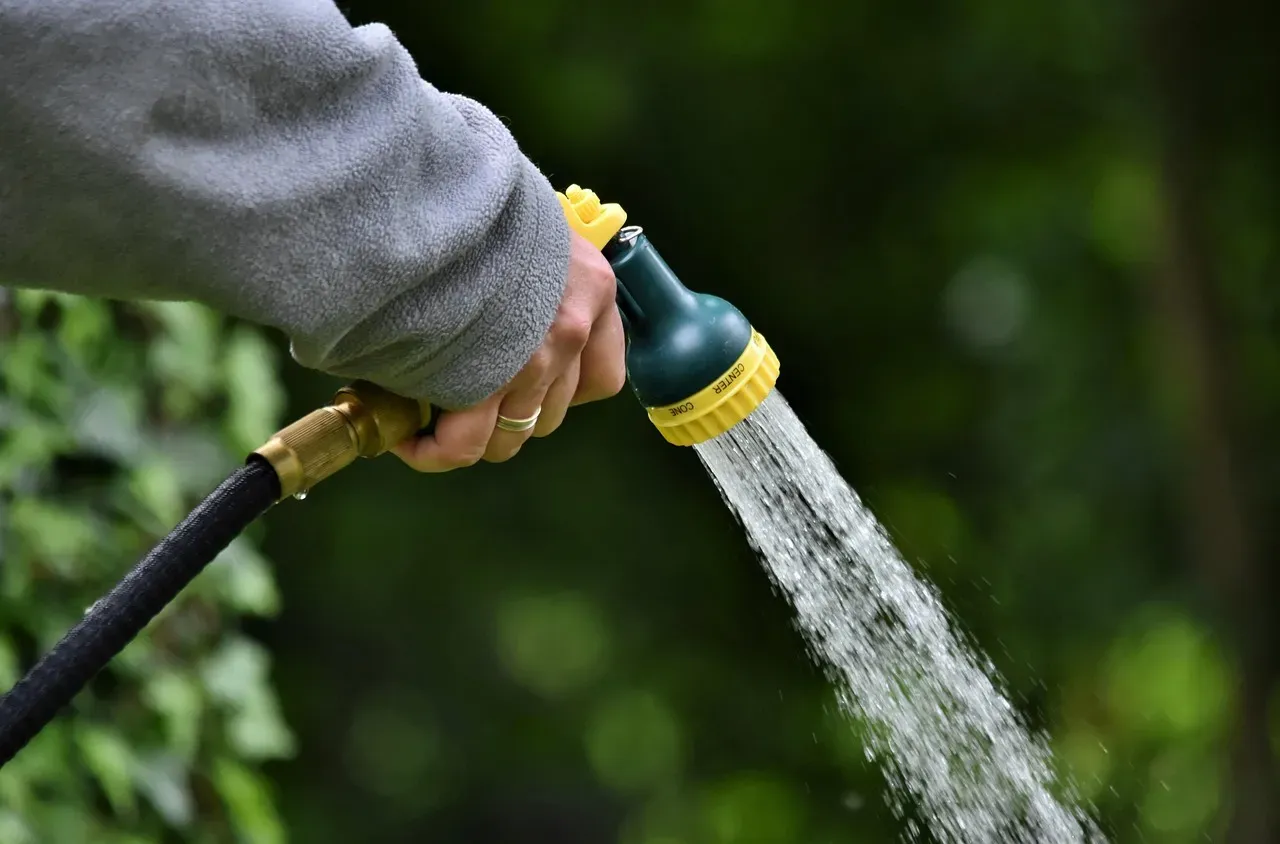
Agriculture accounts for roughly 70 percent of global freshwater withdrawals, which means that any piece of land with reliable water access holds a built-in advantage for long-term productivity. Farmers who secure these rights can maintain irrigation even when surrounding areas face restrictions, allowing crops to thrive year after year without constant worry about shortages. This steady supply turns ordinary fields into dependable income generators because water is the one input that cannot be easily replaced once it runs low. Over time, the difference shows up in harvest consistency and overall farm viability, especially as populations grow and food demand rises. Landowners who understand this dynamic often prioritize water rights during purchases because they know it protects their investment against future volatility. In practice, properties with protected access support everything from row crops to livestock operations without the added costs of trucking in water or drilling deeper wells. The result is a clear edge in both daily operations and resale value when buyers recognize the security that comes with those rights.
Many regions now treat water as a finite resource that must be managed carefully, and agriculture sits at the center of that conversation. Secure rights let operators plan multi-year rotations and expansions without the fear that a dry spell will wipe out their efforts. This reliability also attracts tenants or partners who value stability over short-term gains. In areas where water is already allocated, the land itself becomes more than soil and structures because the water component adds a separate layer of worth. Owners who hold these rights can sometimes lease portions of their allocation during surplus years, creating an extra revenue stream that dry-land neighbors cannot match. The practical outcome is that farms with water rights tend to weather economic shifts better because their core production tool remains intact. Over decades, this advantage compounds as water becomes harder to obtain in many growing regions.
The Scale of Global Water Stress Today
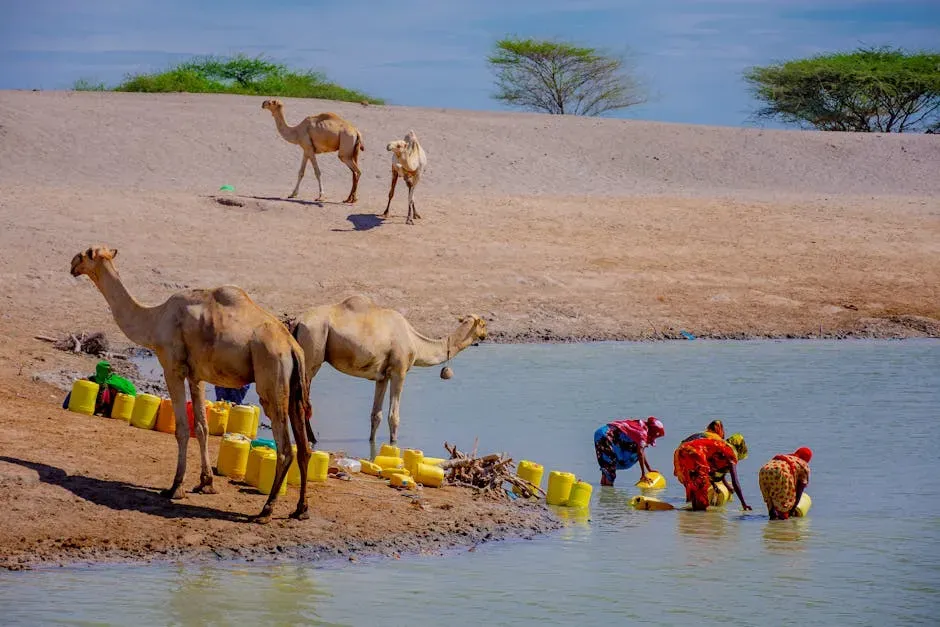
More than 2 billion people currently live in countries experiencing high water stress, which puts pressure on governments and landowners alike to secure reliable sources before shortages become routine. This widespread strain affects everything from household use to large-scale farming, making properties with independent water access stand out as practical solutions. Investors notice that land tied to rivers, springs, or legal rights can operate with less external dependence, which reduces risk during periods of rationing. The numbers highlight why off-grid setups with wells or natural flows gain attention, since they bypass some of the shared infrastructure that often fails under demand. People planning long-term holdings see these features as insurance against the daily reality of stressed supplies in many parts of the world. In turn, the market responds by placing higher value on parcels that already solve the water problem rather than requiring new infrastructure later. This pattern repeats across continents where population growth continues to outpace available resources.
Communities in stressed zones often face tough choices about allocation, yet land with established rights avoids much of that uncertainty. Owners can focus on development or conservation instead of fighting for shares during peak seasons. The scale of the issue also drives interest from buyers who want self-sufficiency, whether for personal use or commercial projects. Properties that include protected water sources tend to maintain steady occupancy or productivity even when nearby areas see declines. This resilience shows up in consistent yields and lower operational headaches over time. As awareness spreads, more individuals factor water security into their purchase decisions from the start. The outcome is a gradual shift toward valuing these assets as essential rather than optional features.
Rising Farmland Values Tied to Water Rights
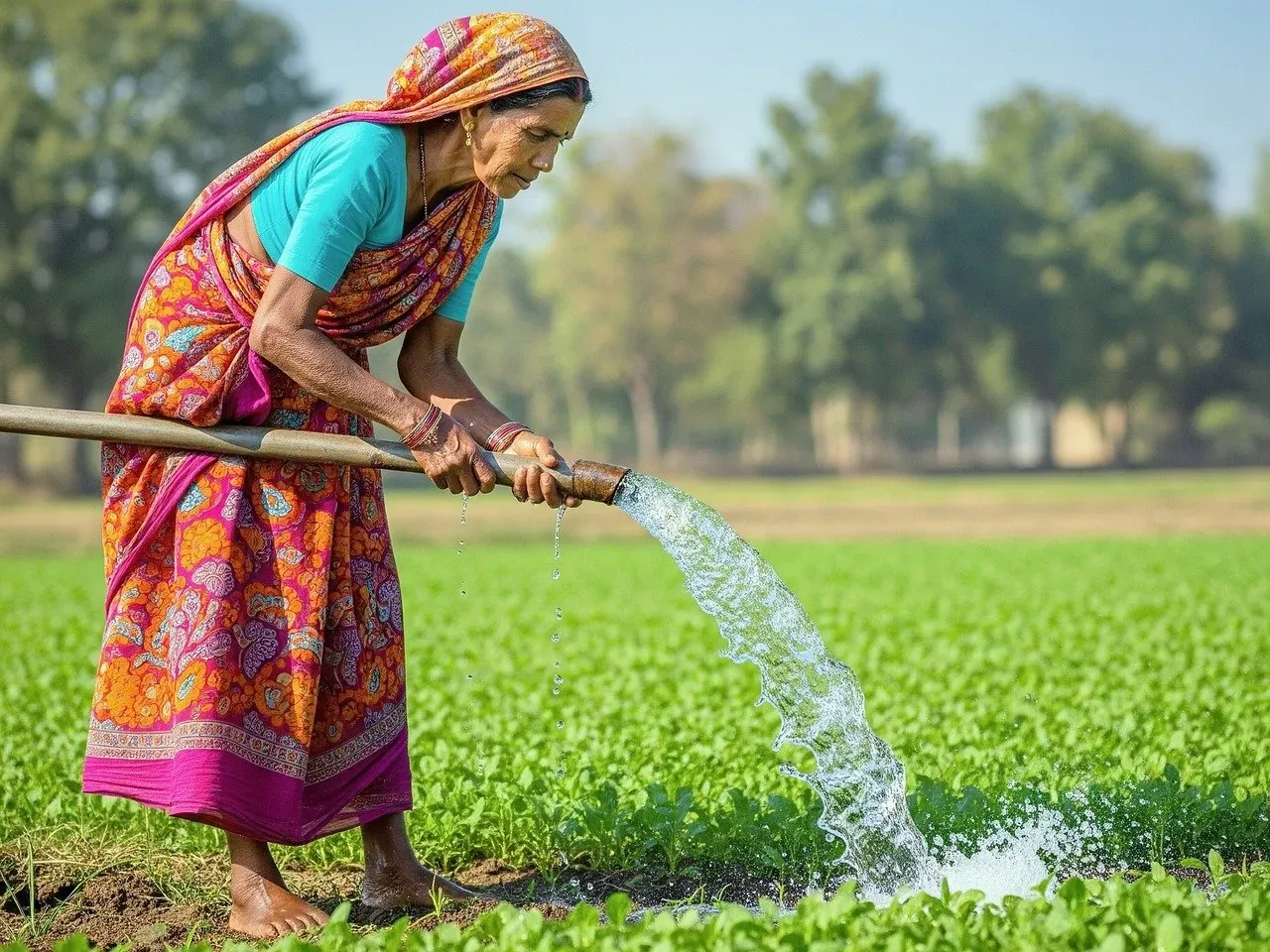
The western United States has seen farmland values rise significantly in areas where land includes legally protected water rights, reflecting how buyers now weigh water access as heavily as soil quality. Properties with these rights command premiums because they support reliable irrigation without the legal battles that can arise over shared sources. This price gap encourages sellers to highlight water documentation during listings, knowing it speeds up transactions and improves offers. Over recent years, the trend has strengthened as more purchasers recognize that dry land carries hidden future costs. Investors compare similar parcels side by side and consistently choose the one with secure rights, even at a higher upfront price. The result appears in appraisal reports and sales records that show water-secure land holding value better during market dips. This pattern makes such holdings attractive for both active farmers and passive investors seeking stable assets.
Local markets adjust quickly when water rights transfer with the land, often pushing values upward in competitive bidding. Buyers factor in the long-term savings from avoided drilling or hauling expenses, which justifies the initial outlay. In practice, these parcels sell faster because they require less due diligence around water availability. The appreciation also benefits owners who hold the land for generations, since the rights remain attached and continue to support productivity. Real estate agents note that mentioning protected water draws serious inquiries from out-of-area buyers who understand scarcity trends. This dynamic creates a self-reinforcing cycle where demand stays high for well-documented properties. Ultimately, the value premium reflects the practical reality that water rights turn ordinary farmland into a more resilient investment.
Accelerating Groundwater Depletion Worldwide
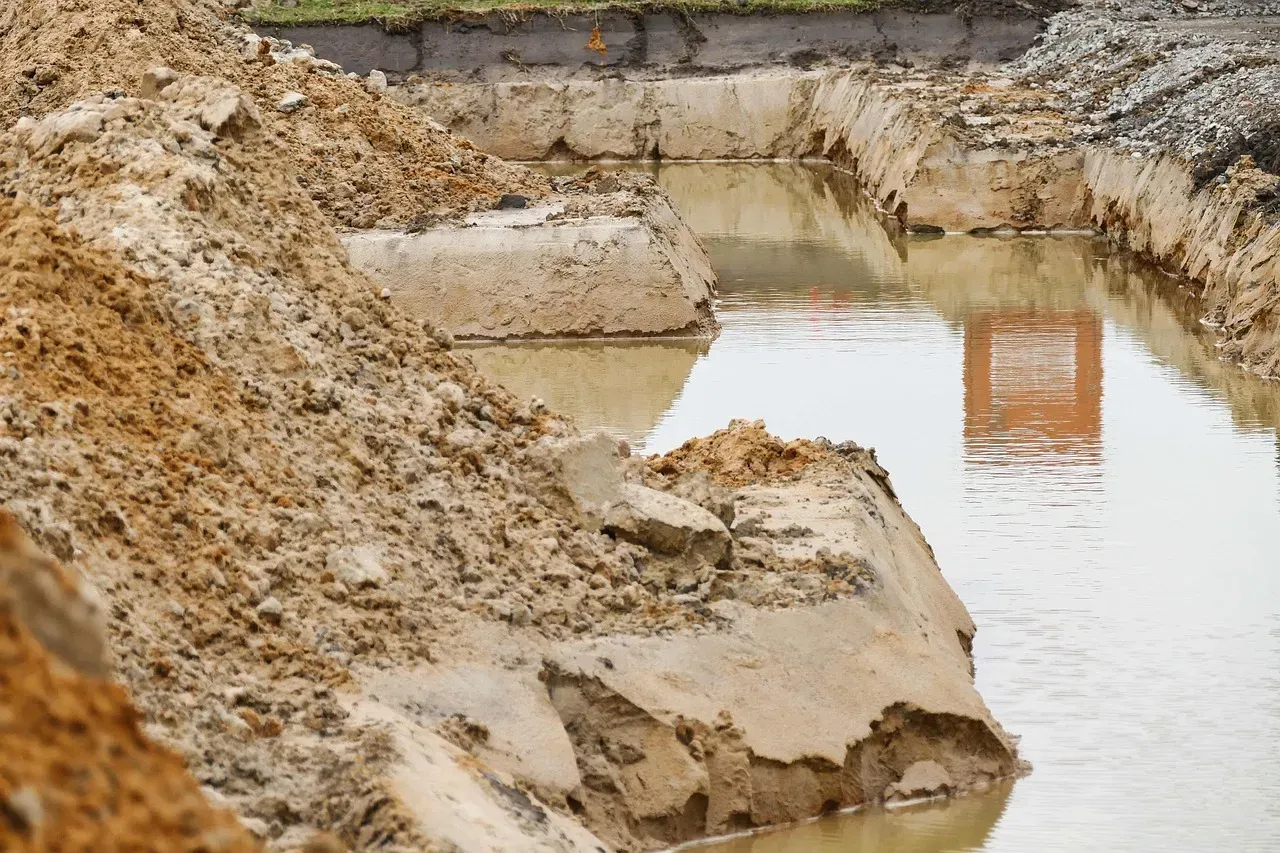
Groundwater depletion is accelerating globally, with some major aquifers losing water faster than they can naturally recharge, which raises the stakes for anyone considering rural land purchases. Properties that already tap into protected surface water or senior rights avoid the race to drill deeper as levels drop. This reality pushes buyers toward parcels with documented access rather than those relying on shared or declining wells. The pace of depletion varies by region, yet the overall trend makes secure rights a hedge against future restrictions. Landowners who monitor their sources can plan usage more confidently, knowing their allocation stays intact even as neighbors face cutbacks. In many cases, the difference shows up in sustained crop output and property maintenance without constant upgrades. The trend also influences insurance and financing decisions, where water security factors into risk assessments.
Regions experiencing rapid drawdown often see increased interest in alternative sources like springs or river rights that do not depend on underground reserves. This shift encourages diversification of water strategies on new acquisitions. Buyers who research aquifer data before closing gain an edge in negotiations because they understand the long-term implications. Properties with mixed sources, such as a well backed by surface rights, offer extra layers of protection that pure groundwater sites lack. The acceleration of depletion also prompts some owners to invest in conservation measures that preserve their allocation for future use. Over time, these choices compound into stronger asset performance compared with land that lacks similar safeguards. The pattern underscores why water rights now rank among the top considerations in rural real estate decisions.
Water Rights Emerging as Independent Tradable Assets

Several U.S. states now treat water rights as separate tradable assets that can sometimes be sold independently from the land itself, which adds flexibility for owners who want to monetize excess allocation. This separation allows farmers to keep their core acreage while transferring surplus rights to others facing shortages. The market for these rights has grown because demand remains steady in arid zones where new development requires proven supply. Buyers of land often negotiate to include or exclude the rights depending on their plans, creating tailored deals that suit different needs. In practice, this tradability turns water into a distinct financial instrument that can appreciate on its own. Owners who hold senior rights benefit from the option to lease or sell portions during high-demand periods without disrupting operations. The system rewards careful management and documentation, since clear titles command better prices in transfers.
Transactions involving standalone water rights require legal review to confirm priority and volume, yet the process has become more streamlined in active markets. This liquidity appeals to investors who view water as a commodity with predictable long-term demand. Land without attached rights may sell at a discount if buyers must acquire separate allocations later. The trend also supports conservation efforts, as some holders choose to retire rights rather than transfer them, which can stabilize local supplies. In states with active trading, prices for rights reflect seasonal needs and regional scarcity, providing transparent benchmarks for valuation. This structure encourages efficient use because unused rights can generate income instead of sitting idle. The overall effect strengthens the case for acquiring land that already carries these valuable, movable assets.
Climate Change Intensifying Drought Challenges
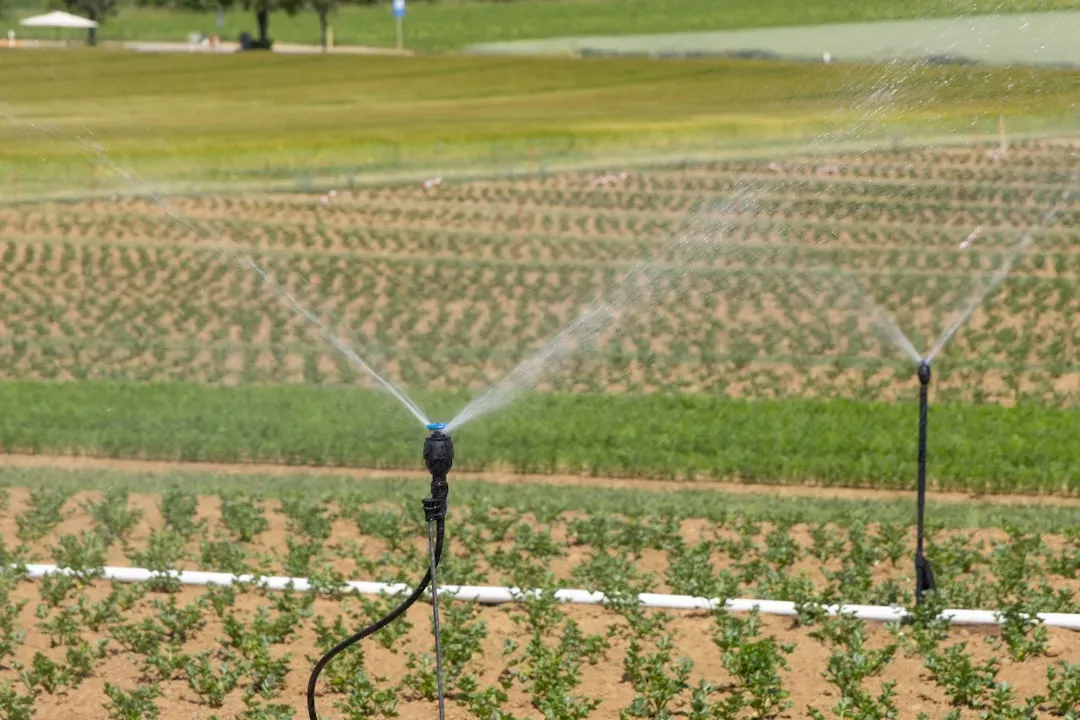
Climate change has increased the frequency and severity of droughts in regions including California, Arizona, Spain, and parts of Australia, which makes water rights on land a practical buffer against unpredictable weather patterns. Properties with secure access maintain irrigation schedules even when rainfall falls short for consecutive seasons. This consistency protects yields and reduces the need for emergency measures that drain resources. Buyers in these areas now review historical drought data alongside water documentation to gauge resilience. The pattern shows that land with rights experiences fewer production interruptions, which translates into steadier returns over time. In contrast, dry parcels often require costly adaptations that erode profitability during extended dry spells. The result is a growing preference for holdings that already address the climate-driven risks.
Extended dry periods also highlight the value of diversified sources such as wells combined with river rights, which provide options when one supply tightens. Owners who plan ahead can rotate usage to stretch allocations further during stress. This approach keeps operations viable without relying on external aid or restrictions. Markets in drought-prone zones reflect the reality through faster sales and stronger prices for water-secure land. The ongoing changes in weather patterns reinforce the long-term appeal of these assets because they reduce exposure to events outside an owner’s control. Over multiple years, the advantage appears in lower insurance claims and more predictable cash flow. The trend continues to shape investment strategies toward properties that incorporate water security from the outset.
Investor Interest in Water-Secure Properties
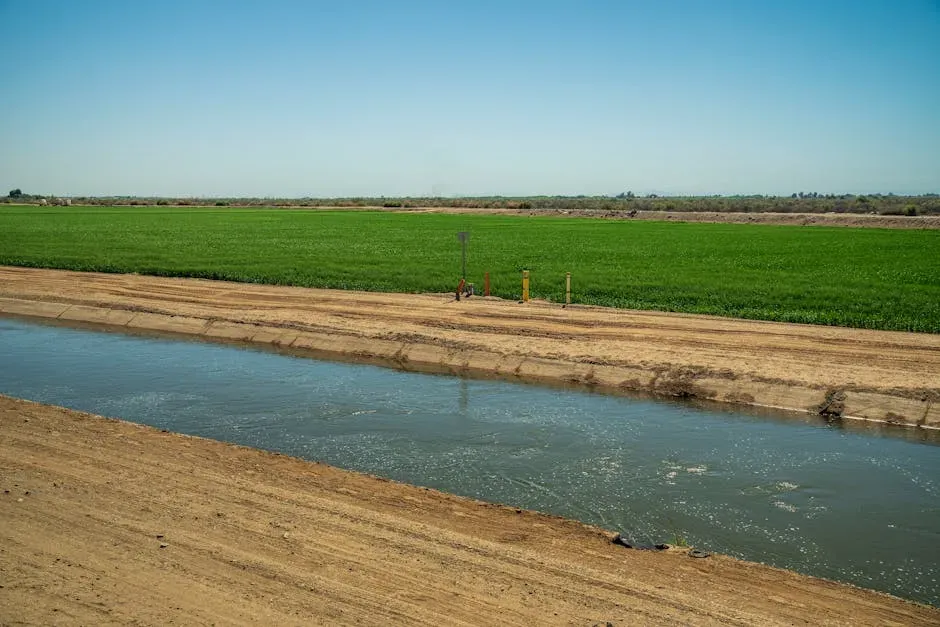
Investors and private equity groups have increasingly purchased rural land with natural water access due to fears of future water scarcity, viewing these holdings as defensive positions in a changing resource landscape. The purchases often target parcels with wells, springs, or senior rights that support multiple uses from farming to residential development. This activity drives up competition in desirable areas and elevates baseline prices for similar properties. Groups with long horizons recognize that water access provides a hedge against both regulatory shifts and supply disruptions. In practice, these buyers conduct thorough reviews of allocation history before committing funds, which weeds out weaker options. The influx of capital also brings improvements such as upgraded infrastructure that benefits the broader community. The pattern creates a feedback loop where demand for secure land continues to grow.
Portfolio managers include water-secure rural assets to balance more volatile holdings in their overall strategy. These properties offer tangible utility that financial instruments alone cannot replicate. Sales data shows that parcels with documented rights attract multiple offers, shortening marketing times. The interest extends beyond traditional agriculture into recreational or conservation uses that still require reliable water. Over time, the accumulated holdings by larger entities influence local markets by setting new standards for what constitutes a premium asset. This shift rewards sellers who have maintained clear water records and maintained their rights properly. The result is a more sophisticated market where water security ranks as a core valuation factor.
The Future Outlook for Water Demand and Supply

Experts warn that global water demand could exceed sustainable supply by up to 40 percent by 2030 if current consumption patterns continue, which places added emphasis on land that already carries secure rights. This projected gap encourages forward-thinking buyers to lock in access now rather than compete later under tighter conditions. Properties with established sources position owners to meet their own needs without contributing to broader shortages. The outlook also supports investments in efficiency measures that stretch existing allocations further. In regions already near capacity, the premium for water-secure land is expected to widen as the timeline approaches. This anticipation shows up in longer holding periods and strategic acquisitions aimed at future-proofing. The data underscores why off-grid features tied to water now factor into many purchase decisions.
Planning for the coming decade involves assessing both current rights and potential for expansion or conservation. Land that supports self-sufficient systems gains appeal for those seeking independence from municipal supplies. The projected shortfall also prompts discussions around policy changes that could affect transfers and usage. Owners who stay informed about these developments can adjust strategies to maintain or grow the value of their holdings. In the end, the combination of rising demand and limited new supply reinforces the position of water rights as a lasting component of rural real estate value. This perspective guides many decisions toward properties that offer built-in resilience against the trends ahead. The focus remains on practical security that supports both present use and future options.