
Suburban streets often look peaceful from the outside, with neatly kept lawns and quiet driveways. Yet beneath that calm surface, many residents describe a subtle sense of disconnection that has grown over the past decade. This quiet loneliness shows up in small ways, like passing a neighbor without a word or realizing months have gone by without a casual chat over the fence.
Recent surveys point to measurable drops in everyday neighbor contact, especially in areas built around cars and private homes. The shift did not happen overnight. It stems from a mix of design choices, daily routines, and changing social habits that make spontaneous conversations less likely.
The Drop in Everyday Neighbor Conversations
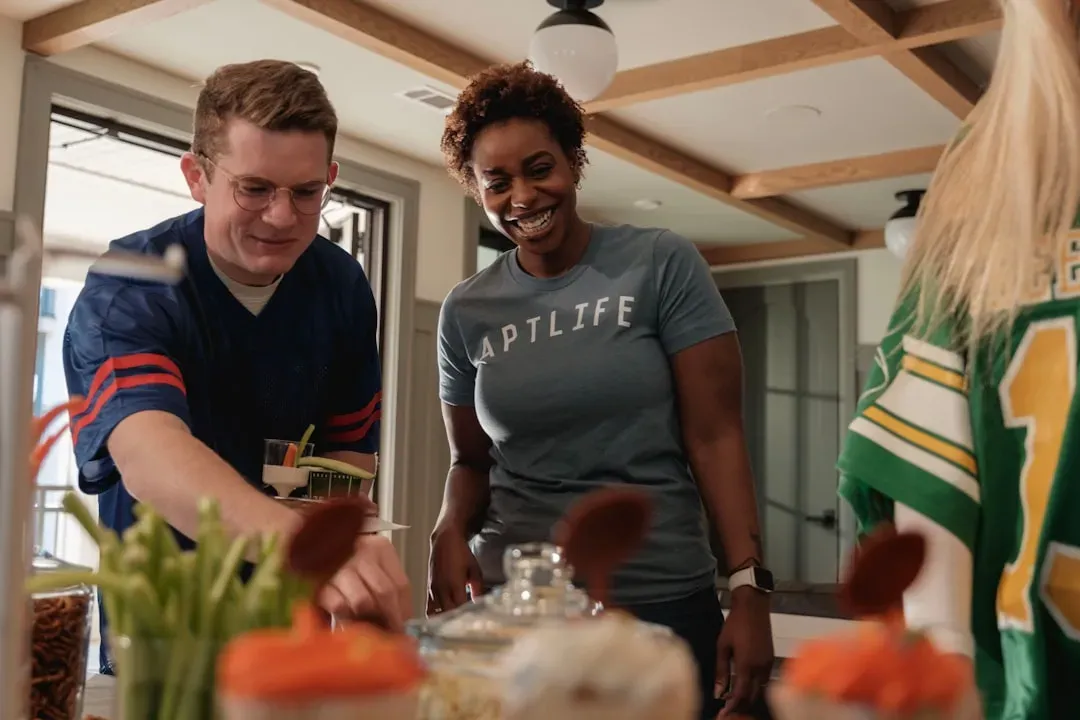
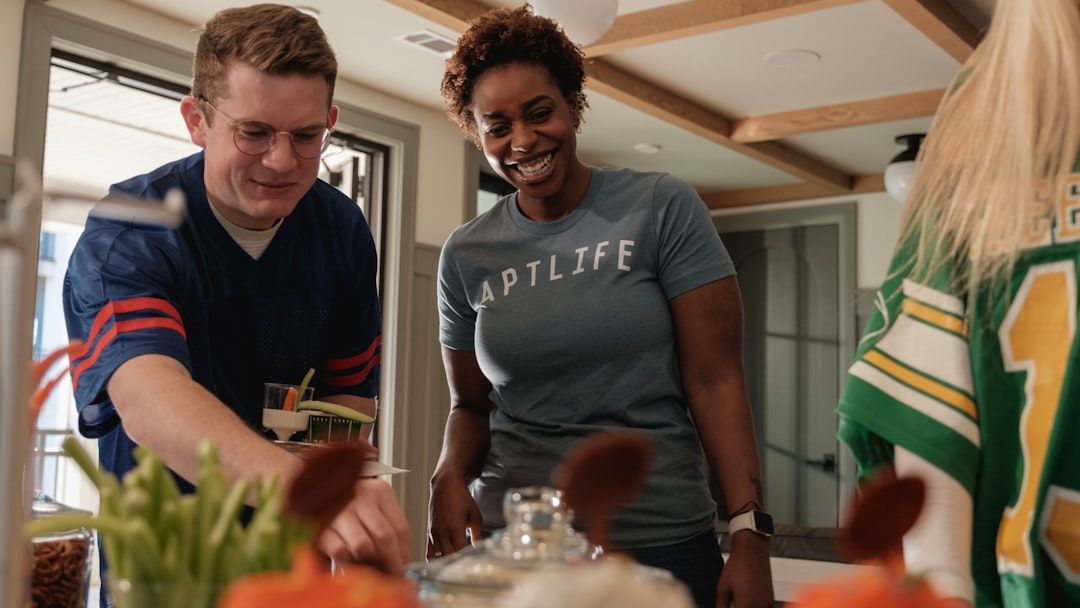
A recent American Enterprise Institute analysis found that the share of young adults who talk with neighbors at least a few times a week fell from 51 percent in 2012 to just 25 percent today. Overall, 41 percent of Americans now speak with neighbors no more than a few times a month, while 17 percent report no conversations at all. These numbers reflect a steady retreat from the casual exchanges that once defined suburban life.
Older data from the Institute for Family Studies shows the longer trend, with the portion of people spending a social evening with a neighbor at least several times per month declining from 44 percent in 1974 to 28 percent in 2022. The pattern holds across many suburban communities where residents once knew one another by name and routine.
Car Dependent Layouts Limit Chance Encounters
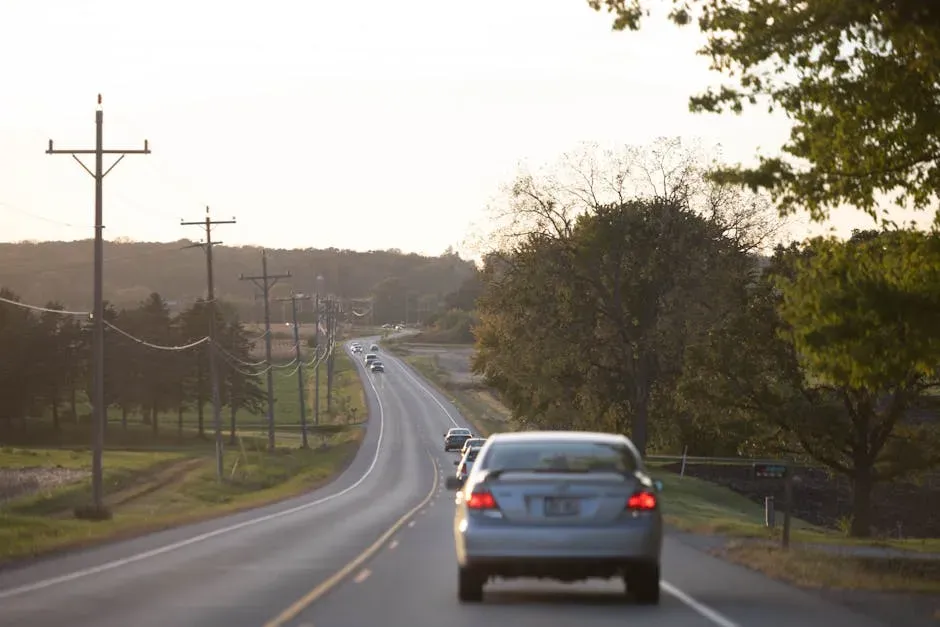
Most modern suburbs were planned around driving, with wide streets, large lots, and few sidewalks that invite walking. This setup means residents often move from garage to car to destination without crossing paths with others on foot. The result is fewer unplanned moments that once led to quick hellos or longer talks.
Studies of neighborhood design note that areas with higher walkability tend to support more frequent neighbor contact. In contrast, the typical suburban grid keeps people separated by distance and speed, turning potential interactions into rare events rather than daily habits.
Longer Work Hours and Packed Schedules
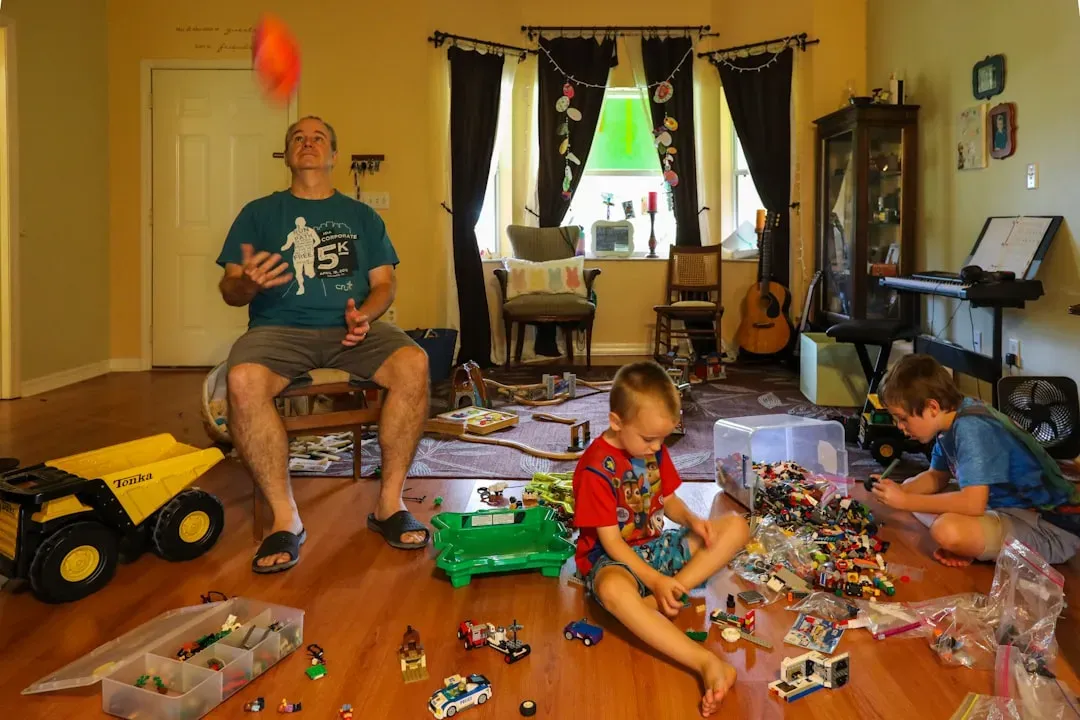
Many suburban households juggle demanding jobs, long commutes, and family obligations that leave little room for lingering outside. When evenings and weekends fill with errands or screen time, stepping out to chat with a neighbor feels like an extra task rather than a natural pause. This busyness has become a common explanation for why greetings stay brief or disappear altogether.
Surveys from Missouri Extension programs tracking neighboring trends between 2022 and 2024 show that while casual waves have held steady in some places, deeper invitations to visit or work on projects together have declined sharply. The pace of life leaves less margin for the unhurried exchanges that build familiarity.
Digital Devices Replace Face to Face Moments

Smartphones and streaming services now fill the small pockets of time that once belonged to porch sitting or yard work. People scroll while waiting for the mail or listen to podcasts during walks, reducing the odds of noticing a neighbor across the street. This shift has made digital connection feel more immediate than the slower rhythm of local talk.
Recent community reports indicate that only about 25 percent of residents believe social media helps them form real ties with those living nearby. Instead, online platforms often pull attention inward, leaving the physical neighborhood quieter than before.
Stronger Focus on Personal Privacy
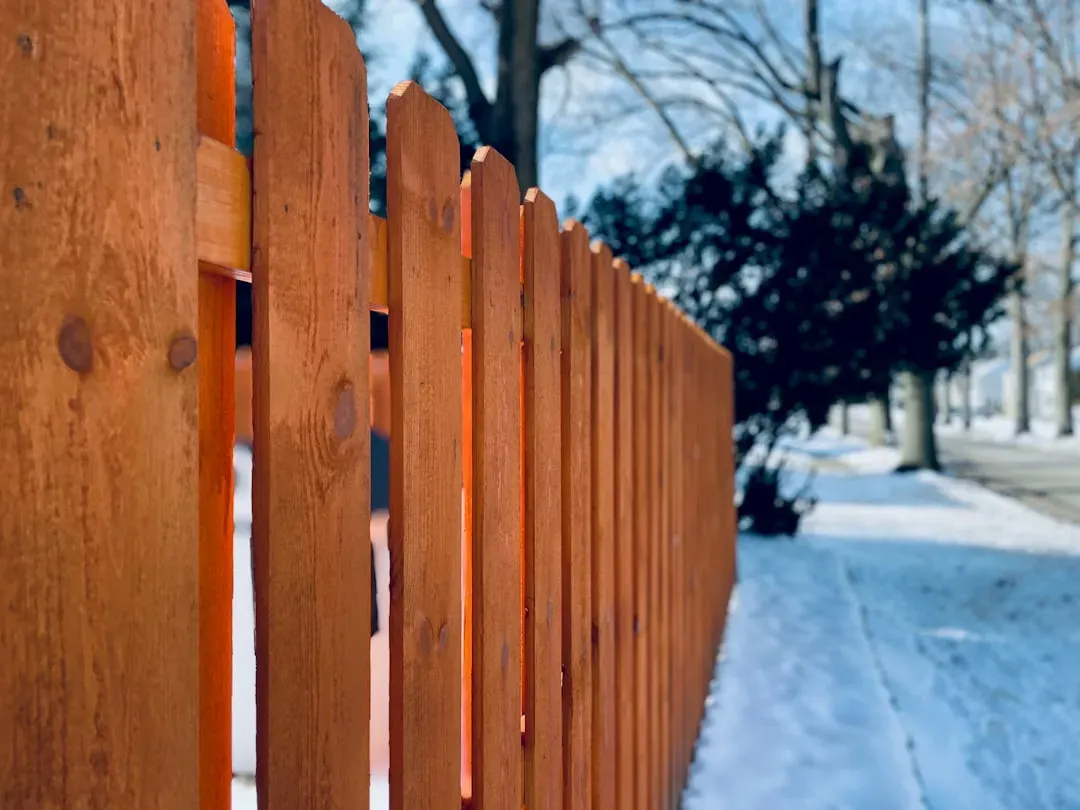
Suburban homes increasingly feature tall fences, private backyards, and front entries designed to shield residents from view. These choices reflect a preference for personal space that has grown stronger in recent years. While privacy offers comfort, it also reduces the visual cues that once prompted a wave or short conversation.
Local studies in states like Missouri note a rising emphasis on keeping to oneself, with fewer people viewing neighbor visits as a normal part of life. The result is a landscape where homes stand close together yet feel worlds apart in daily practice.
Higher Residential Turnover and Shorter Stays

Many suburban families move more often than previous generations, whether for jobs or lifestyle changes. When residents stay only a few years, the effort to learn names and routines feels less worthwhile. Newcomers arrive and depart before deeper connections can form.
Census trends show solo living rising to nearly 30 percent of households in 2024, a pattern visible in many suburban areas. This increase in one person homes adds another layer, as single residents may have fewer built in reasons to reach out compared with families who once organized block events.
Fewer Organized Community Activities
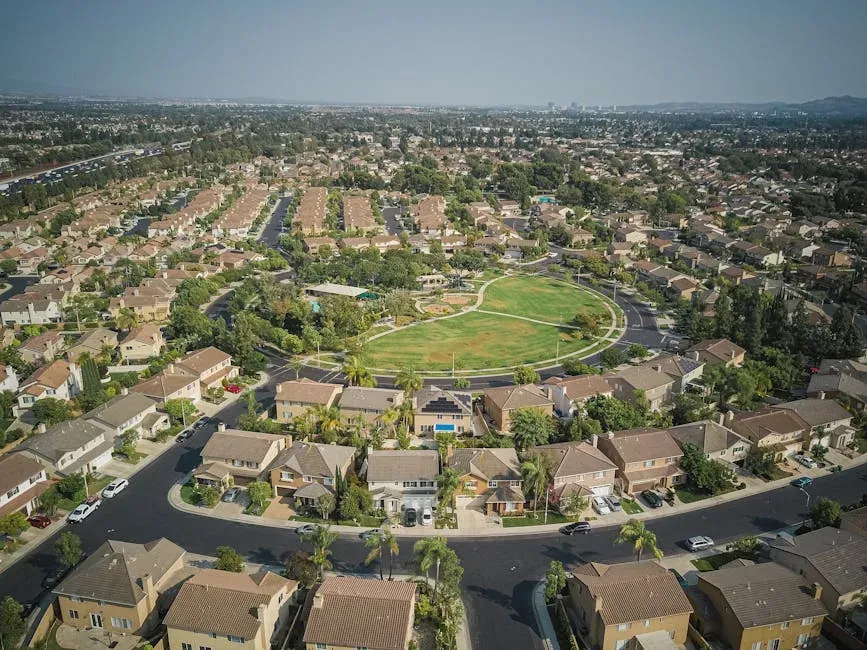
Block parties, neighborhood watches, and shared yard sales have become less common in many suburbs. Without regular events that bring people together, the default remains polite distance rather than active engagement. Organizers often cite low turnout as a reason to scale back future plans.
Data from extension services tracking Missouri communities between 2022 and 2024 confirm that while basic trust in neighbors remains, the number of joint projects and invitations has fallen. The absence of these touchpoints leaves fewer entry points for conversation.
Health Effects of Reduced Local Ties
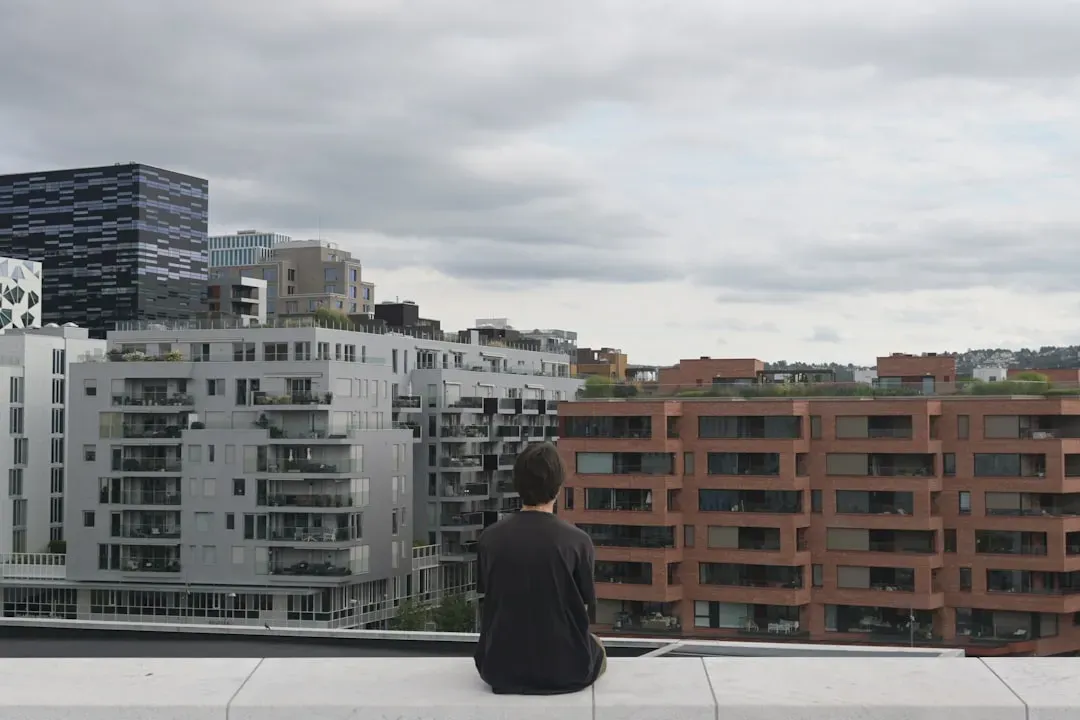
The Centers for Disease Control and Prevention’s 2024 Household Pulse Survey found that 12.7 percent of adults experience frequent loneliness, with higher rates in certain regions. Perceived social isolation affects roughly one in five people. Suburban patterns of limited neighbor contact contribute to this broader picture of disconnection.
Gallup’s quarterly tracking shows daily loneliness at 20 percent in late 2024, its highest level in two years. While many factors play a role, the loss of easy local relationships removes one steady source of small but meaningful interactions that once buffered against isolation.
Generational Differences in Social Habits
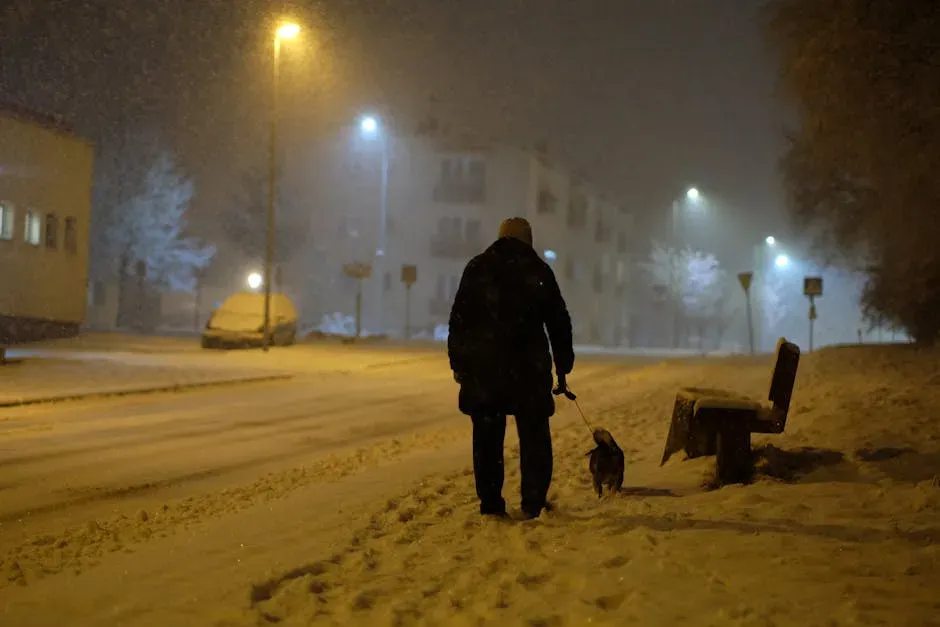
Younger adults show the steepest drop in neighbor contact, according to the American Enterprise Institute findings. Those aged 18 to 34 report far less frequent talk than older groups, who maintain steadier patterns. This gap suggests that newer residents may not have grown up with the same expectations around local socializing.
AARP’s 2025 study of adults 45 and older found loneliness rising to 40 percent, up from 35 percent in earlier years. The contrast highlights how different age groups experience the same suburban setting in distinct ways, with younger residents often more embedded in digital rather than physical networks.
Small Steps That Can Rebuild Local Connections

Communities that add shared spaces such as pocket parks or front yard seating see modest increases in casual encounters. Simple habits like greeting someone while walking the dog or offering help with a heavy package can restart the cycle of recognition. These actions require little time yet accumulate into a different neighborhood feel.
Research on built environments links features like sidewalks and common areas to lower loneliness prevalence across census tracts. When residents and planners prioritize these elements, the quiet that once signaled isolation can shift toward a quieter form of everyday presence. The change begins with noticing the person next door again.