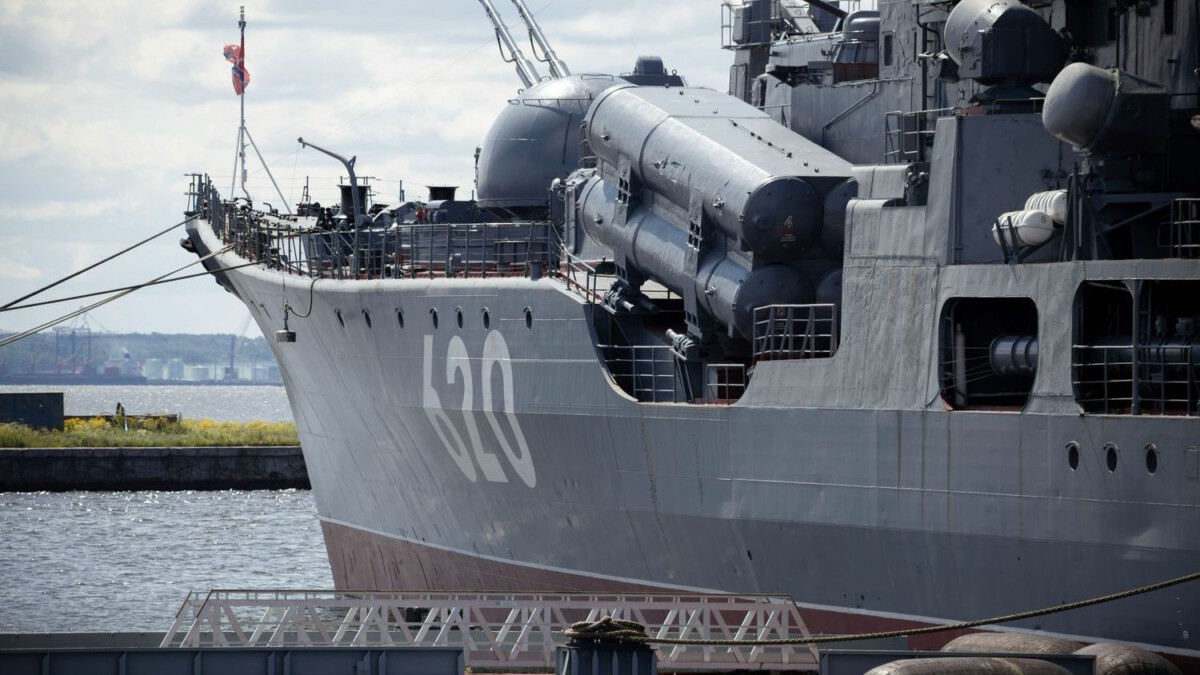
U.S. launches “self-defense strikes” on Iran, says warships came under fire – Image for illustrative purposes only (Image credits: Unsplash)
The United States carried out self-defense strikes on Iran after its warships came under fire in the region. The military response coincides with renewed diplomatic signals from President Trump, who has again expressed optimism that Iran will agree to a deal capable of ending the ongoing conflict. Iranian officials, for their part, have declared that Tehran will now serve as the regulator of all shipping through the Strait of Hormuz, one of the world’s most vital oil transit routes.
Background on the Military Action
Reports indicate that U.S. naval vessels faced direct threats, prompting the strikes as a measured response to protect American forces and maintain freedom of navigation. The incidents occurred amid heightened tensions in the Persian Gulf, where multiple nations maintain a presence to safeguard commercial traffic. Officials have framed the operation as limited and defensive rather than an escalation toward broader hostilities.
Details released so far emphasize that the strikes targeted specific sites linked to the reported attacks on the warships. No immediate casualties among U.S. personnel have been confirmed, and the Pentagon has stated that the action was calibrated to deter further aggression without expanding the scope of the conflict.
Diplomatic Signals From Both Sides
President Trump reiterated his view that a negotiated agreement remains possible, noting that Iran could still choose to “make a deal” to bring the war to a close. This comment reflects ongoing efforts to balance military pressure with diplomatic openings, a pattern seen in previous rounds of talks involving the region.
Tehran’s announcement that it intends to regulate Strait of Hormuz traffic adds another layer of complexity. The strait handles roughly one-fifth of global oil shipments, and any change in oversight could affect transit times and insurance costs for tankers. Iranian statements have not detailed specific new rules, but the declaration itself has drawn attention from shipping companies and energy markets.
Potential Effects on U.S. Consumers
Disruptions or uncertainty around the Strait of Hormuz often translate quickly into higher energy costs at home. Even brief interruptions in oil flows can push crude prices upward, which in turn influences gasoline and diesel prices at the pump across the United States.
Analysts note that sustained tension could add several cents per gallon to average fuel costs within weeks, depending on how long the situation remains unsettled. Households that rely on driving for work or daily errands would feel the impact first, while broader supply-chain effects could eventually appear in the prices of imported goods.
Key points to watch:
- Daily updates on tanker traffic through the strait
- Crude oil price movements on global exchanges
- Any further statements from the White House or Tehran on negotiations
Energy analysts continue to monitor both the military situation and diplomatic channels for signs of de-escalation. The combination of strikes and the Hormuz declaration has already prompted some shipping firms to review alternative routes, though most remain in place for now.