
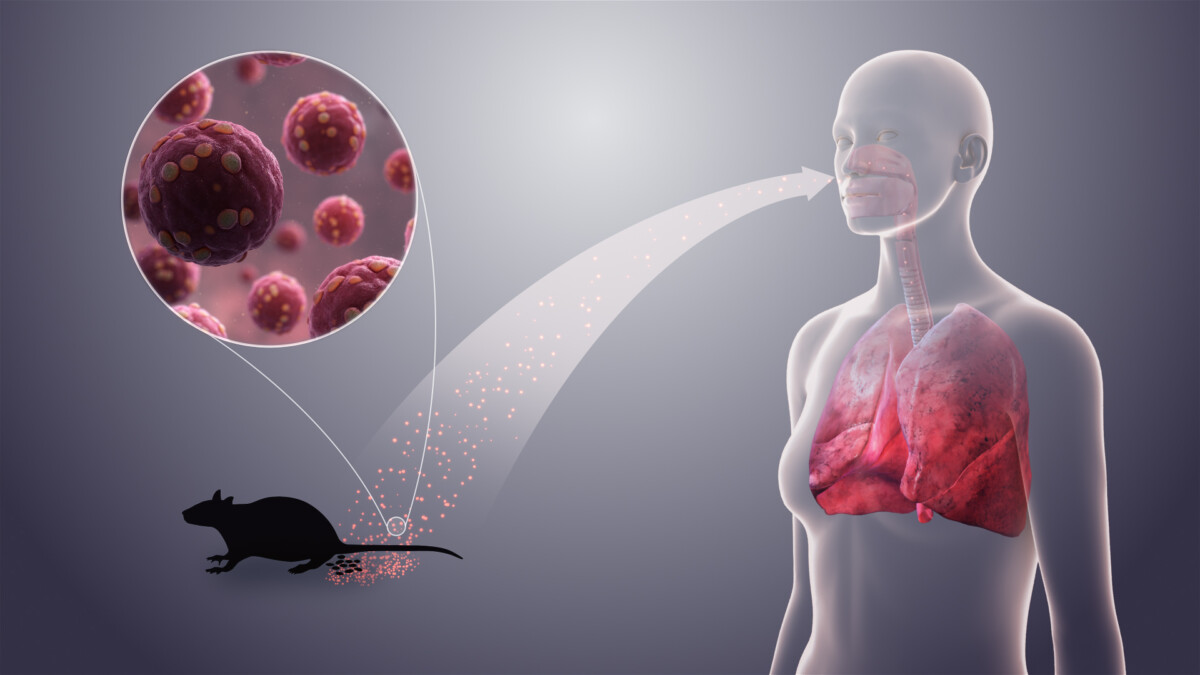
1 American returning from hantavirus-stricken cruise showing symptoms, another US passenger postive: HHS – Image for illustrative purposes only (Image credits: upload.wikimedia.org)
Federal authorities are managing the repatriation of 17 American citizens who were aboard the MV Hondius during a hantavirus outbreak that has already claimed three lives. One passenger has tested mildly positive for the Andes variant of the virus, while a second is displaying mild symptoms. Both individuals are traveling in biocontainment units on the flight as a precautionary step, according to the Department of Health and Human Services. The remaining passengers will undergo initial medical assessments upon arrival at a specialized quarantine facility in Nebraska. This coordinated effort involves multiple federal agencies working to ensure the safety of those returning while keeping broader public risk low.
Background on the Outbreak
The MV Hondius, a vessel operated by Oceanwide Expeditions, has been at the center of the outbreak since early April. Health authorities have confirmed at least nine cases among passengers and crew, with three deaths reported so far. The ship, which began its journey in Argentina, docked in the Canary Islands over the weekend, allowing for the evacuation of the American group. Investigators continue to examine how the virus spread in the confined environment of the vessel. Hantavirus, particularly the Andes strain involved here, is typically transmitted through contact with rodent droppings or urine, though person-to-person transmission has been documented in rare instances with this variant.
Repatriation and Monitoring Procedures
All 17 Americans are now en route to the United States aboard a government-supported flight. Upon landing near Omaha, most will proceed to the National Quarantine Unit at the University of Nebraska Medical Center for evaluation. The two passengers requiring extra precautions will receive care at a regional special pathogens treatment center. Officials emphasize that these measures are standard protocol for potential high-consequence pathogens. Passengers will be monitored for symptoms over the coming days, with testing repeated as needed to track any developments.
Current Risk Assessment
The Centers for Disease Control and Prevention has stated that the risk to the general American public remains extremely low. No widespread community transmission has been detected, and the focus stays on the small group of returning travelers. Health experts note that hantavirus infections often begin with flu-like symptoms that can progress in severe cases. Early detection and supportive care are key to managing outcomes, though no specific antiviral treatment exists for the disease.
What Matters Now
Continued vigilance during the monitoring period will help clarify the status of exposed individuals. Federal agencies remain in close contact with passengers and their families throughout the process.
The situation underscores the challenges of managing infectious disease risks on international travel, even as officials work to bring affected Americans home safely. Further updates from health authorities are expected as evaluations proceed.