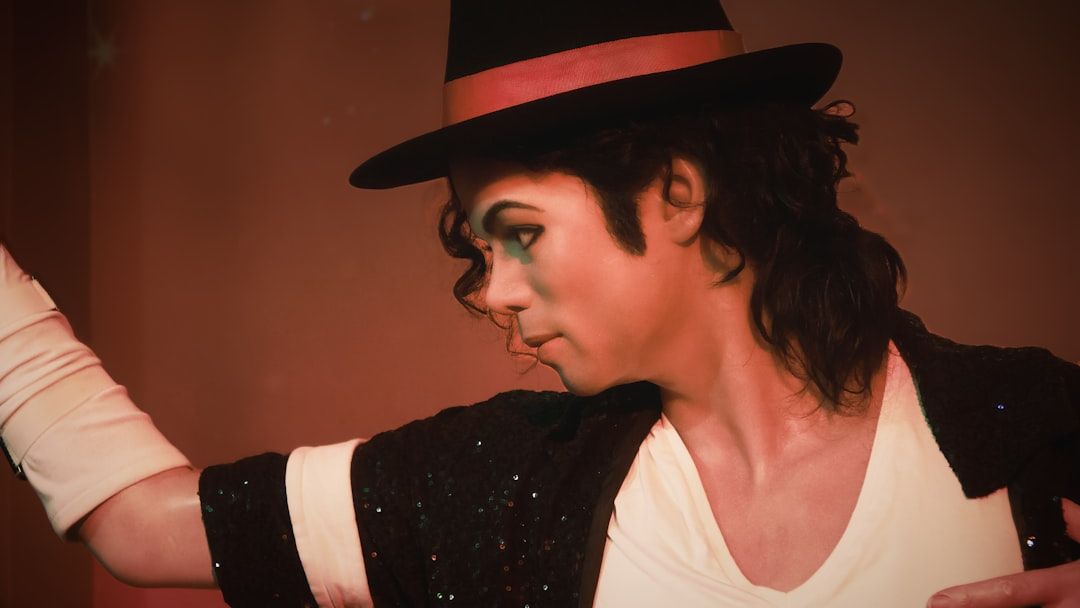
Michael Jackson’s ‘secret family’ reveals disturbing child sex abuse claims against late pop star: ‘He was a monster’ – Image for illustrative purposes only (Image credits: Unsplash)
Decades after his death, fresh accusations have surfaced from individuals who describe themselves as part of Michael Jackson’s hidden personal circle. These claims center on alleged interactions with a child that the accuser now portrays as deeply troubling. The statements add another layer to long-standing questions about the late singer’s private life and relationships with young people.
Details of the Reported Incidents
One account comes from a person identified as Dominic, who claims to have been around twelve years old during the events described. He recalled specific moments that he says occurred in Jackson’s presence. The descriptions involve acts that the accuser says left a lasting impression of discomfort and confusion.
According to the account, Jackson engaged in behavior that Dominic characterized as both intimate and inappropriate for an adult-child dynamic. The statements paint a picture of a relationship that the accuser now views through the lens of exploitation rather than affection. No independent verification of these particular claims has been presented alongside the recent disclosures.
Context of the Disclosures
The revelations appear tied to a group referring to itself as Jackson’s “secret family.” Members of this group have chosen to speak publicly at this stage, framing their comments as an effort to share experiences they say were previously kept private. The timing coincides with ongoing cultural conversations about accountability in the entertainment industry.
Those making the statements have labeled Jackson a “monster” in their descriptions of his conduct. They position the accounts as part of a broader pattern they believe deserves wider attention. The claims remain untested in any formal legal proceeding connected to this latest round of statements.
Human Cost of the Allegations
For the individuals stepping forward, the decision to speak carries personal weight. Dominic’s recollection highlights the perspective of someone who was a minor at the time and is now reflecting on those years as an adult. Such accounts often surface amid shifting public attitudes toward historical figures in music and fame.
The broader ripple effects touch fans, family members, and institutions that continue to celebrate Jackson’s artistic contributions. Questions about how to separate creative legacy from personal conduct persist for many observers. The latest statements underscore how private stories can resurface long after the central figure is gone.
“He would drink my urine and tell me, ‘This is how much I love you.’ I’m maybe 12 years old at the time. Like, I’m a child who’s seeing this man do this,” Dominic said of Jackson.
These words capture the raw detail the accuser chose to share. They stand as one concrete example within the larger set of assertions now circulating. The account leaves open how others connected to the same circle may respond or whether additional details will emerge.