

The Habit of Polite Inquiry

People often ask how someone is doing simply because it feels like the right thing to say in the moment. This kind of exchange serves as a quick social signal rather than a real check in on feelings. Over time the phrase becomes automatic and loses much of its original meaning. Research shows that the average person spends more than 4 hours daily on digital communication yet many people report feeling emotionally disconnected during conversations. The pattern repeats in stores at work and even with family members. It keeps interactions moving without requiring extra effort from either side.
Communication experts note that many people ask the question out of habit rather than any deep interest in the reply. The words roll out easily and fill an awkward pause. Still the speaker usually hopes the answer stays short so the conversation can stay light. A 2024 workplace communication survey found that over 60 percent of employees feel conversations at work are becoming more transactional and less personal. This habit spreads because it fits busy schedules and avoids extra emotional weight. The result is a greeting that sounds caring but rarely leads anywhere deeper.
Emotional Exhaustion in Daily Life

Many adults reach the end of a long day already drained from meetings messages and constant notifications. When someone asks how they are the last thing they want is a long story about stress or worries. Studies on social interaction show that many people experience conversation fatigue especially after long workdays filled with meetings messages and notifications. The mind simply does not have room left for another detailed exchange. A quick fine or okay keeps things simple and lets everyone move on. This exhaustion builds quietly over weeks and months.
A 2023 mental health survey reported that nearly 1 in 3 adults avoid deep emotional conversations because they feel emotionally exhausted themselves. The pattern makes sense when energy levels stay low. People protect what little mental space they have left. They still ask the question because it is polite but they hope the answer stays brief. The cycle continues because everyone involved feels the same pressure. Over time the greeting becomes a shield rather than a bridge.
The Influence of Fast Paced Environments

City streets offices and busy stores move at a quick pace where pauses feel costly. In these settings a short reply keeps the flow going without slowing anyone down. Researchers have found that people are more likely to give automatic responses like I am fine in fast paced urban environments where social interactions are brief and repetitive. The question gets asked because it fits the rhythm of the day. A longer answer would break that rhythm and create unwanted delays. Both sides sense this unspoken rule.
The environment trains everyone to keep exchanges light and efficient. People learn early that deep talks belong elsewhere if they belong anywhere at all. The greeting survives because it signals basic courtesy without demanding time. Yet the hope for a one word answer grows stronger in these rushed places. It protects schedules and mental energy at the same time. The result feels normal even when it leaves connections shallow.
How Digital Habits Shape Our Replies
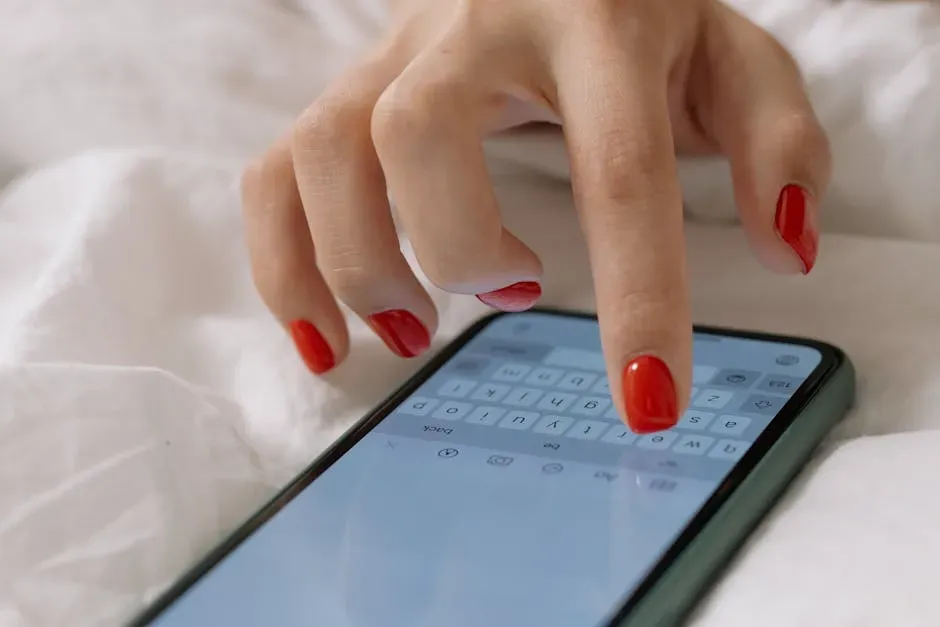
Texting and short messages train people to expect quick answers in every part of life. When the same habit carries over to spoken words the preference for short replies feels natural. Social scientists note that texting culture and short form communication have contributed to a preference for quick low effort responses in everyday interactions. A simple fine fits the style of online chats and carries over easily. Longer answers require more typing or talking than most people want to give in the moment. The digital world rewards speed over depth.
Notifications and constant scrolling leave little room for thoughtful replies. People glance at their phones while asking the question and already plan the next task. The greeting becomes another quick check mark rather than a real moment. This shift happens without anyone noticing until conversations feel empty. The hope for a one word answer grows because it matches the pace of screens and alerts. Everyone adapts to keep up.
The Burden of Hearing Honest Answers
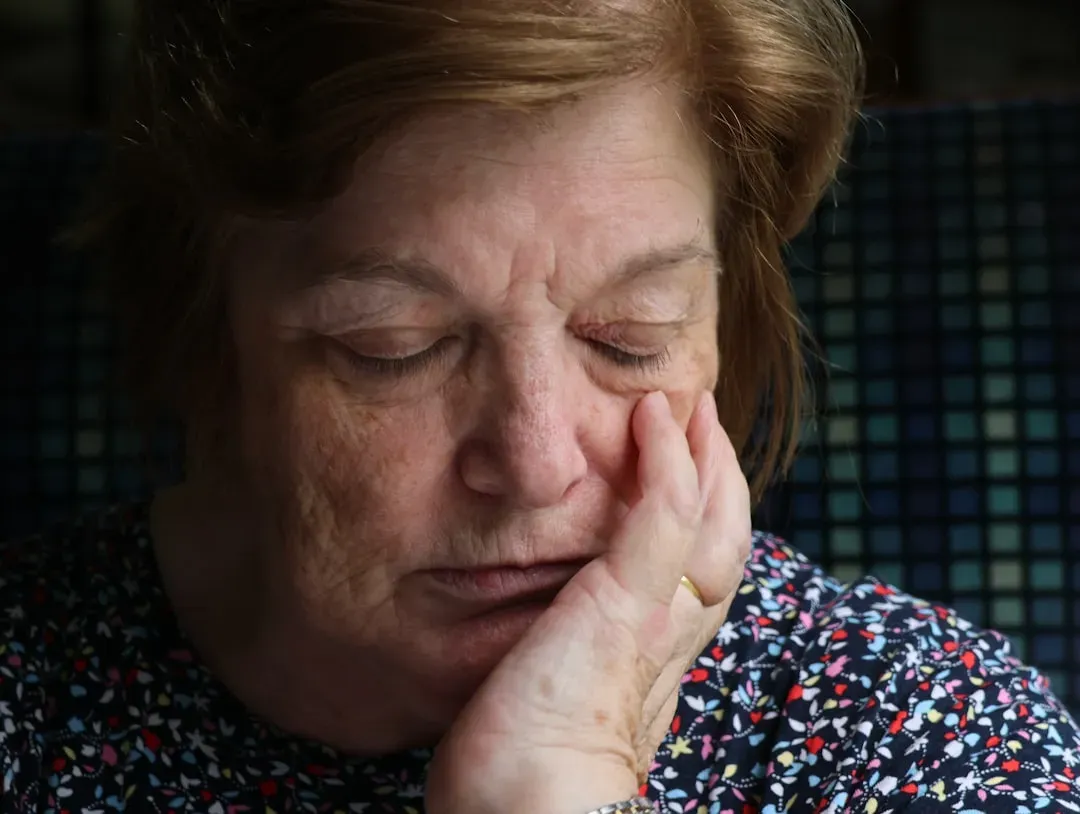
Studies in emotional psychology suggest that people often want authentic connection but fear the emotional responsibility that comes with hearing honest answers from others. A real reply about stress or sadness can pull the listener into someone else story. That pull feels heavy when time and energy are limited. The question gets asked anyway because it sounds kind. Yet the secret wish stays for a short answer that requires no follow up. The fear sits quietly beneath the surface.
Most people carry their own worries and do not want to add another load. A brief reply lets both sides stay in their own lane. The pattern protects feelings on both ends even when it keeps talks shallow. Over time the habit feels safer than risking a deeper exchange. The greeting continues because it balances politeness with self protection. The weight of a longer answer stays avoided without anyone saying it out loud.
Workplace Dynamics and Surface Level Talk

Offices and teams run on quick updates and status checks rather than personal stories. The greeting fits this setting because it keeps focus on tasks. A 2024 workplace communication survey found that over 60 percent of employees feel conversations at work are becoming more transactional and less personal. People ask how others are doing to stay polite while moving the meeting forward. A short answer signals that everything is fine and work can continue. Longer replies would shift attention away from deadlines and goals.
Teams learn to keep exchanges brief so productivity stays high. The question survives as a social courtesy that does not slow progress. Everyone senses the line between polite and personal. The hope for a one word answer grows because it respects the shared focus on results. This style spreads across departments and roles. It becomes the default way to start any work conversation.
Loneliness Despite Constant Connection

Phones and apps keep people in touch all day yet many still feel alone in their feelings. A global loneliness study found that despite increased connectivity online millions of people still report lacking meaningful emotional conversations regularly. The greeting gets asked because it creates the appearance of care. A short reply keeps the moment from turning into something heavier. The gap between connection and real talk grows wider over time. People notice the difference but rarely name it.
The pattern leaves everyone wanting more while settling for less. Quick exchanges fill the day but leave evenings quiet. The question continues because it feels like the right start even when it rarely leads further. Loneliness lingers because the habit protects time and energy. The secret hope for a brief answer fits the larger picture of surface level contact. It becomes part of how people manage daily life.
Finding a Middle Ground in Conversations

Small changes can shift the greeting from routine to something slightly more real. A pause after the question sometimes opens space for a bit more detail. Yet the same pressures that favor short answers remain in place. People still carry fatigue from long days and busy screens. The balance stays tricky because everyone juggles the same limits. Small steps help without demanding too much at once.
Over time these small shifts can build better habits without adding extra weight. The greeting keeps its polite role while allowing room for honesty when it fits. Both sides learn to read the moment and respond accordingly. The result feels lighter and more human even in rushed settings. The pattern shows that change happens gradually rather than all at once. It leaves room for connection without forcing it every time.