

Young people born after 1997 are rethinking the path that once seemed guaranteed. Many who once aimed for coding roles or corporate offices now look toward plumbing, electrical work, and construction instead. This shift shows up clearly in hiring data and survey responses from recent years.
The change feels especially noticeable in states like Ohio, Michigan, and Wisconsin. These places have long relied on manufacturing and skilled trades. Now they draw fresh interest from a generation that watched big tech cut thousands of positions.
Rising Costs Of Higher Education

College tuition keeps climbing while starting salaries in many white collar fields stay flat. Gen Z graduates often carry debt that takes years to clear. Trade programs, by contrast, let people earn while they learn through apprenticeships that last two to four years.
Surveys from 2025 show that avoiding debt ranks as a top reason for choosing trades. One in three Americans now recommends trade school over college for high school graduates. This view appears strongest among older respondents but spreads quickly among younger ones too.
Tech Industry Instability

Layoffs hit the tech sector hard in 2024, with nearly 153,000 positions eliminated across major companies. Gen Z workers who entered those roles faced sudden uncertainty after only a few years. Many watched friends lose jobs to restructuring or automation tools.
That experience pushed some to seek fields where demand stays steady. Construction and electrical work rarely face the same boom and bust cycles. Midwest factories and infrastructure projects continue to need hands on site every day.
Appeal Of Job Security In Trades

Skilled trades show consistent openings that outpace many office roles. In 2024, Gen Z made up 18 percent of the overall workforce yet accounted for nearly 25 percent of new hires in trade industries. Employers value the reliability these workers bring.
Reports from early 2026 indicate that 60 percent of Gen Z plan to enter construction, electrical, HVAC, or plumbing fields. These jobs resist remote replacement and maintain steady demand even during economic slowdowns. Midwest states benefit directly from this interest.
Competitive Pay Without Debt
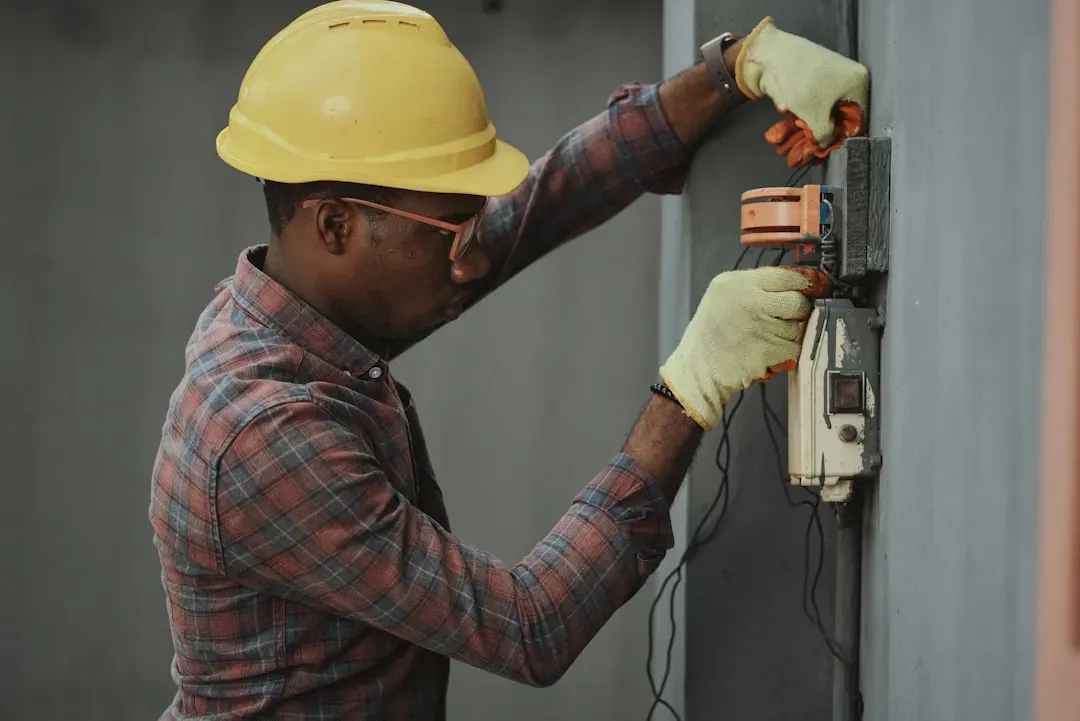
Many trade roles now offer starting pay above 45,000 dollars with quick raises. Electricians and plumbers in growing Midwest markets often reach six figures within a decade. The absence of student loans lets workers save or invest earlier than their college peers.
Data from payroll platforms shows median pay for new construction hires rose more than 5 percent in recent years. Office starting salaries grew at a slower pace. This gap encourages young people to weigh practical earnings over prestige.
Hands On Satisfaction And Autonomy

Gen Z workers often describe office life as repetitive and screen heavy. Trades let them see tangible results at the end of each day. Building a home or fixing a complex system brings visible progress that feels rewarding.
Many also appreciate the independence that comes with mastering a craft. They set their own pace once certified and can choose projects that match their interests. This control stands in contrast to rigid corporate structures.
Accessible Training Programs
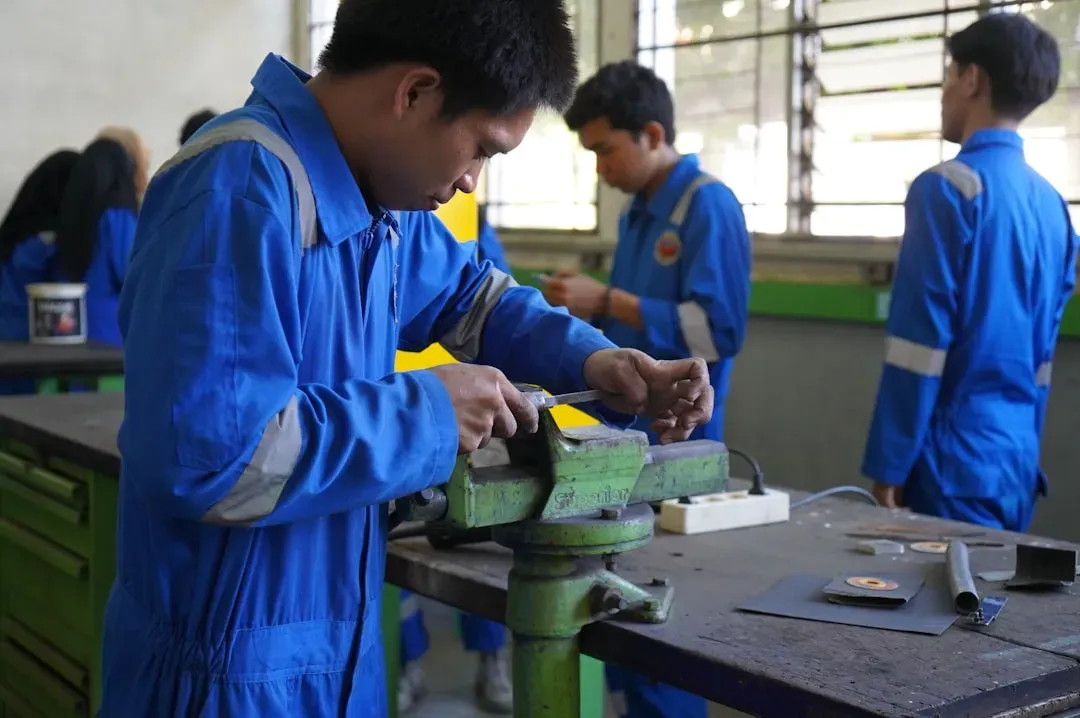
Community colleges and union apprenticeships in the Midwest have expanded enrollment. Programs in welding, HVAC, and electrical work now attract more students than they did five years ago. Paid on the job training removes the financial barrier that college presents.
Enrollment in vocational tracks rose 16 percent in one recent year. High school students increasingly see these paths as direct routes to employment. Local employers partner with schools to fill immediate needs in manufacturing corridors.
Midwest Industrial Revival

States across the region continue to attract new factories and infrastructure spending. Ohio and Michigan lead in semiconductor and automotive projects that require skilled support workers. Construction crews stay busy on these sites for years at a time.
Gen Z participation in Midwest trades has grown steadily. The region offers lower living costs than coastal tech hubs, allowing new workers to build wealth faster. Local demand for electricians and welders remains high as projects scale up.
Avoidance Of Automation Risks

White collar tasks face growing pressure from artificial intelligence tools. Gen Z surveys show concern that coding or data roles could shrink. Trades that involve physical problem solving stay harder to automate in the near term.
Workers in plumbing or electrical fields report steady confidence in long term relevance. They combine traditional skills with new technology like diagnostic apps. This blend keeps the work engaging without the fear of sudden obsolescence.
Better Work Life Balance And Flexibility

Many trade positions follow set daytime hours rather than late night emails. Workers finish projects and leave the job behind until the next shift. This structure appeals to those who watched parents burn out in always on corporate cultures.
Flexibility also appears in the ability to start independent businesses. Certified tradespeople can launch small contracting firms with modest startup costs. Midwest communities support these local operations through steady residential and commercial needs.
Conclusion: A Practical Path Forward

The move toward blue collar careers reflects a broader search for stability and purpose. Gen Z brings fresh energy to fields that once struggled to attract young talent. Midwest economies stand to gain from this influx as projects expand.
Early signs suggest the trend will continue as training programs grow and pay remains competitive. Young workers who choose these routes often report higher satisfaction and faster financial progress. The region offers room for both established trades and new opportunities that blend skill with innovation.